
Analytics & Stats
The Right Back Reimagined: 25 Profiles of Form, Role and Reliability
Twenty-five profiles that reassess the modern right back: roles, form, injuries and impact. Insights

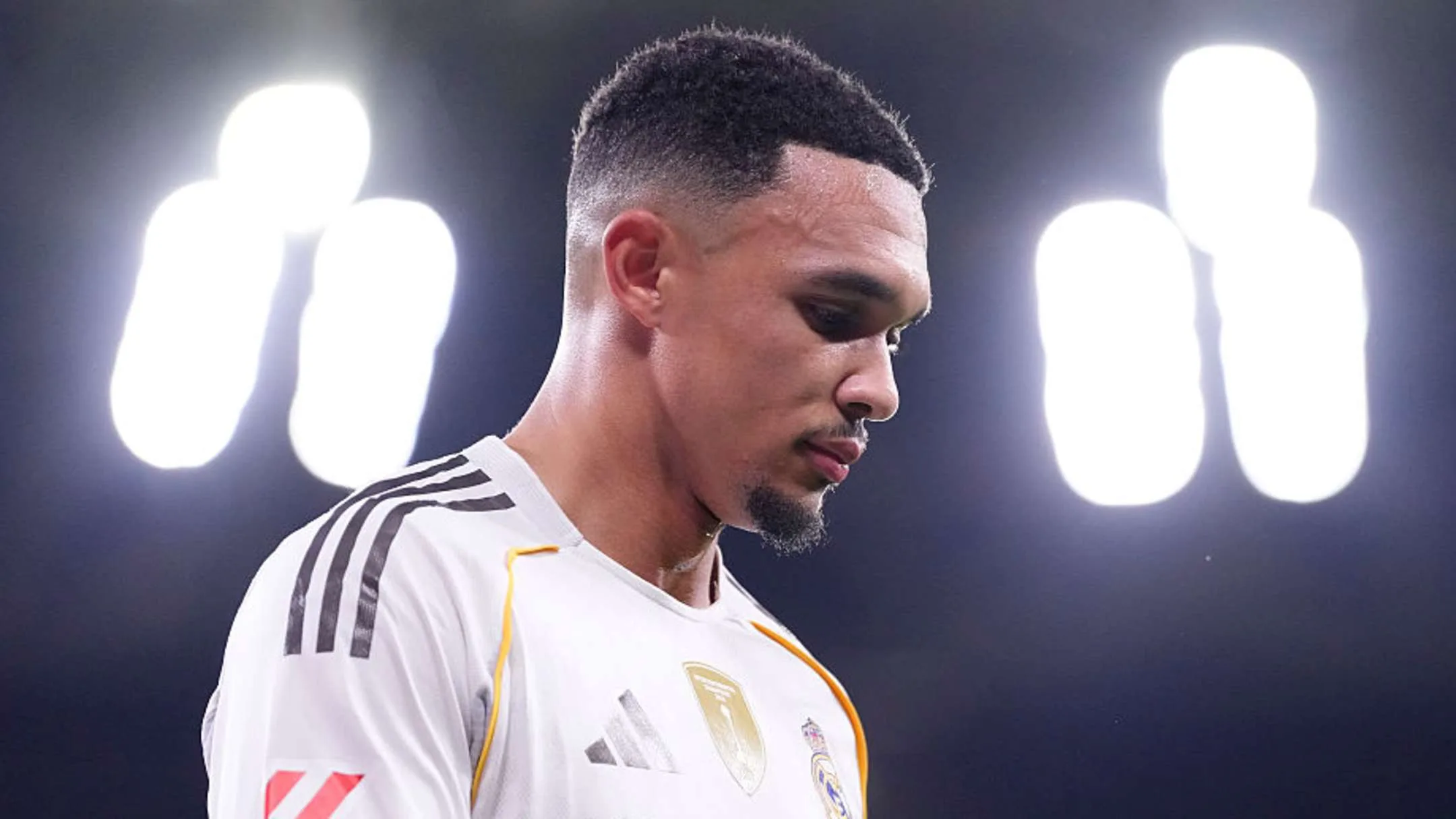
The right back has been recast in recent seasons, becoming one of football’s most adaptable and influential positions. This piece profiles 25 players who illustrate how the role now blends defensive responsibility, attacking invention and positional versatility.
Noussair Mazraoui provided defensive dependability and useful versatility for Manchester United during difficult spells under Ruben Amorim. João Cancelo combined extraordinary ball skills and unpredictability in possession with clear defensive limitations; his career has included spells at Manchester City, Bayern Munich and Barcelona, a move to Al Hilal in Saudi Arabia and an unexpected return to Barcelona in January.
Nahuel Molina offers steady attacking output for Argentina and Atlético Madrid, bringing World Cup and Copa América experience to his club role. Diogo Dalot is defined by effort and tireless running for Manchester United since 2018, capable of being a disruptive presence when at his best.
Ben White has repaid Arsenal’s investment by offering flexibility at right back and centre back and improving those around him. Nordi Mukiele has quickly adapted at Sunderland after joining from Bayer Leverkusen, combining defensive solidity, adventurous possession play and long throws.
Ola Aina rebuilt his career in Italy before returning to England with Nottingham Forest, where he balances attack and defence for the Tricky Trees. At Borussia Dortmund, the Norway international on set pieces said, “It’s not all that difficult,” reflecting a simple but effective approach to chance creation; across the first 20 games of the 2025–26 Bundesliga campaign he produced 11 assists.
Conor Bradley rose through a loan at Bolton to Liverpool, now replacing Trent Alexander-Arnold but needing to manage injuries. Pedro Porro offers exceptional distribution for Tottenham Hotspur while remaining inconsistent defensively; Thomas Frank rated him above every other Spurs player he worked with according to The Times.
Tino Livramento returned from a career-threatening knee injury to justify Newcastle’s £32 million signing with pace and adaptability. Zeki Çelik has shifted between centre back and wingback at Roma under different managers, while Konrad Laimer transitioned from midfield to right back at Bayern Munich and helped the club win the Bundesliga in 2024–25.
Daniel Muñoz has become a key wingback for Crystal Palace and helped them win the FA Cup in 2024–25. Dani Carvajal remains one of the most decorated defenders, though his 2024–25 season was curtailed by an ACL tear. Marcos Llorente and Matheus Nunes show how midfield traits can flourish at right back; Guardiola said in November 2025 that “he can become one of the best [right backs],” when discussing Nunes.
Jeremie Frimpong, Giovanni Di Lorenzo, Denzel Dumfries, Jules Kounde, Jurriën Timber and Trent Alexander-Arnold each demonstrate different blends of attacking threat, adaptability and defensive trade-offs. After a strong debut season in Spain, one Spanish daily declared: “David Beckham Returned to the Bernabéu.” These profiles underline how the modern right back now shapes games as much with passing and movement as with tackles and marking.




Analytics & Stats
League origins: which competitions supply the most players to the 2026 World Cup
Premier League leads with 154 players at the 2026 World Cup; Europe’s top five dominate squads. this
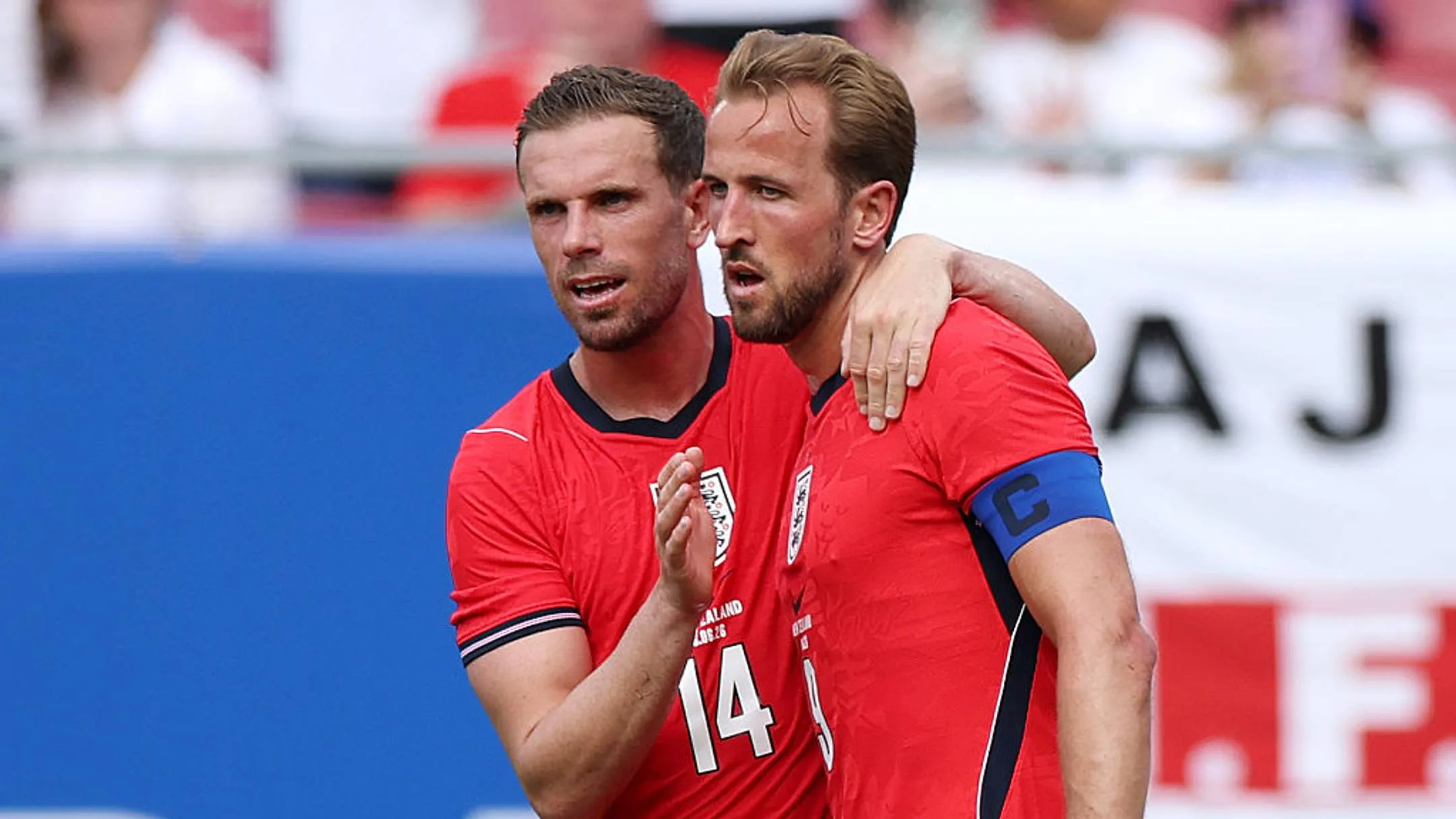
The 2026 World Cup in North America arrives with a record 48 teams and a wide mix of experience across national squads. At club level the concentration of resources in Europe’s top divisions is reflected in the make-up of tournament squads.
League representation, ranked by the number of players selected for the finals, is as follows:
1. Premier League (England) — 154
2. Bundesliga (Germany) — 94
3. Ligue 1 (France) — 78
4. La Liga (Spain) — 74
5. Serie A (Italy) — 66
6. Saudi Pro League (Saudi Arabia) — 47
7. Turkish Süper Lig (Türkiye) — 42
8. MLS (U.S./Canada) — 38
9. EFL Championship (England) — 37
10. Eredivisie (Netherlands) — 30
The Premier League has become a financial juggernaut and that economic pull is evident: the division will supply 154 players to the World Cup and the English pyramid as a whole provides 200 players. Tommy Smith, who played in the sixth-tier with Braintree Town last season, is among that total. Each of UEFA’s three club competition finals at the end of the 2025–26 season included an English representative, and almost half of the division will be competing on the continent next season.
Club-level figures underline the scale of England’s contribution. With 19, Manchester City have the most players flying out to North America, while Conference League winners Crystal Palace (12) have more representatives than Real Madrid. For the first time ever, a Spanish World Cup roster doesn’t feature a single Madrid player.
The Bundesliga’s 94 players were aided by Austria’s first World Cup qualification this century. Bayern Munich had 18 players heading to the tournament before Lennart Karl picked up an injury. Ligue 1 (78) and Serie A (66) complete the top five, with Serie A limited by Italy’s failure to qualify. The Saudi Pro League is the best-represented league outside Europe with 47 players; all but one member of the Saudi roster competes domestically and Al Hilal account for 11 representatives.
Analytics & Stats
Club Valuations 2026: Ranking the World’s Top 30 Soccer Teams
Forbes’ 2026 valuations show European clubs lead, MLS gains ground with four franchises rising 2026
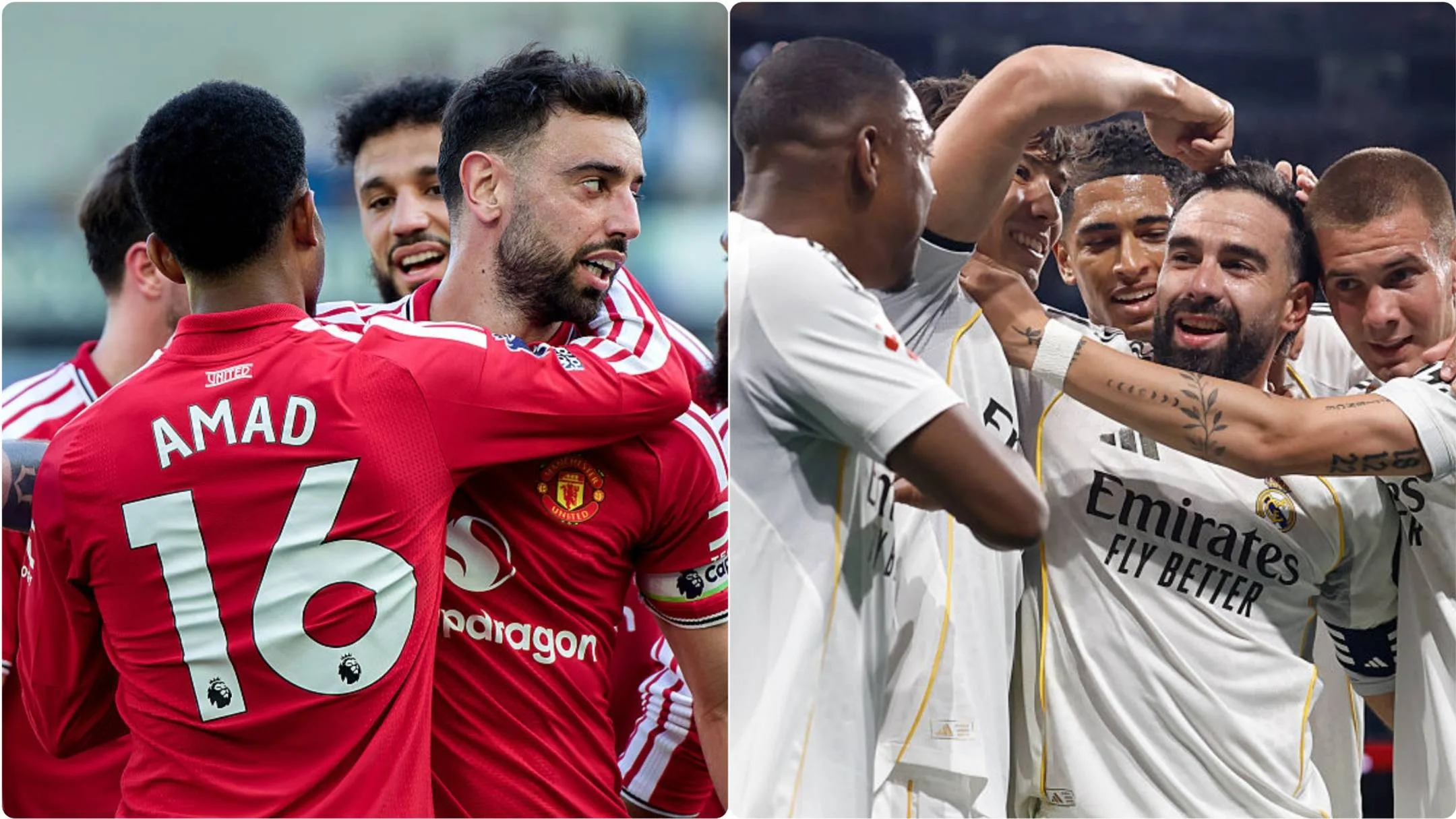
Forbes’ 2026 valuations list the 30 most valuable soccer clubs, with European heavyweights dominating and MLS making significant inroads. Eleven Premier League sides and seven Major League Soccer teams feature among the top 30.
At the summit Real Madrid lead the market at $9.5 billion, followed by Barcelona at $7.5 billion and Manchester United at $7.2 billion. Liverpool sit at $6.2 billion, Paris Saint-Germain at $5.8 billion and Bayern Munich at $5.7 billion. Manchester City and Arsenal are close together at $5.5 billion and $5.4 billion respectively, with City only $100 million ahead of Arsenal. Chelsea are valued at $4.2 billion and Tottenham Hotspur at $3 billion.
Further down the table Atlético Madrid are 11th at $2.95 billion, Juventus 12th at $2.4 billion, Borussia Dortmund 13th at $2.2 billion, AC Milan 14th at $1.85 billion and Inter 15th at $1.8 billion. The report notes Inter still trail AC Milan despite higher revenue, and Juventus remain ahead at $2.4 billion despite on-pitch struggles.
Aston Villa have recorded a striking 56% growth to $1.4 billion, boosted by Champions League qualification and the work of Unai Emery, making them England’s most valuable club outside the traditional Big Six. Newcastle United are 19th.
MLS representation includes Inter Miami ($1.35 billion), LAFC ($1.32 billion), LA Galaxy ($1.08 billion), Atlanta United ($1 billion) and New York City FC ($1.02 billion). Austin FC and Seattle Sounders enter the list but remain below the $1 billion mark at $855 million and $860 million respectively. The draft highlights that LA clubs and Inter Miami have all seen value increases.
Across Europe, Benfica ($960 million) and Roma ($940 million) occupy mid-table positions, while Stuttgart continue their resurgence at $880 million, now Germany’s third-most valuable club. Brighton & Hove Albion, Fulham and Everton rank 27th to 25th and sit just under the $1 billion threshold.
The 2026 rankings underline the financial gulf inside the top tier, while also showing MLS clubs closing the gap in value terms.
Analytics & Stats
KMI Audit: 25 VAR Errors Reshaped the 2025/26 Title Race, Arsenal the Biggest Beneficiary
KMI lists 25 VAR mistakes in 2025/26. Arsenal gained four points; title trimmed to goal difference .
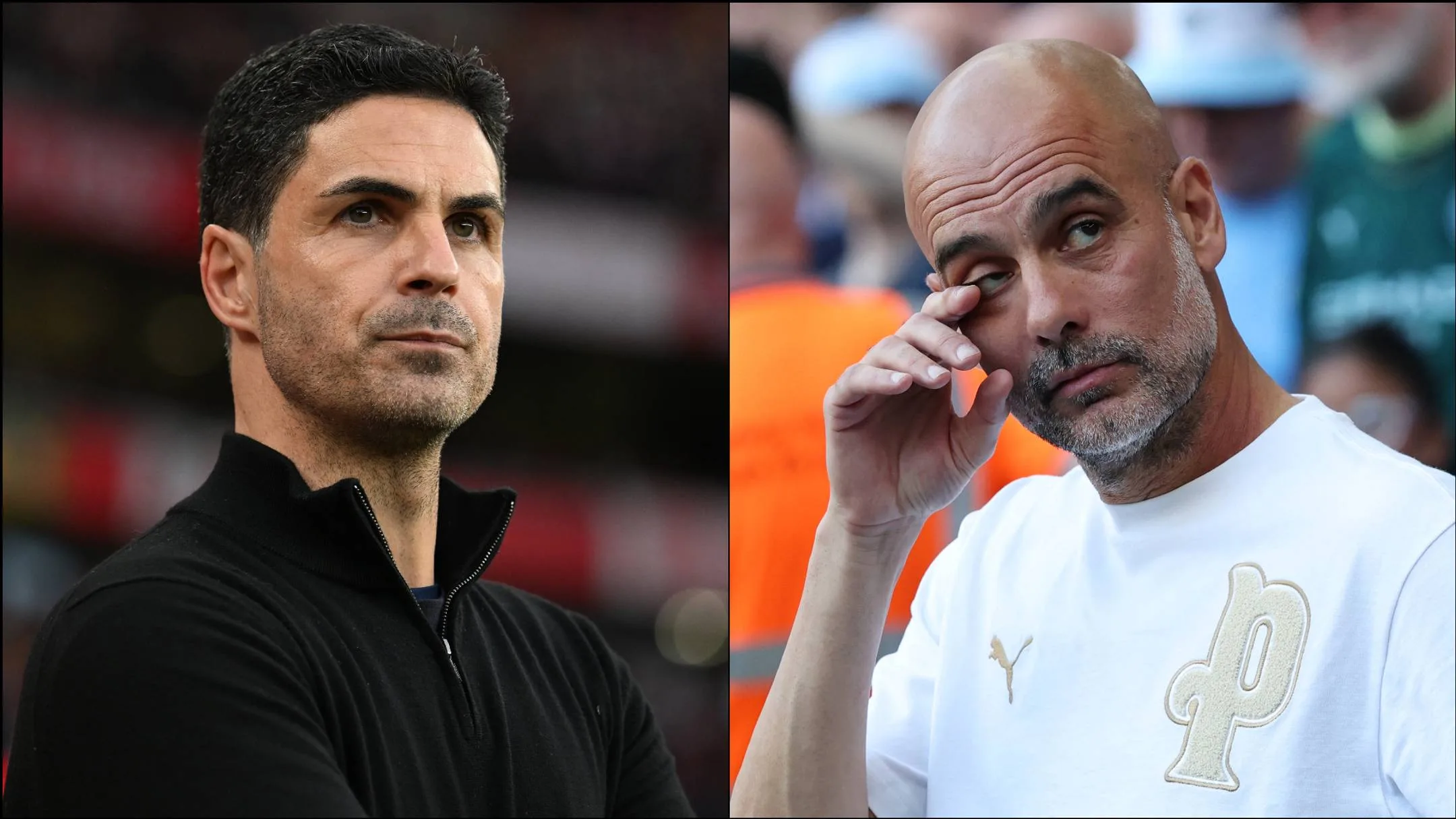
Since Howard Webb took charge of English referees in 2022 a Key Match Incidents panel has been meeting after each round to review officiating. BBC Sport were given access to the panel’s findings from the 2025/26 season, which record 25 VAR errors, seven more than last season.
The KMI log is clear that these incidents are those which met the “clear and obvious” threshold that Stockley Park should have identified. Working on the assumption that every penalty that should have been awarded would have been converted, the panel’s list changes how results would have stacked up. Arsenal benefit most: the Gunners won four points as a consequence of VAR errors. Manchester City’s points total was not altered in the panel’s reconstruction, though City were affected by individual incidents during the campaign.
Phil Foden was denied a clear penalty in a 2–1 defeat to Newcastle in November, an episode Pep Guardiola would later criticise. The KMI panel judged that complaint to be justified, but City also gained from a missed call in May when Bernardo Silva escaped giving away a penalty for going all WWE on Merlin Röhl.
Manchester United’s final tally includes two points that the panel says were won thanks to a favourable decision which allowed Bryan Mbeumo to handle the ball before Matheus Cunha found the net in a 3–2 win over Nottingham Forest at the end of the season.
Arne Slot spent much of the campaign vocal about perceived bias. “If there’s a VAR intervention or if there’s something that could be left or right [50-50] then the decision goes against us,” the Dutch boss moaned after Benjamin Šeško’s controversial strike for United was allowed in May. The KMI panel did not deem Šeško’s goal to meet the threshold of an error because no conclusive footage could be found.
Liverpool’s sole KMI-listed mistake came on the opening day when Marcos Senesi was not sent off for Bournemouth after handling the ball; Liverpool won that match 4–2. Three of Arsenal’s eight 1–0 wins were aided by VAR mistakes, including Viktor Gyökeres’s penalty against Everton at Hill Dickinson, where Everton should have had a spot kick for William Saliba’s swipe. David Moyes declined to elaborate after that game. “I’d like to,” Moyes shrugged, “but I’d probably be fined.” Fabian Hürzeler also protested after Brighton’s loss to Arsenal when Gabriel Martinelli escaped punishment for a tug on Mats Wieffer.


-
 Chelsea2 months ago
If Xabi Alonso Took Charge at Chelsea: Formation, Principles and a Projected XI
-
 Arsenal2 months ago
Five leading contenders for 2025/26 Premier League Player of the Season
-
 Championship2 months ago
The Fall of Leicester: How Financial Choices, Recruitment and Instability Led to League One