Premier League
De Zerbi Prioritises Sandro Tonali as Spurs Target After Survival Drive
De Zerbi has identified Sandro Tonali as Spurs’ priority target after rescue mission last season…

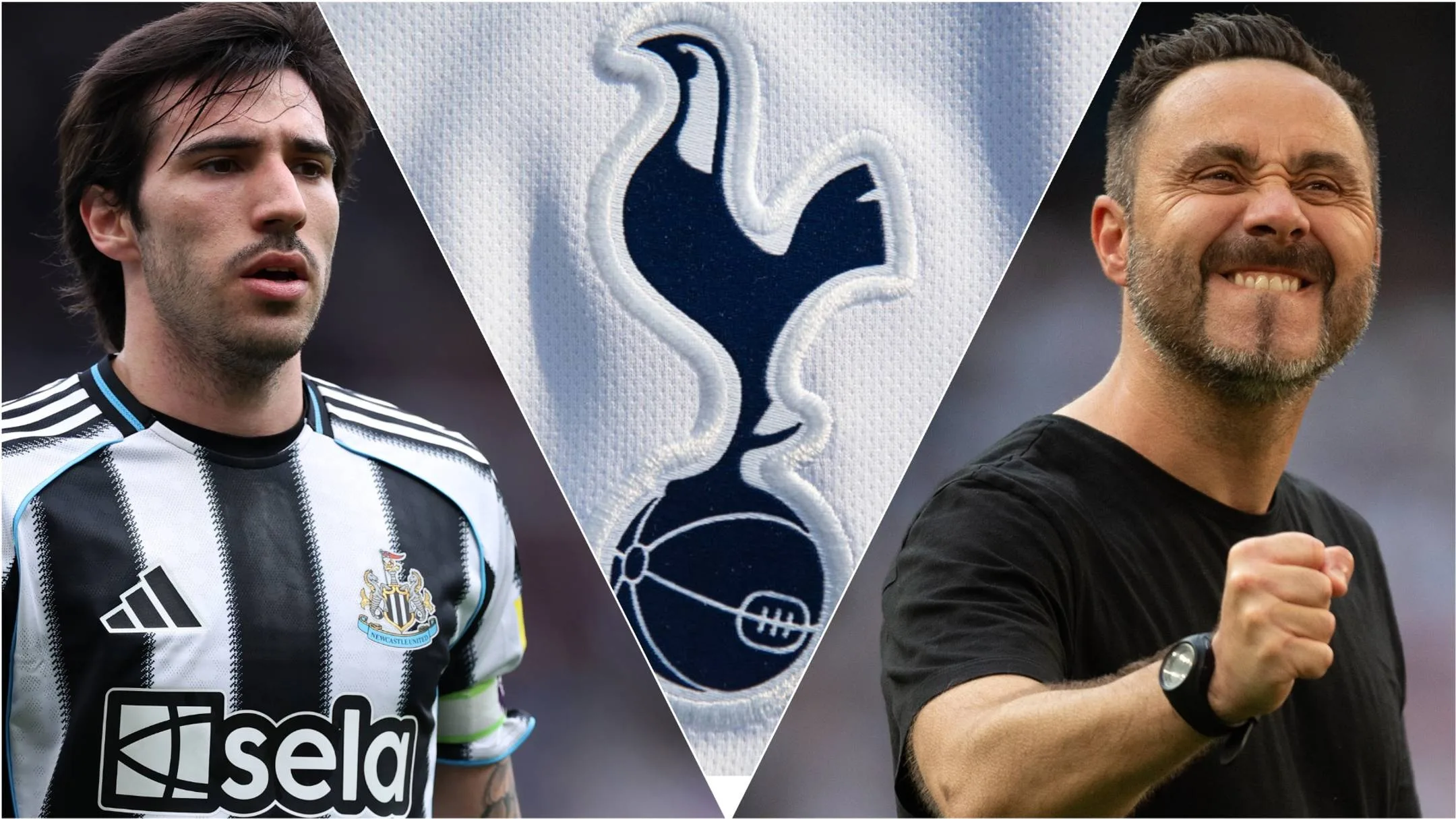
Roberto De Zerbi has identified Sandro Tonali as Tottenham Hotspur’s primary midfield target as the club looks to rebuild following a perilous run last season. Spurs were perilously close to succumbing to a stunning relegation, with only the work of De Zerbi after he was appointed at the end of March steering them clear of West Ham United and the Championship abyss.
Tottenham have already moved in the market, signing Andy Robertson and Marcos Senesi from Liverpool and Bournemouth on free transfers. The acquisition of Tonali would be regarded internally as a clear statement of intent and one engineered by De Zerbi, who holds considerable power in N17 after steering the club to safety.
Newcastle United are expected to make a major decision on their squad this summer as they embark on a mini-reset. While Eddie Howe remains in the picture, Anthony Gordon has moved on to pastures new with Barcelona and Tonali could soon follow the Englishman out the door.
Tonali has been linked previously with Arsenal, Manchester City and Manchester United, but multiple sources state Spurs have now entered the race. The Athletic’s David Ornstein is among those to report that Spurs and the player’s entourage have held “positive talks”, though there has not yet been any contact with Newcastle, who are expected to demand a mega fee for the former AC Milan star’s services.
The Magpies value Tonali highly and may force Spurs to pay as much as £85 million ($114 million). Newcastle paid AC Milan £55 million ($74 million) in 2023, so a sale would produce a sizeable profit for them. Spurs are said to be further advanced in talks than other suitors.
Tonali, the 26-year-old, is not the pass-first, build-up orchestrator some expect, but he contributes across the pitch. He is strong out of possession and more forceful in that phase. Early-career Andrea Pirlo comparisons proved to be erroneous, but Tonali has become underrated with the ball. Having helped resurrect Tottenham’s engine room down the stretch, De Zerbi believes he could get the best from the player, who grew up in Lodi, Lombardy, an hour’s drive from Brescia where the manager was born.

Manchester City
Manchester City’s 25 Greatest Players, Recast Through the Club’s Long History
From Meredith to Haaland, Manchester City’s greatest players span a century of talent and success.
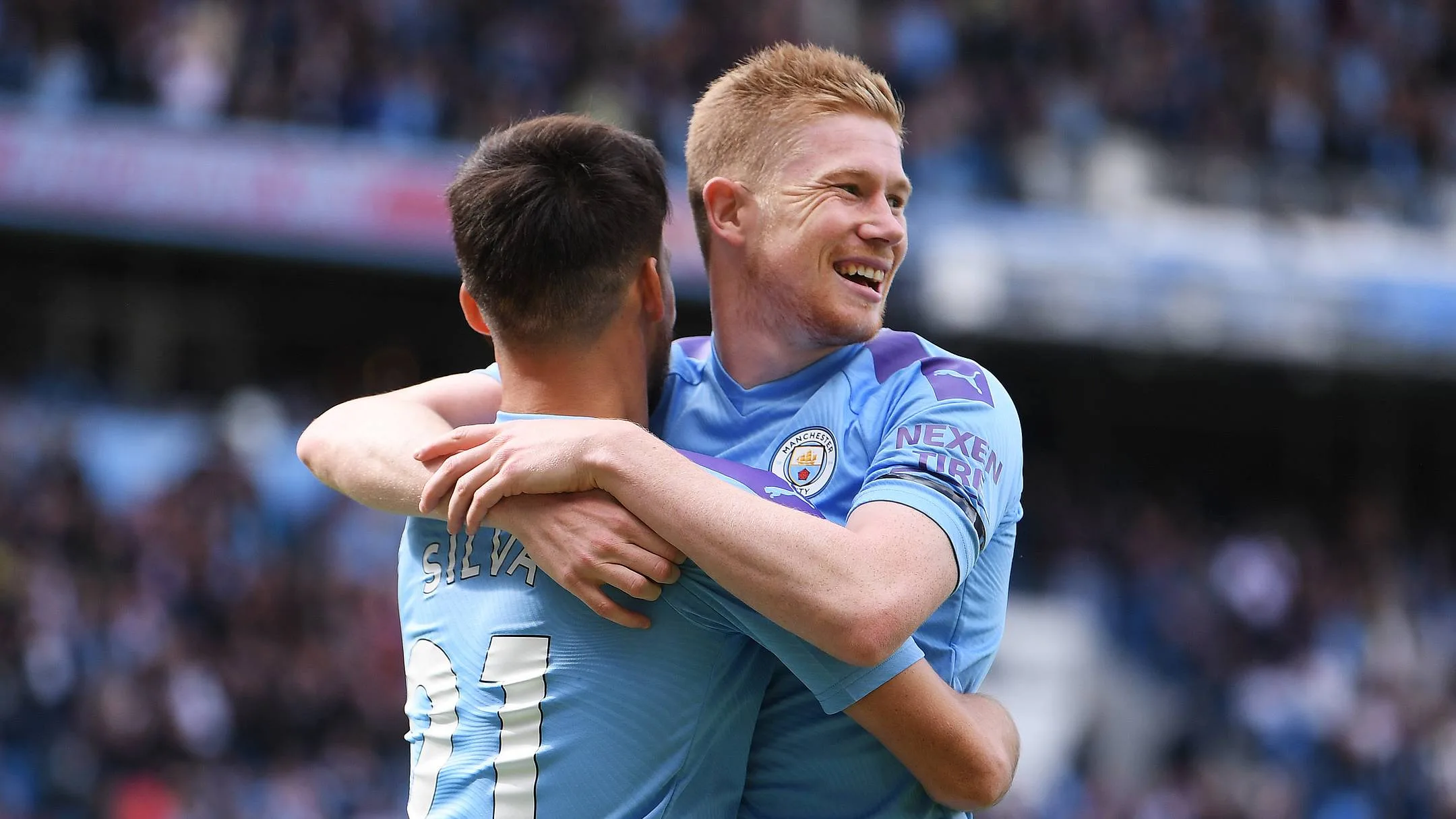
Manchester City’s story cannot be told through the modern era alone. The Sheikh Mansour years produced unprecedented success, but the club’s history runs far deeper, with major figures emerging across every era from the early 20th century to the present day.
Across title-winning teams, cup-winning sides and seasons of turbulence, City have always been shaped by players capable of changing games and defining eras. There have been forward leaders, fearless defenders, reliable goalkeepers and midfielders who set standards that lasted for years. Taken together, they form a portrait of a club built on talent as much as silverware.
Among the earliest names is Billy Meredith, whose first spell at City made him the club’s star attraction. He scored 151 goals and was central to the Second Division title win in 1898-99. Tommy Johnson also left a lasting mark, netting 158 league goals and setting a club record with 38 in a single season. Eric Brook, a powerful and explosive striker, became City’s all-time leading scorer with 177 goals, a mark that stood for almost 80 years.
The modern era brought another layer of distinction. Joe Hart provided a dependable presence in goal during the club’s transformation, while Vincent Kompany became both captain and symbol of the rise to dominance. Fernandinho gave the side its balance in midfield, and Ederson changed expectations of what a goalkeeper could do with the ball.
Further forward, Carlos Tévez brought goals and edge, Dennis Tueart supplied flair and one unforgettable overhead kick, and Francis Lee established himself as a relentless scorer in the club’s great 1960s side. Mike Summerbee, Colin Bell, Tony Book and Peter Doherty all helped define successful periods, while Bert Trautmann’s courage and Alan Oakes’ longevity remain central to the club’s identity.
More recently, David Silva, Yaya Touré, Bernardo Silva, Rodri and Erling Haaland have all continued that tradition at the highest level. Their impact has helped turn Manchester City into one of the dominant forces of the era, without erasing the scale of what came before.
Liverpool
Liverpool’s summer arrivals: early returns assessed
Liverpool’s new arrivals have made contrasting starts, with Barcola slow and Muñoz already producing key moments.
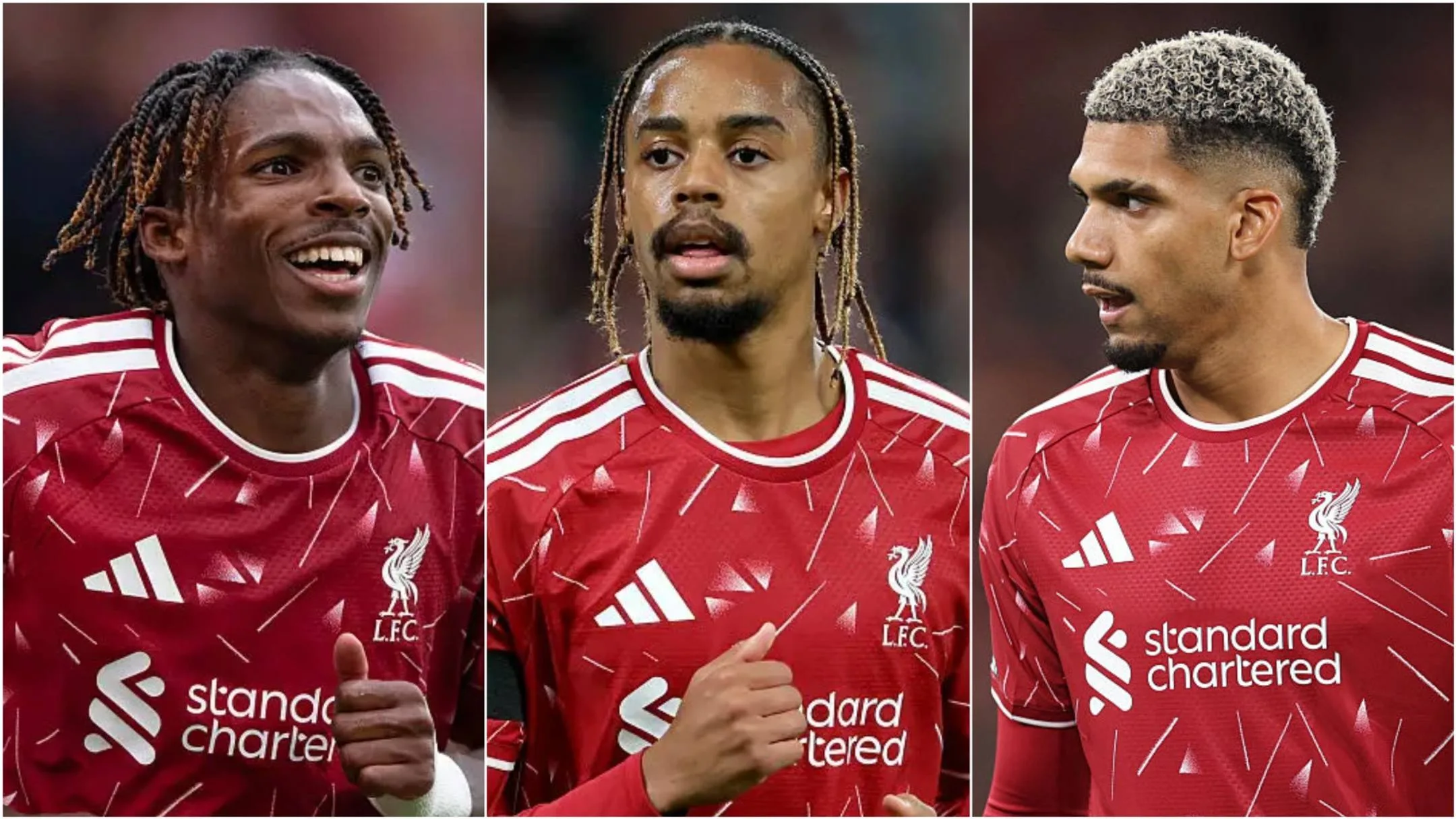
Liverpool did not repeat the scale of last summer’s record outlay, but the club still spent heavily in the latest transfer window. Those additions have helped deliver an unbeaten opening to the campaign, with four wins and three draws before the three-week international break.
The question now is how much each newcomer has contributed in the early stages of their Liverpool careers.
Bradley Barcola has made five appearances and, as the club’s statement signing of the summer and the second-most expensive transfer in its history, attention around him was always going to be intense. Yet there are clear reasons his start has been restrained. Arriving late from Paris Saint-Germain for a fee that could rise to £123 million ($163 million) with add-ons, he also missed pre-season under Iraola. His situation was further complicated by a late return from the World Cup and his omission from early rosters for the European champions, leaving him without any friendly or competitive action before moving. That has produced a quiet beginning, with no goal involvements from his five outings, though he is expected to improve as sharpness returns.
Victor Muñoz has taken a different route. He technically joined Liverpool as a World Cup winner without playing a minute in Spain’s successful run, but his place in Luis de la Fuente’s squad followed an excellent season with Osasuna. Since arriving on Merseyside, the 23-year-old has offered genuine spark across six appearances. He has not yet reached the level of Cody Gakpo early in the season, but he has still been Liverpool’s second-most lively wide player. His first competitive outing brought a stoppage-time penalty that secured a draw at Newcastle United, and he followed that with a powerful equaliser against Nottingham Forest. Supporters have already seen his speed, attitude and versatility, with more expected across the rest of his debut season.
Manchester United
Manchester United Post Record Revenue as Amorim Exit and Stadium Plans Shape Finances
United posted record revenue, but Amorim’s exit, losses and stadium costs still shaped the year.
Manchester United’s latest accounts have laid out a season of striking contrasts, with record income, a managerial dismissal and continued progress on a new stadium project all featuring in the 12 months to June 30, 2026.
The club reported revenue of $897.9 million, or £677.5 million, the highest single-season figure in its history. That total came in a campaign when commercial income slipped slightly, there was no money from European competition and the reduced fixture list affected gate receipts and food and drink sales.
Chief executive Omar Berrada pointed to the club’s “underlying strength of our business” and the “enduring popularity and commercial strength” of Manchester United as factors behind the numbers. Even so, the accounts still showed an overall net loss of $57 million (£43 million), underlining the scale of the challenge despite the record turnover.
The revenue breakdown showed commercial income at $440.4 million, broadcasting at $274 million and matchday at $203.4 million. Salaries also fell to $400 million (£302 million), accounting for just under 45% of revenue, as United continued to look for more disciplined spending and cheaper additions in the transfer market.
One notable cost came from the dismissal of Ruben Amorim in January. Compensation for Amorim and his staff was listed among exceptional items and made up most of the $10.9 million (£8.2 million) cost. His contract was due to run until the summer of 2027, but the figure would likely have been higher had he not taken over at AC Milan in June after five months out of work.
A year earlier, United had continued paying Erik ten Hag for almost twice as long following his departure, because he remained out of work for nine months before joining Bayer Leverkusen in late May 2025.
On the infrastructure side, the club made further progress towards a new Old Trafford, which is planned a few hundred yards from the current ground. Acquiring land from the adjacent freight hub has been a key part of that effort, although Manchester United have still not submitted a planning application for the proposed 100,000-seat stadium that co-owner Sir Jim Ratcliffe wants to be a ‘Wembley of the north.’