Premier League
Tottenham’s High-Stakes Move: Roberto De Zerbi Given Survival Mission
Roberto De Zerbi joins Tottenham as they sit one point above relegation with seven games remaining.

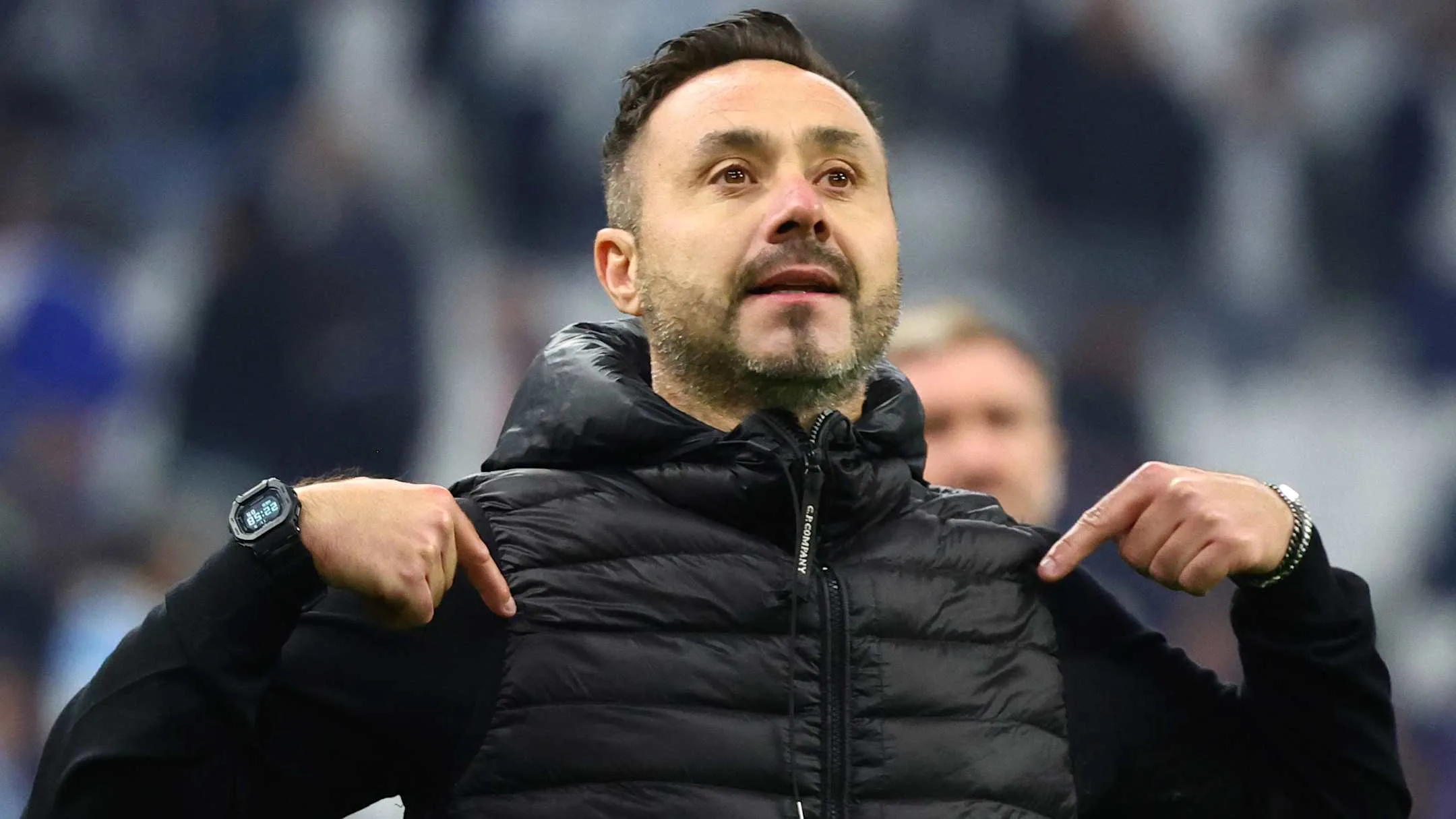
“To dare is to do.” Those words feel fitting as Tottenham turn to Roberto De Zerbi in a desperate bid to arrest a slide toward relegation. The outspoken Italian, best known for spells at Marseille and Brighton & Hove Albion, arrives with a reputation as one of the most influential tactical minds of his generation. His short-pass, possession-focused approach, labelled by many as De Zerbismo, has been widely copied and admired. Pep Guardiola once left a press conference early just to catch his Sassuolo team in action.
De Zerbi is, however, a divisive figure. His public defense of Mason Greenwood at Marseille drew criticism from some supporters before his appointment. From a purely sporting angle, the choice is unconventional. Spurs sit just a single point above the relegation zone with seven games remaining, and the board could have opted for a manager experienced in top-flight survival. Instead they have gambled on a coach whose ideas demand time and adaptation.
Reports say Tottenham offered De Zerbi a long-term deal that includes a “huge survival bonus,” with figures in the region of $13.2 million (£10 million) mentioned, on top of a competitive salary. While costly, the alternative may be far worse. BBC Sport estimates Spurs could lose as much as $344.8 million if relegated, a financial consequence that reframes the outlay.
There were suggestions De Zerbi preferred to wait until the threat had passed, yet Tottenham convinced the 46-year-old to commit. “I’m looking forward to getting out on the training pitch and working with these players to achieve that.” All it took was a golden rope.
Off-field mismanagement, recruitment errors and dressing-room issues have been cited, but luck has also played its part. As Pedro Porro observed, Spurs “could field an XI of injured players that might even be stronger than the XI that’s currently playing.” The injury list has eased over the international break, with Rodrigo Bentancur and Mohammed Kudus potentially available early in De Zerbi’s tenure. Kudus remains a crucial player, still the team’s leading Premier League assist provider despite months out.
The immediate task is clear: De Zerbi must transmit his specific style rapidly to a squad that can scarcely afford a prolonged settling-in period.




Chelsea
Chelsea travel to Australia without Emegha, Quenda and Rogers
Chelsea have arrived in Australia without Emegha, Quenda and Rogers, but younger arrivals remain in the squad.
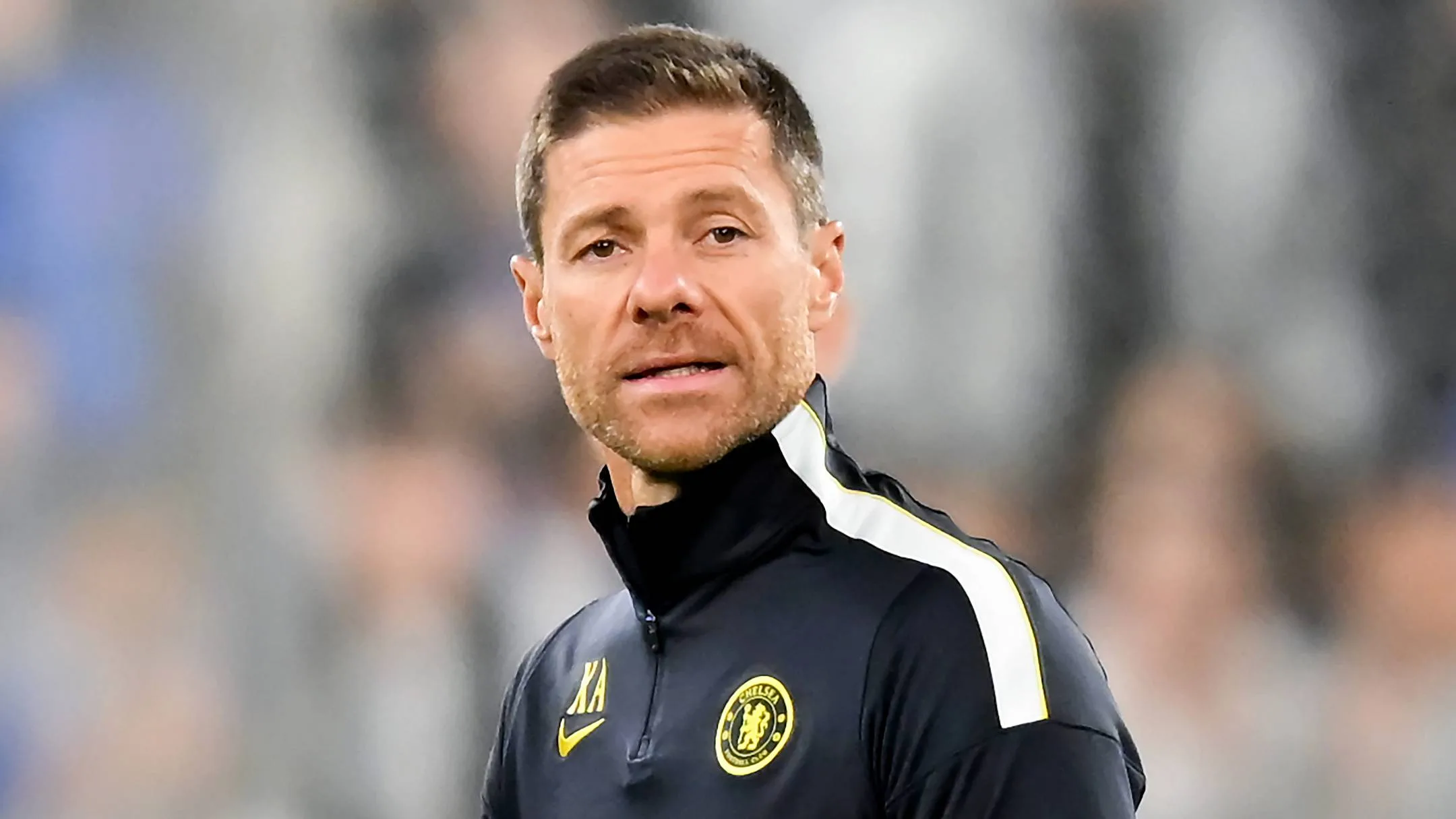
Chelsea have begun their preseason tour in Australia without three summer arrivals, with Emmanuel Emegha, Geovany Quenda and Morgan Rogers all missing from the travelling group.
Emegha and Quenda were both ruled out after minor injuries. Quenda’s absence should be brief, with Simon Johnson reporting that the winger is expected to join up with the squad for the second stage of the tour in Asia. Emegha, by contrast, is expected to spend about three weeks out and will not be back until after the squad returns.
Quenda’s £40 million ($53 million) move from Sporting CP had already been arranged in March 2025. His deal was agreed alongside Dário Essugo, who completed his move last summer.
Chelsea’s squad for the trip includes their goalkeepers Filip Jörgensen, Robert Sánchez, Ted Curd and Teddy Sharman-Lowe. The defensive group features Josh Acheampong, Tosin Adarabioyo, Aarón Anselmino, Levi Colwill, Calvin Diakite, Landon Emenalo, Wesley Fofana, Jorrel Hato, Marco Palestra, Mamadou Sarr and Tayo Subuloye. In midfield are Dário Essugo, Roméo Lavia, Madhi Nicoll-Jazuli, Reggie Walsh and Reggie Watson, while the forwards listed are Liam Delap, Jamie Gittens, Ryan Kavuma-McQueen, Omari Kellyman, Cole Palmer, João Pedro, Dastan Satpeyev and Estêvão.
Rogers is absent for a different reason. The club-record signing is being given time off after his Three Lions World Cup involvement this summer, with FIFA rules requiring players to have at least three weeks’ rest. With England involved until the third-place playoff on July 18, he is not expected at Chelsea’s training ground until early August.
That timeline makes the Aug. 8 friendly against AC Milan likely too soon for him. A first unofficial outing may instead come a week later against Real Sociedad.
Even with several names missing, Chelsea fans will still see some new arrivals in action. Marco Palestra is in the squad, as is Dastan Satpeyev, who does not turn 18 until Aug. 12. The change of manager has given the group a clean slate, and several younger players will hope this becomes their opening to the 2026-27 campaign.
Arsenal Transfer News
Madrid ready huge Vinícius Jr valuation as Arsenal interest lingers
Madrid may demand a club-record fee for Vinícius Jr as Arsenal’s interest keeps contract talks under pressure.
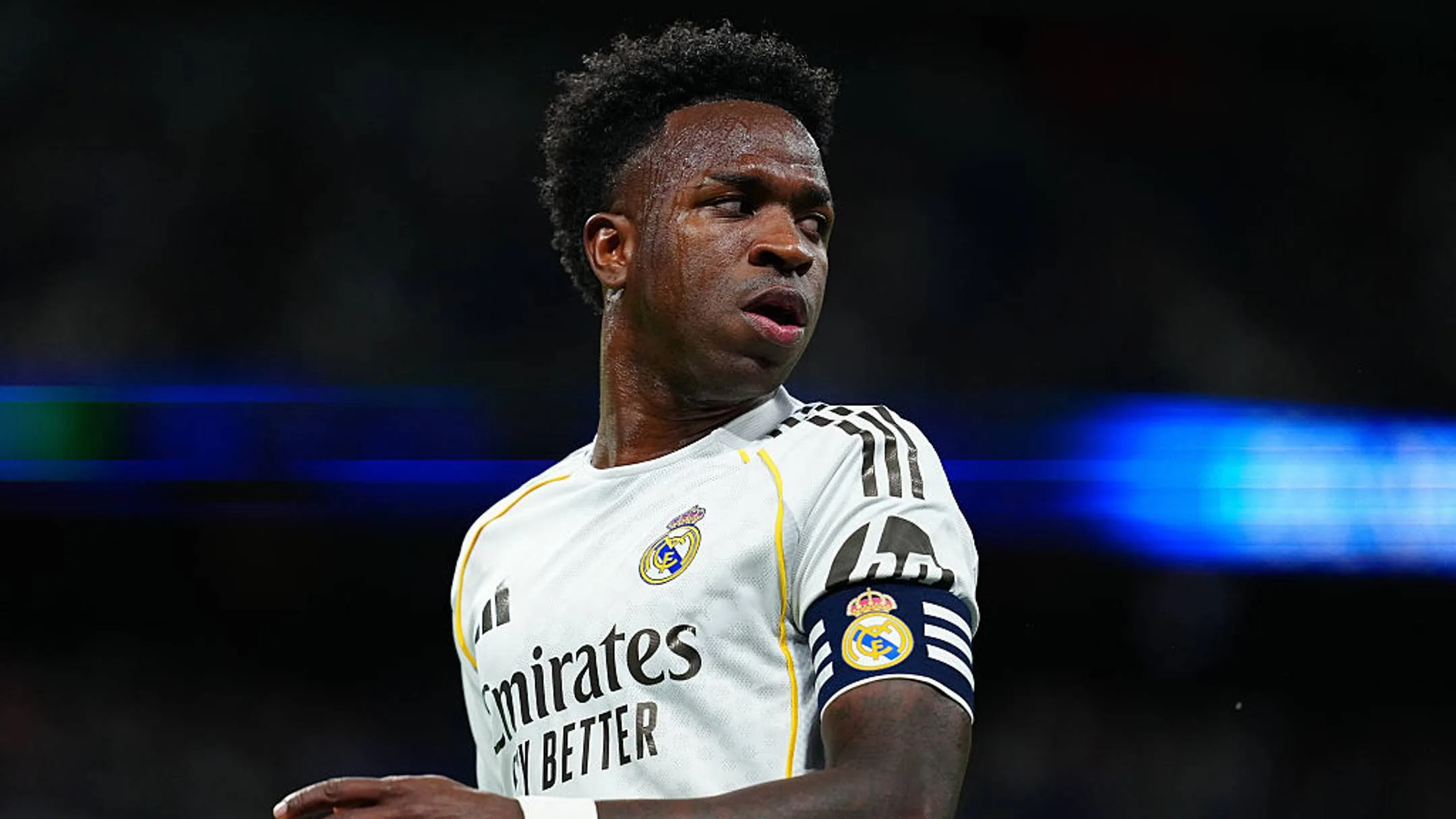
Real Madrid are prepared to set a club-record asking price for Vinícius Jr as they try to protect one of their most valuable assets from Premier League champions Arsenal.
The winger remains in contract limbo, with no club-to-club negotiations yet reported. Even so, it has been suggested that Arsenal have already made contact with Vinícius’s representatives as an initial move. Madrid, meanwhile, are understood to be facing a simple choice: renew or sell.
Should they decide to move him on, SPORT report that the Spanish club will not consider any offer below $182 million (€160 million). That figure would eclipse the current record sale, the €117 million move of Cristiano Ronaldo to Juventus in 2018.
Vinícius has consistently said he wants to remain at the Bernabéu, while president Florentino Pérez has stated that he wants the forward at the club for “the rest of his life”. Yet agreement has still proved difficult.
AS reports that Madrid expect contract talks to restart next week, once the player returns from his post-World Cup vacation. Before that meeting, Vinícius is said to want a conversation with new manager José Mourinho to understand the new project and where he fits into it.
Madrid have gone two seasons without a trophy, and Mourinho’s arrival has been presented as part of a wider shift after frustration on and off the pitch. AS also states that renewal talks were already “well advanced” before stalling after last summer’s Club World Cup, with the gap between the two sides now described as “minimal”.
The same report says Vinícius is seeking around €20 million ($23 million) net per season, down from earlier claims of a €30 million ($34 million) demand. His current deal, last renewed in 2022, is worth around €15 million ($17 million) net annually plus bonuses, including one tied to winning The Best FIFA Men’s Player award, which he did in 2024.
Madrid’s €100 million pursuit of RB Leipzig winger Yan Diomande is said to be separate. If Arsenal were to pursue Vinícius seriously, they would need to make him their highest-paid player by a clear margin, on top of paying a major transfer fee.
Manchester United Transfer News
United’s Koné hesitation meets Roma’s deadline pressure
United are weighing their midfield plans while Roma wait for a Koné decision before July 31.
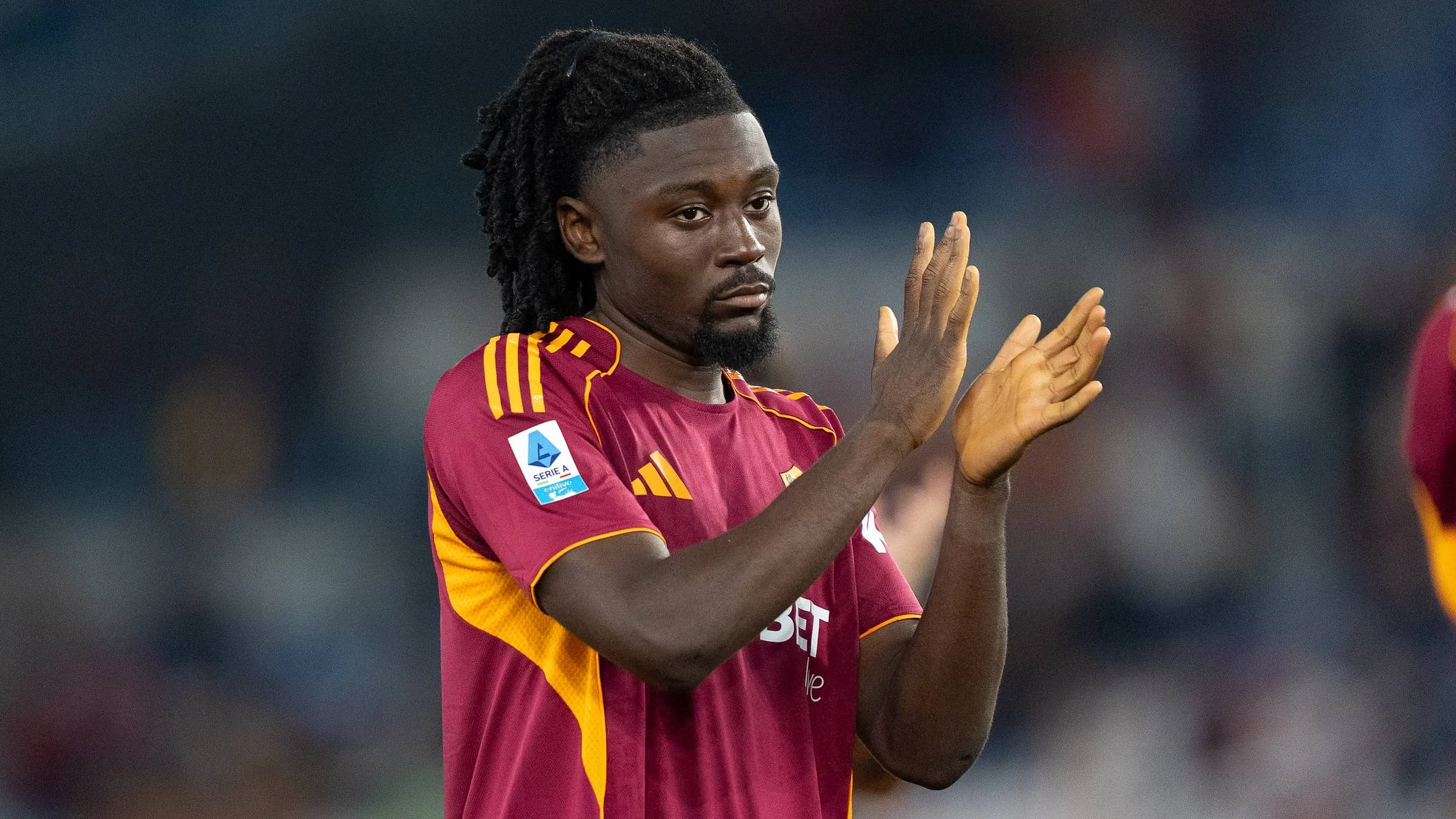
Manchester United’s pursuit of Manu Koné is being viewed in Rome as a test of timing as much as valuation, with the midfielder’s future linked to a fast-approaching deadline.
Reports from Corriere dello Sport suggest Roma are becoming increasingly impatient with United’s slow pace. The issue is not a lack of interest, but rather United’s preference to wait until they are satisfied a target represents the right value before moving forward.
That caution is colliding with Roma’s own financial reality. UEFA are scrutinising the club after a breach of Financial Fair Play regulations in the 2021-22 season, and a settlement reportedly requires Roma to raise around $57 million (€50 million, £43 million) before July 31. The expectation had been that Koné might already have been sold for that kind of fee, yet no move has come close to materialising.
Roma remain willing to sell, but only for a limited time. That leaves Koné, a France international, in an increasingly interesting position as United weigh their midfield options. The market contains several alternatives, including Aurélien Tchouaméni and Eduardo Camavinga of Real Madrid, as well as Premier League names such as Carlos Baleba of Brighton & Hove Albion and Bournemouth pair Alex Scott and Tyler Adams.
United, though, are still said to be undecided over their top target. Fabrizio Romano explained the situation clearly: “Man Utd spoke to the agents of [Koné],” Fabrizio Romano revealed. “Man Utd had concrete conversations with the agents of the player, but Man Utd are yet to reach out to Roma because they are yet to decide which player they want as defensive midfielder.
“So Man Utd have not started an official negotiation with Roma, have not sent an official bid for Manu Koné because of what they want to do in midfield.”