Manchester United
VAR Upheld United’s Second Goal After Mbeumo Arm Contact, Webb Says It Should Not Have Stood
Matheus Cunha’s goal stood after VAR review; Mbeumo’s accidental arm contact created the controversy.

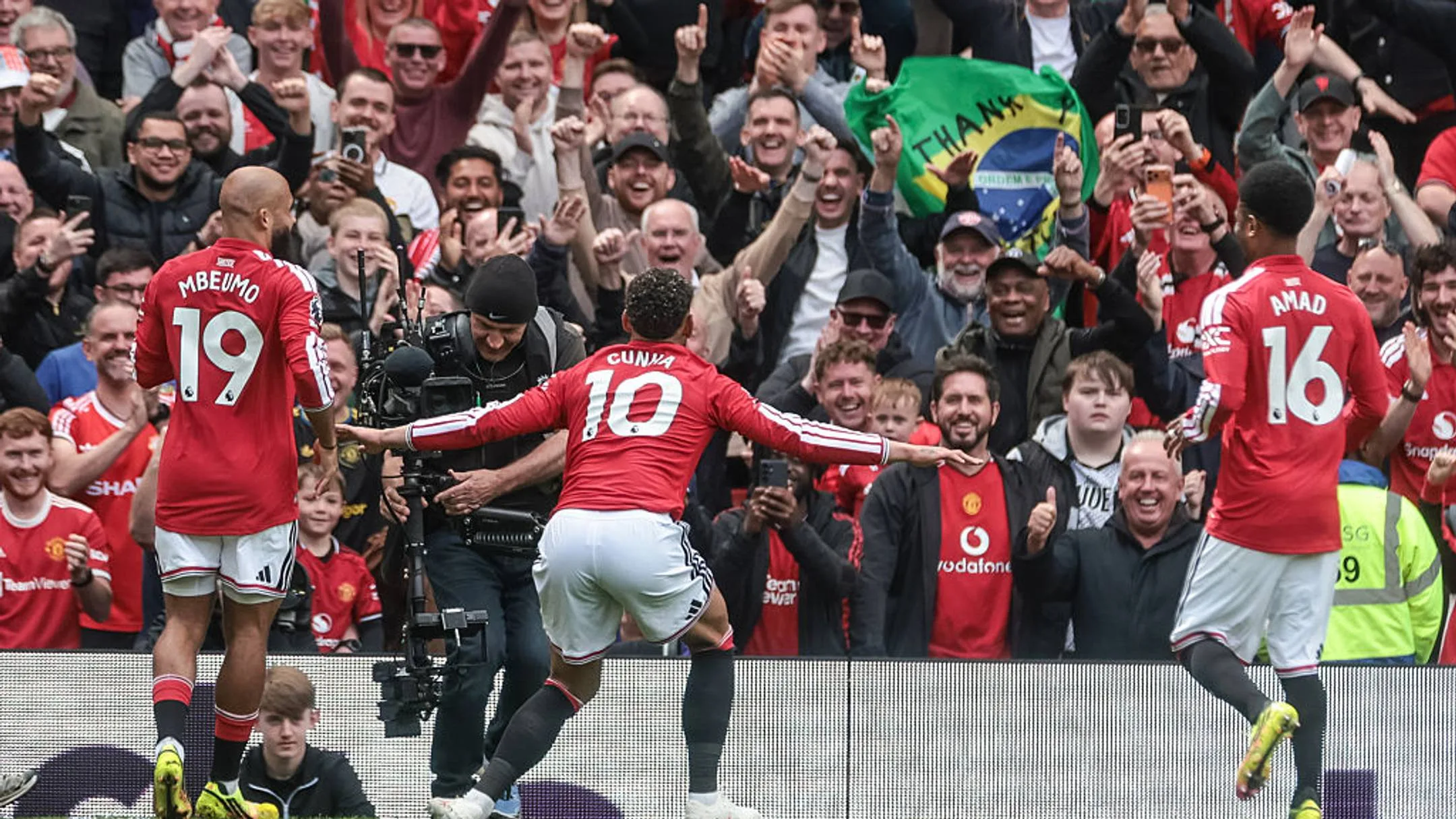
Manchester United’s second goal in Sunday’s 3–2 win over Nottingham Forest has become the centre of a rules debate after refereeing chief Howard Webb said it should not have counted. Matheus Cunha applied the finish that put United 2–1 ahead after a period of Forest pressure, but the decisive sequence began with Bryan Mbeumo’s shot.
Mbeumo’s effort was blocked and rebounded to Cunha after the Cameroonian forward had used his arm, albeit accidentally, to get the ball under control. The ball became trapped between Mbeumo’s hip and arm, which stopped it passing him. When Cunha found the bottom corner, celebrations were hesitant even though referee Michael Salisbury signalled for a goal.
A VAR intervention delayed the game for around three minutes and recommended the on-field official take another look. Commentating live for Sky Sports at the time, ex-United captain Gary Neville described the decision as “an absolute shocker in every single way.” The on-field decision remained unchanged and the referee announcement was clear: “After review, the decision of goal stands because the handball offence is accidental, therefore the final decision is goal.”
The issue rests on how the laws are applied. Only deliberate handball—“moving the hand/arm towards the ball”—is automatically an offense. Crucially, however, a player who “touches the ball with their hand/arm when it has made their body unnaturally bigger” is also deemed guilty of handball. Even though Mbeumo had no intention of using his arm in that moment, that it touched the ball in that position is still considered handball.
That distinction underpins the controversy. For Nottingham Forest there is an added frustration: had Mbeumo scored from his original shot before it was blocked and fell to Cunha, the decision to disallow the goal would have been far easier. The sequence leaves questions about interpretation and consistency in future VAR handball reviews.





Arsenal
Premier League’s longest-serving managers and the rapid reset shaping 2026/27
A summer reset has left the Premier League with a long list of new managers and just one clear outlier.
The Premier League remains a ruthless place for managers, and the 2026/27 season begins with that reality clearer than ever. A summer of upheaval has left dugouts across the division occupied by a fresh wave of appointments, while one club is still waiting to name a new head coach.
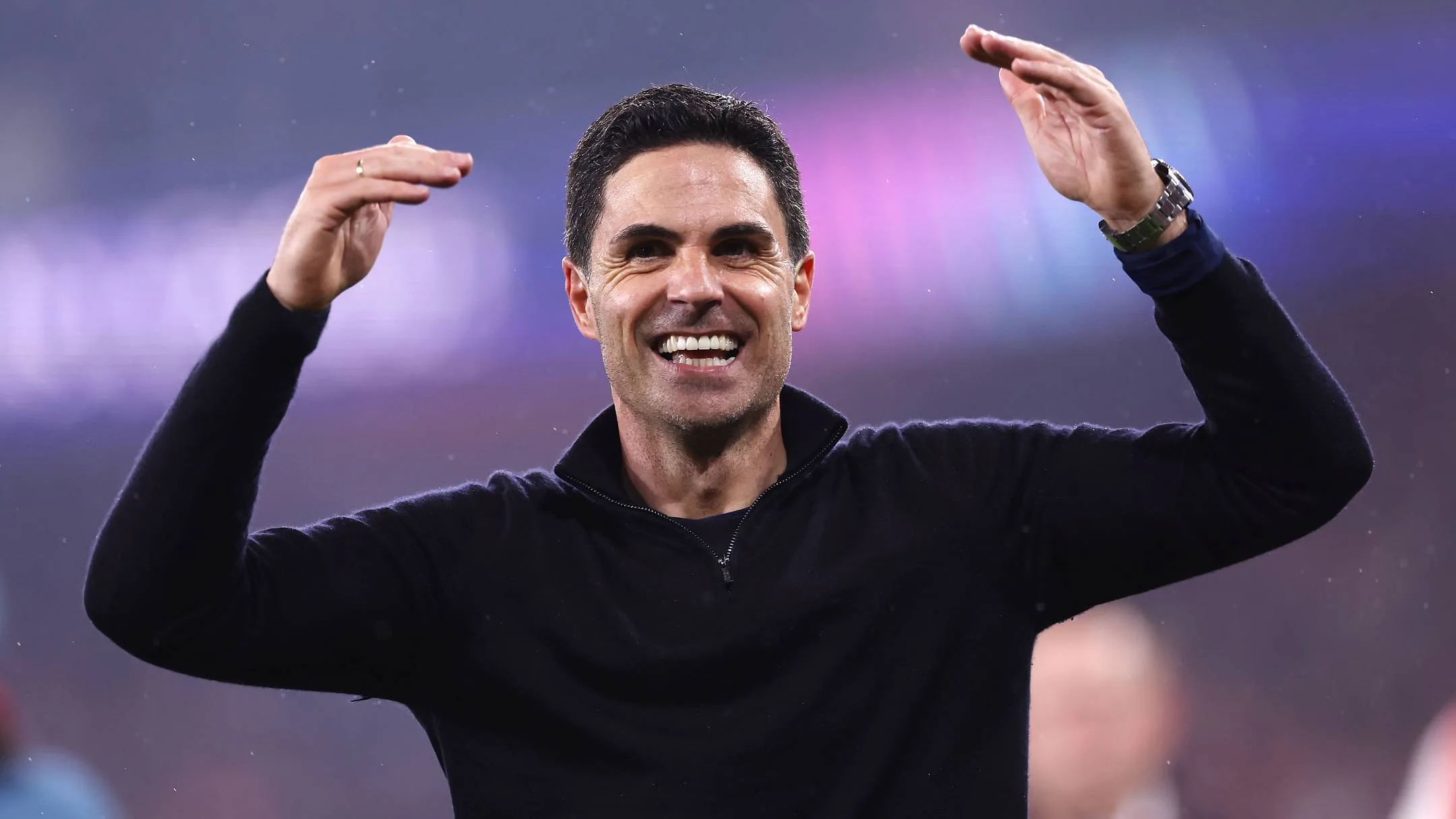
At the top of the list, Mikel Arteta stands alone as the league’s longest-serving manager. Appointed by Arsenal on Dec. 22, 2019, he has outlasted every other current rival and remains comfortably ahead of the pack. Behind him comes Unai Emery, who has been in charge of Aston Villa since Nov. 1, 2022, followed by Daniel Farke, who took over Leeds United on July 4, 2023.
Further down the rankings, the turnover becomes even more obvious. Régis Le Bris and Fabian Hürzeler both arrived in July 2024, while Frank Lampard, David Moyes, Sergej Jakirović, Keith Andrews and Michael Carrick all joined their clubs during 2024 and 2025. The list then tightens further still, with a cluster of appointments made only months before the new campaign.
There are notable cases throughout. Roberto De Zerbi, hired by Tottenham Hotspur on March 31, 2026, sits just outside the top 10. Michael Carrick is inside it after first being named interim Manchester United boss in January and then permanently hired in May. At the other extreme, Álvaro Arbeloa is the latest arrival, taking charge of Fulham on July 7 after an unsuccessful spell as Real Madrid boss.
A number of other clubs have also changed course recently, including Chelsea, Liverpool, Manchester City, Nottingham Forest, Ipswich Town, Crystal Palace and Bournemouth. Over half the division has turned to new managers in 2026 if Newcastle United are included, with the club still yet to appoint Eddie Howe’s successor.
For now, Arteta remains the benchmark for staying power in a league that rarely gives managers much time.
Manchester United
Agent confirms Manchester United talks for Orlando Gill amid transfer negotiations
Manchester United were named in talks as Orlando Gill’s agent outlined a transfer nearing completion.
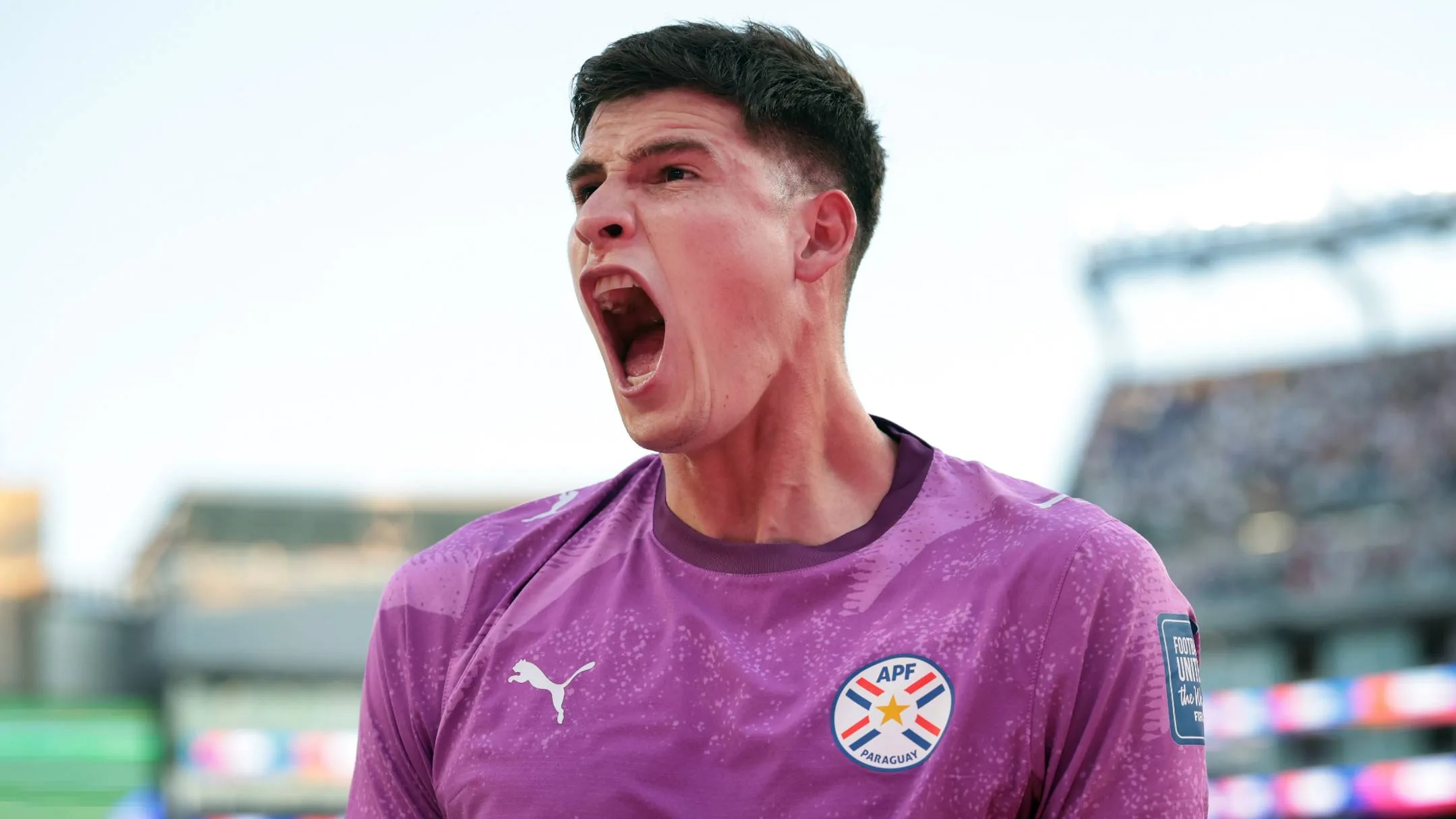
Orlando Gill’s agent has confirmed that Manchester United were among the clubs involved in early discussions over a possible move, while insisting the goalkeeper is at a stage where a transfer makes sense.
Mario Jara, speaking to DSports Radio, said the Paraguay international is in active talks with English and German clubs and that only two firm offers have been received so far. He added that negotiations are ongoing and that a move is drawing closer.
“We’re in talks with English clubs, as well as some in Germany. There were preliminary discussions with Manchester United . We’ve only received two concrete offers. We’re in the midst of negotiations,” Gill’s former club manager turned representative told DSports Radio .
Jara was equally direct about the timing. “The sale is close—now is the time. We have to handle this very carefully because there are a lot of factors involved. It’s the perfect opportunity for him to take a leap forward in his career. He’s ready and capable of playing in any league, without a doubt.”
Gill’s rise has been unusual and difficult. Only in September 2025 did he make his senior international debut, keeping a clean sheet as World Cup qualification was secured against Peru. His wife, Melissa Ávalos, later described the sacrifices behind that journey. “We had nothing, and Orlando sold his jerseys from the club where he was playing at the time to cover the expenses,” she said after the match. “Our son fought for his life, and his dad was always there. He sold everything.”
The goalkeeper had made only two top-flight appearances in Paraguay before a move to San Lorenzo’s reserves in a deal that raised questions. It took more than a year, along with a run of injuries, for him to make his professional debut, after which he kept his place.
At the World Cup, Gill’s reputation was tested after conceding four against the United States. Jara admitted the response was intense: “Everything he went through at the World Cup wasn’t easy, especially the 4–1 loss to the United States,” he said. “A lot of influential people spoke out.”
Gill responded by keeping clean sheets against Türkiye and Australia, then starring in the knockout rounds. Against Germany, he made six saves and denied Kai Havertz and Nick Woltemade in the shootout. France were beaten too, though Kylian Mbappé did score from the spot after Gill tried to unsettle him, and later refused to shake his hand.
Even with Manchester United named, a move to Old Trafford still looks unlikely.
Man Utd Transfer News
Rashford’s transfer stance leaves United with a narrow set of outcomes
Rashford wants only elite Europe or United, leaving Manchester United’s summer plans in doubt.
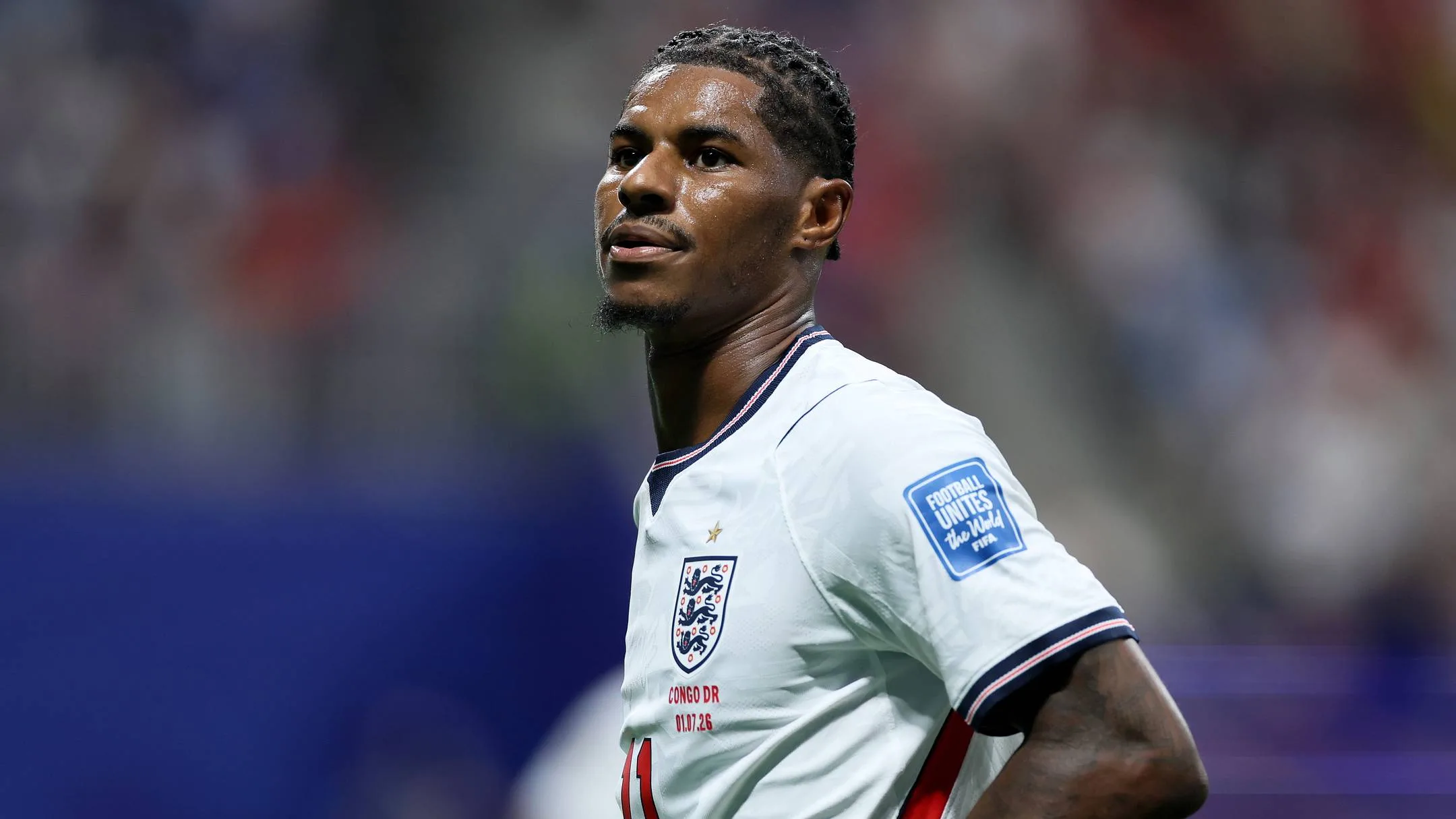
Manchester United’s intention to move Marcus Rashford on this summer has run into a familiar obstacle: the forward’s own standards.
Reports have narrowed the picture around the England international, with Fabrizio Romano indicating that Rashford is only open to two outcomes in the window. He would either join a “top, top, top” club in Europe or stay at United.
That position leaves the club in a difficult spot. Rashford, now 28, is not believed to be interested in stepping down a level, which immediately removes much of the market from consideration. In England, United’s decision to exclude Manchester City and Liverpool from Rashford’s release clause makes a move to either domestic rival look impossible. Arsenal could still be a possibility, while Chelsea are not expected to enter the discussion because of their lack of Champions League football.
Elsewhere, the options remain limited. Barcelona are not thought to be in line for another deal after bringing in both Anthony Gordon and Karim Adeyemi, while Real Madrid have no obvious need for another winger, particularly with Yan Diomande from RB Leipzig expected to arrive.
That leaves Bayern Munich and Paris Saint-Germain as the two clubs most often mentioned as possible destinations. Both have previously held an interest in Rashford, yet neither has shown any sign of pushing ahead with a move this summer.
Inter and Atlético Madrid can be included in the wider conversation, but there has been no exploration of a deal from either side.
United had started planning for Rashford’s return towards the end of last season, when Barcelona’s position on keeping him became uncertain. His exile came under former manager Ruben Amorim, who is no longer in charge at Old Trafford.
Michael Carrick now holds the role and is understood to be open to a reunion. He is expected to have Rashford back in preseason training in the coming days after a rest following the World Cup.

Garnacho’s social post after Aston Villa debut raises eyebrows over Chelsea exit

One priority signing each Premier League club should target before the window closes