
Football Development
Munich 1958: How the Busby Babes Were Lost and the Club Rebuilt
Munich 1958 shattered the Busby Babes and set Manchester United on a painful, determined recovery….

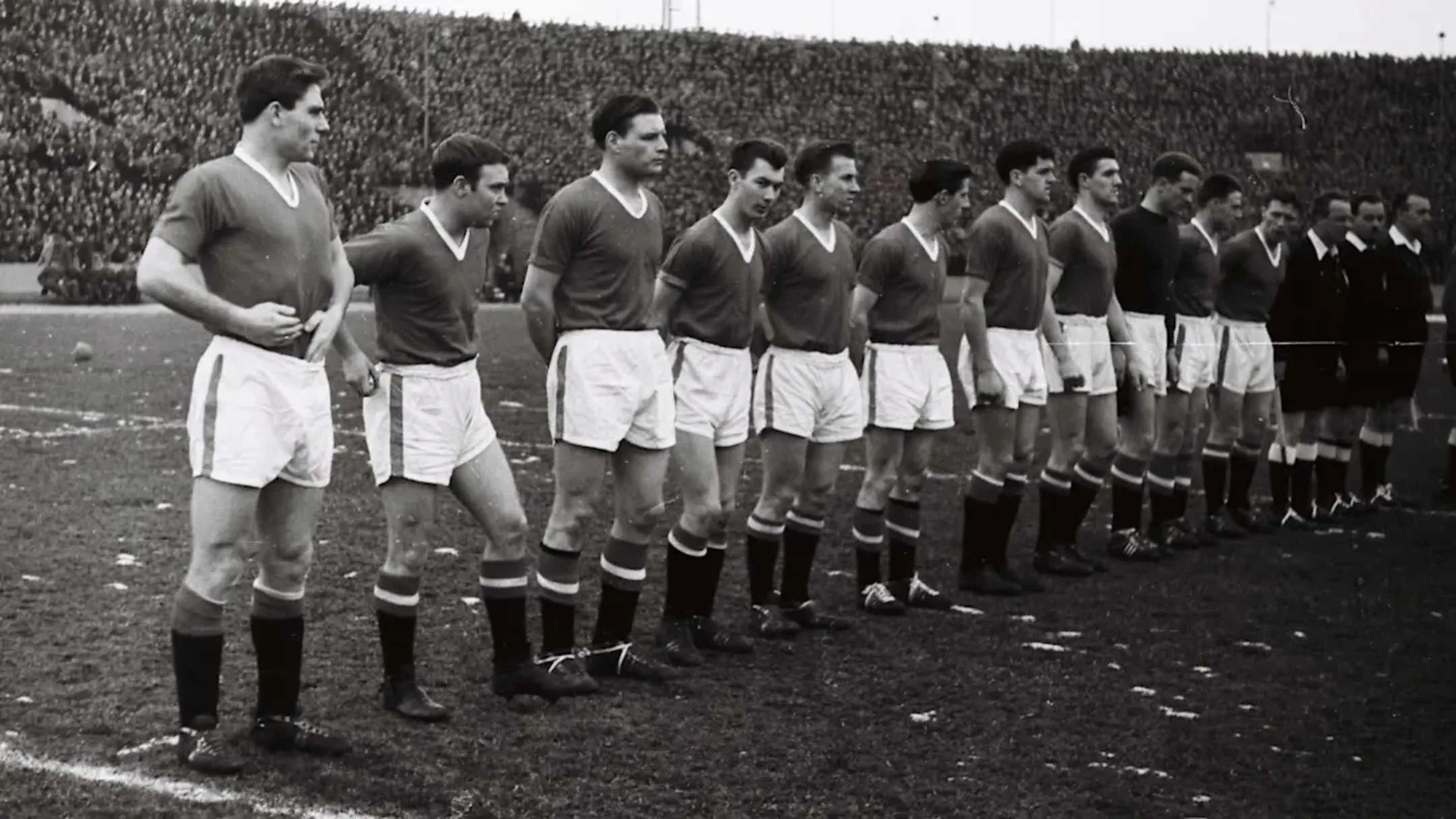
The Munich Air Disaster of 1958 remains one of football’s defining tragedies. Of the 44 people on the flight from Belgrade to Manchester that stopped in southern Germany, 23 died. Eight of the 17 players in the travelling Manchester United squad died and two more never played again because of their injuries.
Roger Byrne, Eddie Colman, Mark Jones, David Pegg, Tommy Taylor and Liam Whelan were killed instantly. Geoff Bent also died after travelling as extra cover. Duncan Edwards, the great star of the side, died from his injuries 15 days later. Edwards, Colman, Pegg and Whelan were all 22 or younger. Jones was 24, Taylor was 26, Bent was 25 and Byrne, the captain, was 28.
Johnny Berry suffered a fractured skull, broken jaw, broken elbow, broken pelvis and broken leg and never played again. Multiple serious injuries also ended Jackie Blanchflower’s career. Three of United’s staff, trainers Bert Whalley and Tom Curry, and club secretary Walter Crickmer, also died. Matt Busby was badly injured and twice read the Last Rites in Munich before recovering and returning to Manchester in April. He contemplated quitting football until he was persuaded to continue in pursuit of European success so those who had died had not done so in vain.
Jimmy Murphy, who rebuilt the club in Busby’s absence, was not on the plane; he had stayed behind to fulfil a Wales managerial commitment in a World Cup qualifying playoff against Israel in Cardiff. His role is recounted in Wayne Barton’s biography The Man Who Kept the Red Flag Flying.
United’s rise under Busby grew from a youth policy begun with the Manchester United Junior Athletic Club in 1937. The team known as the Busby Babes reclaimed the league in 1955/56 and retained it in 1956/57, dominating domestically by large margins. When United entered the European Cup they reached consecutive semi-finals, recording a 10-0 win over Anderlecht at Maine Road and notable victories against Borussia Dortmund and Athletic Club before falling to Real Madrid 5-3 on aggregate.
Charlton later reflected: “Matt Busby had declared that [European football] was the future of the game and here, in this match, was the hardest evidence that he was right.
“United versus Bilbao had produced the best of football, some brilliant skill and a razor edge of competition. Charges that United had got above themselves were promptly withdrawn.”
Survivors such as Bobby Charlton, Bill Foulkes and Harry Gregg formed the core of the rebuilt side. Troubled by survivor’s guilt, Charlton went on to become one of the best players in the world and was consistently nominated for the Ballon d’Or throughout the 1960s.




Football Development
Guardiola to Join City Football Group in Advisory Capacity After Man City Exit
Guardiola will move into a City Football Group role, advising on development across multiple clubs. .
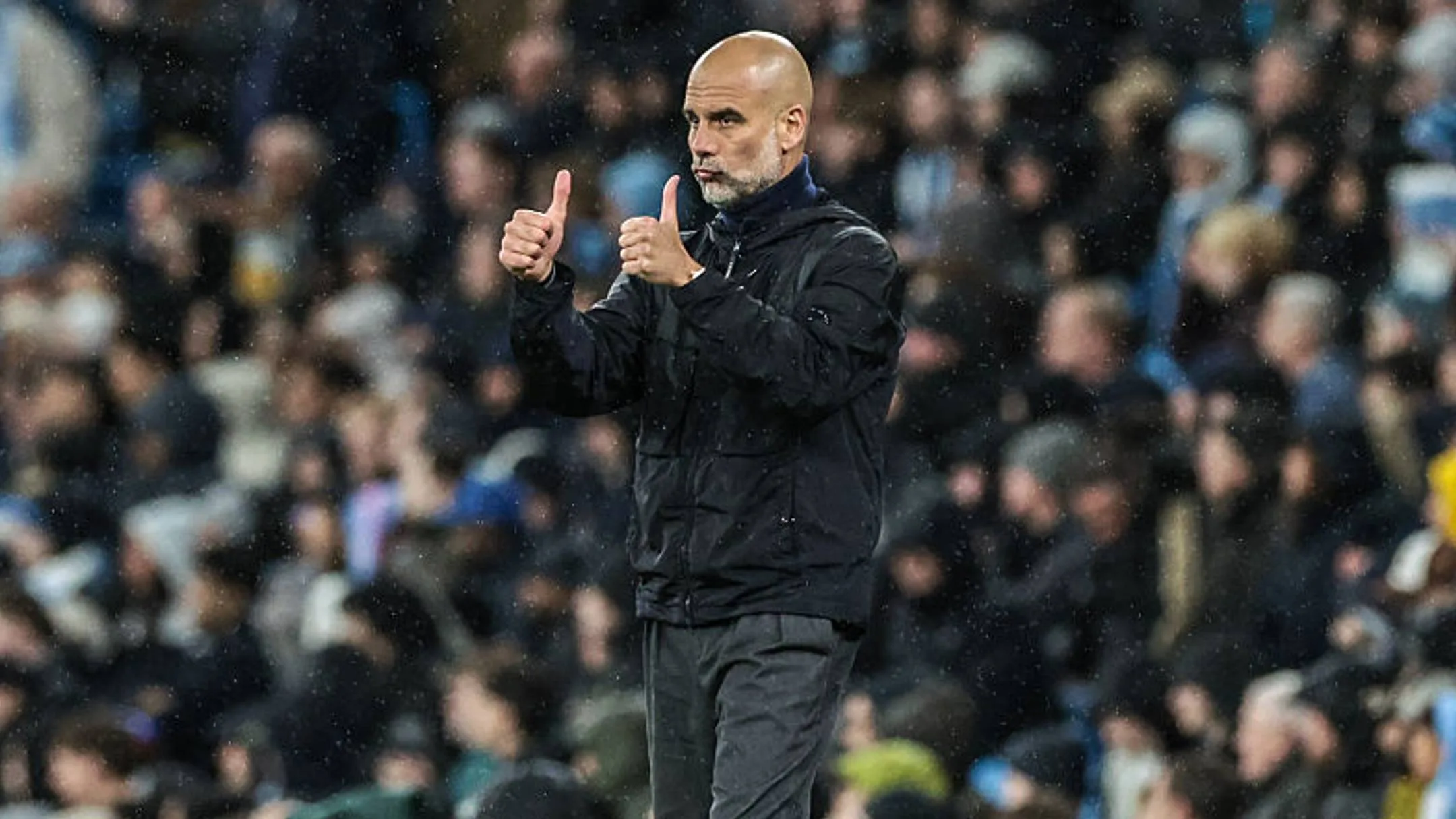
Pep Guardiola will move into an advisory role with the City Football Group after leaving Manchester City at the end of this season. City say he will be “working on specific projects and collaborations.”
The role is described as promoting and advancing the profile of the City Football Group and may also involve applying Guardiola’s knowledge to help processes across the network in Asia, North America and Europe. That work could include identifying, coaching and developing talent at CFG clubs, with the longer-term aim that standout players might eventually be considered for Manchester City. Savinho the biggest success story in that respect to date, having joined City from a fellow CFG club after being on loan with a third.
City Football Group is made up of 11 clubs spread around the world, a mix of wholly owned teams and those held as majority or minority stakes. Notable examples named by the club include New York City and Melbourne City, the first two acquisitions, and Girona, acquired via a 2017 joint-ownership venture with Pere Guardiola. Troyes was bought in 2020 and Palermo in 2022. The group has also held stakes in clubs such as Yokohama F. Marinos and Lommel, and Esporte Clube Bahia is listed among the stable. Mumbai City is noted as a former member, leaving the group in 2025 after six years.
Even with this confirmed CFG position, there is no suggestion Guardiola will stop managing for good. The 55-year-old is expected to take at least a short break from day-to-day duties. The club say he could remain involved with City Football Group if he returns to management, provided there are no conflicts of interest.
The move represents a transition from daily team management to a strategic, multi-club remit, keeping Guardiola connected to the wider organisation he helped build while leaving open the possibility of a future return to coaching.
Football Development
JJ Gabriel: Under-18 Player of the Season and the pathway to United’s first team
JJ Gabriel, 15, won the first Under-18 Premier League Player of the Season award for United. record.
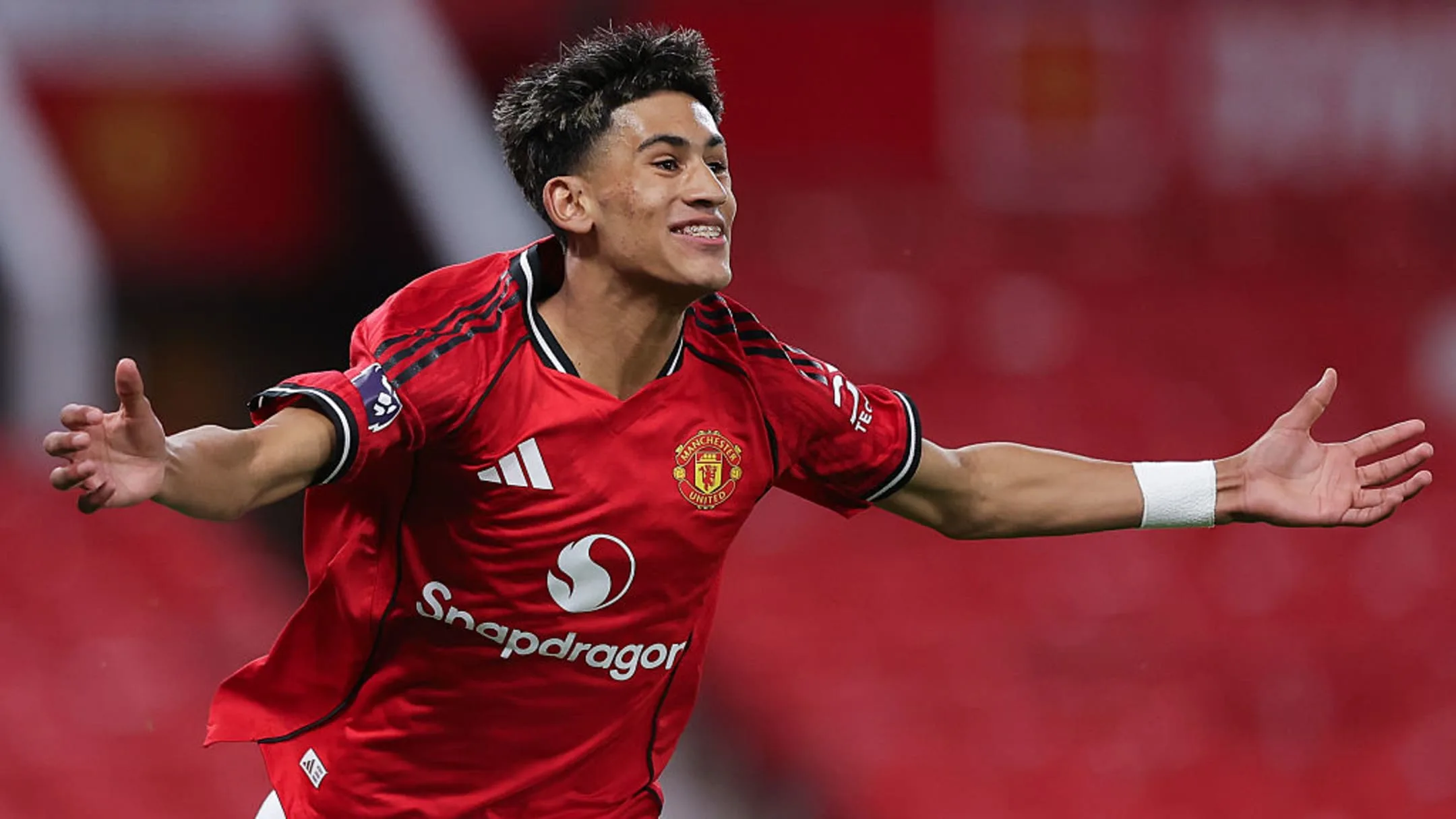
JJ Gabriel has been named the inaugural Under-18 Premier League Player of the Season after a breakthrough campaign at the age of 15. The award acknowledges performances that have already seen Gabriel training with Manchester United’s senior squad on multiple occasions this season.
Discussion about the immediate next steps has centred on the summer preseason tour, which will visit Finland, Norway, Sweden and Republic of Ireland. Additional safeguarding would be required because Gabriel will not turn 16 until October. Under-18s manager Darren Fletcher said the final call will rest with people higher up the club, but he made his position clear. “JJ’s more than capable [of going on preseason],” he said.
Fletcher added further context about managing young players around senior exposure. “We want him to go up there and thrive. We need to get him in the position to do that, and even if he doesn’t, that’s not the end of the world. We always need to be careful. They need to experience that, but it’s making sure it’s at the right time, and understanding why and what the needs are. Once you get thrown in, you’re judged very, very quickly, rightly or wrongly.”
Regulation means Gabriel cannot appear in Premier League fixtures during the same campaign in which he turned 15, which occurred in October. That restriction makes a competitive senior debut no earlier than next season. A first-team appearance on or before Oct. 24, 2026 would see Gabriel surpass the long-standing club record set by David Gaskell, who debuted aged 16 years and 19 days in 1956.
Other age-related milestones cited in context include Angel Gomes, who Premier League–debuted at 16 years and 263 days in 2017; Chido Obi, named in a Premier League starting XI last season at 17 years and 156 days; and Norman Whiteside, United’s youngest goalscorer at 17 years and eight days in 1982. All of those marks are described as attainable targets for Gabriel.
Beyond the statistics, Gabriel’s own remarks underline his outlook. “I’d say [the Academy] helped me mature a lot. They help me to be very humble and keep my feet on the ground,” he said. “I’ve got to say you’ve got to maintain working out on the training pitch every single day, giving it my all and working hard in the gym to stay fit and not get injured.” Fletcher’s praise for his attitude reinforces that the club sees both talent and temperament in the teenager.
Football Development
How a Proposed FIFA Homegrown Rule Would Reshape Premier League Squads
FIFA will propose a homegrown rule that could force Premier League clubs to start more U21s. In 2026
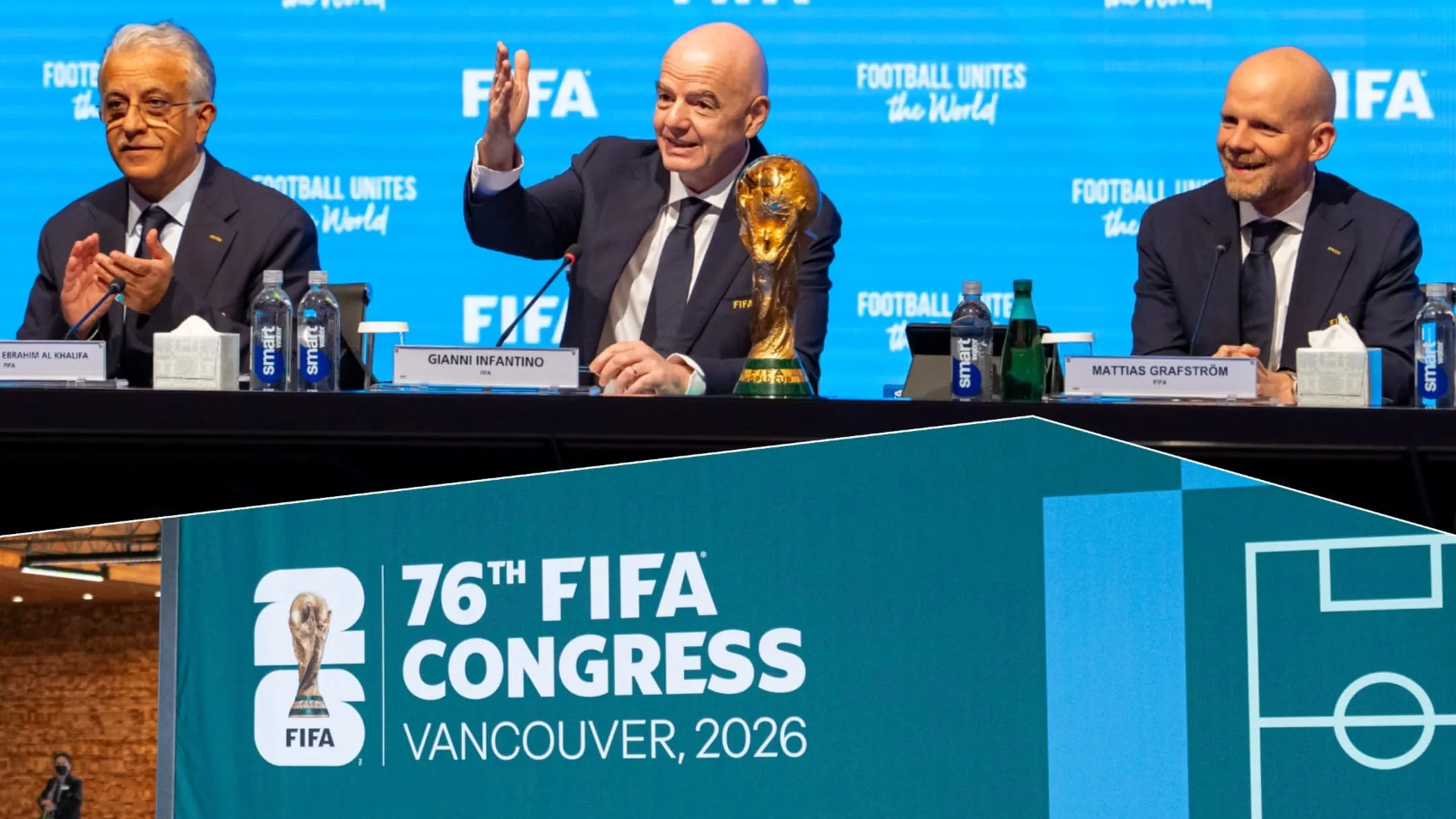
FIFA plans to submit a proposal within the next year that would tighten the role of homegrown players and shift the priorities of many clubs. The precise definition of “homegrown” has not yet been determined, but the aim is clear: to accelerate the development of younger players and change how squads are assembled.
Under the current Premier League requirement a 25-player squad may include “no more than 17” players who are not homegrown, leaving eight slots reserved for locally trained talent. That rule does not mandate how often those players must appear on the pitch. A similar provision exists in the UEFA Champions League. Both competitions currently define a homegrown player as one who has played at least three full seasons between the ages of 15 and 21 within a club or another club in the same country.
The proposed change would alter more than registration lists. It could influence substitution patterns, transfer-window activity and long-term roster construction. Clubs might be deterred from importing large numbers of veteran stars and instead invest greater resources in their youth systems. For teams that rarely field young homegrown starters, the adjustment would be significant.
There are four Premier League teams that have not included a homegrown player under 21-years-old in their starting lineup this season: Brentford, Leeds United, Aston Villa and recently-relegated Burnley. Those clubs would be among the most affected, facing the task of accelerating development or finding new young talent quickly.
By contrast, Manchester City would be best placed. Thirty of their 33 league matches so far included a U21 homegrown player in the starting XI, per The Times. Nico O’Reilly, 21, worked his way up City’s youth ranks since the age of eight and has started 26 league matches this season.
Manchester United are also relatively well positioned. Twenty of their 34 league games featured a U21 homegrown starter, with Kobbie Mainoo influential. The 21-year-old has made 12 starts in the last 13 league matches, shining under interim manager Michael Carrick’s tutelage.


-
 Chelsea2 months ago
If Xabi Alonso Took Charge at Chelsea: Formation, Principles and a Projected XI
-
 Arsenal2 months ago
Five leading contenders for 2025/26 Premier League Player of the Season
-
 Championship2 months ago
The Fall of Leicester: How Financial Choices, Recruitment and Instability Led to League One