Borussia Dortmund
Watzke: Haaland Admires Real Madrid but a Move Would Be Years Away
Watzke says Haaland admires Real Madrid and could move in two to three years, not immediately. Soon.

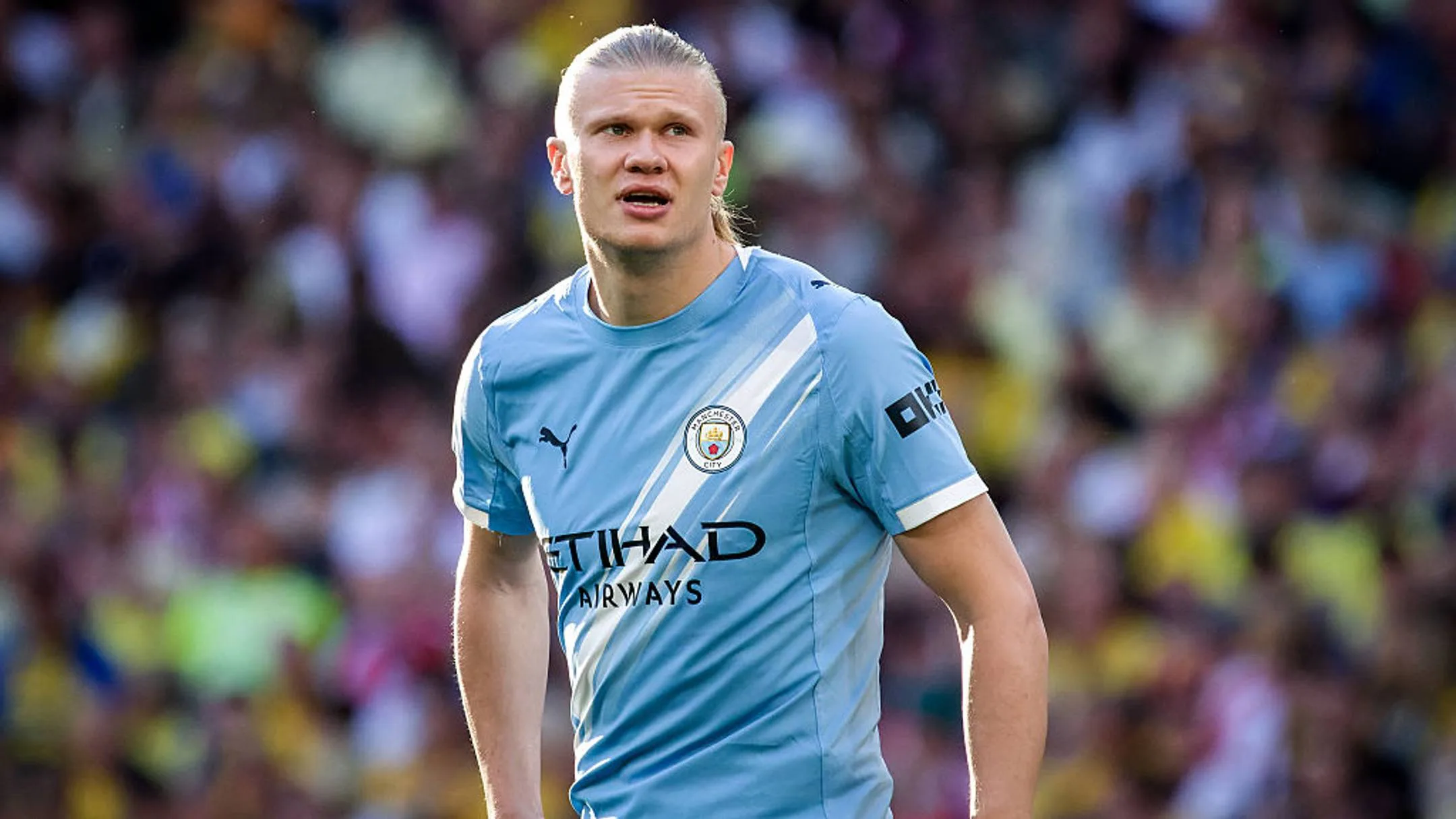
Hans-Joachim Watzke, the long-serving Borussia Dortmund president who recruited Erling Haaland, has outlined a measured timeline for the Manchester City striker’s potential move to Real Madrid.
Watzke told Spanish publication AS that Haaland’s admiration for Real is clear but that an immediate transfer is unlikely. “I know very well what he thinks, and I can say that he certainly admires Real Madrid and would like to play for them in the future, but next season he will continue playing for Manchester City. Without a doubt,” he said. Watzke added: “He loves Real Madrid and he doesn’t hide it. I think he’ll be playing there in two or three years, but not that soon. He hasn’t committed to anyone, as his father has said.”
The comments come amid an overheated backdrop at Real Madrid, where presidential hopeful Enrique Riquelme named Haaland as a target if he were to replace Florentino Pérez. That pledge was emphatically rejected by the player’s representatives and by Manchester City, which denied any “contractual clause to enable it” and said it was even “considering legal action for the use of our player image in this context.”
Haaland’s agent, Rafaela Pimenta, told La Sexta in March: “Everything is going very well for him and we really have nothing to discuss about a transfer when everything is so good at City.” Pimenta has previously said she has never negotiated a player contract without a release clause, but City’s statement and her own admission to ESPN last month that the club gives her “no leverage” have cast doubt on that claim.
With a contract that extends for years at Manchester City, any transfer would require an extraordinary offer or the player pushing for a move. Watzke’s forecast — a switch within two to three years rather than immediately — reflects those practical constraints.
Elsewhere, the Real Madrid vote on June 7 will determine the club’s leadership, a result that could affect future managerial plans. José Mourinho is reported as the candidate to take a three-year managerial deal only if Pérez is re-elected, while Riquelme has named Jürgen Klopp as his choice. Watzke regards Klopp joining Real Madrid this summer as a non-starter.

Al Ahli
Yashin Trophy 2026 shortlists reveal established names and fresh contenders
The 2026 Yashin Trophy shortlists are out, with new contenders joining familiar goalkeeping names.
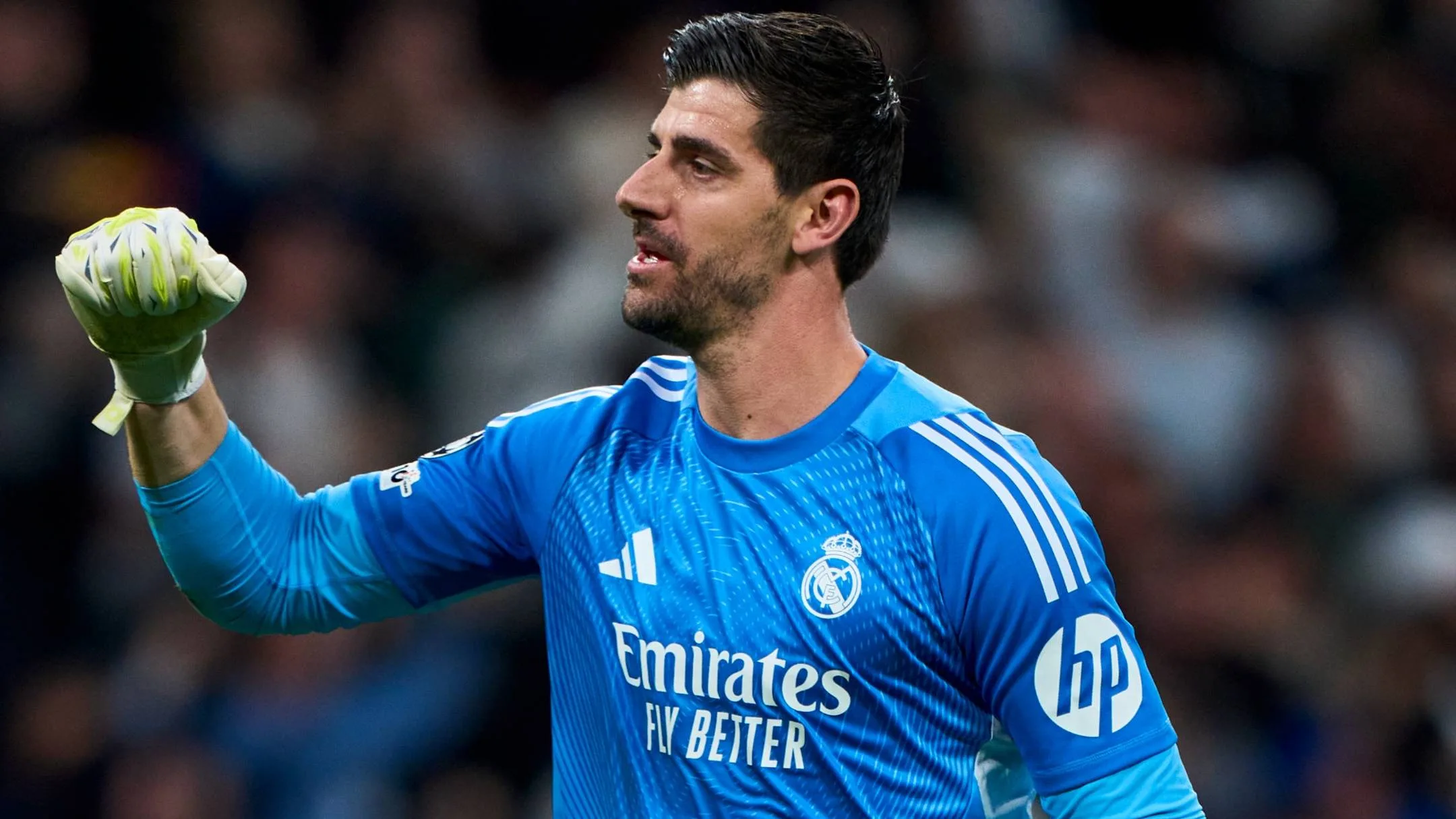
The 2026 Yashin Trophy race has taken shape, with 10 men and five women named on the latest shortlists for football’s top goalkeeping honour.
There will be a new men’s winner this year after Gianluigi Donnarumma, who led the rankings in 2025, was not included among the nominees. That opens the door for a wide-open contest featuring several familiar figures and a few first-time entrants.
Thibaut Courtois is again in the mix, underlining the standing he has built over several years. Barcelona’s Joan García has also earned a first nomination after a season that put him firmly among the leading candidates. Arsenal’s David Raya, last season’s Premier League Golden Glove winner, is on the list too, while Emiliano Martínez returns to the spotlight after being nominated for his work with former employers Aston Villa and later joining Chelsea this summer.
The men’s shortlist also includes Matvey Safonov and Gregor Kobel, plus the Saudi Arabia-based pair of Yassine Bounou and Édouard Mendy. Unai Simón is recognised after helping Spain to World Cup glory, while Vozinha completes the lineup after another notable campaign at 40 years old.
Courtois and Martínez have both lifted the prize before, with Martínez a two-time winner in 2023 and 2024.
On the women’s side, Hannah Hampton is back after becoming the first winner of the Women’s Yashin Trophy last year. She is joined by Ann-Katrin Berger and Cata Coll, who finished second and third in the inaugural edition. Manchester City’s Ayaka Yamashita and Kansas City Current’s Lorena complete the women’s shortlist.
The full lists confirm a competition that mixes proven pedigree with new challengers, and the final outcome now depends on which goalkeeper can turn nomination into the highest honour.
Arsenal
Nwaneri’s Dortmund loan underlines Arsenal’s long-term view
Nwaneri joins Dortmund on loan as Arsenal keep faith in the academy graduate for the future.

Ethan Nwaneri has left Arsenal for Borussia Dortmund on a season-long loan as he seeks more regular football in 2026/27.
With competition for places once again fierce at Arsenal, the Premier League’s youngest-ever appearance-maker will continue his progress away from north London for the coming campaign.
Dortmund offer him a significant platform. The attacking midfielder joins a side aiming to challenge Bayern Munich for the Bundesliga title and remain competitive in the Champions League. BVB began their league season with a 2-0 win over Hamburg and have made a point of targeting young signings this summer as they look to reinforce their standing as one of Europe’s leading developers of talent.
The move has come after summer arrival Giannis Konstantelias suffered an ACL tear on his competitive debut for Dortmund last Saturday.
According to Fabrizio Romano, the German club will cover Nwaneri’s full salary during the loan.
Arsenal’s stance, though, makes the deal noteworthy for what it does not include. There is no buy option or obligation attached, leaving the Gunners clear in their belief that the academy graduate remains part of their future.
Nwaneri had been linked with a departure throughout the summer, while his compatriot and fellow teenager Myles Lewis-Skelly was also the subject of exit talk. Even so, the reigning Premier League champions resisted any permanent sale of either player.
For Nwaneri, the opportunity at Dortmund should provide valuable minutes and an environment built around youth. If the loan goes well, it could strengthen his case for a return to Mikel Arteta’s first-team plans.
Barcelona
Flick’s comments underline Barcelona’s early concerns after Adeyemi debut
Flick questioned Adeyemi’s debut and noted Rashford’s impact has already shaped Barcelona’s plans.

Hansi Flick has made it clear that Barcelona are still assessing Karim Adeyemi’s place in the squad after a debut he felt fell short of the standard expected. The forward featured against Birmingham City just eight days after completing his move from Borussia Dortmund, and Flick was candid in his view of what followed.
“Karim, some things he did were not that good. I think he has more potential to show, but he is still in the first week of training so that’s normal,” Flick summarized. “I’ve seen a better Karim in training with his speed and finishing, but he has a lot of potential and can give us a lot.”
Adeyemi has arrived to add depth on the flanks, in a similar way to Anthony Gordon, but the routes to regular minutes are different. While Gordon could eventually stand in for Raphinha on the left, Adeyemi faces a much tougher task on the right because Lamine Yamal occupies that role. His most realistic work is expected to come in less demanding La Liga fixtures, especially those placed between Champions League weeks, along with Copa del Rey ties. A sustained run would likely depend on injury to the teenager.
That makes the need for immediate impact all the more important when Adeyemi does get opportunities. Barcelona’s recent standard in that backup role was shaped by Marcus Rashford, whose 28 goals and assists in all competitions proved valuable whenever Yamal or Raphinha were unavailable. Even so, reports late last season suggested the Catalans still wanted more from him without the ball.
A permanent move for Rashford never made enough financial sense when Gordon was available on a similar annual cost, and the 28-year-old has already accepted that he will not be back at Camp Nou for 2026-27 now that Adeyemi has also arrived. Even so, his spell appears to have left an impression on Flick.