Chelsea
Foreign Stalwarts: Non-English Players Who Became Premier League Mainstays
Non-English players became Premier League mainstays through longevity consistency and contributions.

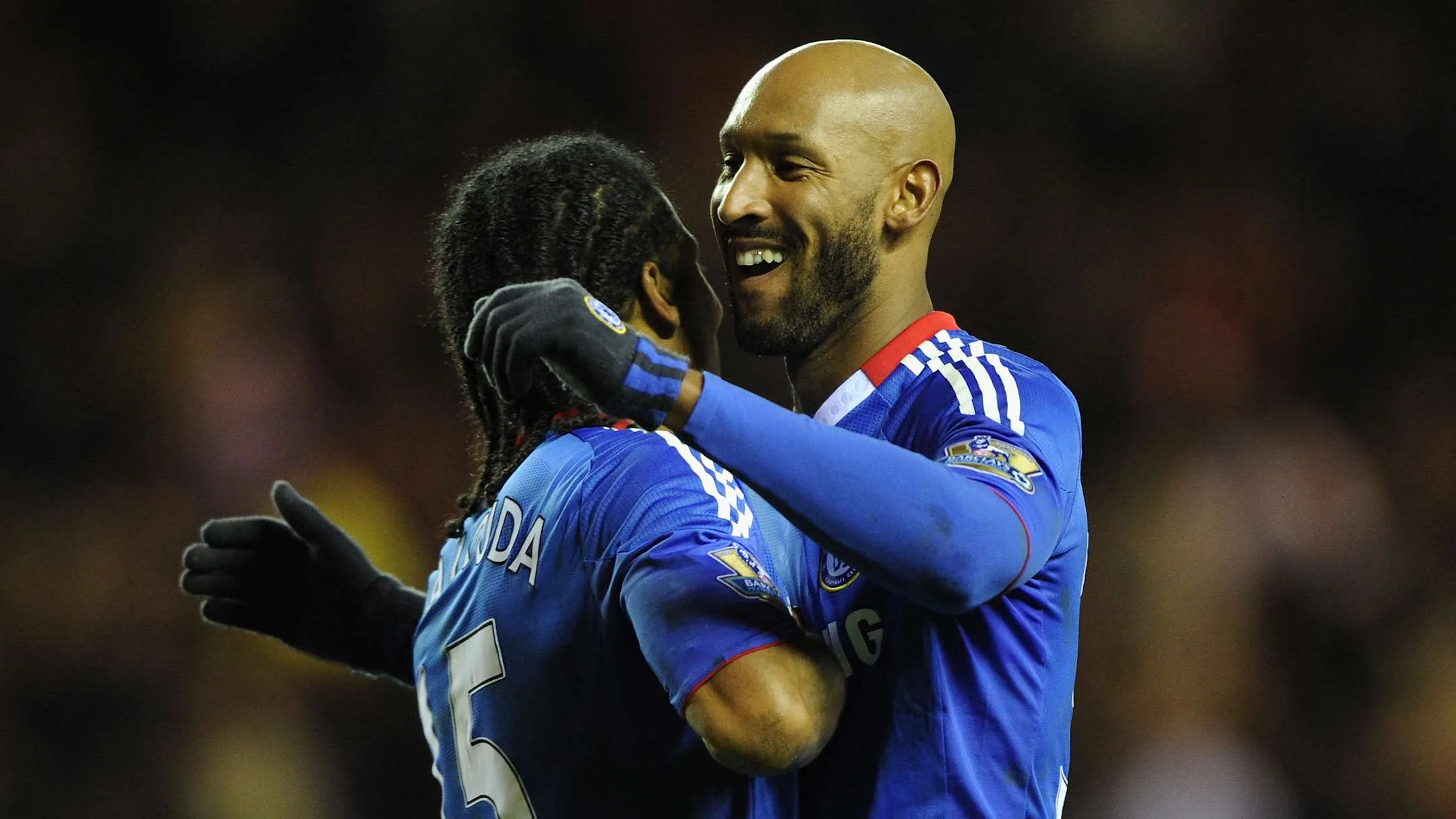
Since 1992 the Premier League has been defined by English talent and by players from abroad and neighboring nations who provided steadiness season after season. Some of the competition’s most trusted appearance makers are not English, with many racking up matches after arriving from overseas or from Wales, Scotland, Northern Ireland and the Republic of Ireland.
Schwarzer arrived as a dependable presence and proved something of a lucky charm in the top flight. The former Bradford City man played his part in Boro and the Cottagers reaching UEFA Cup/Europa League finals, and he even ‘won’ the Premier League twice—with Chelsea and Leicester—despite not making a single league appearance in either title-winning campaign.
Sylvain Distin was a Premier League stalwart for years, retiring in 2016 at the age of 38. His first venture in England was a season-long loan with Newcastle United that led to a permanent move to Manchester City. He went on to captain the future Premier League champions prior to their big-money investment, then enjoyed a two-year spell at Portsmouth that yielded FA Cup success. Everton benefited from Distin’s prime extending into his 30s and he made almost as many appearances for the Toffees as he did for City—174 in six seasons.
Ryan Giggs’s record of 13 Premier League title wins with Manchester United will probably never be bettered. The Welshman was already an established United player when the Premier League kicked off in 1992–93, and he was a key figure for Sir Alex Ferguson as the club rose to the top of the country. Later in his career Giggs converted into a central midfielder and produced some of his best football. Winning the PFA Players’ Player of the Year award in the 2008–09 season at age 35 was followed by another two Premier League titles prior to his retirement in 2014.
Forget Arjen Robben, Damien Duff was the real star winger in José Mourinho’s early Chelsea sides, yet he’s often underrated and not given the credit he deserves. A pacy, consistent performer, Duff rose to prominence at Blackburn Rovers as a natural left winger, terrifying right backs with his running and superb delivery. Goals followed and Chelsea came calling after the Roman Abramovich-led takeover in 2003. Duff was instrumental in Chelsea winning the Premier League two seasons in a row before being phased out. Newcastle United were the next stop in his 18-year top-flight career, followed by Fulham and then a move Down Under.





Chelsea
Joao Pedro explains why he stayed with Chelsea despite Arsenal and Barcelona interest
João Pedro has explained why he ignored Arsenal and Barcelona to commit his future to Chelsea.
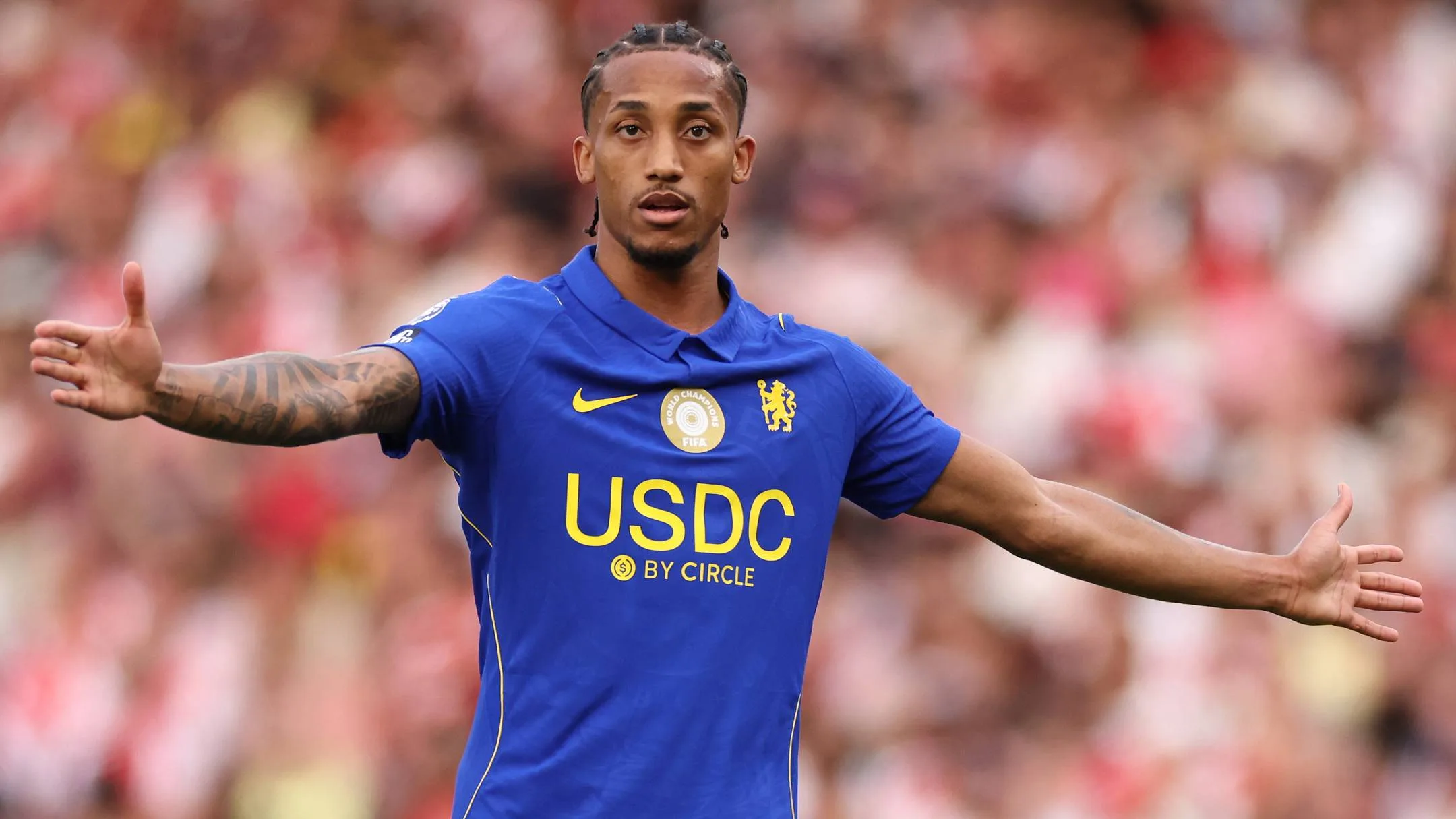
João Pedro has set out why he committed his future to Chelsea, despite strong summer interest from Arsenal and Barcelona. The forward said his decision was driven by belief in the club’s direction, even with rival options offering immediate appeal.
In a market short of proven centre forwards, Pedro became a target for several elite sides. Arsenal and Barcelona were both linked with the 24-year-old, viewed by each as an alternative to Julián Alvarez, who was not expected to leave Atlético Madrid. On paper, the chances elsewhere looked attractive, especially with Chelsea heading into a season without European football.
Pedro chose otherwise and signed a new contract that keeps him at Stamford Bridge until 2034. Reflecting on the decision on LinkedIn, he explained the thinking behind it in detail.
“For me, making a decision like this comes down to more than what is happening in the moment,” Pedro would explain on LinkedIn after letting his decision settle. “It’s about looking at where you are, what you still want to achieve and whether the environment around you is helping you get there.
“I think there is a lot to consider when deciding whether to stay or take on something new Progress doesn’t always mean choosing something different. Sometimes it’s recognizing when you’re surrounded by the right people, still learning, still being challenged and still excited by what you’re building together.
“I believe in where this club is going, I believe in the people around me and I want to be part of what comes next. That’s why I’m so proud to have committed my future to Chelsea and to continue this journey with the club.”
The early signs suggest Chelsea have preserved a major asset. Pedro has already delivered a league-high six direct goal contributions in four appearances, with three goals and three assists.
His absence was felt before the international break, when Chelsea were held in check by Brentford without their No. 9. Beyond the numbers, Pedro has given the team a clear focal point, and the comparisons with Karim Benzema reflect the balance and influence he brings to the side.
Aston Villa
Alejandro Garnacho’s career path has turned into a struggle for minutes
Garnacho’s rise has given way to frustration, with Chelsea and Aston Villa both offering little respite.

The international break is usually a chance for players to step away from club football. For Alejandro Garnacho, that luxury does not really exist.
There was a time when the winger looked destined for much bigger things. Signed by Manchester United as a highly rated teenager, he made his senior debut at 17 in April 2022 and had already become one of the side’s most effective players by the 2023-24 season. That campaign ended with him finishing sixth in the Kopa Trophy voting, a sign that his rise had gathered real momentum.
What followed was far less predictable.
In December 2024, Garnacho and Marcus Rashford were omitted from a matchday squad for the derby against Manchester City after manager Ruben Amorim said he was unhappy with their training performances. Garnacho returned quickly and was praised for the way he responded, while Rashford never played under Amorim again. But his situation soon worsened as he found it difficult to fit into Amorim’s winger-less system.
The relationship reached its breaking point after the 2025 Europa League final, when Garnacho questioned why he had not started. Amorim then told him to find a new club, and Chelsea moved in. They had considered a January 2025 approach before paying $54 million (£40 million) six months later.
However, the move did not develop as hoped. Chelsea’s recruitment team drove the deal and Enzo Maresca had not spoken with Garnacho before his arrival, which went some way to explaining his limited starts. He was not criticised for attitude or work rate, but his end product was modest, with eight goals in all competitions and only one in the Premier League.
Chelsea then accepted that offers could be entertained after one season, leading Garnacho to Aston Villa on loan with an obligation to buy under certain conditions. Even there, the search for rhythm has stalled. Unai Emery has given him just 31 minutes this season, with his latest appearance coming on Sept. 5. He was an unused substitute against Coventry City in the Carabao Cup and remained on the bench for the win over Tottenham Hotspur.
“Work, work, train, work,” Emery said, while also noting that other players are “giving us things I want.” For Garnacho, the message is clear.
Chelsea
Chelsea’s New Signings Under Alonso: Early Returns Across the Squad
Chelsea’s summer arrivals have produced mixed returns under Xabi Alonso after five Premier League matches.

Xabi Alonso has now taken charge of Chelsea for five Premier League matches, and the first impression has been one of mixed outcomes rather than clear progress. Some of the club’s summer arrivals have barely featured, while others have had enough minutes to show both promise and the limits of what they can offer at this stage.
At the bottom of the list are Emmanuel Emegha and Marco Palestra, both still waiting for their Chelsea debuts after injuries and delayed returns disrupted their starts. Emegha’s early summer work in behind-closed-doors friendlies was cut short, while Palestra, signed for $62 million (£47 million), remains sidelined despite Alonso repeatedly suggesting he would be back soon. For Geovany Quenda, the picture is not much brighter. The 19-year-old has managed only 27 minutes since arriving from Sporting CP, and his path into the side remains blocked across several roles.
Jordan Henderson finally made his first appearance in the fifth game of the season, starting in the 3-0 defeat at Brentford. The veteran’s leadership has been evident, but his real value will be judged by what he produces on the pitch. Valentín Barco, meanwhile, has been used sparingly but has looked steady enough in limited outings, mainly in the Carabao Cup, even if Alonso has preferred other options in midfield.
Emiliano Martínez has brought experience to the goalkeeping role, but he has not dramatically changed Chelsea’s defensive issues. There is still concern after 10 goals were conceded in four games. Maxence Lacroix has been more prominent, and early performances against Fulham and Brighton & Hove Albion suggested he could be a key figure, though recent mixed displays have placed him under renewed pressure.
Pep Chavarría has perhaps offered the most encouraging value. Used mainly from the bench, he has settled well and exceeded modest expectations, even if questions remain at both ends of the pitch.