Premier League
Six Premier League Matches Moved to Fit UEFA Match Dates
Six Premier League fixtures in September and October have been moved to accommodate UEFA matches…

The Premier League has adjusted six fixtures scheduled for September and October to accommodate clubs taking part in UEFA competition fixtures. With the Champions League, Europa League and Conference League all in motion, the calendar has been altered to reduce clashes for affected sides.
Aston Villa and Nottingham Forest will compete in the Europa League while Crystal Palace will take on the Conference League. Those three sides look to make it two years in a row winning the second and third tier UEFA competitions given Chelsea also took home the Conference League trophy to complete their European set.
The full list of Premier League fixtures receiving schedule changes is as follows:
- Sunday 21 September AFC Bournemouth vs. Newcastle United — 14:00 BST (9 a.m. EST) Due to Newcastle‘s Champions League participation the Thursday before.
- Saturday 27 September Spurs vs. Wolves — 20:00 BST (3 p.m. EST) Due to Spurs‘ Champions League participation the following Tuesday.
- Sunday 28 September Aston Villa vs. Fulham — 14:00 BST (9 a.m. EST) Due to Villa‘s Europa League participation the Thursday before.
- Sunday 5 October Everton vs. Crystal Palace — 14:00 BST (9 a.m. EST) Due to Palace‘s Conference League participation the Thursday before.
- Saturday 25 October Brentford vs. Liverpool — 20:00 BST (3 p.m. EST) Due to Liverpool being scheduled to play away in the Champions League the Wednesday before.
- Sunday 26 October Arsenal vs. Crystal Palace — 14:00 BST (9 a.m. EST) Due to Palace‘s Conference League participation the Thursday before.
The changes are intended to give clubs additional recovery and travel time around continental ties. Broadcasters and clubs will publish final confirmation of kick-off times and arrangements in the coming weeks.





Manchester City
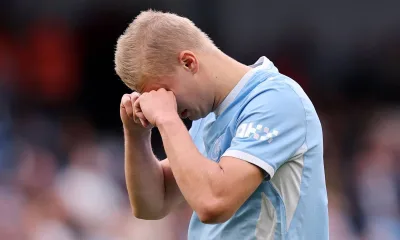
Four possible next steps for Erling Haaland if Manchester City’s uncertainty deepens
City’s uncertainty could alter Haaland’s future, with Real Madrid, Barcelona, Arsenal and Bayern mentioned.
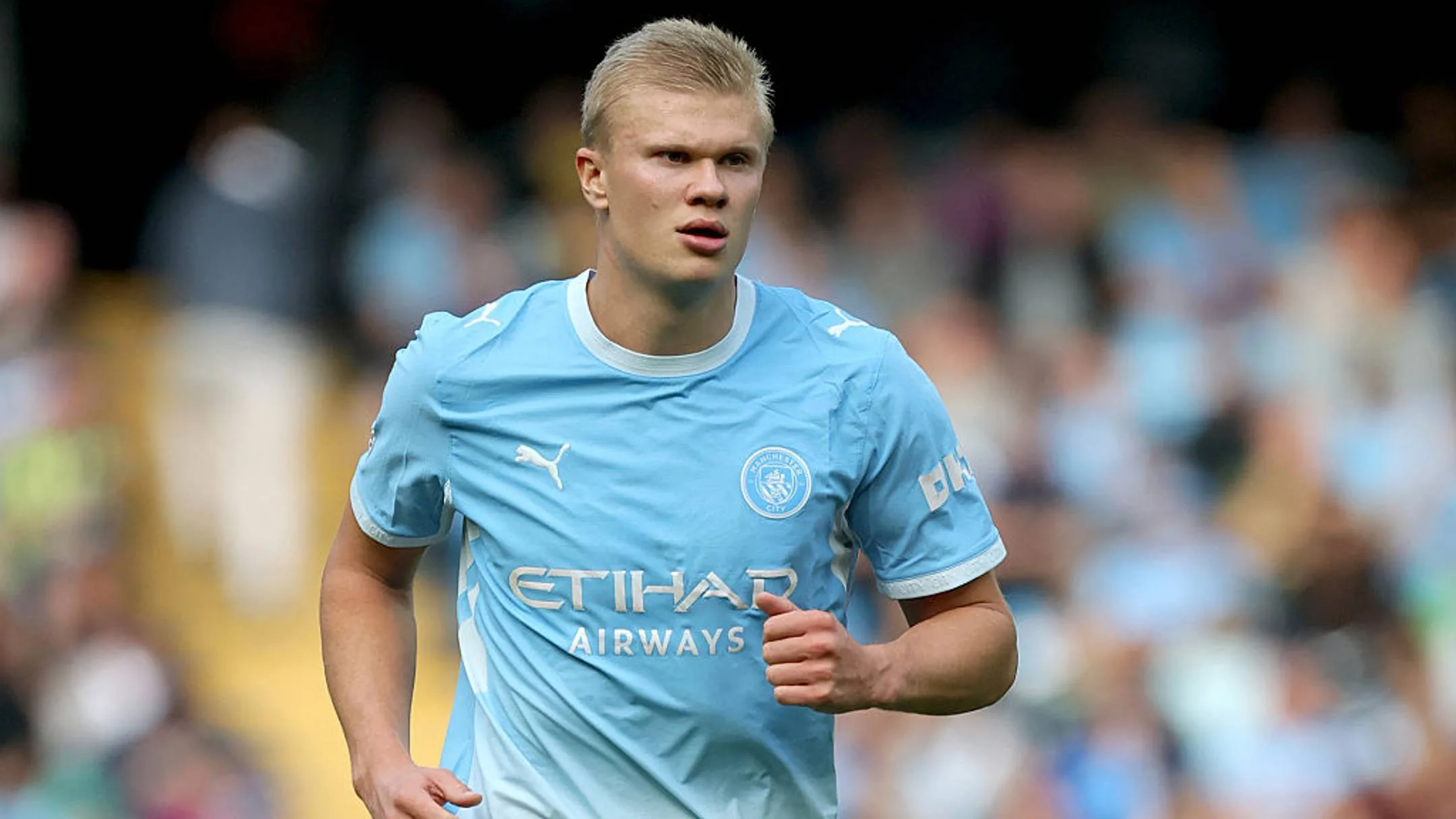
Erling Haaland’s long-term commitment to Manchester City, signed in January 2025, once made any near-term exit feel far-fetched. Yet the possibility of sanctions has changed the conversation. With City planning to appeal, any punishment may take time to unfold, but relegation, a major points deduction or even a transfer ban would still place the club’s biggest names under scrutiny.
If that situation develops, Haaland would not be short of interest. The Norway international would immediately become one of the most sought-after players in Europe, with elite clubs eager to add the game’s outstanding No. 9.
Real Madrid are the most obvious link. They have been connected with Haaland for a long time, well before any trouble surrounded City. Enrique Riquelme even claimed the forward would join the club if he won the presidency, a statement that did not change the election outcome but did revive talk of a future move to the Bernabéu. Haaland’s profile, along with the scale of the fee he would command, fits the mould of a classic ‘Galáctico’ signing.
Barcelona also remain a possible landing spot. They searched for a No. 9 in the summer and fought Atlético Madrid for Julián Alvarez before missing out. Raphinha has since adapted into the middle with notable success, but he could move back to the left to create space for Haaland, who would surely relish linking up with him and Lamine Yamal.
Arsenal present a more immediate Premier League route. Despite winning the league last season, they did not land a marquee striker this summer. Viktor Gyökeres has not settled, Kai Havertz has been preferred when fit, and injuries have again been an issue. With Bukayo Saka and Christos Tzolis managing only three goals between them in 2026-27, Mikel Arteta would surely welcome a dependable finisher.
Bayern Munich are the least urgent option for now, but not one to dismiss entirely. Harry Kane remains in outstanding form, has 61 goals last season and is expected to extend his contract, yet at 33, a long-term plan at centre forward will still be necessary.
Chelsea
Lavia Concern Fades as Chelsea Midfielder Explains Belgium Exit
Lavia’s Belgium exit looked worrying, but Chelsea learned it was only cramps, not a fresh injury.
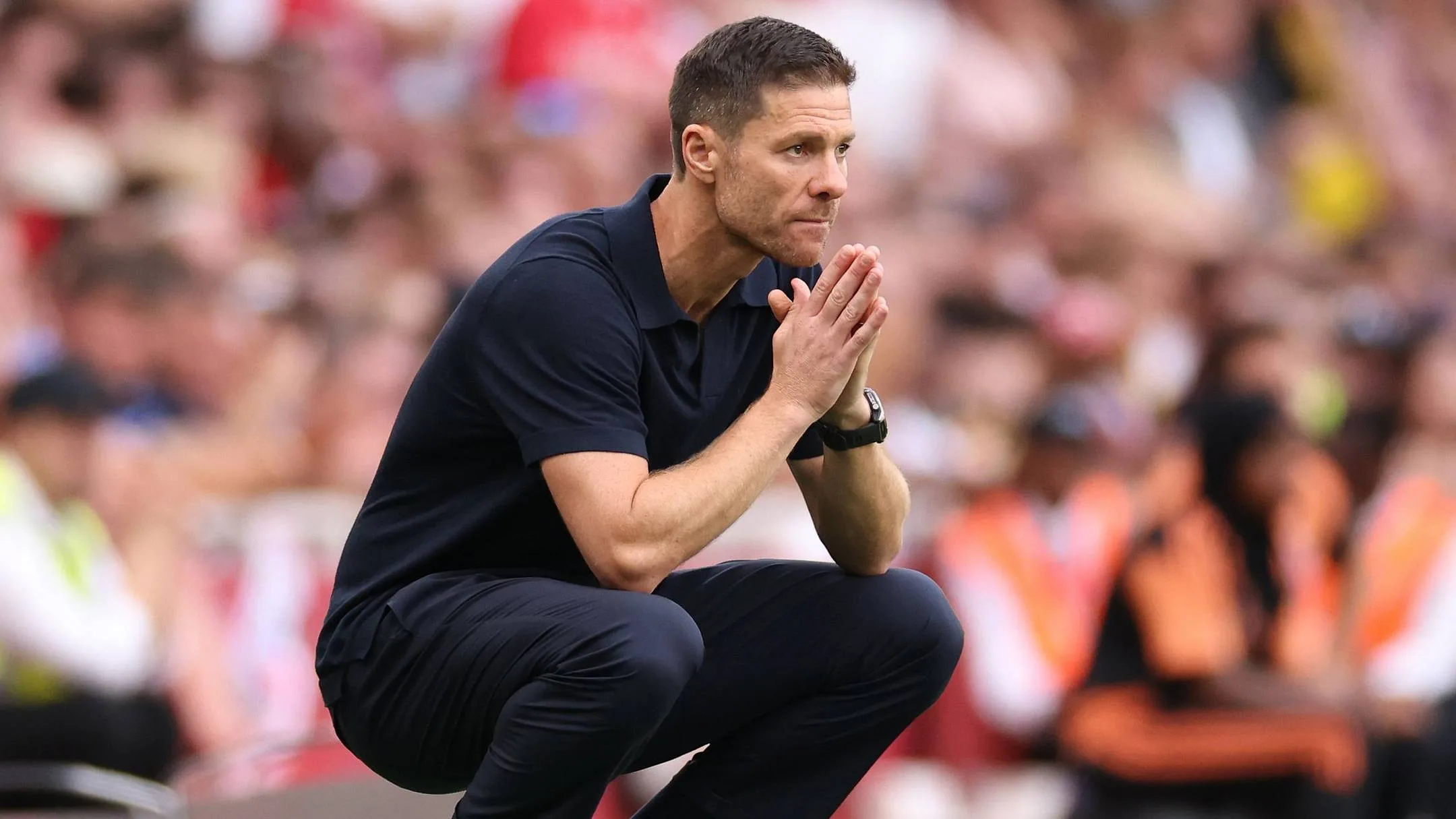
Chelsea avoided a major setback after Roméo Lavia limped out of Belgium’s UEFA Nations League meeting with France, only for the midfielder to later clarify that the issue was not an injury. The scene on Monday night briefly unsettled Stamford Bridge, where his departure after 85 minutes prompted immediate concern.
Lavia has not had an easy time physically since joining Chelsea, with muscular problems affecting his last three years. That history made the sight of him seeking attention on the ground particularly worrying. Yet the midfielder, who was excellent against France, made clear that the problem was simply fatigue and cramps.
“It had been a long time since I’d played at such an intensity,” Lavia told Belgian outlet DH . “It’s a process. From the start, I felt very comfortable; it’s the kind of match everyone loves to play. It’s all coming naturally.”
His performance was a strong one. In Belgium’s narrow 1–0 defeat, decided by Michael Olise after Lavia had already gone off, he completed all 37 of his passes and produced 10 defensive contributions. It was his first senior start for Belgium, and another sign that he is beginning to show the level Chelsea have waited for.
This season, Lavia has been available regularly for Xabi Alonso, appearing in six of Chelsea’s first seven matches and starting five of them. Even so, he is still waiting to complete 90 minutes in an official game for the club.
Chelsea’s midfield has already been stretched. Enzo Fernández and Moisés Caicedo had previously helped cover Lavia’s absences, but Caicedo has been carrying an issue since the start of the term and Fernández has gone to Manchester City. After Chelsea failed to find a replacement, Reece James has spent much of the season alongside Lavia in midfield, though he too is now dealing with a fresh fitness problem, as confirmed by England boss Thomas Tuchel.
Lavia was left out of the disastrous 3–0 defeat against Brentford before the international break, when Jordan Henderson and Valentín Barco formed Alonso’s midfield partnership, with Henderson making his first Chelsea appearance and Barco his first Premier League start.
Manchester City
Official report lays out the scale of Manchester City’s concealed funding
The report sets out Manchester City’s hidden funding structure and the findings behind a guilty verdict.
An independent commission has delivered its judgement after a process that stretched over 1,331 days, outlasted three U.K. Prime Ministers and kept the Premier League waiting for a conclusion. Manchester City have been found guilty, and the 40 partially redacted pages behind that verdict provide the clearest picture yet of how the case was understood.
The commission made clear that the delay was regrettable, but it also stressed that the evidence had already been extensively examined. Its message was plain enough: there was no reason to expect a retrial unless something genuinely new emerged.
At the centre of the report is the scale of the sponsorship structure under review. In 2011, City agreed a 10-year Etihad Airways deal worth £400 million, and the suggestion from the outset was that the numbers did not tell the full story. The Premier League now describes those arrangements as “sham commercial deals,” while the commission used the phrase “Disguised Funding Scheme” to describe the mechanism.
The figures are stark. Between 2009 and 2018, City accumulated almost £950 million in sponsorship fees, but only 13% was paid by the named sponsors. The remaining £830 million came from Abu Dhabi United Group Investment & Development Ltd (ADUG), the club’s owner. The report shows how the sums grew year by year, with the sharpest rise arriving in 2011-12, the same season UEFA’s financial fair play rules were introduced.
One example captured the improvised nature of the operation. On May 25, 2013, City were said to be “£9.9 million ‘short’ of complying with UEFA FFP for that season.” The commission said modified agreements were then created, including bonuses for events that had already happened and funding for a U.S. tour, allowing the shortfall to be “plugged.”
The report also states that City adjusted the operation to “reduce the likelihood of difficult questions” from regulators and maintain “continued concealment.” Their defence, that “no part of any recorded sponsorship fee had been paid by ADUG or from or using ADUG funds,” was rejected as “untrue” and built “very late in the day.”
The commission further said some witnesses gave evidence “that they knew to be untrue.” Perhaps the most striking detail of all was what readers did not get to see: the names of the three commission members were redacted.