Arsenal
A First Look at 2026–27 Premier League Away Shirts: Leaks and Confirmations
Leaked images and confirmed details offer a first look at several 2026-27 Premier League away kits.

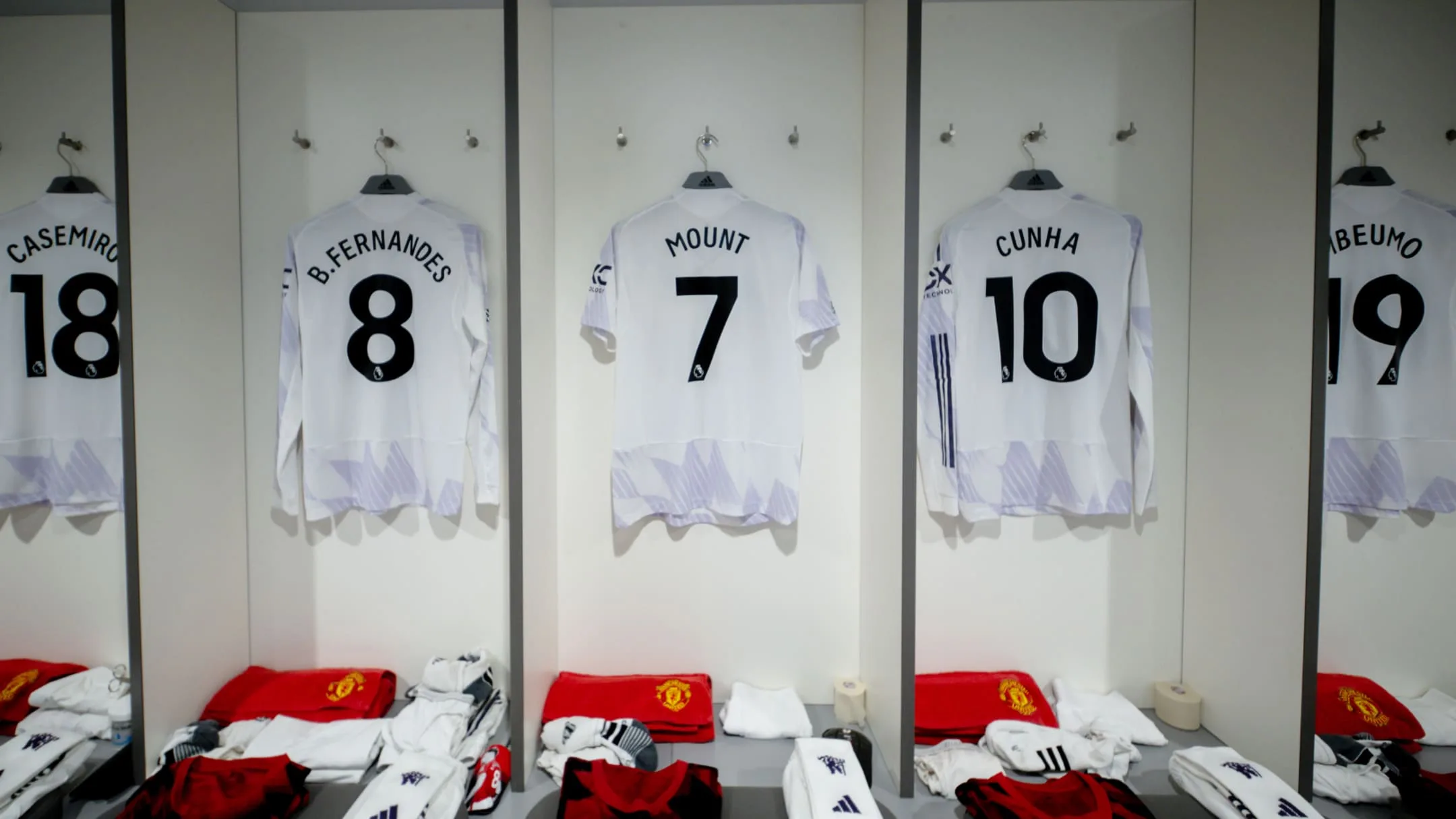
Away shirts often provide designers the most latitude, and the first leaks for the 2026–27 Premier League season underline that freedom. Clubs have shown a mix of retro echoes and bold departures across a series of projected away kits.
Arsenal’s leaked away shirt has been described as a “reverse” of the club’s famous ‘Bruised Banana’ design from the early 1990s. That original 1992–93 team finished 10th in the inaugural Premier League season as George Graham’s side struggled to adapt to the new back-pass law. The reimagined concept pairs a navy base with the iconic zig-zag pattern and red and yellow accents.
Aston Villa are expected to revisit sky blue for their away option, a shade they last used in 2022–23, Unai Emery’s first season after the end of Steven Gerrard’s tenure.
Bournemouth have kept details tight after announcing a new manufacturer in May. “We’re delighted to announce a new multi-year partnership with Hummel – a club-record kit deal for #afcb ❤️🖤”
Chelsea’s projected away kit uses Nike’s ‘Midwest Gold’ on a predominantly black base, drawing comparison with the club’s 2012–13 strip. That season concluded with Rafael Benítez guiding a fractious fanbase to Europa League success. The club’s managerial future and the identity of any shirt sponsor remain uncertain.
Leeds United’s away proposal would reintroduce an adidas trefoil on clubwear for the first time since 2020 and is expected to feature a white Yorkshire rose within a predominantly yellow shirt.
Liverpool’s leaked image looks close to 2025–26, with a shade nearer to white than cream and speculation the adidas trefoil could replace the three stripes. The design may also reuse the retro badge deployed on the club’s 2025–26 green third shirt, a shield inspired by the 1987–92 device.
Puma’s work for Manchester City has ranged widely; after the divisive 2025–26 grey and neon green mix, the next leak appears more subdued: largely black with gold trim, recalling the 2013–14 championship design. Manchester United are linked to a royal blue away shirt inspired by the SHARP era, while Newcastle United’s projected kit draws on St. James’ Park brickwork and could revive the 1976–83 badge with a magpie before a castle.

Arsenal
Premier League Gameweek 1 Team of the Week: early standouts across the opening weekend
Opening weekend standouts from Pickford, De Cuyper, Sangaré, Gvardiol and Chelsea’s revived attack.
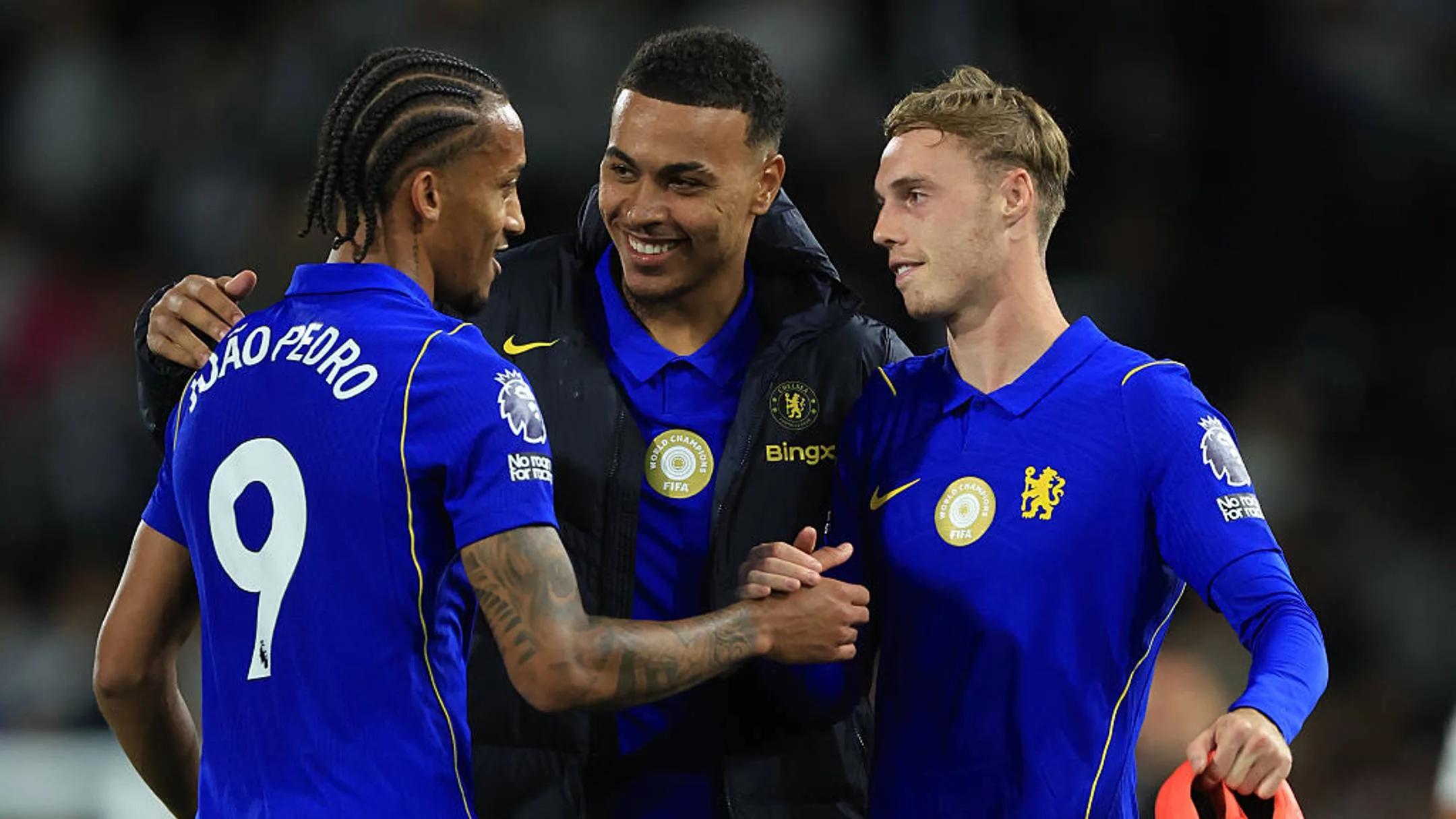
The Premier League season opened with a busy first weekend and several individual displays immediately demanding attention. Chelsea’s refreshed attack helped shape the closing stages of the round, while a number of other clubs also produced performances that stood out for different reasons.
Everton’s 2-0 win over Crystal Palace on Merseyside was not straightforward early on. The visitors started brightly, but poor finishing and Jordan Pickford kept them at bay. Pickford’s best moment came with a sharp save to deny Eddie Nketiah, and his contribution was among the best goalkeeping efforts of the weekend. Only Newcastle United debutant Lukáš Horniček prevented more goals on the opening weekend.
Brighton & Hove Albion also enjoyed a dominant afternoon, with Maxim De Cuyper pushed into a more advanced role in the demolition of Aston Villa. His energy caused constant problems, and he was directly involved in the move that led to Victor Lindelöf’s own goal before adding another by attacking the box with real purpose. That return earned him the Fantasy Premier League Player of the Week award and a 17-point haul.
There was also a memorable debut for Nobel Mendy, who marked his first appearance for Hull City by scoring against Manchester United. The defender helped his side make the most of set-pieces, and he finished the match with 12 clearances as Hull protected their two-goal cushion.
At Manchester City, Josko Gvardiol made the difference against Bournemouth after an opening spell in which City’s fluidity caused problems. He timed his run perfectly to meet Rayan Cherki’s pass and finish calmly beyond Đorđe Petrović, even if the effort was initially flagged offside.
Brentford had strong contributions from Keane Lewis-Potter and Mamadou Sangaré in their win over Tottenham Hotspur. Lewis-Potter struck early, while Sangaré’s debut showed exactly why the Bees committed a club-record fee for him. He linked play effectively, assisted the opener and was involved again for Brentford’s third.
Newcastle United also had reason to be encouraged by Yoane Wissa, whose all-round work helped drive their display against Liverpool. He was central to the transition that led to Joe Willock’s go-ahead goal after Cody Gakpo had drawn Liverpool level.
Chelsea’s own attacking momentum was reflected by Cole Palmer and João Pedro. Palmer looked sharp after a disrupted previous campaign, while João Pedro scored in under 30 seconds and later returned the favour for Palmer. He now appears to be the league’s strongest centre forward outside Erling Haaland.
Arsenal’s opening-night win over Coventry City also featured a debutant contribution, rounding off a weekend in which several new and familiar faces made a strong first impression.
Al Hilal
Martinelli’s reported Al Hilal offer would alter Arsenal salary comparisons
Martinelli’s reported Al Hilal offer could eclipse Arsenal pay after tax, with major salary
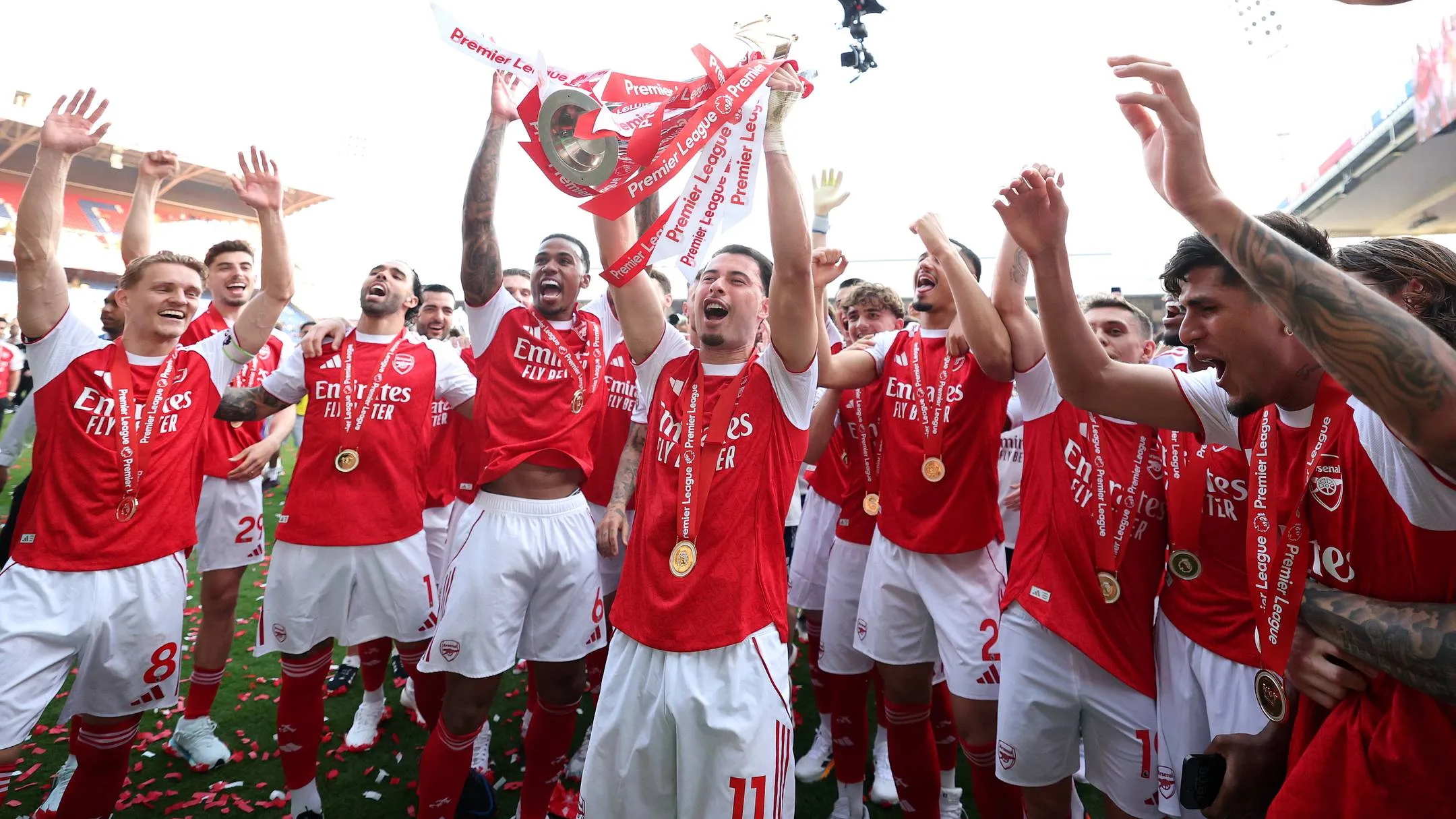
Gabriel Martinelli has reportedly been presented with an annual salary above $16.4 million (£12 million) to leave Arsenal for Al Hilal, with The Times reporting that the proposal has brought a possible exit into focus.
The Saudi Pro League club have moved into negotiations, and the size of the package appears to have shifted Martinelli’s position. Although the figures do not reach the level associated with Cristiano Ronaldo or Karim Benzema, they are still substantial enough to reshape what the Arsenal forward could earn over the course of a career. The key difference is the tax structure. In Saudi Arabia, Martinelli would theoretically keep the full amount of his annual salary.
That would place him in a different bracket from Arsenal’s current top earners. On a headline basis, the proposed deal would put Martinelli alongside Martin Ødegaard and Declan Rice. But after tax is taken into account, the comparison changes sharply. Arsenal players are said to surrender around 47% of their wages to HMRC, meaning Martinelli could end up taking home almost twice as much as Ødegaard and Rice.
Even Bukayo Saka, who became Arsenal’s highest paid player when he signed a new deal earlier this year, is not believed to approach the level Martinelli may command in the Kingdom.
The reported take-home annual salaries underline the gap:
Gabriel Martinelli: $16.4 million
Bukayo Saka: $11.3 million
Bruno Guimarães: $11.3 million
Kai Havertz: $10.5 million
William Saliba: $9.4 million
Martin Ødegaard: $9 million
Declan Rice: $9 million
Martinelli signed his current Arsenal contract in February 2023, midway through the most productive senior season of his career. By the end of that year, he had scored 15 Premier League goals, matching the total he would produce across the next three seasons.
Arsenal
Six early calls after the Premier League opener
Opening weekend produced statement wins, setbacks and early clues about where the season may head.
The Premier League has wasted little time in reminding everyone why pre-season certainty rarely survives opening weekend.
A composed Friday night start was followed by a string of heavy results and eye-catching shifts across Saturday and Sunday. For a division long billed as one of the most unpredictable in years, the first round of fixtures offered exactly that, forcing plenty of early assumptions into revision.
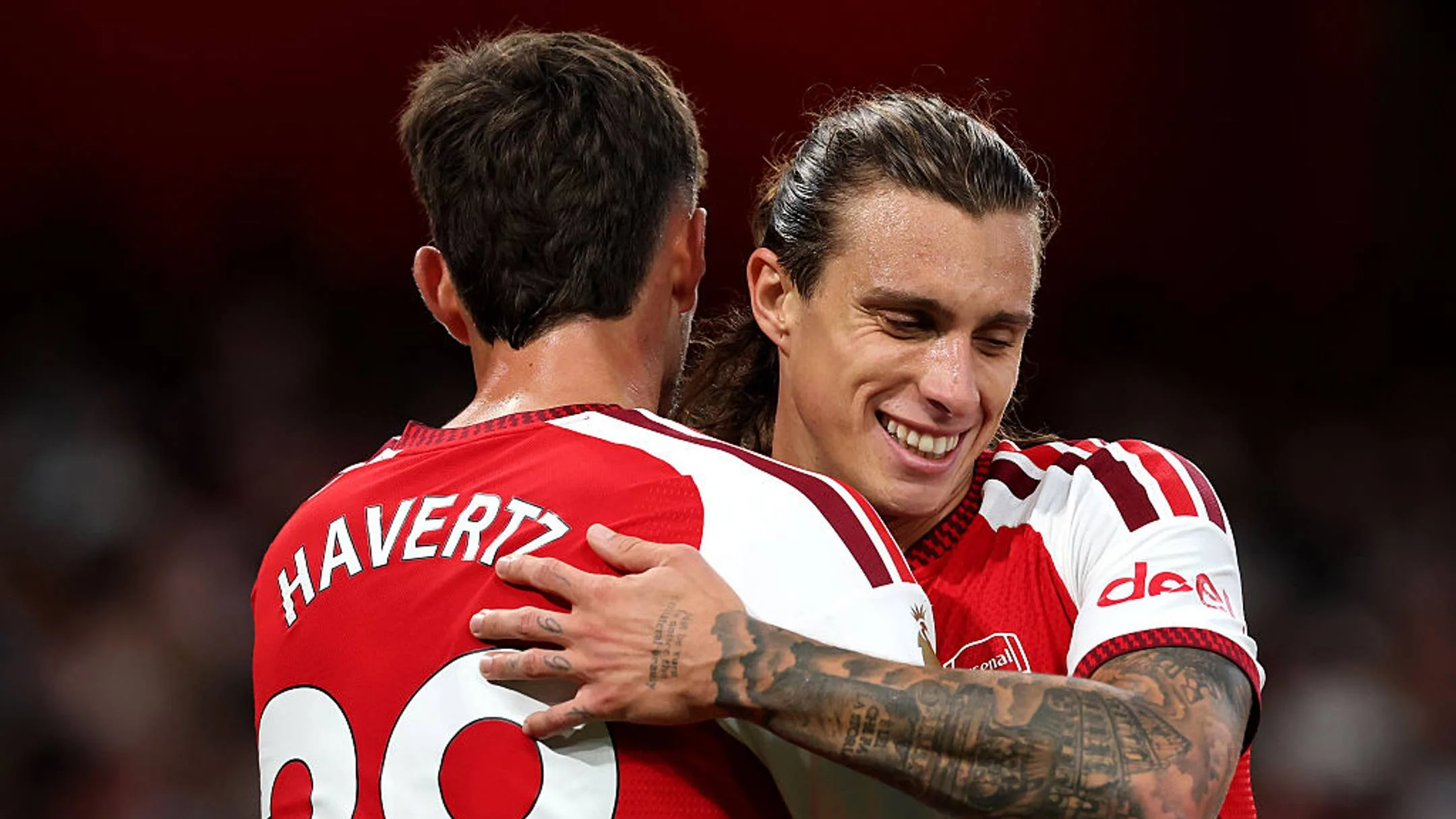
Arsenal made the clearest statement. Their 3-0 win over Coventry City was controlled, calm and entirely in keeping with a team defending a title. Coventry, in their first top-flight match in 25 years, were worn down gradually and given little encouragement. With the additions made this summer and an already deep squad, the champions look well placed to make another serious run at the top.
Aston Villa, by contrast, left the south coast with real concerns. Their defeat at Brighton & Hove Albion was severe, with the game effectively gone at 4-0 inside 31 minutes and João Gomes later sent off before half-time. Unai Emery has repeatedly found solutions in the past, but the scale of change around the squad means there is now a bedding-in process to manage.
Newcastle United also left their opener with more than frustration. A late Dominik Szoboszlai penalty denied them victory against Liverpool, yet Matthias Jassle’s influence was already visible. There is a clearer identity to their play, and the vertical approach looks suited to a team and support base that should respond to it.
Brentford, meanwhile, may have unearthed a major success in Mamadou Sangaré. The midfielder impressed in the 3-0 defeat of Tottenham Hotspur, and the praise from teammates has been immediate. Caoimhín Kelleher called him “superb,” while Keane Lewis-Potter described him as a “joy to play with.”
Among the promoted sides, Hull City and Ipswich Town both delivered encouraging responses after Coventry’s rough start. Hull beat Manchester United 2-0, while Ipswich edged Sunderland 2-1 late on. Neither club is under any illusion about the task ahead, but both showed enough to suggest they can compete.
At the other end of the conversation, Sunderland’s opening defeat will sharpen questions about a second-season hangover, while Arsenal’s brightest argument may already be individual acclaim. Martin Ødegaard is back, baby!