Arsenal
Rice and Saliba Lay Bare Injury Burden as Fixture Congestion Draws Criticism
Rice and Saliba disclosed lingering injuries and warned about obscene number of matches players endure.

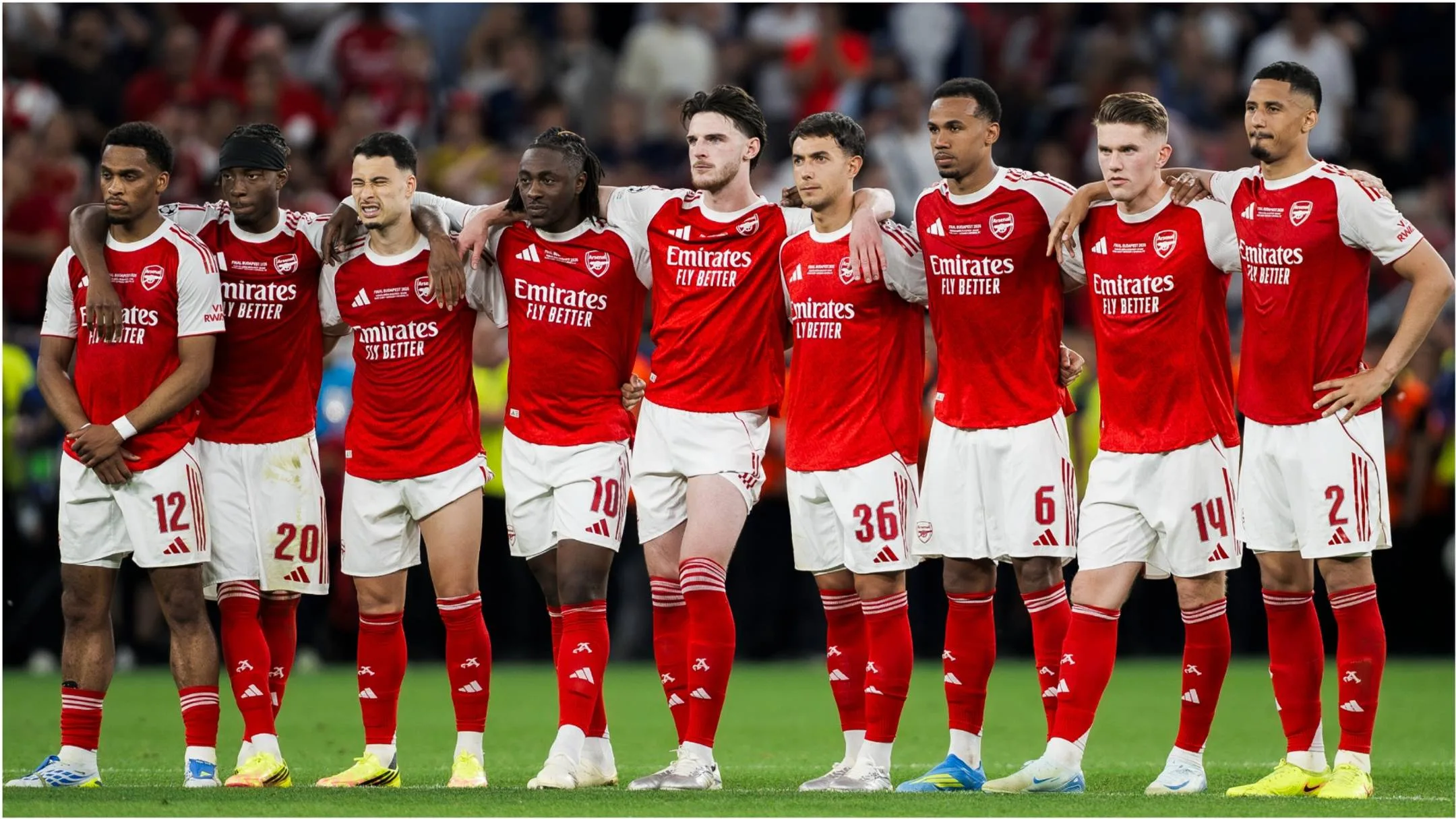
Declan Rice and William Saliba have both confirmed lingering injuries that carried from the Premier League season into the 2026 World Cup, underlining concerns about the demands on players at elite clubs.
Rice disclosed an ongoing hamstring issue after a heavy campaign with Arsenal and a quick turn to international duty in North America. “I was feeling a little bit of neural pain in my hamstring, which I was managing from after Christmas with Arsenal for a very long time,” he told ITV Sport. “Obviously, not a lot of people would have known that. It was all behind-the-scenes stuff but it was a smart decision.” Thomas Tuchel managed Rice’s minutes in England’s opener, taking the 27-year-old out of the match after 72 minutes. Rice said the substitution was prudent. “In the end, that last 20 minutes is probably where you pick up the most, and it’s where you play a 70-minute match. But that last 20 is where you really feel your body going for it. And I think it was a smart decision because the last few days I felt really, really good.” He added that he is “ready and fit, raring to go” for his country.
Saliba admitted he is not at full fitness but is playing through discomfort as France pursue another title. “I’ve had some minor niggles for several months,” Saliba said in his prematch press conference for Les Bleus’ clash with Iraq. “I’ve been gritting my teeth because there was the Champions League and the Premier League. But the coaching staff are handling it very well,” he continued. Reports have suggested a potential back operation could be considered after the tournament. Saliba, 25, played at least 50 times for Arsenal for a third straight season and featured the full 90 minutes in France’s 3–1 win over Senegal.
Rice highlighted the cumulative toll: he played 63 matches last season for club and country and could add eight more if England reach the final. “It’s an obscene amount of games,” Rice said. “The schedule was crazy but what can we do about it? You can’t sit and complain. We have to just get on with it for the moments like I had in the Premier League, winning that Premier League.
“You know you’d play as many games as possible to have that feeling again and knowing that there’s a World Cup at the end of it as well. You know you’d put your body on the line to be always in to play. It’s a lot of games but we’ll get our break at the end.”

Arsenal
One key issue facing each Premier League side after five matches
Five games in, the Premier League is already revealing title doubts, transition pains and early surprises.
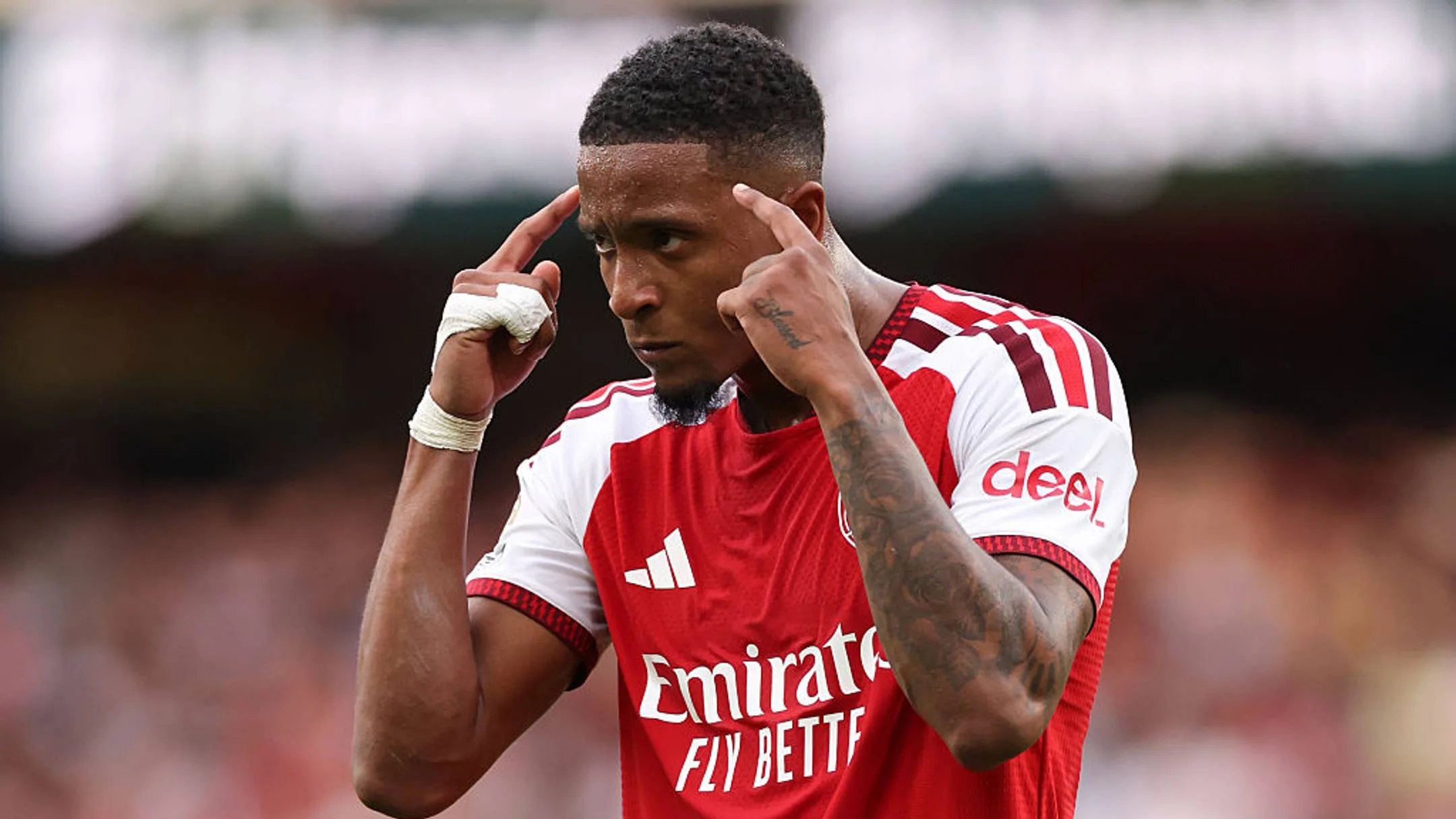
The first five matchdays of the 2026/27 Premier League season have already given shape to a campaign that promised uncertainty from the outset. With the table still settling and another international break leaving a long pause before Matchday 6, there is time to take stock of what has emerged so far.
Arsenal’s title defence has already met resistance after a heavy defeat to Brighton & Hove Albion. Before that trip, they looked close to untouchable, but the champions have not yet shown enough to pull clear of their rivals. Bruno Guimarães has added quality, though injury has delayed his rhythm, while Christos Tzolis has stepped in as a serviceable replacement for Leandro Trossard. Even so, Arsenal’s attack was found wanting in their toughest test to date, with concerns lingering over the goalscoring burden on Bukayo Saka and the lack of a set-piece breakthrough.
Aston Villa, meanwhile, are navigating a period of change after rebuilding their core in the summer. Their first league win of the season offered encouragement, with Johan Manzambi, Nicolas Jackson and João Gomes all making useful contributions. Bournemouth have begun slowly under Marco Rose, but there is little panic as they balance league form with European demands after an opening win at Real Sociedad. Brentford continue to look like a difficult assignment at home, built on physicality and a set-piece threat that has already caused problems for visiting sides.
Brighton’s pressing game has been a feature of the early weeks, while Chelsea’s start under Xabi Alonso has raised serious questions about their structure without the ball. Coventry City finally recorded a first Premier League win in more than 25 years, though goals remain a concern. Everton’s window left them thin on options, Fulham are showing signs of adjustment under Álvaro Arbeloa, and Hull City have been one of the early surprises, even if history offers a warning.
Elsewhere, Ipswich Town, Leeds United, Liverpool, Manchester City, Manchester United, Newcastle United, Nottingham Forest, Sunderland and Tottenham Hotspur all have distinct questions to answer as the season develops.
Arsenal
Arsenal’s Contract Priorities After Arteta Extends His Stay
Arsenal have tied down Arteta, but securing key players, especially Ødegaard, remains vital to the club’s project.
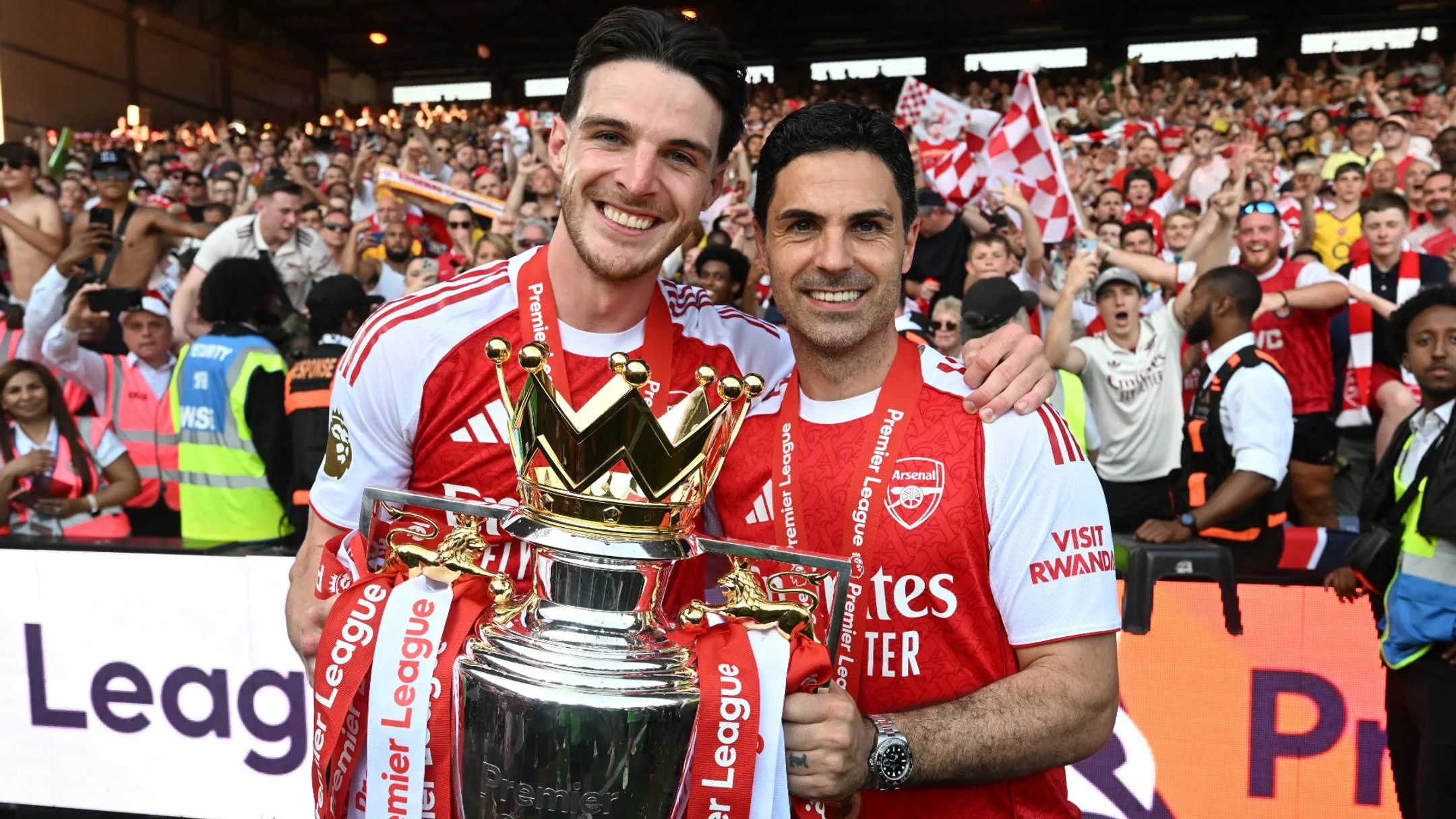
Mikel Arteta’s renewed deal underlines Arsenal’s ambition, but the manager is only one part of the club’s wider project. After opening the defence of their Premier League title with a win over Manchester City in the Community Shield, Arteta spoke with clear conviction about what drives him. “I feel good, different, hopefully better. More excited than ever. Hungrier than ever,” he said.
For the decision makers in north London, the next task is not simply about the dugout. With Bukayo Saka, William Saliba and Gabriel already rewarded with improved terms since the summer of 2025, attention now turns to the remaining core of the squad. Securing that group would further strengthen the stability around a side that is trying to stay at the top.
Martin Ødegaard stands out as one of the most important names still needing clarity, with his current deal running until 2028. It is notable how quickly perceptions around him have changed. Some supporters had once questioned whether he should remain at the club, yet his status has grown again through a difficult but ultimately productive period.
Last season was interrupted by injuries, leaving him short of rhythm, but he still ended the title-winning campaign as Arsenal’s leading assist provider in the Premier League. This summer has only reinforced his importance. A strong World Cup with Norway and a powerful start to the club season have helped settle any remaining doubts.
Arteta has made his view plain. Ødegaard has “a point to prove,” according to the manager. “I sensed from the first day that he joined [in preseason] that he has something else in the belly that he wants to prove and show.”
His commitment has also been shown away from the main stage. After returning from the States, Ødegaard used the gym of a local school to stay sharp before he even came back into Arsenal action.
What makes him especially valuable is not limited to his technical quality. He connects the squad with the coaching staff, acts as Arteta’s voice on the pitch and serves as the players’ link into the manager’s office. For Arsenal, that combination remains hard to replace.
If the goal is to preserve the standards built under Arteta, Ødegaard’s case is a compelling one.
Arsenal
Premier League table recalculated without VAR after early season controversy
The table shifts without VAR, but United, Forest and Haaland remain central to the early debate.
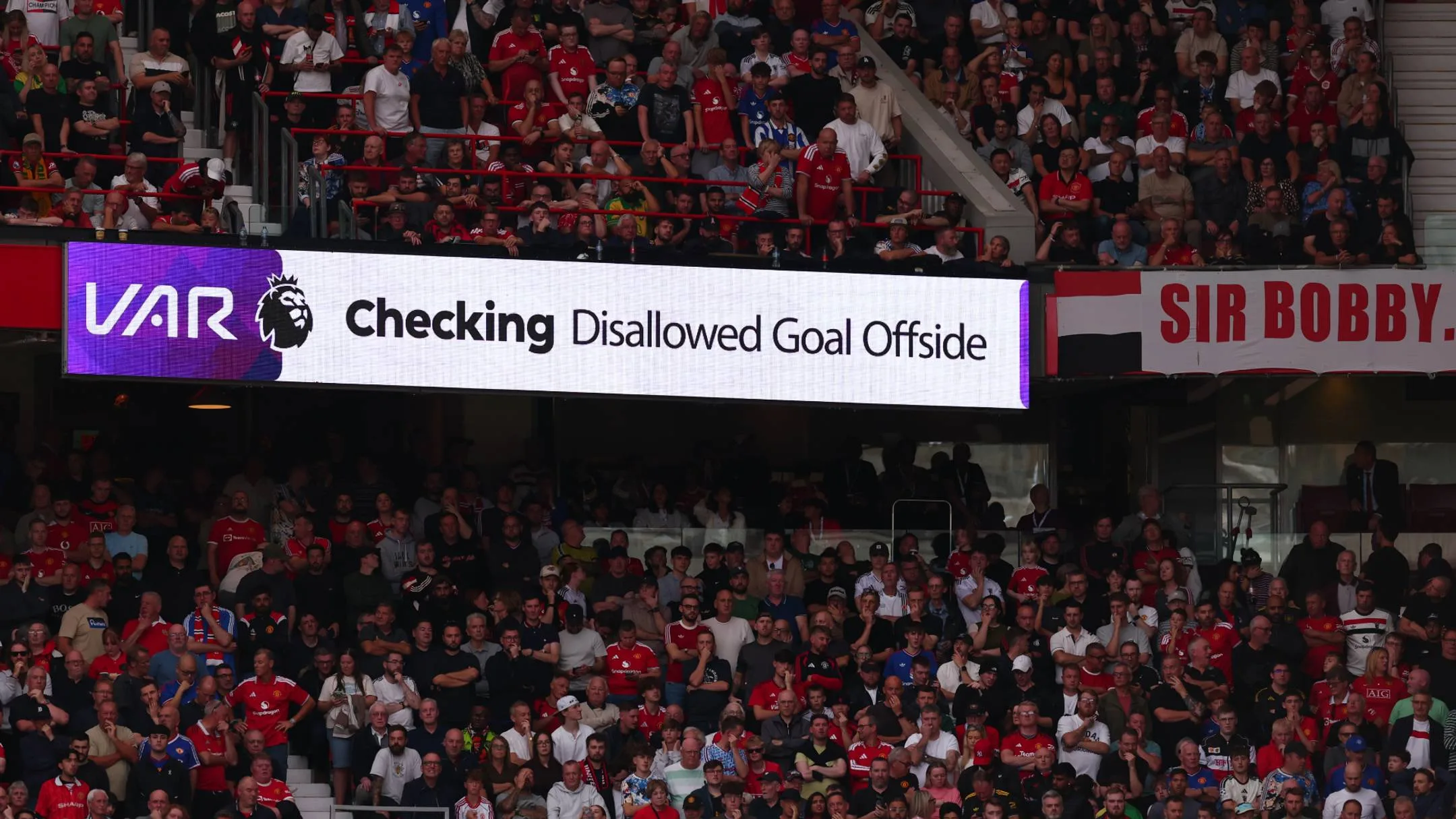
With five games played in the 2026/27 season, the Premier League has already been dragged into a series of officiating disputes despite hopes of a lighter touch. Howard Webb has issued an apology that was quickly rejected, and further explanations are still being awaited across the division.
Removing VAR from the picture changes the table in several places, but Manchester United remain the major talking point. Erling Haaland’s winner in the Manchester derby should not have stood, according to Webb’s own acknowledgement, after officials became caught in what he described as “tunnel vision.” The issue centred on Enzo Fernández’s movement in front of Lisandro Martínez, while VAR Matt Donohue focused on whether Haaland was onside when he turned the ball in past Senne Lammens.
Even so, United would still sit 12th with the additional point, showing that the decision was costly without transforming their wider position.
At the top, Arsenal would move clear of the rest on 12 points, with Brentford and Manchester City next on 11. Liverpool would also be better off overall, although their draw in this version of the table follows the denied goal against Nottingham Forest when Florian Wirtz’s effort was ruled out for offside.
Forest are one of the biggest beneficiaries of the no-VAR table. Oliver Glasner’s side would climb to 10th, helped by the sense that they have been denied three points in separate incidents. Neco Williams had a goal disallowed against Tottenham Hotspur after an alleged handball in a goal-line scramble with Sandro Tonali, and that decision came without any definitive camera angle proving the offence. Williams later posted: “Clear and obvious they say,” while Glasner added after the Coventry City match: “Of course I have thoughts but I don’t want to speak about it again,” after Igor Jesus was judged to have tripped Caleb Yirenkyi before scoring.
Haaland’s own frustration also featured in the aftermath of the derby. He said: “I thought there was maybe someone who had flicked it, I don’t normally go offside,” and added: “I talked to [referee] Michael Oliver and I told him I took it personal that he thought I went offside.”
The record suggests otherwise. As the draft notes, Haaland has only been correctly flagged offside once this season.