Liverpool
Liverpool Reject Inter’s €25m Approach as Jones Exit Looks Remote
Inter’s €25m “verbal offer” for Curtis Jones was rejected; Liverpool are seeking about €40m in 2027

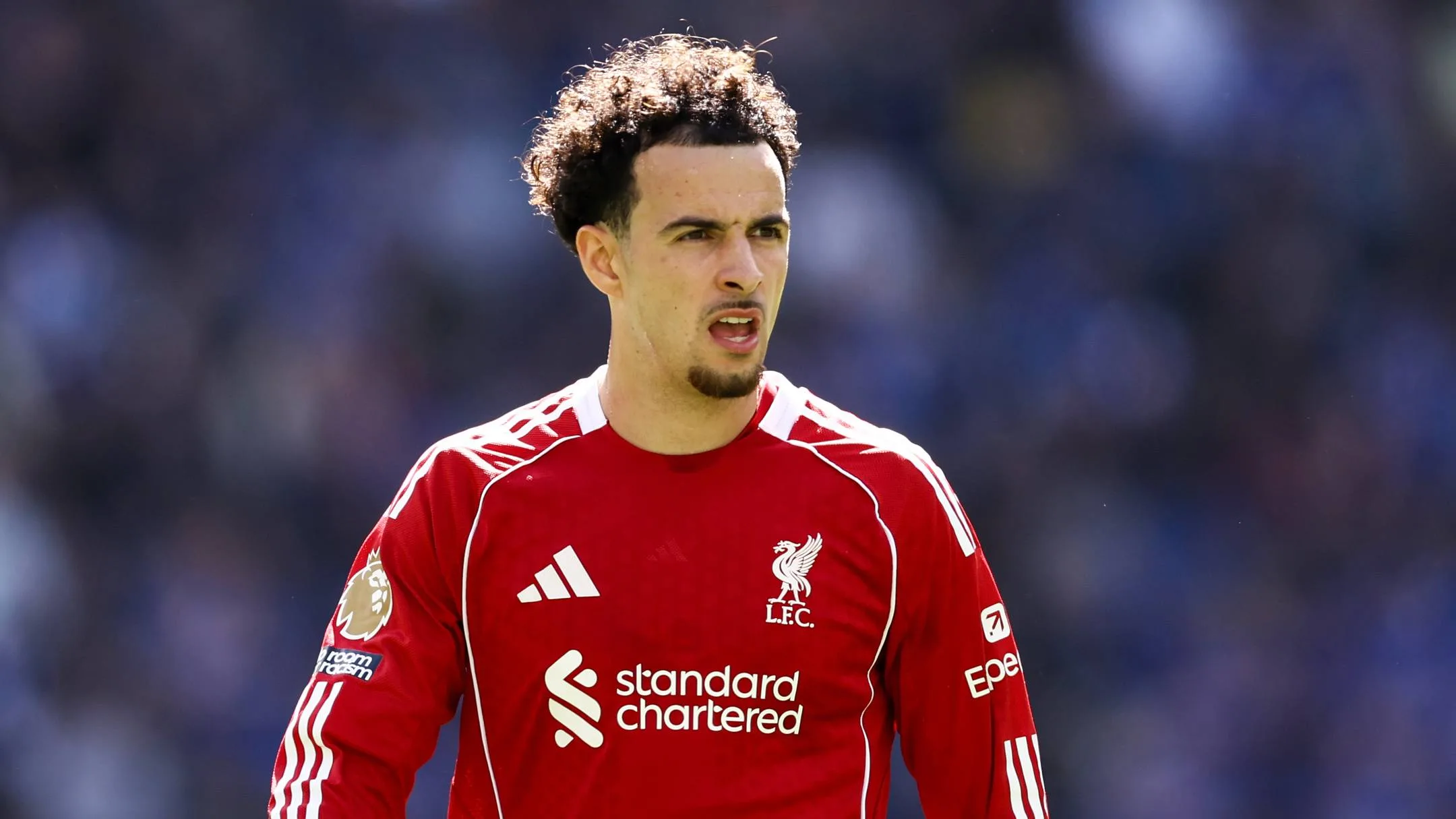
Liverpool have turned down Inter Milan’s reported €25 million offer for Curtis Jones as the clubs remain apart on valuation. The bid was described by The Athletic as a “verbal offer” and came significantly short of the fee Liverpool are seeking.
The Reds are believed to want roughly €40 million, using the fee Tottenham Hotspur paid Atlético Madrid for Conor Gallagher in January as a benchmark. Inter’s interest in Jones dates back to the January window, when Liverpool rejected an initial proposal for a loan with an option to buy.
Reports say Inter’s latest approach was “instantly rebuffed” and that Liverpool intend to stand firm on their valuation, making a deal this summer unlikely. It is understood the club would prefer to risk the possibility of losing Jones for free next summer rather than accept a cut-price sale now.
That stance is influenced by recent departures. This summer Liverpool allowed Ibrahima Konaté, Andy Robertson and Mohamed Salah to leave without recouping a transfer fee. Trent Alexander-Arnold departed the club for around €10 million ($11.5 million) a year ago, as part of an agreement to join Real Madrid before his contract expired.
Jones, 25, is under contract until 2027, making this summer the last realistic chance to generate a significant transfer fee for the midfielder. The club’s accounting context also factors in. Under the Premier League’s Profitability and Sustainability Rules, the sale of an academy graduate would count as “pure profit” on the books, a financial reality that has influenced discussions.
A local figure at Anfield, Jones joined the club at the age of nine and has made well over 200 senior appearances since his debut in 2019. He is a six-cap England international, has captained the side on more than one occasion and is valued for his versatility and tidy possession play. Some outlets, including Gazzetta dello Sport, claim Jones views his time at Liverpool as already over, but at present the club’s position makes an immediate transfer unlikely.




Liverpool
Salah Reportedly Set for Trabzonspor Move After Liverpool Chapter Ends
Salah is reportedly heading to Trabzonspor after nine Liverpool seasons and a confirmed Turkish move.
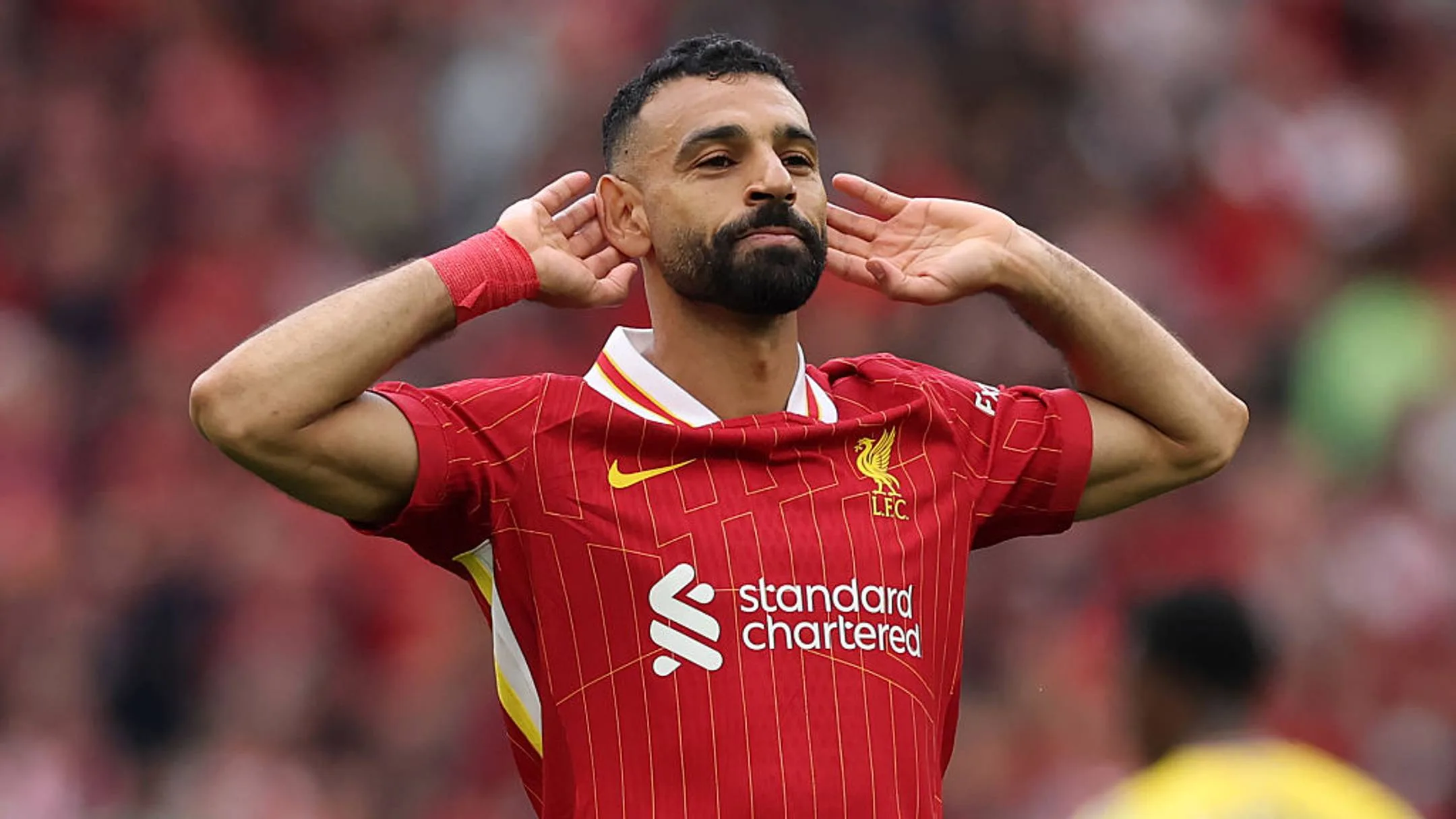
Mohamed Salah’s Liverpool spell appears to be drawing to a close, with reports in Türkiye claiming the forward is set for Trabzonspor.
According to Fabrizio Romano, Salah has signed a two-year contract with the Turkish side. If the move is completed, he would link up with former Premier League players André Onana and Stefan Savić under Fatih Tekke.
Trabzonspor have also issued a statement confirming that transfer talks are under way. The club said: “Professional footballer Mohamed Salah, with whom we have begun transfer negotiations, will be at Istanbul Atatürk Airport General Aviation Terminal at 12:00 on Wednesday, Aug. 5.
“The player is scheduled to arrive in Trabzon on the same day in the evening hours. The time and other details regarding the welcome program in Trabzon will be shared with the public through our club’s official communication channels during the day.”
The reported destination marks a significant change for one of the Premier League’s modern greats. Salah signed a contract extension in April 2025 that kept him at Anfield through the 2026-27 campaign, and he had initially expected to still be a Liverpool player next season before confirming in March that he would not see out the deal.
His numbers at Liverpool underline the scale of the move. Salah made 442 appearances and scored 257 goals in red, achievements that now appear set to be followed outside Europe’s top five leagues.
Trabzonspor also offer a very different stage from Liverpool. They finished third last season, which means Salah would not be competing in the Champions League, a tournament he won with Liverpool in 2018-19.
There is, however, still European football on the table. Trabzonspor have qualified for the Europa League, giving Salah the chance to compete for continental silverware rather than stepping away from Europe altogether.
Liverpool
Liverpool weigh midfield options as Jones talks continue
Liverpool are weighing midfield solutions as Curtis Jones nears a possible move to Inter Milan.
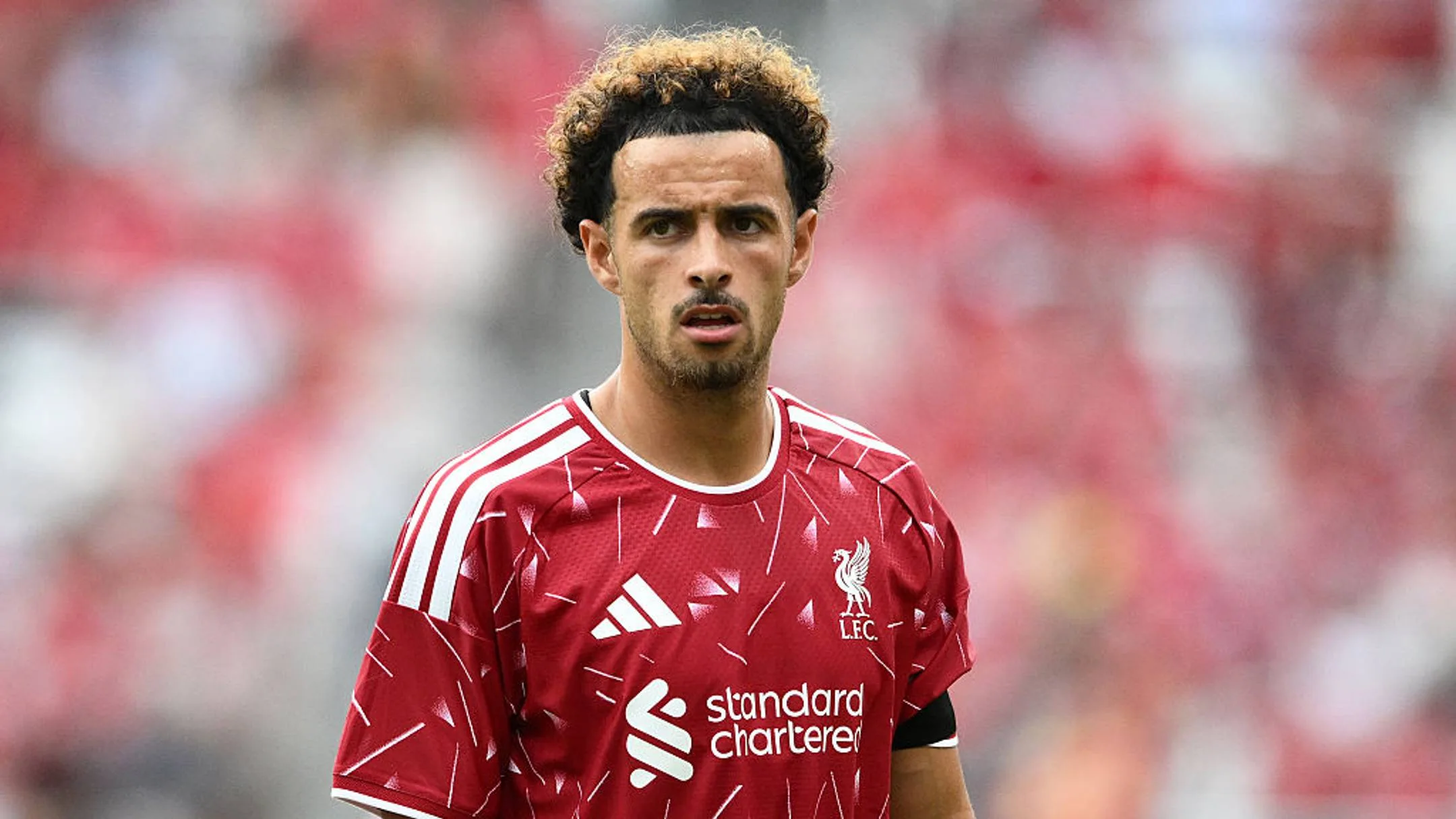
Liverpool are still waiting to add to the squad after Andoni Iraola said the club “needs more players” last month, and the uncertainty around Curtis Jones has only sharpened that need.
Even after a major outlay last summer, the roster still looks in need of significant work. The 4-2 defeat to Leeds United in Chicago exposed a lack of defensive cover, while the prospect of Jones joining Inter Milan would leave the midfield looking even thinner.
Inter are still pursuing a deal for the Scouse midfielder, who made 34 Premier League appearances last season. Most supporters may not see his departure as a crisis, but without him Iraola’s options in the centre of the pitch would become rather limited.
That leaves Liverpool with room to consider alternatives before the window closes. Several names have been linked as possible solutions, with Alex Scott among the most intriguing. Liverpool are believed to be interested in the English midfielder after he turned down a contract extension on the south coast, although Bournemouth insist he is not for sale. Scott has already enjoyed a breakout season and combines carrying power with strong work out of possession. He also worked under Iraola at the Vitality Stadium, which would give the move a familiar edge.
Kaishū Sano offers a different profile. The Mainz midfielder impressed at the World Cup, where he played three times for Japan and scored against Brazil, and he has since built a reputation as a tireless holding midfielder. Liverpool already have Wataru Endō on the books, but Sano’s positional discipline and pressing intensity would suit Iraola’s system.
Chema Andrés is another option. The 21-year-old left Real Madrid for Stuttgart and made 39 appearances across all competitions last season. Standing at 6’3”, he has the physical presence and control in possession that could make him a long-term fit in midfield.
Manu Koné also remains in the conversation. The Roma midfielder impressed for France this summer and has shown composure, passing quality and defensive intelligence. Injury concerns may explain the quieter transfer buzz, but Liverpool could still move if Jones departs.
If no deal materialises, Liverpool may simply promote from within. Ryan Gravenberch and Dominik Szoboszlai look the likeliest opening-day starters, with Trey Nyoni climbing the depth chart.
Liverpool
Liverpool’s stance on Cody Gakpo fits the club’s summer logic
Liverpool’s stance on Cody Gakpo reflects squad planning, not just transfer noise, as Tottenham circle.

Liverpool’s reported position on Cody Gakpo has added another layer to their planning for the 2026/27 season. The club are said to be unwilling to part with the forward for less than $160 million, if they are willing to sell him at all.
At first glance, that stance appears to run against expectations. Liverpool have already brought in Víctor Muñoz, Rio Ngumoha is continuing to develop, and they are still pursuing Bradley Barcola. That trio led many to think Gakpo could be moved on, particularly with Muñoz operating on the left and Ngumoha also preferring that side. Barcola, meanwhile, can play on the right, a position Liverpool still need to strengthen after the release of Mohamed Salah, even though his best work at Paris Saint-Germain came on the left.
A report from The Athletic saying Liverpool have “no intent” to sell Gakpo therefore came as a surprise on the surface. Tottenham Hotspur have “registered interest” through the player’s entourage, but no formal talks have started and there has been no contact with Liverpool.
Liverpool’s valuation is said to reflect this summer’s completed deals, including the sales of Morgan Rogers and Elliot Anderson, both of which were completed for just under $160 million to Chelsea and Manchester City respectively.
There is also a clear footballing reason behind Liverpool’s thinking. With Salah gone and Hugo Ekitiké expected to miss the start of the season after suffering an Achilles injury in April, the club do not want to “reduce” their attacking options. The intention is to “add” to them instead. Gakpo may also be receiving the benefit of the doubt because Andoni Iraola is arriving as a new manager with fresh ideas.
Gakpo’s value is not limited to the left wing. During his Liverpool career, the 27-year-old has also been used as a No. 9, including several times last season. That role was his main position in 2023/24, his first full campaign at the club, when Luis Díaz started on the left. He also played centrally in the second half of 2022/23, scoring seven goals in 21 Premier League matches, which remains his most productive spell for Liverpool.