Man City
Manchester City 2026/27 Premier League fixtures: opening day, derbies and the run-in
Manchester City’s 2026/27 Premier League schedule: opening vs Bournemouth, key derbies, run-in tests.

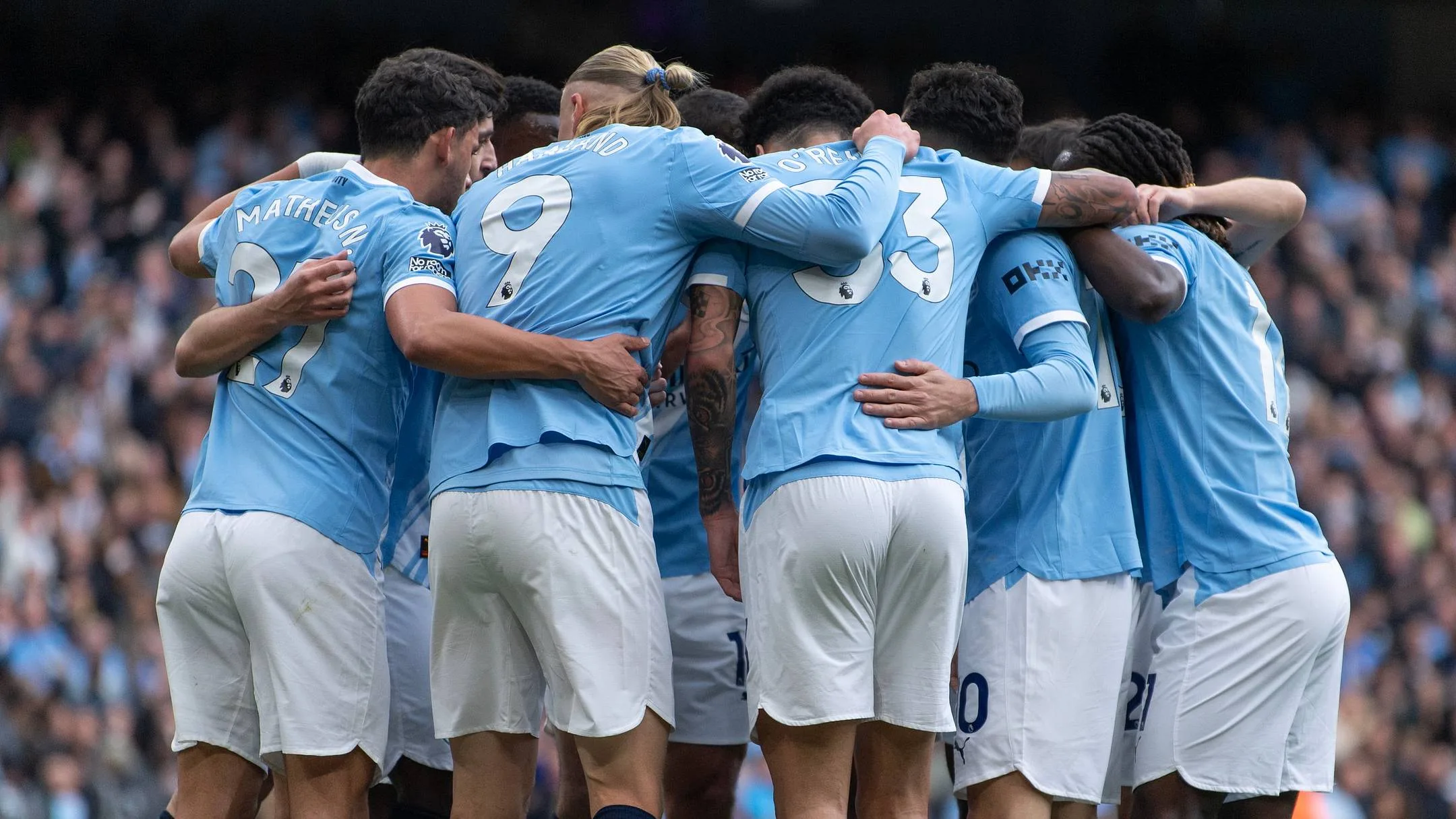
Manchester City start the post-Pep Guardiola era at home to Bournemouth on the opening day of the 2026/27 Premier League season. The fixture list lays out a campaign that pairs early high-profile matches with a challenging finish.
Before an appearance against Arsenal later in the calendar, City face a derby away at Manchester United in gameweek four and, two rounds after that, a trip to Andoni Iraola’s Liverpool. The schedule also has City travelling to the defending champions on the final weekend of November, followed two weeks later by what the original report describes as “an awkward reunion” when Maresca’s former employers come to the Etihad.
Arsenal visit in the final week of January. The final matchweek before March’s international break brings Manchester United to the Etihad, setting up another moment of note in the first half of the season. Across December and the New Year City have fixtures stacked around the festive period, including matches on Boxing Day and New Year’s Eve.
The run-in contains potentially tricky meetings with Chelsea, Liverpool and Aston Villa, interspersed with a trip to Ipswich Town. The original schedule also references an away day up at Sunderland on the final day of the season in May. The published list includes Ipswich Town away on 15 May and a final set of fixtures stretching into late May.
Live TV broadcasts will be chosen for select Premier League games; dates and kick-off times remain subject to change. All kick-off times are shown in Eastern Time (ET) and British Summer Time (BST) or Greenwich Mean Time (GMT), depending on the time of year.
Below the summary is the full fixture list with dates and kick-off times as published for the 2026/27 Premier League season.





Man City
Haaland decides derby as United waste the advantage of City’s red card
Haaland settled a derby City finished with 10 men, while United failed to make their advantage count.
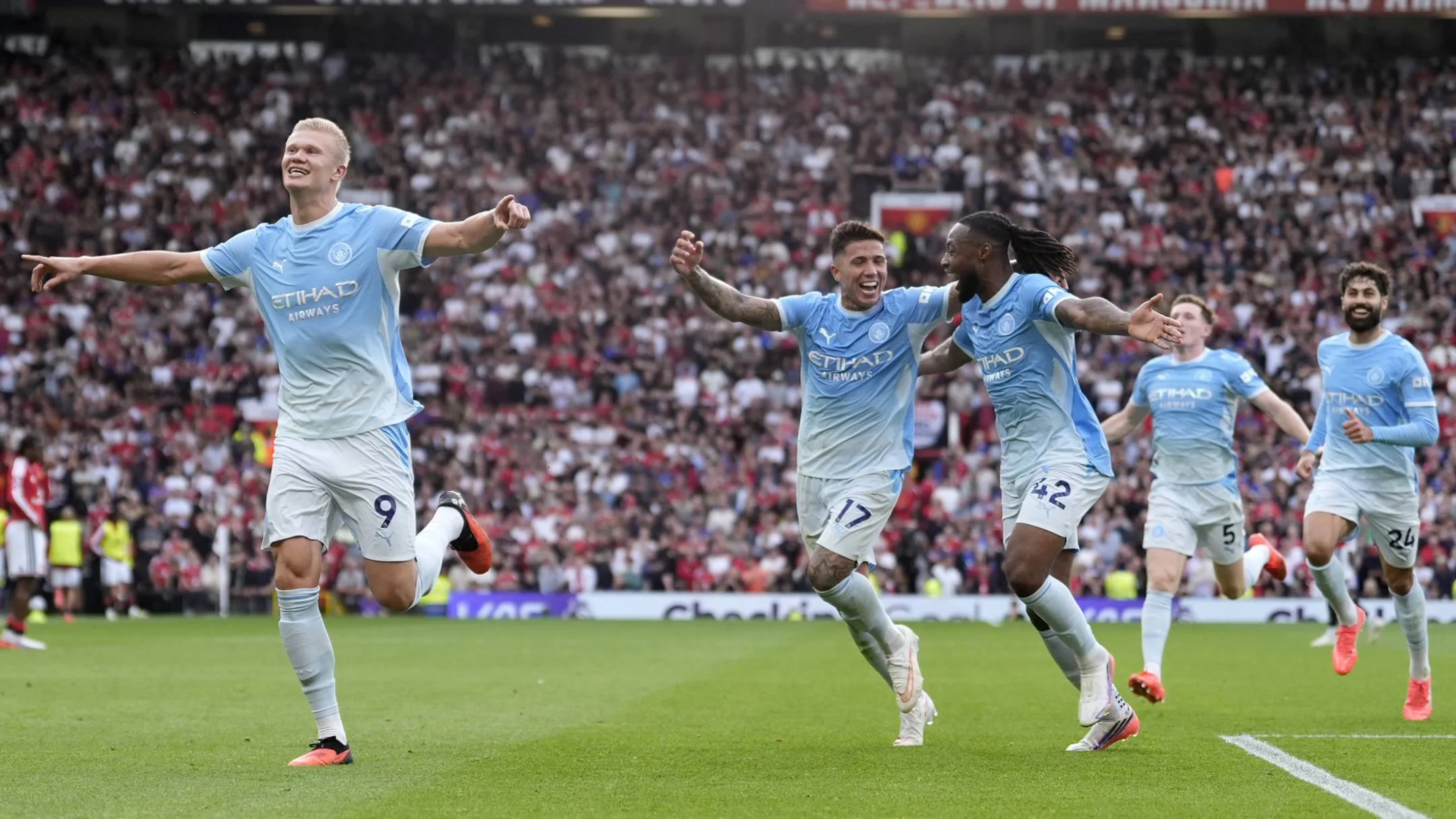
Manchester United left Old Trafford with a result that felt more painful because of the circumstances, as Erling Haaland’s lone goal handed Manchester City a 1-0 win in a derby shaped by Phil Foden’s dismissal. City spent most of the match with 10 men, yet still found a way to take control of the contest after the red card changed the rhythm of the afternoon.
Foden’s intervention should have tilted the balance toward United, especially after the hosts had been growing into the game. Instead, the incident altered the structure in City’s favour. With Elliot Anderson isolated at the base of a 4-1-4-1, United initially caused problems by drawing him into awkward decisions, particularly as Matheus Cunha kept dropping from the forward line. But once City reshaped into a compact 4-4-1, they became harder to break down and gave Anderson far more protection.
That left United searching for solutions they did not find. More than 40 minutes passed after Foden’s dismissal before Gianluigi Donnarumma was forced into a save, and the best opening of the closing stages was wasted by Bryan Mbeumo at stoppage time. The broader picture was stark: a team with the numerical advantage failed to turn it into control, while the side with 10 men grew more organised and disciplined.
There were solid individual displays in the United side, with Kobbie Mainoo standing out in midfield and several defenders coping reasonably well. For City, Donnarumma produced the decisive intervention when required, Matheus Nunes came through a physical duel on the right, and Haaland again showed his reliability in the key moment. His finish, awkward as it looked, was enough to settle a match that United failed to manage after the sending-off.
The numbers reflected the frustration for the hosts. United had 55 percent possession and 16 shots, but City created the cleaner openings and made theirs count. In a derby of fine margins, the team with the red card left with the points.
Man City
Manchester derby teams confirmed as Carrick and Maresca name their XIs
United and City named strong lineups as Carrick and Maresca faced the first derby of 2026/27.
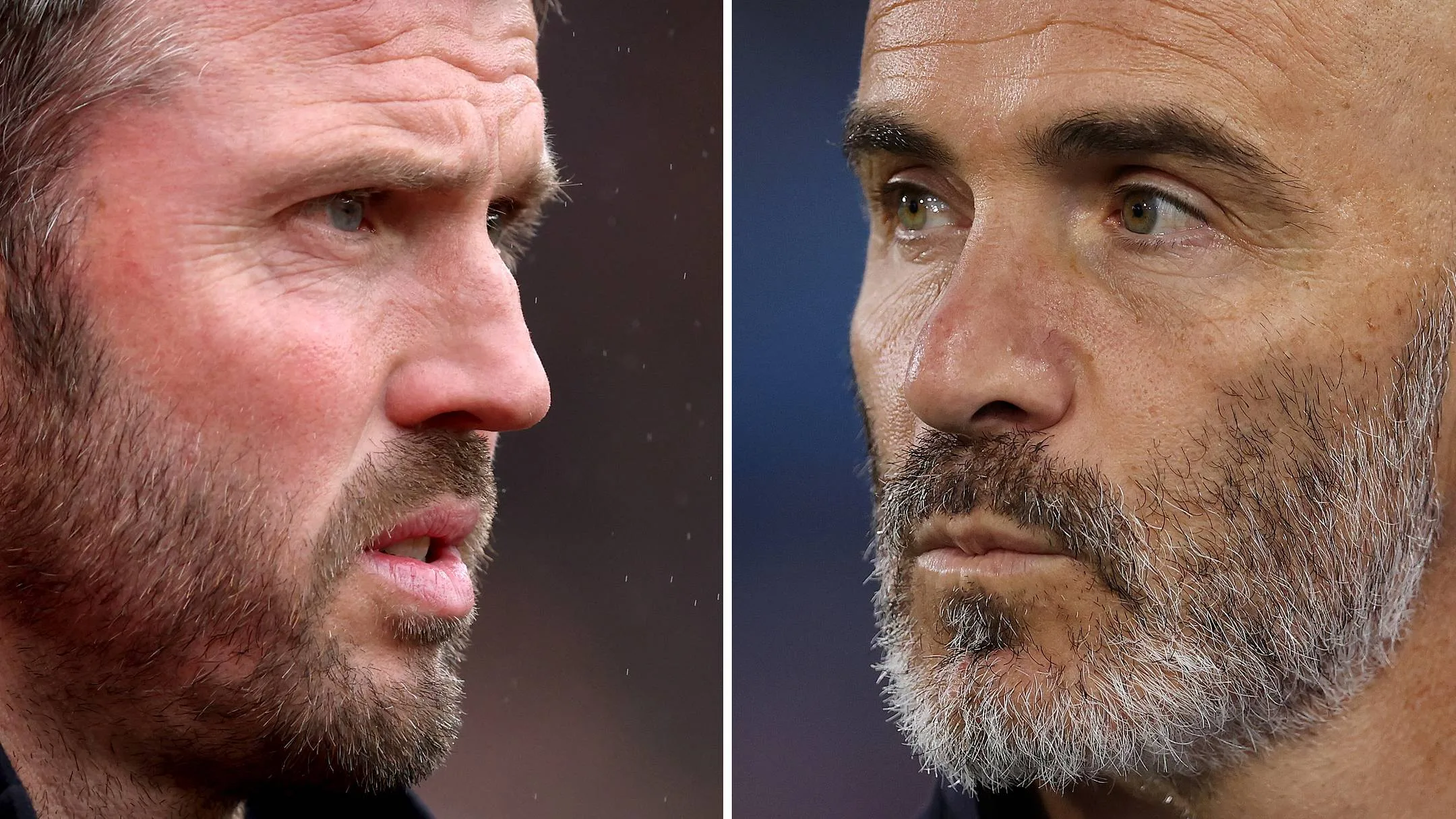
The opening Manchester derby of the 2026/27 season arrived with familiar tension and a fresh sense of history around both dugouts.
Manchester United still carry the weight of their long record of success, but the gap to their last league title now stretches to 13 years. Manchester City, by contrast, have collected seven top-flight crowns in that period. Carrick acknowledged that shift in power with a blunt assessment: “We are humble enough and realistic enough to know where we have come from in recent history,” the Red Devils boss reluctantly accepted.
Derbies do not rewrite history, but they do offer a chance to seize the moment, even if only for a day. United’s team selection added extra intrigue because Marcus Rashford was back in the spotlight after the strange turn his derby story has taken in recent seasons. He was omitted entirely in the first Manchester derby of the 2024/25 campaign, a decision that began a fractured spell between player and manager. A loan at Aston Villa followed, including a goal against City, before a productive season at Barcelona. Now, under Carrick, the 28-year-old has another chance to face City, and he already has seven goals in 23 appearances against them.
United were, however, without Luke Shaw, Rashford’s usual ally on the left side.
Starting XI: Senne Lammens; Diogo Dalot, Harry Maguire, Lisandro Martínez, Patrick Dorgu; Kobbie Mainoo, Youri Tielemans; Bryan Mbeumo, Bruno Fernandes, Marcus Rashford; Matheus Cunha.
Substitutes: Karl Darlow (GK), Ayden Heaven, Mason Mount, Joshua Zirkzee, Leny Yoro, Andrey Santos, Noussair Mazraoui, Shea Lacey, Benjamin Šeško.
On the City side, Maresca was taking in his first derby as the man in charge, though he had already lived this fixture from inside the staff room. He worked as Pep Guardiola’s assistant for three of these meetings during City’s treble-winning 2022/23 campaign, including the 6-3 win at Old Trafford.
Erling Haaland and Phil Foden were both named in the line-up again, with Foden’s derby influence underlined by Maresca’s words: “The feeling for him is probably different to rest of the players,” Maresca admitted. “It’s normal. For him, it’s a different game.”
Man City
Manchester Derby: Three Duels That Could Shape the First Meeting of 2026-27
United and City meet in a derby shaped by midfield control, passing, pressing and key duels.
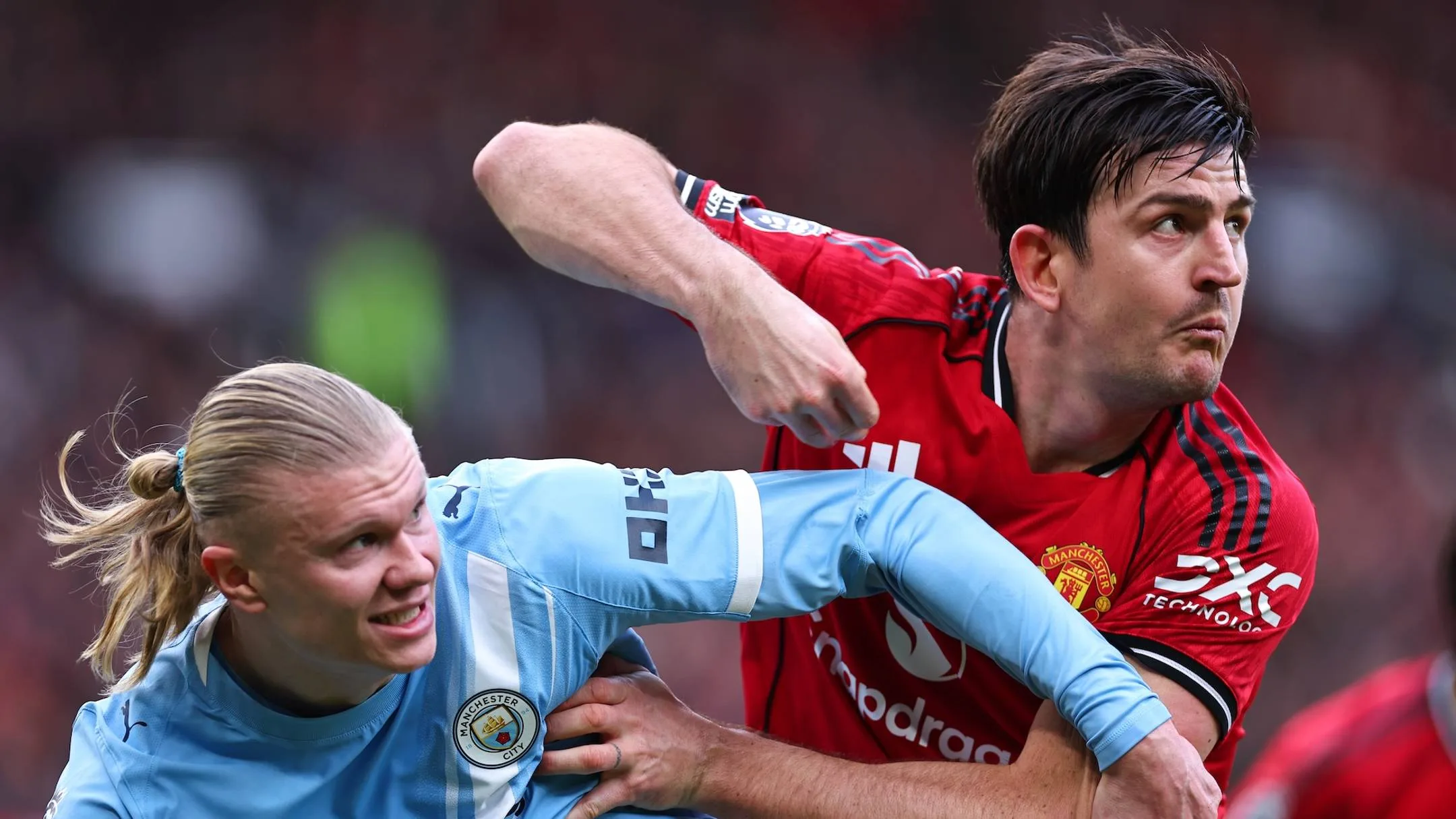
Manchester United and Manchester City meet at Old Trafford on Sunday in the opening derby of the 2026-27 season, and it is not an easy one to separate. City are still adjusting after the close of their 2023-24 title-winning cycle, with several newcomers bedding in. United, meanwhile, arrive in stronger form under Michael Carrick after finishing third last season and producing some of their sharpest football of the post-Sir Alex Ferguson era.
With so much focus likely to fall on the wider storylines, the most revealing details may come from the match-ups across the pitch. The managers matter, but individual contests could prove even more decisive.
The central battle pits Bruno Fernandes against Elliot Anderson, and it carries clear stakes for both sides. Fernandes remains United’s main source of invention and already has five goal contributions this season, so Anderson’s first task will be to limit his influence by cutting off clean touches between the lines. The City midfielder is a disciplined tackler and tactically intelligent, which should help him stop Fernandes from turning and releasing runners ahead of him.
Fernandes has his own defensive responsibility. He must prevent Anderson from settling deep and dictating the rhythm. Against Coventry, Anderson completed 146 passes, the most by an English player in a Premier League match since Opta began tracking the data in 2003-04. That number underlines how damaging he can be if given room to organise City’s passing game.
If Fernandes does not press effectively, Anderson can control the tempo, deny United sustained possession and supply the kind of passes that expose the Red Devils’ back line. In a derby that already feels finely balanced, that exchange could go a long way toward deciding which side gains control.