Chelsea
Xabi Alonso’s Chelsea Plan: Three Players Who Stand to Gain and Three Likely to Struggle
Alonso’s arrival forces tactical choices at Chelsea. Three clear beneficiaries and three at risk…


Chelsea’s appointment of Xabi Alonso this summer signals a clear reset at Stamford Bridge. The club have struck a deal to bring Alonso in and he is expected to have latitude to assemble a squad to his own specifications. That promise of change creates distinct opportunities and risks for the current group.
Cole Palmer is the most obvious beneficiary. Palmer “looked like a superstar under Mauricio Pochettino and impressed throughout Enzo Maresca’s first year,” but the 2025–26 season has been difficult. Under Alonso he can expect a return to a central attacking midfield role, with freedom to drift into damaging positions. The draft compares Palmer’s potential task to Florian Wirtz at Leverkusen, who produced double-figures for both goals and assists under Alonso and whose form prompted Liverpool to break their transfer record. Palmer’s attributes make him a strong candidate to become the focal point of Alonso’s midfield, and how the two work together could define both of their legacies at the club.
Reece James occupies a more ambiguous position. If Alonso deploys the 3-4-2-1 system he used at Leverkusen, the right wing back role is available and would suit James if he can demonstrate the necessary fitness; the draft notes that wing back under Thomas Tuchel produced the best form of his career. Alternatively, if James can no longer meet the physical demands, a right-sided centre back role could be an option.
Nicolas Jackson also looks well placed to benefit. He will return to Chelsea this summer after the conclusion of his loan with Bayern Munich. He is not a finished product, but his energy and willingness to run behind defences fit what Alonso asks of his front line, and a potential departure for Liam Delap could open a space for Jackson.
At risk are Alejandro Garnacho, Jamie Gittens and Marc Cucurella. Garnacho’s move last summer was driven by data and recruitment, and while his attitude has been excellent, “on the pitch, there has been very little success.” He struggled to adapt to an inside forward role under Ruben Amorim at Manchester United. Gittens has underwhelmed on the field and faces recovery from a hamstring injury, while Cucurella is waiting on Alonso’s final formation call and may be asked to revert to a wing back role if the 3-4-2-1 returns. Alonso’s tactical preferences will quickly reveal who thrives and who must reinvent themselves.





Chelsea
Chelsea’s penalty appeal at Sunderland explained by VAR check
Chelsea’s penalty appeal was rejected at Sunderland after VAR judged the challenge outside the box.
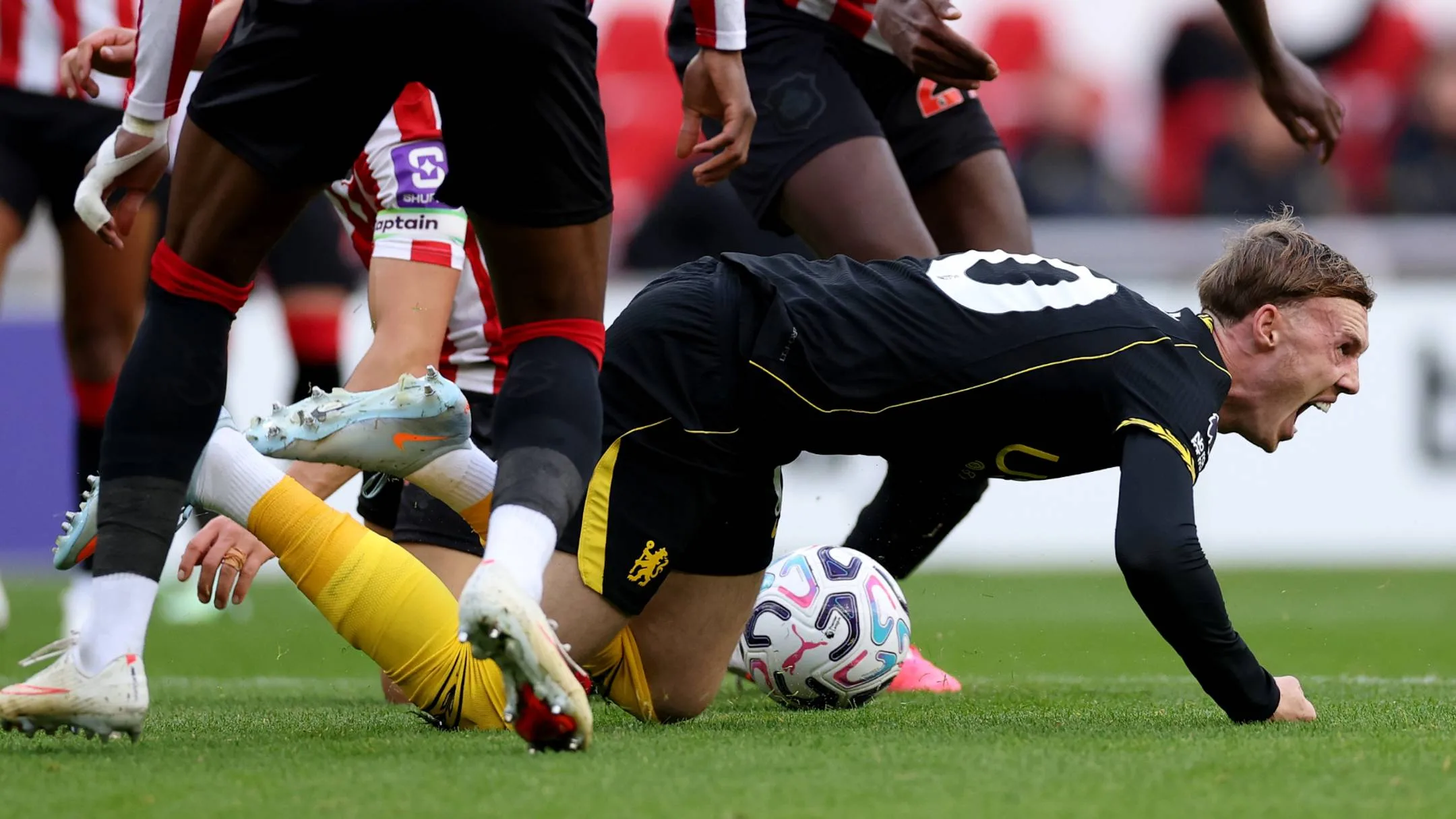
Chelsea’s first-half visit to Sunderland produced a major refereeing flashpoint after a penalty appeal was turned down and then left untouched by VAR.
The key moment arrived about a quarter of the way through the opening half, when Palmer shifted beyond Luke O’Nien. Sunderland’s skipper tried to stop him, but he did not get near the ball and instead came into the back of Palmer’s right knee.
Referee Gillett did not signal for a foul, and video assistant referee Nick Hopton also chose not to ask for a review at the monitor. During the contest, the Premier League issued a statement saying the VAR was not convinced by the penalty appeal.
Hopton’s view was that the incident happened outside the area. Broadcast footage, however, suggested the contact may have started just before the white line and then continued into the box, which would have made a penalty decision more likely.
The reasoning behind the call sits in the way VAR is allowed to operate. It can only intervene when there is a “clear and obvious error,” a standard maintained by the Premier League’s lawmakers.
That still left many online fans angry at the outcome, especially after Sunderland were awarded a penalty just 13 minutes later. Sky Sports commentator Chris Sutton offered only partial sympathy for the visitors, adding to the scrutiny on a decision that had already become the main talking point of the match.
Chelsea
Chelsea Blunted on Wearside as Alonso’s Forward Line Fails Again
Chelsea were beaten by Sunderland as the absence of João Pedro again left them short up front.
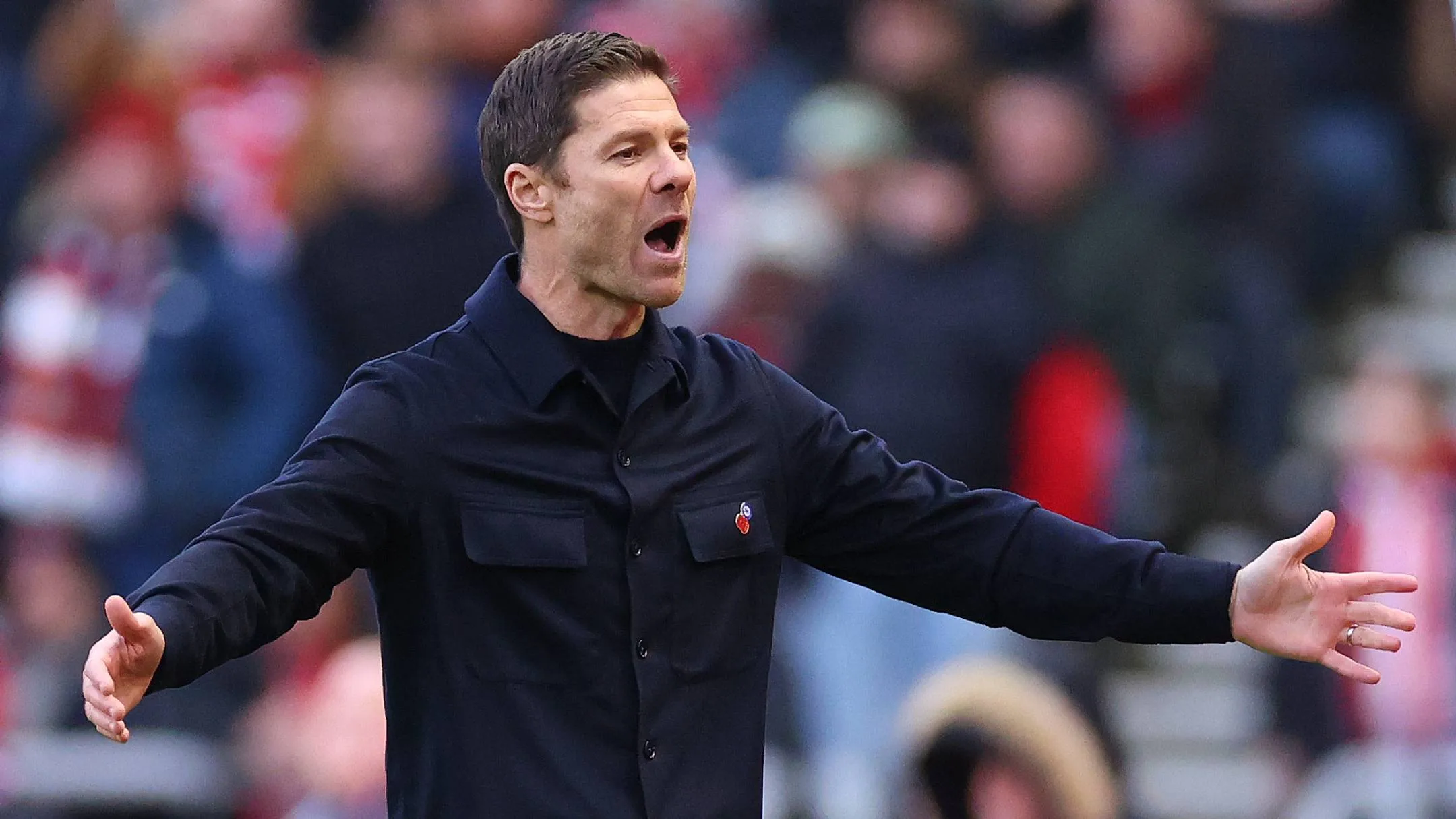
Chelsea’s decision to go without a natural centre forward in place of the injured João Pedro was punished once more, as they were subdued in a 1-0 defeat away to Sunderland on Sunday afternoon.
Xabi Alonso’s approach again left Chelsea short of penetration, with Sunderland doing enough to keep the visitors at arm’s length and expose the same attacking problem that has followed them for several matches. Brian Brobbey offered the clearest contrast between the sides, using his physical presence to win the penalty that Enzo Le Fée turned into the game’s only goal. It was a narrow margin, but one that felt deserved in the balance of play.
For Chelsea, the absence of João Pedro continued to cast a heavy shadow. Their leading scorer this season missed his fourth Premier League appearance of the campaign, and the result was another afternoon of limited threat in the final third. Even before this defeat, Chelsea had already been stifled by Brentford and Tottenham Hotspur without their regular No. 9. The one exception came in last weekend’s win over Manchester United, a match in which Chelsea were helped more than they were inspired.
Sunderland arrived with their own concerns, sitting bottom of the Premier League table after conceding 17 goals in their first nine league games of the season. Yet Régis Le Bris had set the tone beforehand: “We need to be pragmatic first,” as Régis Le Bris had warned prematch, “because it is clear if you concede goals it is more difficult to win the game.”
Chelsea’s issue without Pedro is becoming increasingly difficult to ignore. Alonso has tried Morgan Rogers, Danny Welbeck and, on Sunday, Pedro Neto as part of a fluid front line, but the side lacks the control and creativity that their usual No. 9 provides. In Wearside, that limitation was once again exposed.
Chelsea
Alonso Faces Goalkeeping Call After Martínez Returns To Training
Martínez is back in training early, leaving Alonso to decide between experience and Penders.
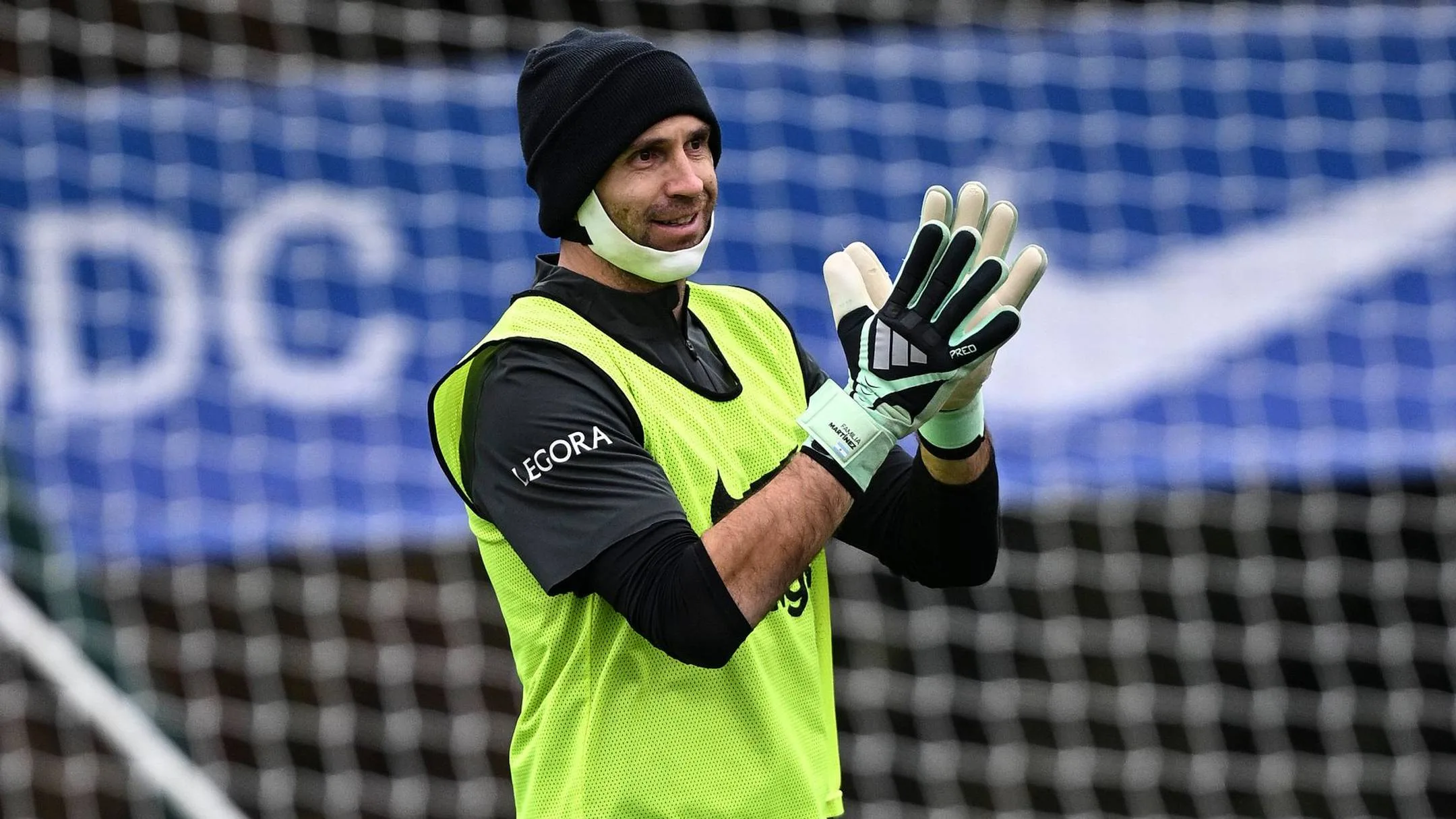
Chelsea have received an early boost with Emiliano Martínez back in training sooner than expected after managing a broken jaw with specialist protective gear.
The Argentina international was seen on Thursday wearing a strap around his jaw as well as a hat, a sign that his recovery may be moving quickly. Martínez has looked for equipment that could help speed up his return, and after only three weeks there is now a chance he could be available again. Whether he has been cleared for competitive action is still unclear.
That leaves a decision for Xabi Alonso. If Martínez is ready, he must choose between restoring the experienced goalkeeper to the starting side or keeping faith with Mike Penders, who has recently been handed a chance in the team.
Penders has already experienced the highs and lows of senior football. He made a costly mistake in the 2-0 defeat to Tottenham Hotspur, but responded with a clean sheet against Manchester United. In that match, he produced a brilliant save to deny Bryan Mbeumo, a moment that earned him a nomination for the Premier League Save of the Month award for October.
The question now is whether that form is enough to justify an extended run in the side. Martínez was brought in this summer to add experience to the squad, while Penders is still learning at 21 and needs matches to develop. Yet if he remains on the bench, that experience will not come easily.
Chelsea are no strangers to goalkeepers using protection. Petr Čech wore a padded headguard after fracturing his skull in October 2006, and continued with it for the rest of his career. Martínez will hope his own recovery does not lead to anything similar.