
Chelsea
Chelsea’s Ten Most Significant Kits, Reappraised
Ranking Chelsea’s ten best shirts, from classic royal blue homes to bold, unconventional away kits.

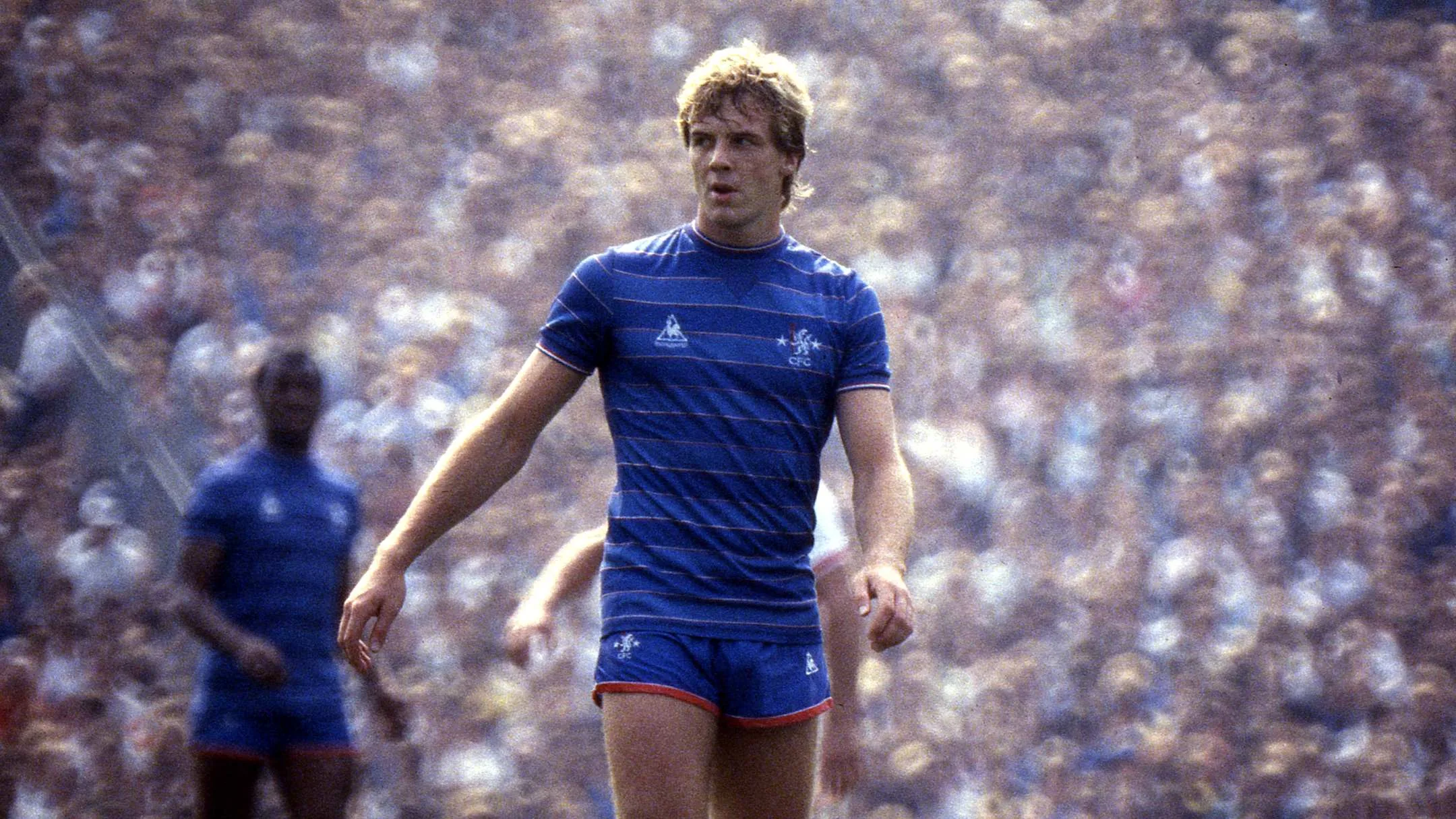
Chelsea’s identity as much of a fashion label as a football club has been shaped by a long run of memorable shirts. From faithful royal blue homes to experimental away strips, the club has frequently set the tone for English football’s kit design.
The gold-trimmed royal blue home shirt that followed the club’s first-ever Champions League title in 2011–12 is a high point. Replacing the usual white trims with gold and including an all-gold club badge, the 2012–13 look coincided with Chelsea lifting the Europa League and arrived in Eden Hazard’s debut season at Stamford Bridge.
Chelsea’s 1994–96 away kit proved that risk can endure. Its tangerine and graphite colour scheme was designed to avoid clashes but became a cult classic, underlining how unconventional choices can win lasting affection.
At the opposite end of the spectrum is a simple royal blue shirt featuring a round-neck collar and the traditional club badge. With no flashy sponsor logos or trims, it is a reminder that restraint can be timeless.
The post-2003 Abramovich era introduced a clean, modern all-royal blue design, set off only by a white V-neck collar and sleeve trim. That shirt is inseparable from Chelsea’s first Premier League title, won in 2004–05 while the club wore the design.
More recent creativity was on display with the 2024–25 third strip, an all-black kit rich with punk-rock motifs, a double Nike Swoosh celebrating the rise of the women’s game, and bright pink and yellow accents. It was worn during the club’s Conference League triumph and has already established itself as a contemporary favourite.
There are also pieces of kit heritage: Le Coq Sportif’s 1983–85 home strip with vertical stripes and red accents and a stripped-back crest; the 1974–75 away tribute to Hungary’s Magnificent Magyars, white with a central red and green stripe, a design revisited in the 2025–26 season; and the Commodore-sponsored late 1980s and early 1990s era, capped by the 1991–93 home shirt with a peak ’90s geometric pattern, thick collar and bold red-and-white trim.
Together these shirts show a club comfortable with both heritage and invention.





Chelsea
Left-back targets Chelsea might pursue under Alonso
Chelsea left-back options under Alonso: young prospects, experienced choices and tactical fits. 2026.
Chelsea’s recruitment direction looks set to shift with Mauricio Alonso thought to have increased sway after a sporting-director structure that presided over a 10th-place Premier League finish last season. An incoming coach will likely prioritize left-back options that fit his preferred patterns, blending ball progression with defensive reliability.
Myles Lewis-Skelly is exactly the type of versatile, silky, ball-centric player that would suit Alonso. Chelsea also have a history of poaching Arsenal’s homegrown left-back talents. However, any deal would be costly given the teenager’s lengthy contract and Arsenal’s apparent reluctance to part ways.
“La minestra riscaldata non è mai buona, reheated soup never tastes as good.” Still, a return could appeal if presented as a clearer pathway than the one Lewis Hall currently faces at Newcastle United. Hall left west London for the north east in 2023 and has blossomed into a well-rounded defender who offers creativity and solidity. Newcastle, as a collective, have not mirrored Hall’s rise and managed to finish even lower than Chelsea last term. It remains to be seen if Alonso would want to tempt Hall back south, but he wouldn’t be the first gem Chelsea bought back after initially letting go.
Antonee Robinson presents a different profile. During the 2024–25 season, he became the first Fulham player to ever register 10 Premier League assists in a single campaign. The tireless force of nature was just as productive defensively, earning links to some of the division’s elite. Robinson hasn’t created a top-flight goal for any teammate since February 2025. Knee surgery last summer derailed his start to the 2025–26 campaign, which largely served as a setting for the U.S. international to work his way back to full health ahead of a home World Cup. Now fit and firing once again, Robinson’s stock is back on the rise and Manchester United are reportedly sniffing around. At 28, he is older than the talents Chelsea have typically targeted under BlueCo, but some experience could be valuable for a squad that has struggled with excessive youth.
Less than two years ago, Arsène Kouassi was playing in France’s third tier. The 22-year-old took Ligue 1 by storm last season, operating chiefly as a wingback in Lorient’s 3-4-2-1. Kouassi racked up six assists, a tally bettered by only one other defender in the French top flight. If Alonso experiments with a back-three, Kouassi could be an ideal outlet down the left.
Chelsea
Real Madrid reach verbal agreement to sign Marc Cucurella from Chelsea for club left-back record
Real Madrid and Chelsea have a verbal deal to sign Marc Cucurella for €60m, a club left-back record.
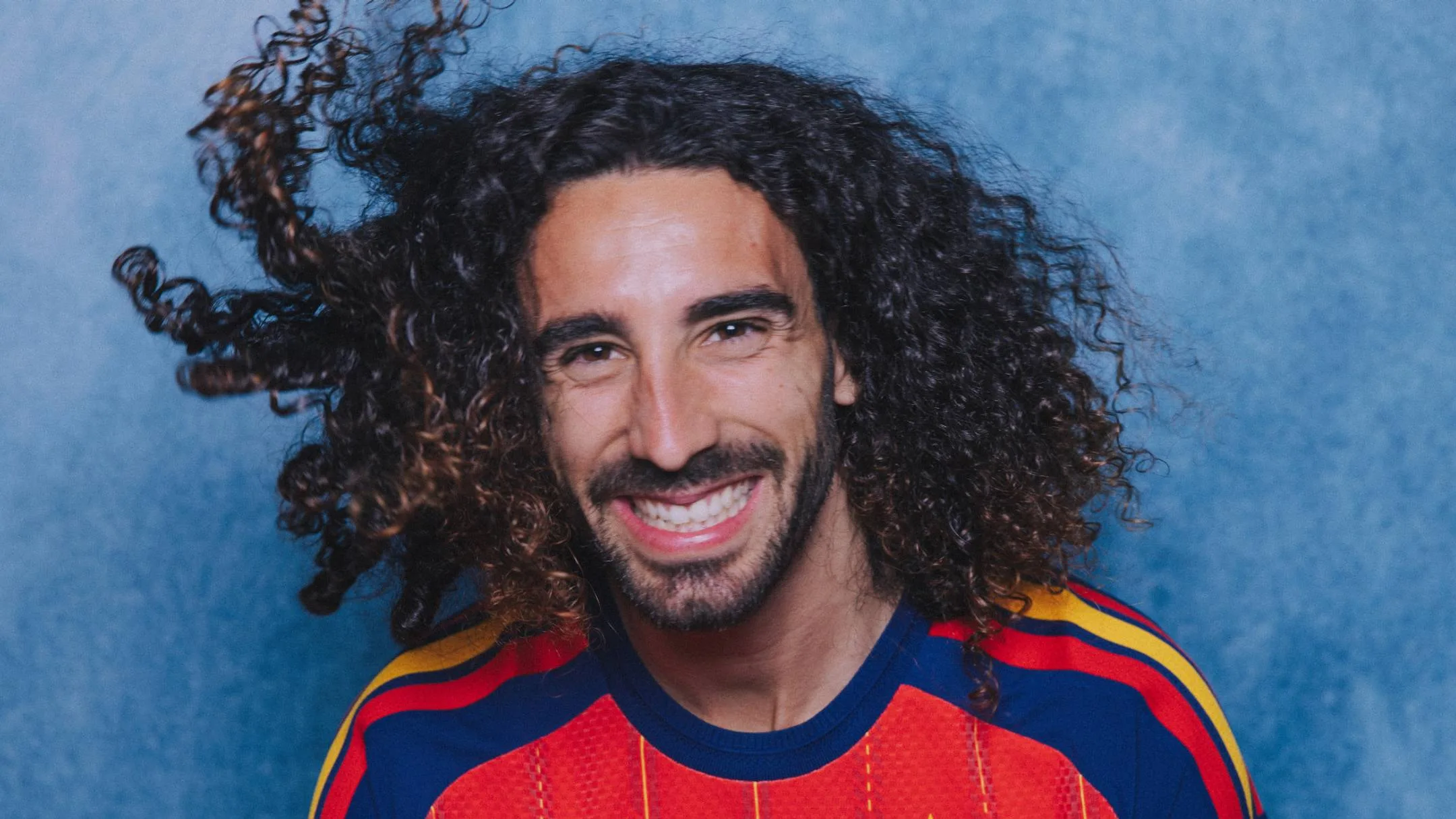
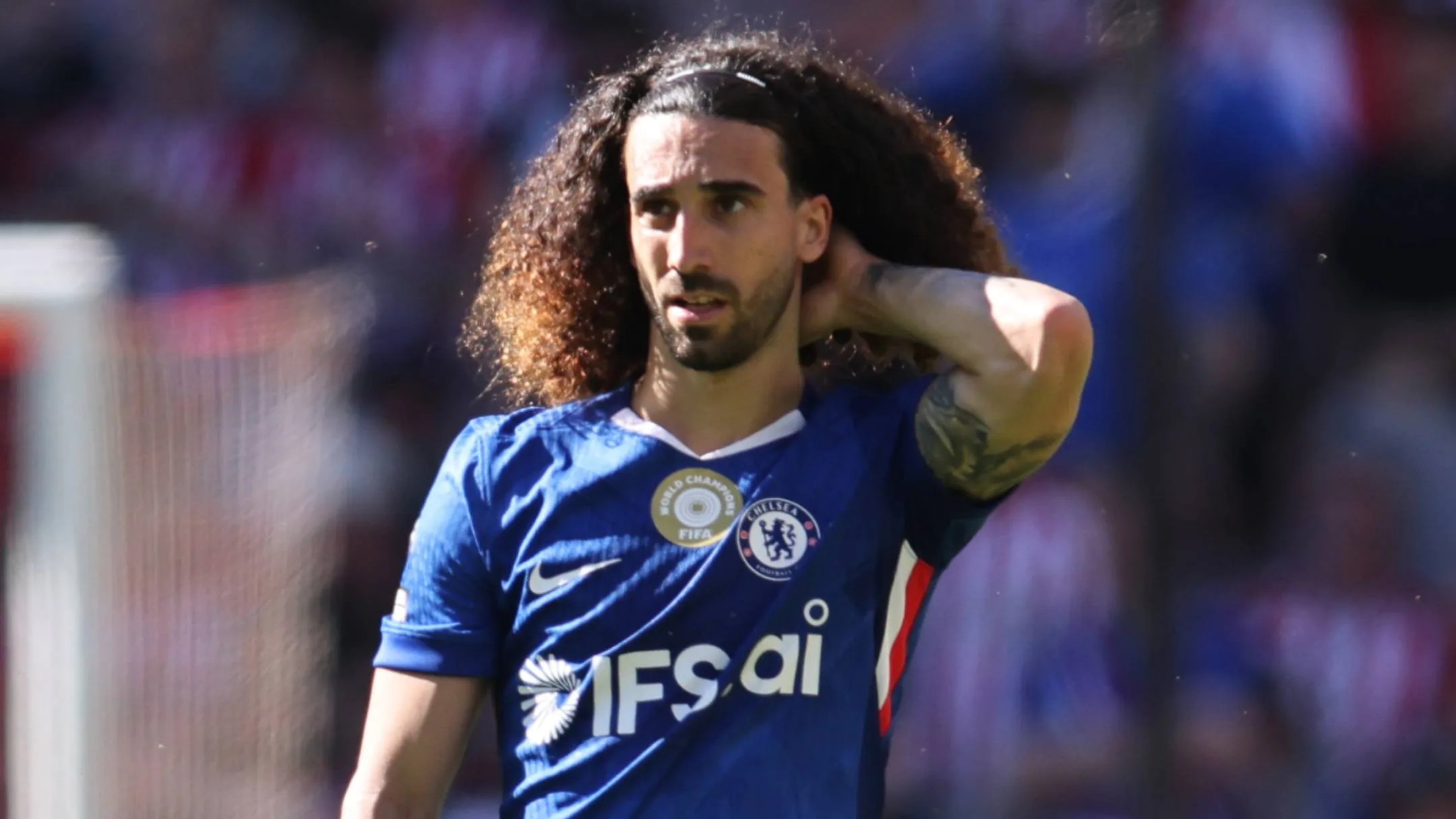
Real Madrid and Chelsea have reportedly reached a verbal agreement to make Marc Cucurella the most expensive left back in the club’s history. A verbal agreement between all involved parties was first claimed by Fabrizio Romano on Sunday. José Mourinho, Madrid’s freshly reappointed manager, was thought to have singled Cucurella out as his ideal left back target in a position which caused plenty of problems for the Spanish giants last term.
Madrid are expected to pay $69.4 million (£51.8 million, €60 million) for the 27-year-old, with a fixed fee of €55 million supported by a further €5 million in potential bonuses, per The Athletic. The move follows Cucurella’s earlier big-money switch from Brighton to Chelsea and, if completed at the reported numbers, will place the Spain international among the highest fees paid for players at his position.
Transfer figures cited in the available data place Cucurella among the top left-back moves globally, behind only a small number of other high-value deals. The published ranking lists include moves such as Lucas Hernández to Bayern and Benjamin Mendy to Manchester City, with Cucurella appearing twice because his Chelsea transfer is listed and his reported move to Real Madrid is included separately. All figures are attributed to Transfermarkt and converted from euros to dollars.
Less than one year earlier Real Madrid made Álvaro Carreras the club’s most expensive left back with a €50 million deal, a record set to be surpassed by Cucurella. That Carreras transfer was described in the draft as “something of an embarrassment for Madrid,” noting the club had Carreras in its academy for three years without giving him a senior appearance before letting him join Manchester United for free.
Carreras’ return to Madrid began brightly, with a time when Spanish media billed every starting XI as Carreras plus 10 others, but he soon lost his starting spot to a half-fit Ferland Mendy and failed to re-establish himself. A chastening night against Bayern Munich and a physical confrontation with teammate Antonio Rüdiger on the training ground were cited as low points.
Chelsea
Cucurella open to staying after positive meeting with Xabi Alonso
Cucurella says Alonso “inspired a lot of confidence” and leaves future at Chelsea open. Transfer nod
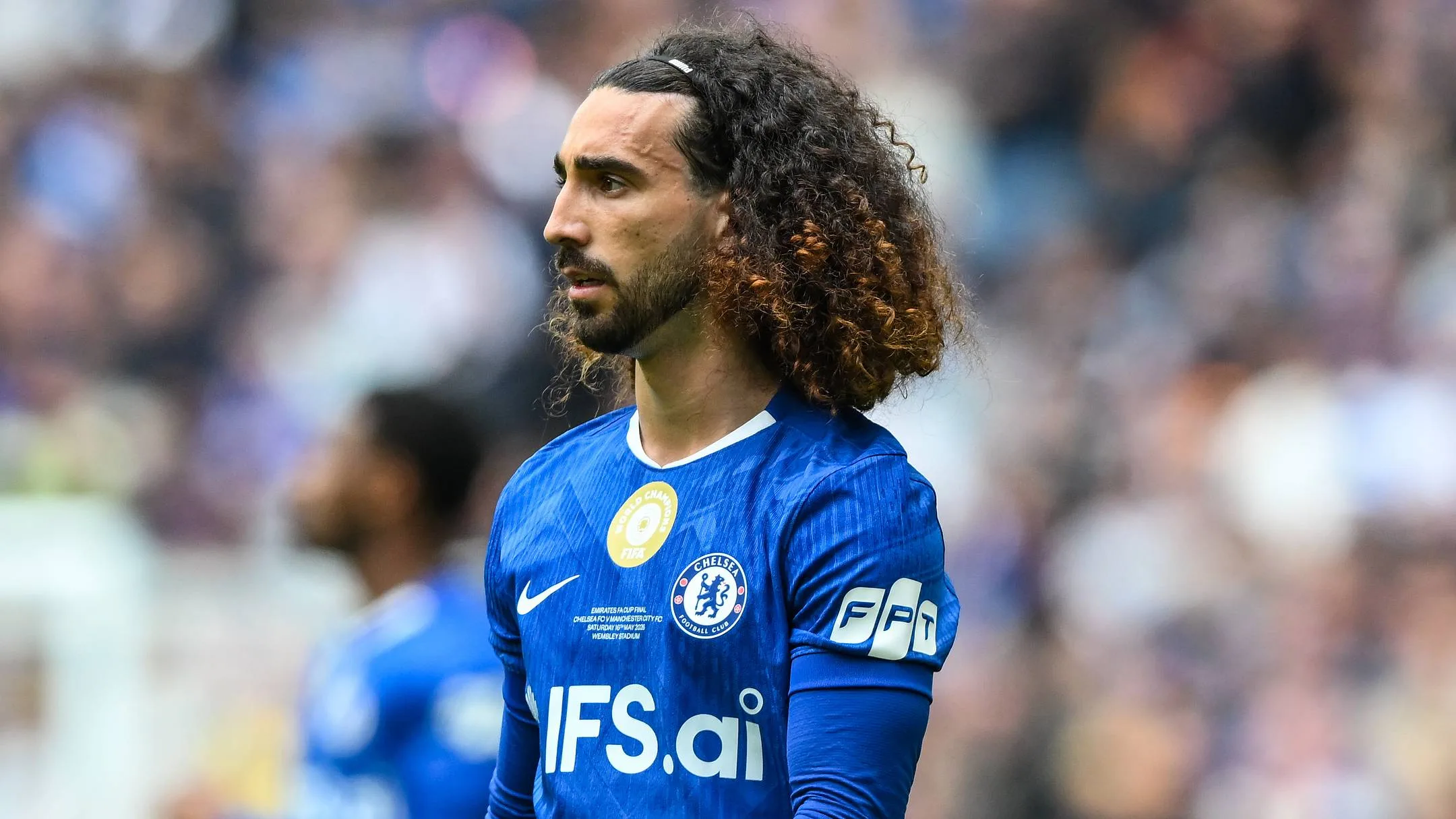
Marc Cucurella has confirmed he has already spoken with incoming Chelsea manager Xabi Alonso and described the conversation as confidence building. The defender, who has been linked with both Barcelona and Atlético Madrid and has expressed interest in returning to Spain, nevertheless suggested Alonso’s message left a clear opening for continued life at Stamford Bridge.
Asked by MARCA for his feelings towards Alonso’s project, Cucurella revealed: “I’ve spoken with him and he inspired a lot of confidence in me. I’ve also spoken with [Alejandro] Grimaldo and Borja [Iglesias], who have worked with him, and they spoke very highly of him.
“The project seems very interesting.”
Cucurella has regularly been central to whichever tactical plan his Chelsea managers have chosen. Under Maresca he often operated as an inverted attacking midfielder, encouraged to get involved in central attacks while still expected to defend his left wing. That hybrid usage has been a defining feature of his time at the club.
How Alonso uses Cucurella will depend on the formation he selects. Alonso’s 3-4-3 at Bayer Leverkusen turned Grimaldo, Cucurella’s Spain teammate, into one of the deadliest wing backs in Europe, a season that produced 12 goals and 20 assists in 2023–24. By contrast, Alonso’s spells at Real Madrid tended to favour 4-3-3 or 4-2-3-1 systems, both of which call for a more traditional left back.
Cucurella’s ability to perform as both an advanced inverted midfielder and as a traditional left back gives him flexibility that could suit multiple Alonso systems. That tactical versatility, combined with the positive endorsement from figures who have worked with Alonso, frames the defender’s situation: interest from Spain remains, but a convincing conversation with the new Chelsea coach has left the option of staying at the club very much alive.


-
 Chelsea2 months ago
If Xabi Alonso Took Charge at Chelsea: Formation, Principles and a Projected XI
-
 Arsenal2 months ago
Five leading contenders for 2025/26 Premier League Player of the Season
-
 Championship2 months ago
The Fall of Leicester: How Financial Choices, Recruitment and Instability Led to League One