
Southampton
Southampton Reportedly Reject Everton’s £27 Million Offer for Tyler Dibling Amidst Championship Drop
Southampton reject Everton’s £27M bid for Tyler Dibling; valuation now between £35-40M amid relegation.

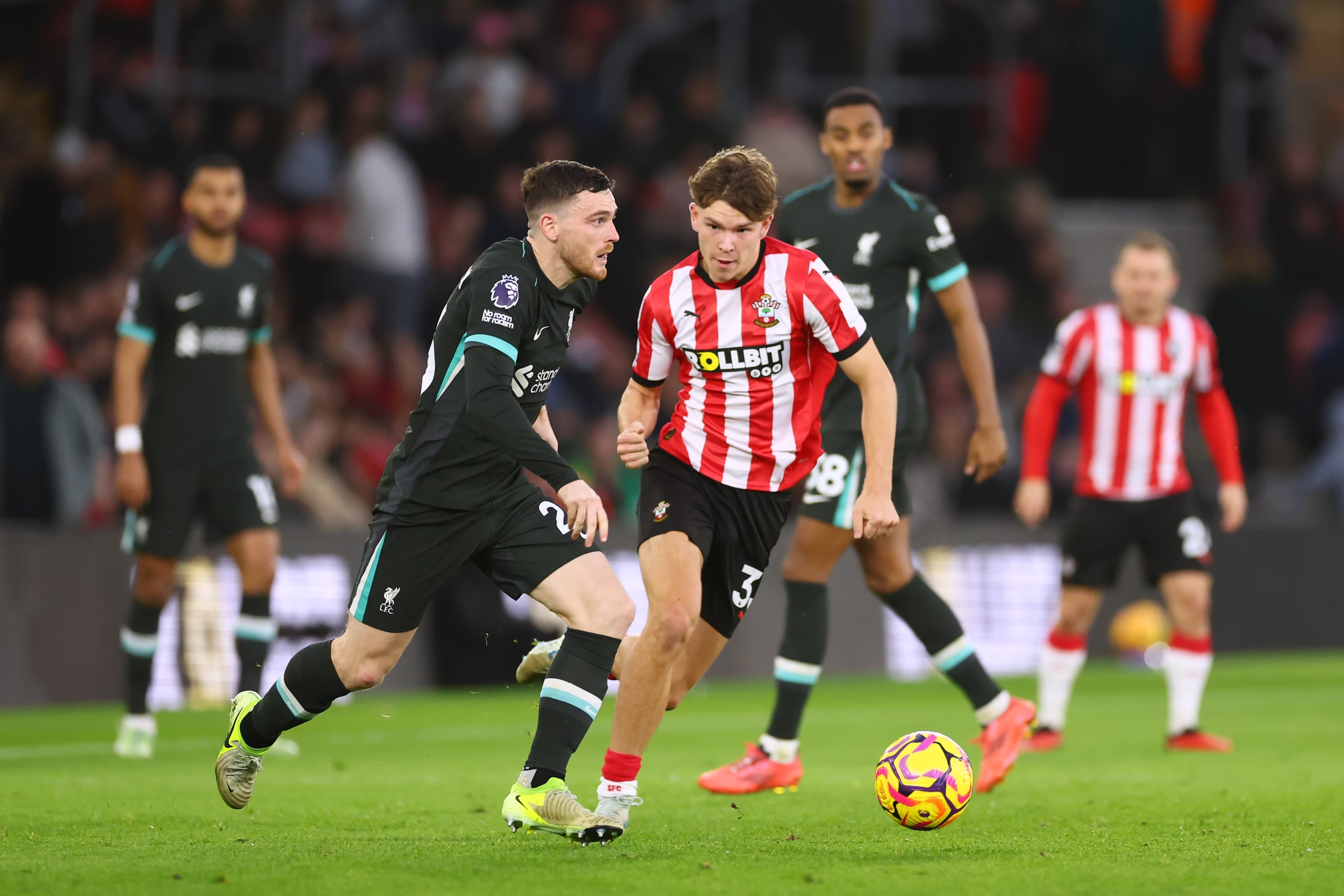
Southampton have turned down an initial £27 million bid from Everton for their promising young winger Tyler Dibling, despite the club’s recent relegation to the Championship. The south coast club had previously placed a substantially higher valuation on their academy product, with figures as steep as £100 million mentioned. However, sources now suggest Southampton’s asking price has fallen closer to £40 million, with Everton optimistic that a £35 million offer may be accepted.
Tyler Dibling emerged from Southampton’s youth setup, having joined their academy in 2012. In 2022, he briefly moved to Chelsea but returned to Southampton within just over a month after admitting, “I’ve made a mistake. I don’t enjoy it,” during a conversation with his former academy coach Jeremy Newton. Dibling quickly made an impact upon his return, scoring his first senior goal against Ipswich Town.
Interest in Dibling has been widespread, with clubs such as Manchester United, Chelsea, Aston Villa, Tottenham Hotspur, and RB Leipzig linked to the youngster. Talks of Manchester United’s potential £21 million offer were previously dismissed by Southampton’s then-boss Russell Martin, who said, “I’m not sure you’ll get his left foot for that.”
Now, with Dibling willing to relocate this summer, a transfer appears plausible as Southampton adjust their expectations in light of relegation. Everton’s approach represents a significant step towards securing the winger, who is regarded as one of the club’s brightest prospects despite the challenging circumstances faced by his current side.




Championship
EFL opens inquiry after alleged Southampton analyst filmed Middlesbrough training
Southampton face an EFL investigation after a man was caught filming Middlesbrough training. Playoff
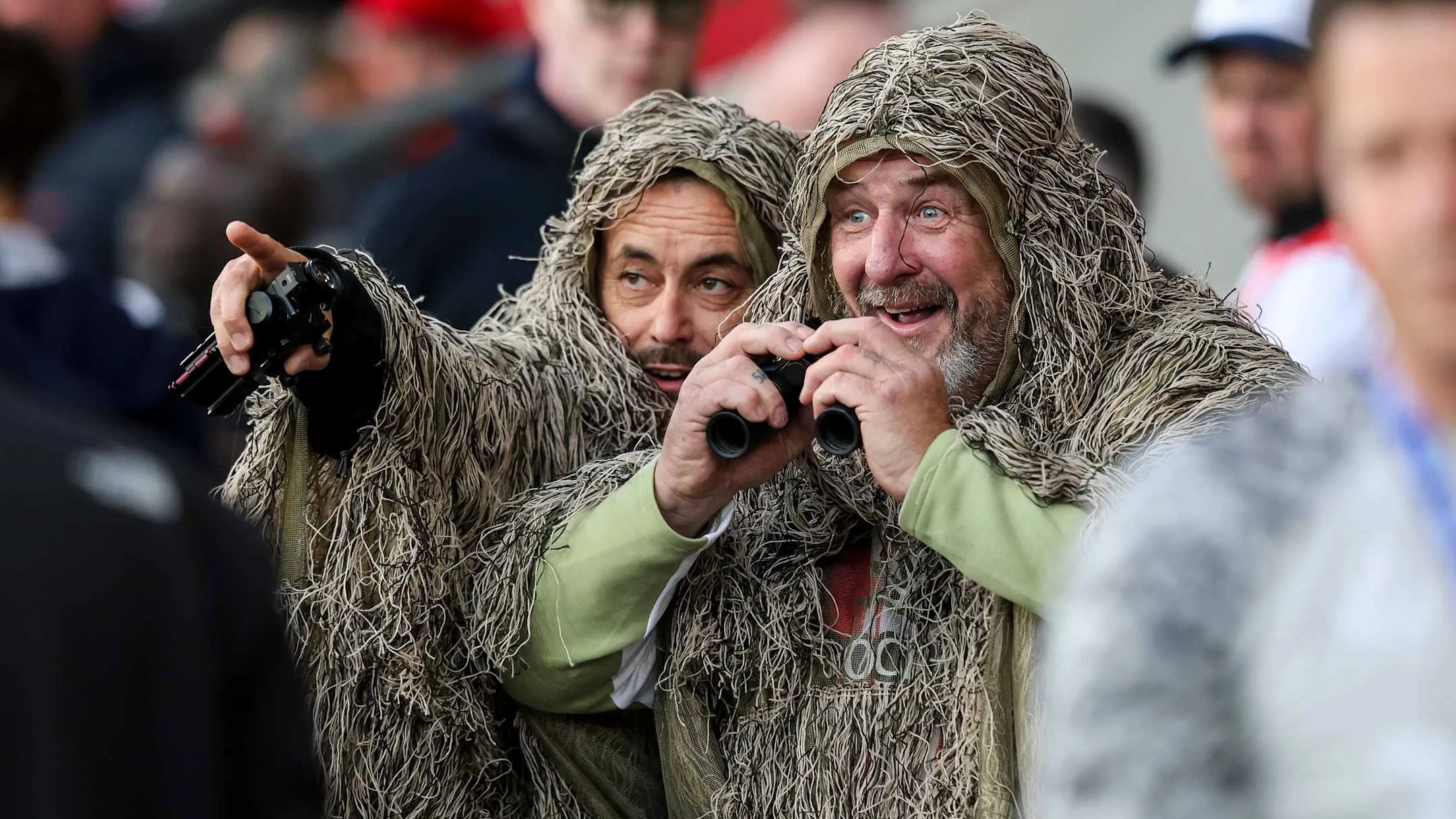
The Championship enters its decisive phase amid an investigation that has overshadowed the closing weeks of the season. On May 8 the Football League charged Southampton after a man, alleged to be a Southampton performance analyst, was recorded on CCTV at Middlesbrough’s training ground and accused of filming sessions and gathering tactical information.
When confronted, the man denied the accusations, appeared to delete something off his phone, ran into a nearby bathroom to change clothes and quickly fled the scene. In the days after the incident The Guardian reported that Middlesbrough had been contacted by other Championship clubs concerned about how consistently prepared Southampton had looked in meetings between the sides.
Attention has focused on Southampton’s dramatic upturn in form during 2026. Fifteenth in the table on Jan. 17, Tonda Eckert’s side put together a 19-game unbeaten run, rising as high as fifth and securing a place in the playoffs alongside Millwall, Middlesbrough and Hull City. Wrexham finished two points outside the playoff places in seventh.
The EFL investigation continued while the playoffs went ahead. Middlesbrough hosted Southampton in the first leg of their semifinal on May 9 and the tie was scoreless. Three days later Southampton won 2–1 at St Mary’s to advance to the playoff final, where they will face Hull City at Wembley on Saturday, May 23.
Middlesbrough manager Kim Hellberg has accused Southampton of “cheating” and appealed for wider support in the second tier. He spoke carefully because of the investigation but was emotional after his side’s elimination. “If we didn’t catch that man who they sent up, five hours to drive, you would sit here and say, ‘well done’ maybe in the tactical aspects of the game and I would go home and feel like I have failed in that aspect that I had to help my players,” Hellberg said.
“But when that is taken away from you, when someone decides: ‘Nah, we’re not going to watch every game, we’ll send someone instead, we’ll film the session, and see everything, and hope they don’t get caught’—I guess that’s why they were switching clothes and all those things—it breaks my heart, in terms of all those things I believe in. I don’t care if there are different rules in other countries.
“If we didn’t catch the person, I’d be sitting here thinking I should’ve done better things. We spend all that time away from family, all of our coaches trying to get a fair way to win a game of that magnitude, and then people are talking [about a] fine for breaking that one that means you go again and take those people with more money. I think it’s absolutely terrible, and again it has nothing to do with the players of Southampton, they deserve all the credit for what they’ve done, it has nothing do with their supporters. We will see what will happen.”
The EFL could apply a sporting sanction if guilt is established. At this late stage such a punishment would likely relate directly to the playoff tie, with proposals including an automatic 3–0 defeat for the first leg, which would hand Middlesbrough the tie. Any ruling would be open to appeal. The case recalls the 2019 Leeds United incident, when Leeds were fined £200,000 after filming Derby County’s training session on Jan. 10, 2019 and a 72-hour rule was introduced; the Paris Olympics in 2024 also featured a spying controversy.
Arsenal
Thirty Premier League Shirts That Stood Out
A curated ranking of 30 Premier League shirts that defined clubs, makers and memorable seasons. -list
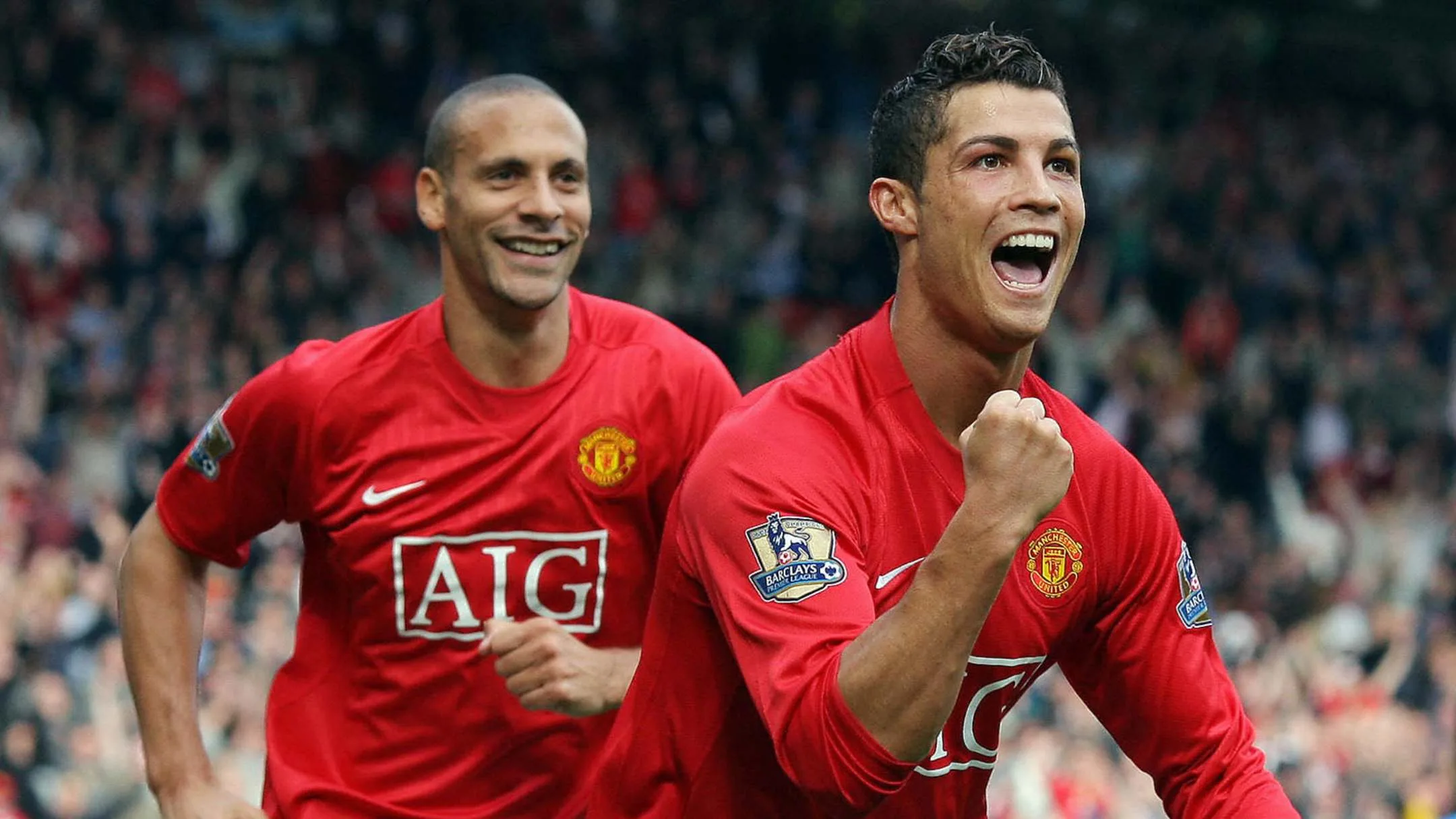
The Premier League era has produced shirts that are as memorable as the matches played in them. This selection focuses on designs and moments described in the original list, highlighting what made each kit distinctive for supporters and collectors.
New Balance closed out their stint with Liverpool in fashion, delivering a pinstriped design that became legendary among Reds fans. Umbro enjoyed a fruitful period with Nottingham Forest, whose baggy 1994–96 home shirt featured a large collar and three complementary colours as Forest finished third in 1994–95.
Crystal Palace donned a template reminiscent of continental styles but wore it with swagger despite finishing last that season. The Latics made a memorable debut in the top flight—10th place and a League Cup final appearance—appearing in a JJB-designed kit worn by Pascal Chimbonda, Paul Scharner and Jimmy Bullard.
Chelsea’s 2003–05 Umbro V-neck combined simplicity with success as the club won the Premier League in that strip. Southampton’s early 2000s shirt proved that well-executed stripes and a subtle V-neck can elevate a team’s look, with James Beattie prominent in that era.
Manchester City’s 2011–12 memories are tied to the season’s famous finale, yet their Umbro away strip and an earlier Umbro home shirt also stand out: bold red and black stripes with yellow accents on the away and a restrained home design worn by players including Carlos Tevez.
Manchester United’s early-2000s Nike template combined red, black and white into a mean-looking shirt associated with Ruud van Nistelrooy. Reebok’s 2004–05 Liverpool home kept details subtle while the Carlsberg sponsor and white underarm panels framed a Champions League-winning look.
Asics supplied Blackburn’s title-winning half-and-half layout in the 1990s. Umbro’s modernised Chelsea blue, Samsung-accented Chelsea kits worn during José Mourinho’s back-to-back success, and Nike’s AIG-era Manchester United shirts are all celebrated for their balance and simplicity.
From Leeds’ pure white Nike template to Arsenal’s unbeaten-season kit, from West Ham’s FILA strip to Coventry’s Le Coq Sportif effort, these shirts capture design trends, sponsors and moments that continue to resonate with fans.
Liverpool
Why Sadio Mané Turned Down Manchester United Before Joining Liverpool
Mané explains rejecting Manchester United in 2015 and choosing to remain at Southampton. to join LFC
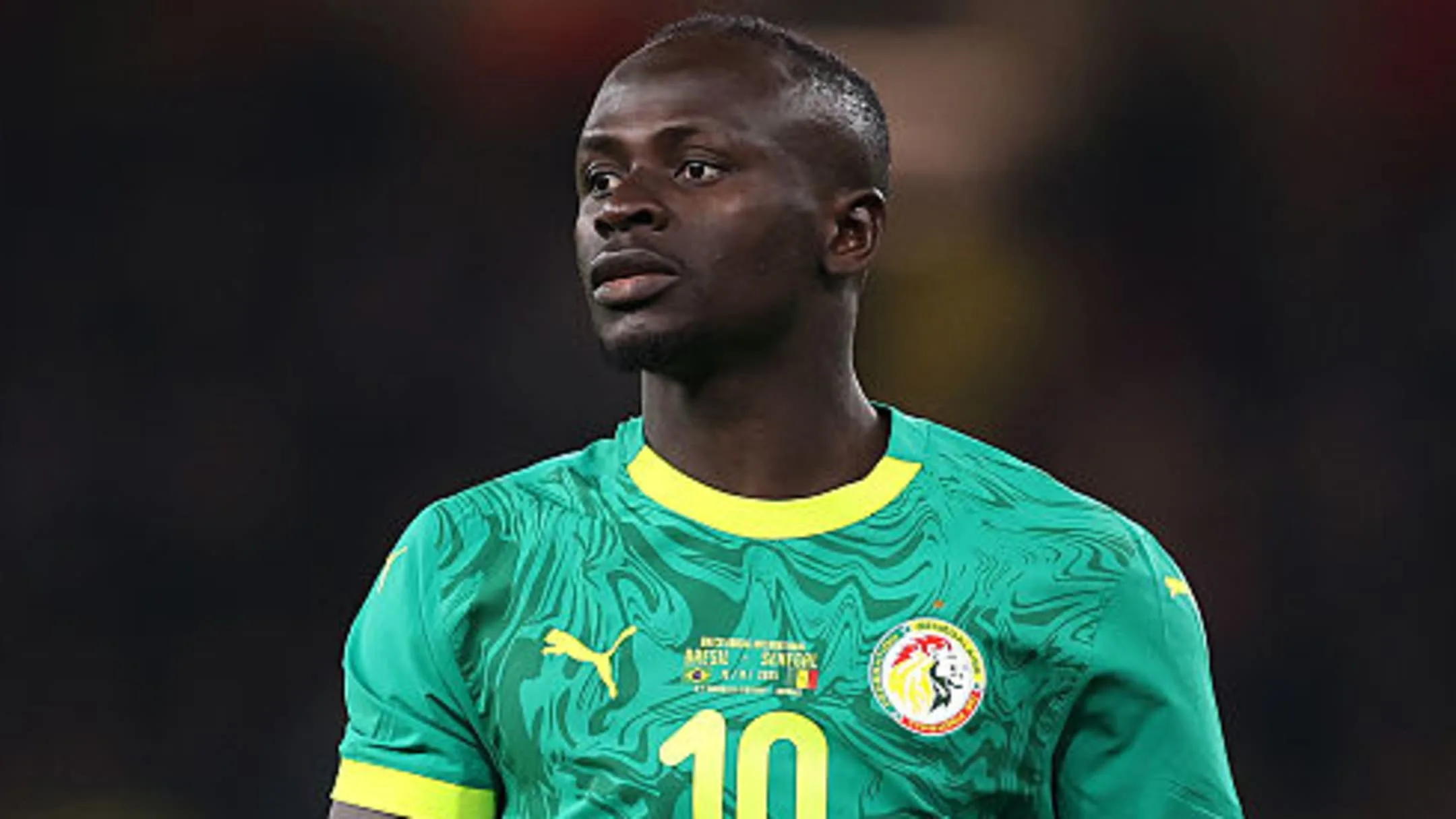
Sadio Mané has explained why he declined a move to Manchester United in 2015, opting to remain at Southampton for another season before completing a transfer to Liverpool in 2016. At Southampton he scored 10 goals in 30 Premier League appearances as the club finished seventh, their best placing in 25 years.
Mané says his primary concern was regular playing time in a United squad that already featured established attacking names. “I was talking to Van Gaal at that time. Rooney was there. And Di María was there … and Depay was there. When they failed to get me, they bought [Anthony] Martial,” Mané explained in a new video from Rio Ferdinand Presents on YouTube.
He recalled a personal call from the manager and a candid conversation about where he would fit. “Van Gaal called me and he said, ‘Mané, how are you? What are you doing?’ He said, ‘I want you to come to Manchester United.’ Okay, now I’m talking to my agent.
“[Van Gaal said], ‘We’ll see what is the best, because I know you’re a good player and you can help the team, and we can help you also to become a better player. And then I said, ‘Okay, so my question: you have Depay, you have Rooney, you have Di María, you have Van Persie … so where am I going to play?’ That was my question, because me, I want to play.
“He said, ‘I know your talent, you’re good. But if you do good training, good impression, you will play. But we have another player which is also good.’ I was not convinced about his explanation. But at the time, me, I was not ready, I can say. I was young. I still needed someone to help me more. And one or two more years to become what I want to be. Because I was still in Southampton, I was not consistent. And then we said, ‘Okay, we’ll see.’”
Mané also revealed he held talks with Mauricio Pochettino and Tottenham Hotspur and felt “more convinced than the Man United project.” “Because Man U was too many … the problem was too many big players,” he said.
A year later Liverpool signed Mané for £36 million ($47.1 million). He went on to win six trophies with the club, including the Premier League and the Champions League, and in 2022 was voted the second best player in the world in that year’s Ballon d’Or rankings.
Van Gaal later listed Mané among several players he had tried to sign while at United, underscoring the club’s transfer ambitions at the time.


-
 Chelsea2 months ago
If Xabi Alonso Took Charge at Chelsea: Formation, Principles and a Projected XI
-
 Arsenal2 months ago
Five leading contenders for 2025/26 Premier League Player of the Season
-
 Championship2 months ago
The Fall of Leicester: How Financial Choices, Recruitment and Instability Led to League One