Premier League
Opta supercomputer places Spurs and West Ham at centre of 2025/26 relegation fight
Opta supercomputer puts Spurs and West Ham in a two-horse relegation fight with three games left …

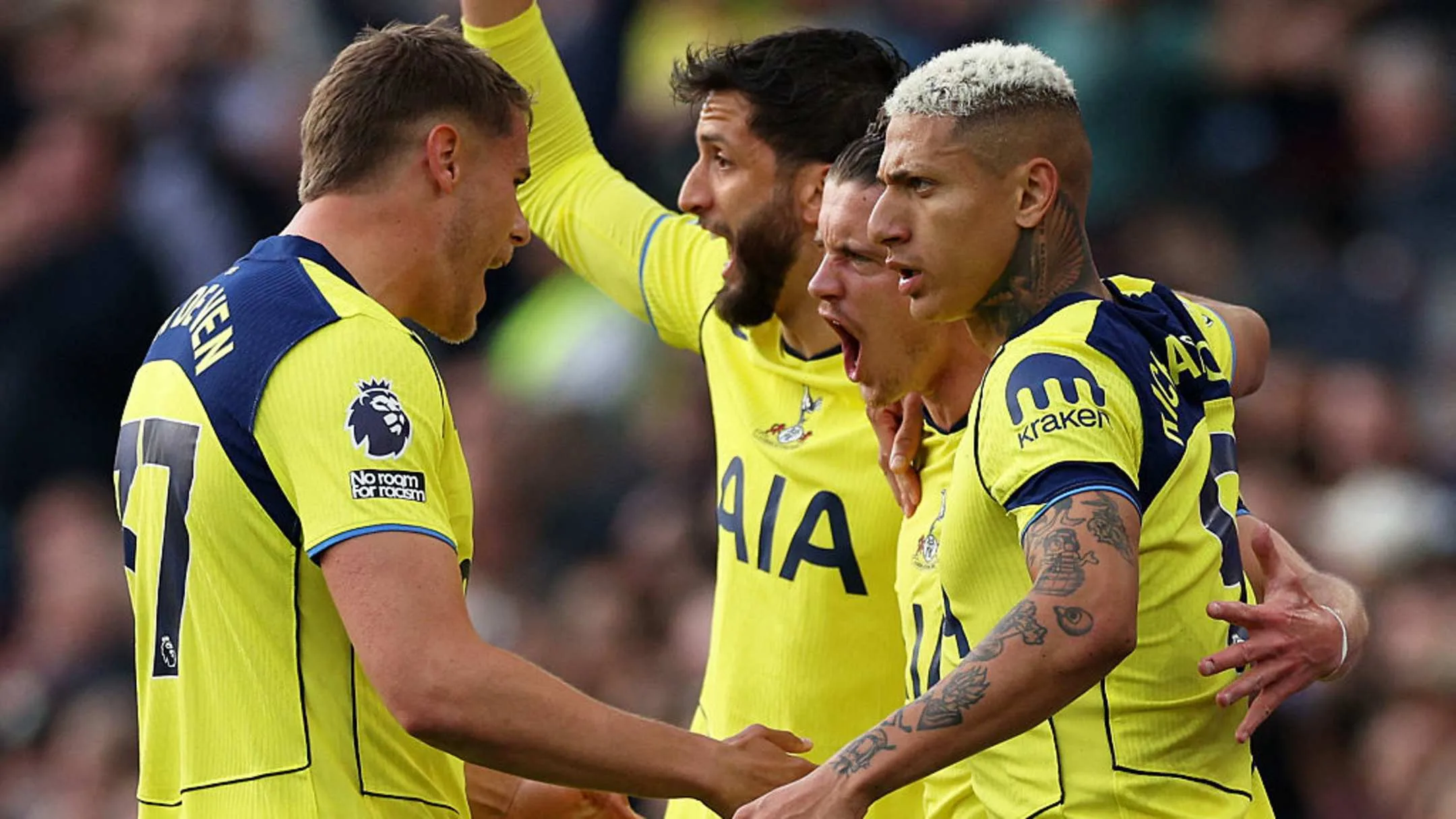
Tottenham Hotspur’s 2–1 victory at Villa Park on Sunday shifted the look of the relegation scrap as the 2025/26 campaign nears its end. A day earlier West Ham suffered a 3–0 defeat to Brentford, and the two results combined to reverse the positions of the clubs that had occupied 17th and 18th heading into Gameweek 35.
Before those results, West Ham held the edge over Roberto De Zerbi’s men. After Tottenham’s win at Aston Villa, Spurs moved above the Hammers. With only three matches remaining, Opta’s supercomputer offers a clear set of probabilities for the final run-in:
15. Leeds United — Current Points 43, Expected Points 46.72, Relegation Chances 0.10%
16. Nottingham Forest — Current Points 39, Expected Points 44.12, Relegation Chances 2.29%
17. Tottenham — Current Points 37, Expected Points 40.90, Relegation Chances 22.48%
18. West Ham — Current Points 36, Expected Points 39.22, Relegation Chances 75.09%
19. Burnley — Current Points 20, Expected Points 22.73, Relegation Chances 100.00%
20. Wolves — Current Points 18, Expected Points 21.02, Relegation Chances 100.00%
Leeds United strengthened their position with a 3–1 victory over Burnley on Friday. The three points moved Daniel Farke’s side to 14th, seven points clear of the drop zone. Opta’s model still projects the Whites to finish a place lower than they stand now, but that margin provides breathing space.
Nottingham Forest must wait until Monday’s meeting with Chelsea. Even a single point at Stamford Bridge would take the Tricky Trees to 40 points, and the supercomputer backs Vítor Pereira’s men to indeed remain safe, assigning them a 2.29% chance of relegation.
For Tottenham, consecutive league wins have produced a small cushion in 17th, but the model gives them a 22.48% probability of dropping out of the division for the first time since 1977. With three games left, the permutations are tight and every result will materially reshape those projections.



Analytics & Stats
Six Premier League Underperformers in the Opening Weeks of 2026/27
A look at six Premier League names who have fallen short in the opening weeks of 2026/27.
A new Premier League campaign is usually a time for resets, and this season has offered a longer runway than most for players to settle in. Some have taken advantage. Others, including several high-profile names, have yet to find any rhythm at all.
That contrast has made the early weeks of 2026/27 a useful moment to separate the encouraging from the disappointing. Here, then, are six of the season’s most underwhelming performers so far.
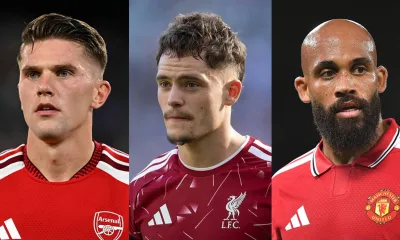
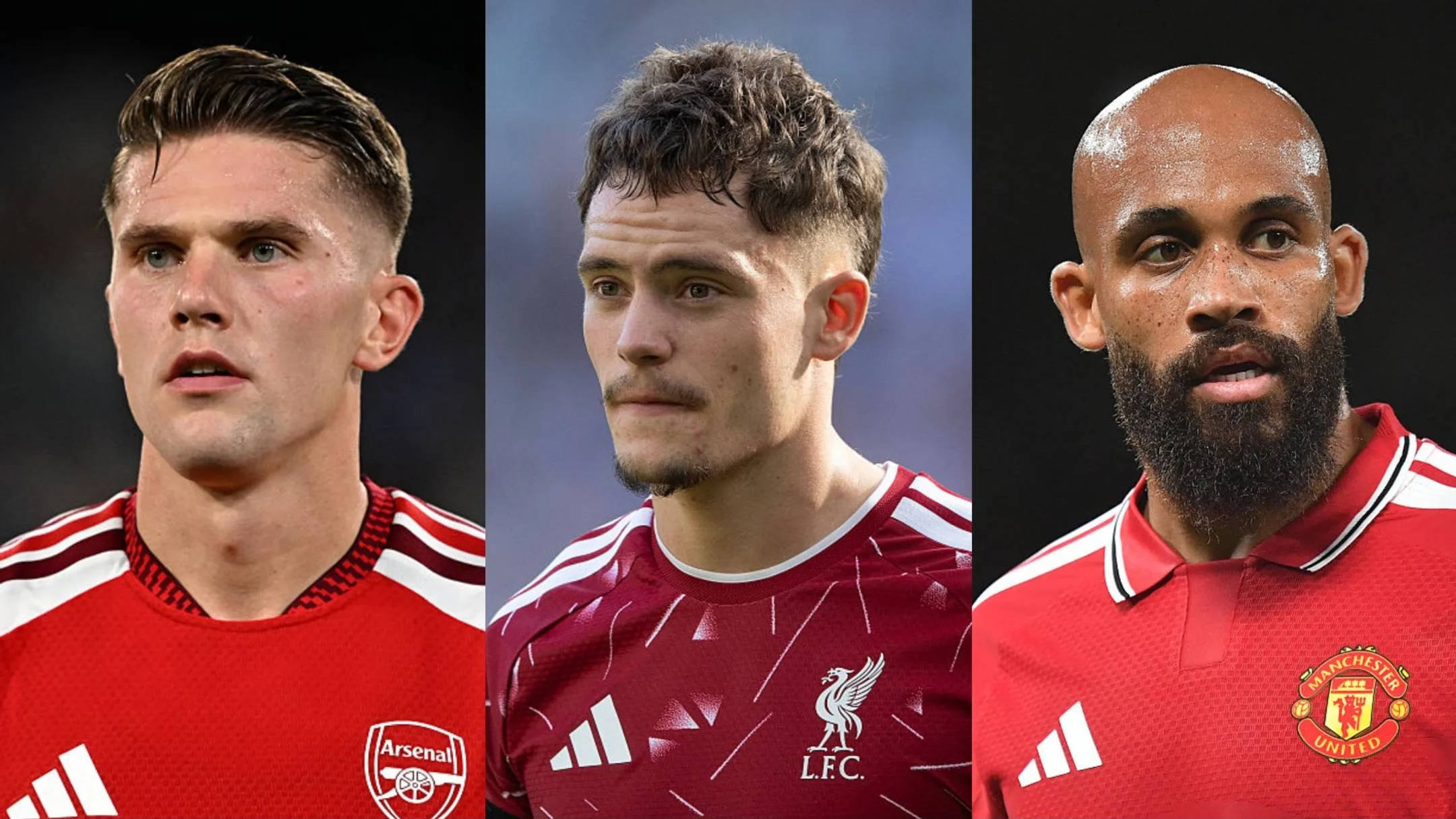
Florian Wirtz has already drawn heavy criticism after another subdued display at Bournemouth. Jamie Carragher was particularly blunt, saying that he doesn’t believe Wirtz “is in poor form; what we’re seeing is what he is.” Liverpool had hoped the €117.5 million arrival would kick on in his second season, but he has started this campaign with only one assist and too often looks peripheral rather than decisive.
Manchester United’s struggles are collective, but several individuals have also fallen short. The side sit 12th with five points and one league win, while Bruno Fernandes, Matheus Cunha and the new midfield additions have yet to impose themselves. Bryan Mbeumo has been pushed wide and has found one-on-one situations difficult, even if he has scored twice.
At Arsenal, Viktor Gyökeres has not convinced. He scored 14 league goals and five more in Europe last season, but this time he has been limited to just 29 Premier League minutes and enters October without a goal.
Sandro Tonali’s move to Tottenham Hotspur carried a huge price tag, yet the early return has been modest. He can carry the ball and protect transitions, but he still looks better suited to a more balanced midfield around him.
Chelsea’s switch from Robert Sánchez to Emiliano Martínez was framed as a statement of intent, but Martínez has conceded 10 goals in four league appearances and remains exposed by the team’s defensive structure.
Dominic Solanke completes the list. Tottenham’s attack has lacked control and reliability, and the striker looks well below the standard needed right now.
Manchester United
Premier League admits major VAR mistake, but Carrick gets no relief
The Premier League admitted a major VAR error in the derby, but the result remains unchanged.

The Premier League have acknowledged a “significant” VAR error in the build-up to Erling Haaland’s winner in the Manchester derby, but the admission brings no practical comfort to Michael Carrick or his side.
The goal stood after officials decided not to focus on Fernández’s involvement, a call that left Carrick and Lisandro Martínez frustrated. Their argument was straightforward: Haaland was left free in the box only because he had been drawn away to deal with Fernández.
Before a meeting with representatives from all 20 clubs, the league issued a letter that, according to The Times, accepted a serious mistake had been made. It described early-season officiating as being overshadowed by a major VAR failure in the match between Manchester United and Manchester City on Sunday, Sept. 13.
“Despite a positive start, early season officiating performance has been overshadowed by a significant VAR error in the Manchester United vs. Manchester City match on Sunday, Sept. 13,” the letter reads.
“The VAR did not recognize an offside offense by Enzo Fernández and incorrectly overturned the original decision of offside to allow the goal to stand. Pro Ref are undertaking a full review of the incident, which will be reviewed by the Premier League, with learnings being adopted immediately.”
For United, the acknowledgement may at least offer honesty, but it does nothing to alter the outcome of a match that will remain defined by the controversy around the winning goal.
The more meaningful consequences are expected to emerge behind the scenes, particularly in how VAR operates during matches.
Comparable incidents are rare because they tend not to involve clear rule misreadings. One of the closest examples came in September 2023, when Liverpool had a goal wrongly disallowed in a 2–1 defeat to Tottenham Hotspur.
Luis Díaz was incorrectly flagged for offside after scoring, even though a VAR review showed he was onside. A communication breakdown meant the VAR official believed the goal had initially been allowed, and the mistake led to the goal being ruled out.
That case prompted major process changes, with VAR officials instructed to confirm the final verdict of their reviews alongside updated communication guidelines.
Tottenham Hotspur
Tottenham’s greatest players: a ranking built on class, longevity and silverware
Tottenham’s greatest names span generations, from White and Greaves to Bale, Son and Lloris.
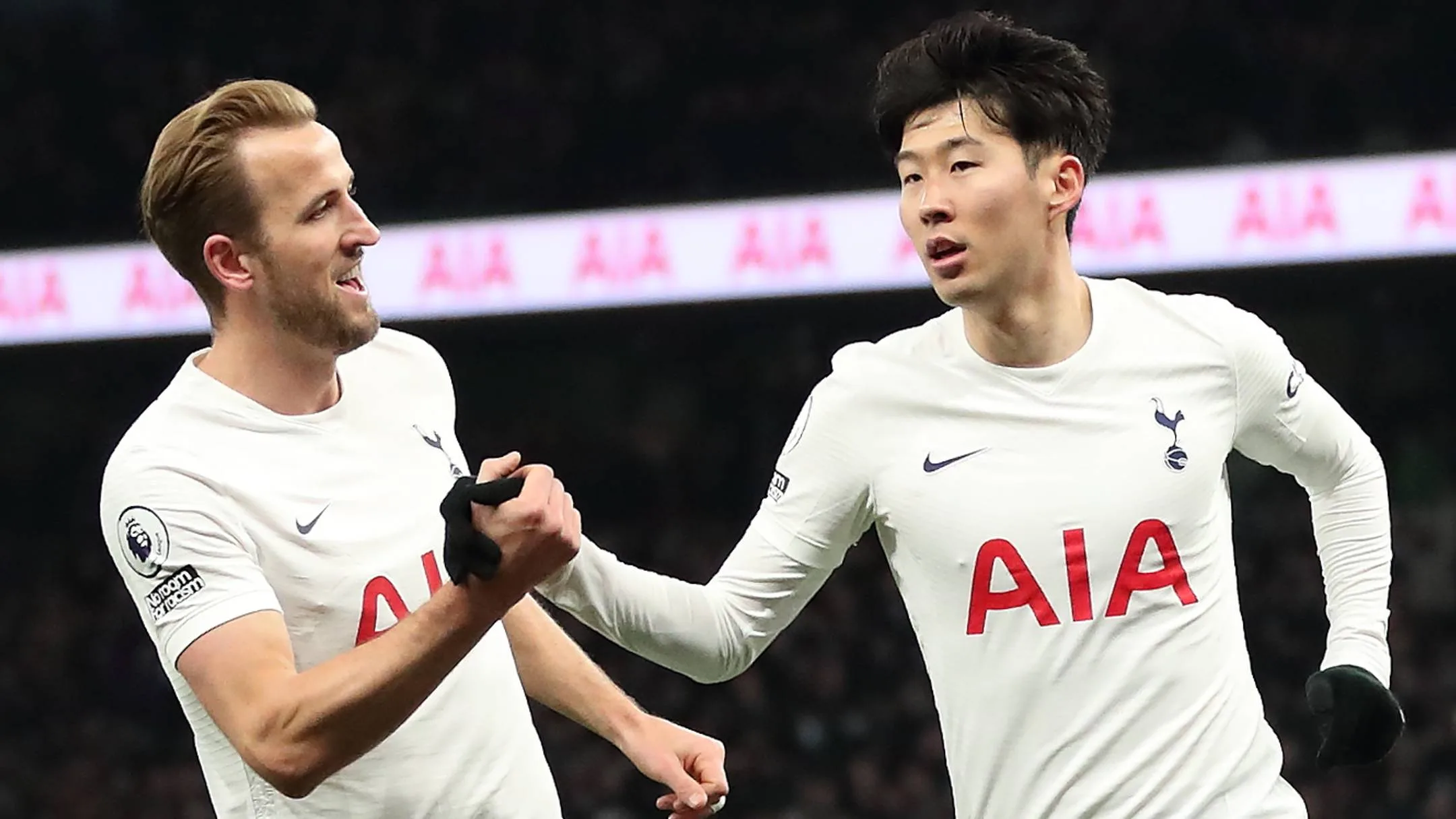
Tottenham Hotspur’s history is rich with players who defined eras, lifted trophies and left lasting marks on the club. Across decades, Spurs have been carried by gifted creators, ruthless finishers, tireless midfielders and defenders who helped shape the modern game. This ranking draws from that tradition, highlighting the individuals whose quality made them stand out in north London.
Some names are included for brilliance cut short, others for extraordinary consistency, and several for carrying Tottenham through major successes. John White remains one of the club’s great lost talents, a playmaker whose life and career were ended far too soon. Dimitar Berbatov brought elegance and control in attack, while Mousa Dembélé earned the admiration of teammates and rivals alike for a midfield presence that was almost impossible to handle.
Goals also weigh heavily in Tottenham’s story. Robbie Keane scored 122 times across two spells, Gary Lineker produced 80 goals in just 138 appearances, and Jermain Defoe struck 143 times in all competitions for Spurs. Jimmy Greaves remains the benchmark for forwards at the club, with 266 goals in 379 games, while Bobby Smith was central to one of Tottenham’s great sides and formed a formidable partnership with Greaves.
The list also reflects players who changed the way the team played. Cyril Knowles was an attack-minded full back ahead of his time, Glenn Hoddle brought vision and sophistication, and Luka Modrić became the heartbeat of midfield before eventually winning the Ballon d’Or elsewhere. Gareth Bale’s evolution from left back to world-class winger remains one of the club’s most striking transformations, while Son Heung-min added another modern chapter through goals, pace and decisive link-up play.
In goal, Hugo Lloris and Pat Jennings stand out for very different reasons, while Steve Perryman and Gary Mabbutt symbolise longevity and reliability. There are also the fierce, uncompromising qualities of Dave Mackay and Ledley King, plus the flair of David Ginola, Paul Gascoigne and Chris Waddle. Together, they form a portrait of a club whose finest players have combined talent, character and achievement in equal measure.

Six Premier League Underperformers in the Opening Weeks of 2026/27

Premier League admits major VAR mistake, but Carrick gets no relief