Aston Villa
Liverpool’s route into the Champions League before the Villa trip
Win at Villa sends Liverpool into the Champions League; draws or other results could change that…


With two matches left in a difficult 2025–26 campaign, Liverpool arrive at Villa Park with Champions League qualification still to secure. Arne Slot’s side have just two fixtures remaining: away to Aston Villa and then at home to Brentford. Three points from those games would guarantee a top-five finish.
The simplest outcome is clear. A win at Villa Park would qualify Liverpool for the Champions League. That result would put the Reds out of reach of Bournemouth and Brighton & Hove Albion, with three points from Friday ensuring Liverpool cannot be caught.
Aston Villa are in the same position on points and know that victory would also clinch their place, with Unai Emery’s team currently only behind Liverpool on goal difference. Villa also have the Europa League final against Freiburg to consider next Wednesday; a win in that game would deliver Champions League qualification for them.
A draw in Birmingham could be enough for Liverpool. A stalemate would take them to 60 points, five ahead of Bournemouth and seven clear of Brighton, having played one more match. If Bournemouth then failed to beat Manchester City at home the following Tuesday, Liverpool’s lead would be unassailable.
Defeat at Villa Park would not automatically eliminate the Reds but would put them at the mercy of other results. A loss would require Brighton to fail to beat Leeds United on Sunday and Bournemouth to lose against Man City for Liverpool to still claim qualification before the final day.
If Brighton win this weekend and Bournemouth take at least a draw with Man City while Liverpool lose at Villa, Slot’s side would need to wait until the final day to seal their place. They would still control their destiny on the last day by needing to beat Brentford at Anfield.
The maximum Liverpool can finish on is 65 points. Even successive wins over Aston Villa and Brentford would leave them 19 points short of last season’s Premier League-winning total.
Key table detail: Liverpool are fourth on +12 goal difference with 59 points; Aston Villa are fifth on +4 with 59 points; Bournemouth sit on +4 with 55 points.




Analytics & Stats
Premier League after 10 games: the questions that still shape the season
After 10 games, the Premier League has clearer patterns, but several major questions remain unanswered.
Ten matches into the 2026/27 Premier League season, the broad lines of the campaign are beginning to emerge. Yet with domestic football returning after the November international break, there is still no shortage of unanswered questions across the division.
At the top, Mikel Arteta is handling the kind of dilemma managers usually welcome. Ezri Konsa is in form, William Saliba is back, and the decision between them comes as key fixtures against Manchester City, Brentford, Spurs and Manchester United move into view. Konsa offers strength in duels, while Saliba brings the option of a higher line.
Aston Villa’s six-match unbeaten league run has kept them moving, but it has not been fully convincing. Unai Emery’s side have too often been drawn into frantic, open games and have not controlled them well enough. Their numbers reflect that, with Villa 15th for average possession and third for times dispossessed.
Bournemouth continue to stand out. Only Paris Saint-Germain and Real Madrid have also won their last eight matches across Europe’s big five leagues. Marco Rose’s side are Opta’s favourites for the Europa League and have not allowed European commitments to disrupt their domestic form. Evanilson, Marcus Tavernier and Rayan are operating as a dangerous front three, with Eli Junior Kroupi set to return to the mix.
Brentford are sharing goals, but Thiago is not reproducing the level he reached last season, despite getting into dangerous positions. Brighton, meanwhile, are making a more serious case by the week. They are the only side to beat Arsenal this season, they are the league’s top scorers and they are doing it with confidence and verve.
Elsewhere, Chelsea still need to find the right place for Estêvão, Coventry need points rather than encouragement, Palace are adjusting to Thomas Frank, Everton are stretched by a 21-man squad, Fulham still need a finisher, Hull remain limited, Ipswich keep making errors, Leeds need more from Wilson, Liverpool’s midfield is unsettled, and City’s three straight defeats have raised difficult questions. Newcastle, Forest, Sunderland and Spurs also carry significant concerns into the next phase of the season.
Aston Villa
United’s next manager could cost far less, or far more, depending on the route chosen
United could pay $10m for Pochettino, or nothing for other out-of-work candidates.

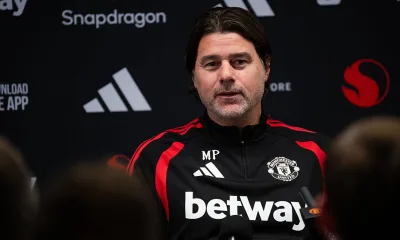
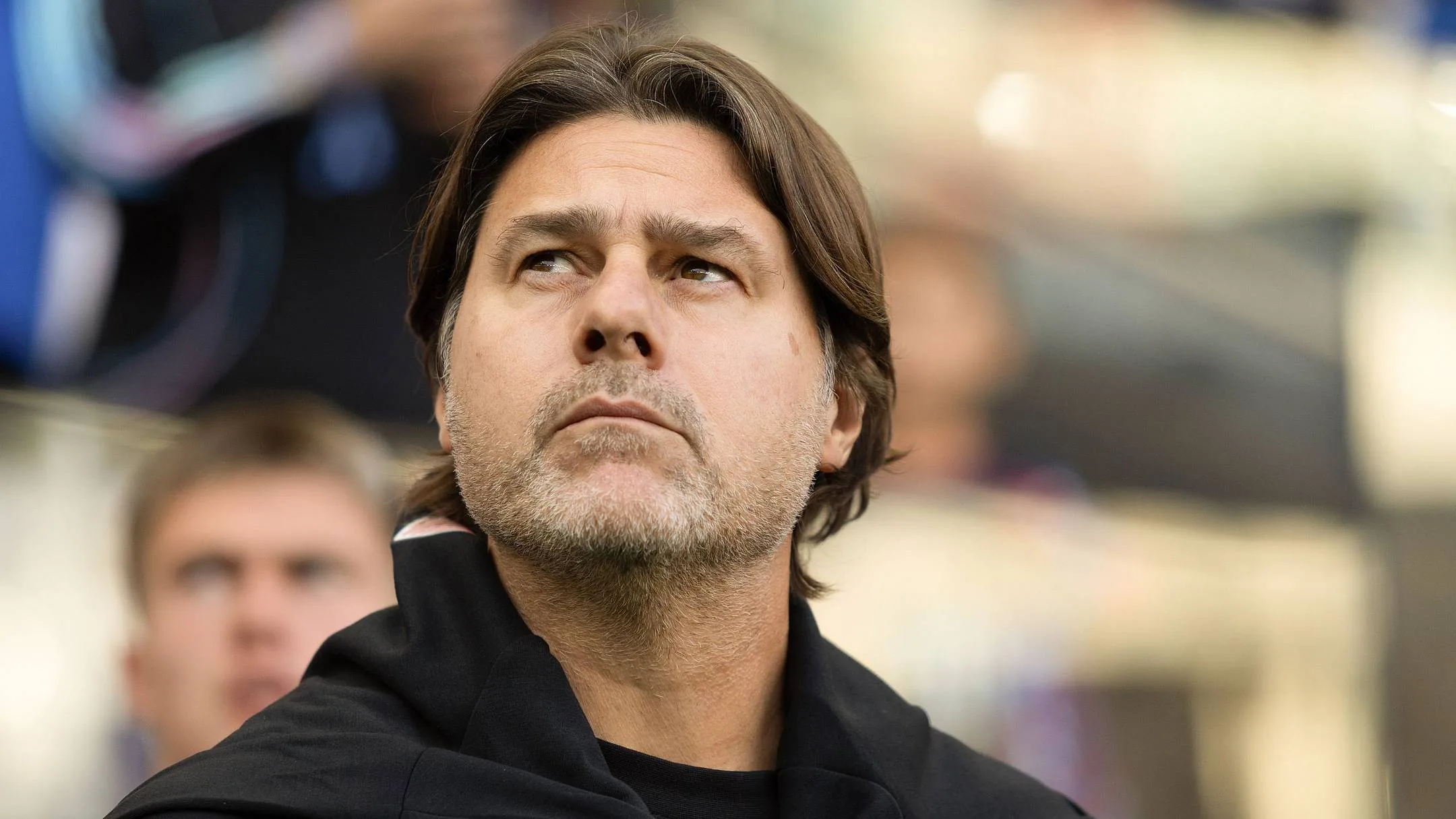
Manchester United are weighing up a managerial appointment where the fee may matter almost as much as the candidate. Mauricio Pochettino would reportedly cost more than $10 million to be prised from his U.S. men’s national team deal, but he is not the most expensive option on the club’s radar.
The issue reflects a familiar theme at Old Trafford. Since Ole Gunnar Solskjær’s spell ended early in 2021-22, after successive third and second-place Premier League finishes, four semifinals and a final, United have repeatedly found that changing manager carries a sizeable bill. That has been a difficult pattern at a time when other costs have generally been reduced.
Erik ten Hag did deliver trophies, winning the Carabao Cup in 2022-23 and the FA Cup in 2023-24. That placed him among only six managers in the club’s history to have won two trophies. Even so, United considered replacing him in the summer of 2024, then extended his contract before dismissing him within four months at a cost of £14.5 million ($19.5 million at today’s rate). Ruben Amorim’s move from Sporting CP cost £11 million ($14.8 million), and his departure after 14 months added another £16 million ($21.5 million).
Carrick represented the opposite end of the scale. When he returned to Old Trafford as interim manager last January, he was unattached, so the club paid nothing to appoint him. His salary is believed to be lower than those of his two most recent predecessors, which would also limit any future payout. If he were to lose his job, the final figure would only be confirmed when United’s 2026-27 accounts are published towards the end of next year.
Pochettino signed his U.S. Soccer agreement in August after his previous terms expired at the end of the 2026 World Cup. The Athletic reports a $10 million buyout, with “millions more dollars” required to bring his coaching staff as well.
Unai Emery would be pricier still. The Telegraph has reported Aston Villa would ask for £20 million ($26.9 million), while Eddie Howe’s compensation is falling from £6 million in the summer to around £3 million ($4 million) by the end of October. Julian Nagelsmann and Antonio Conte would cost nothing.
Aston Villa
United’s chaos continues in 4-4 draw with Villa
United’s 4-4 draw with Villa mixed rapid chaos, stoppage-time drama and fresh fan unrest.
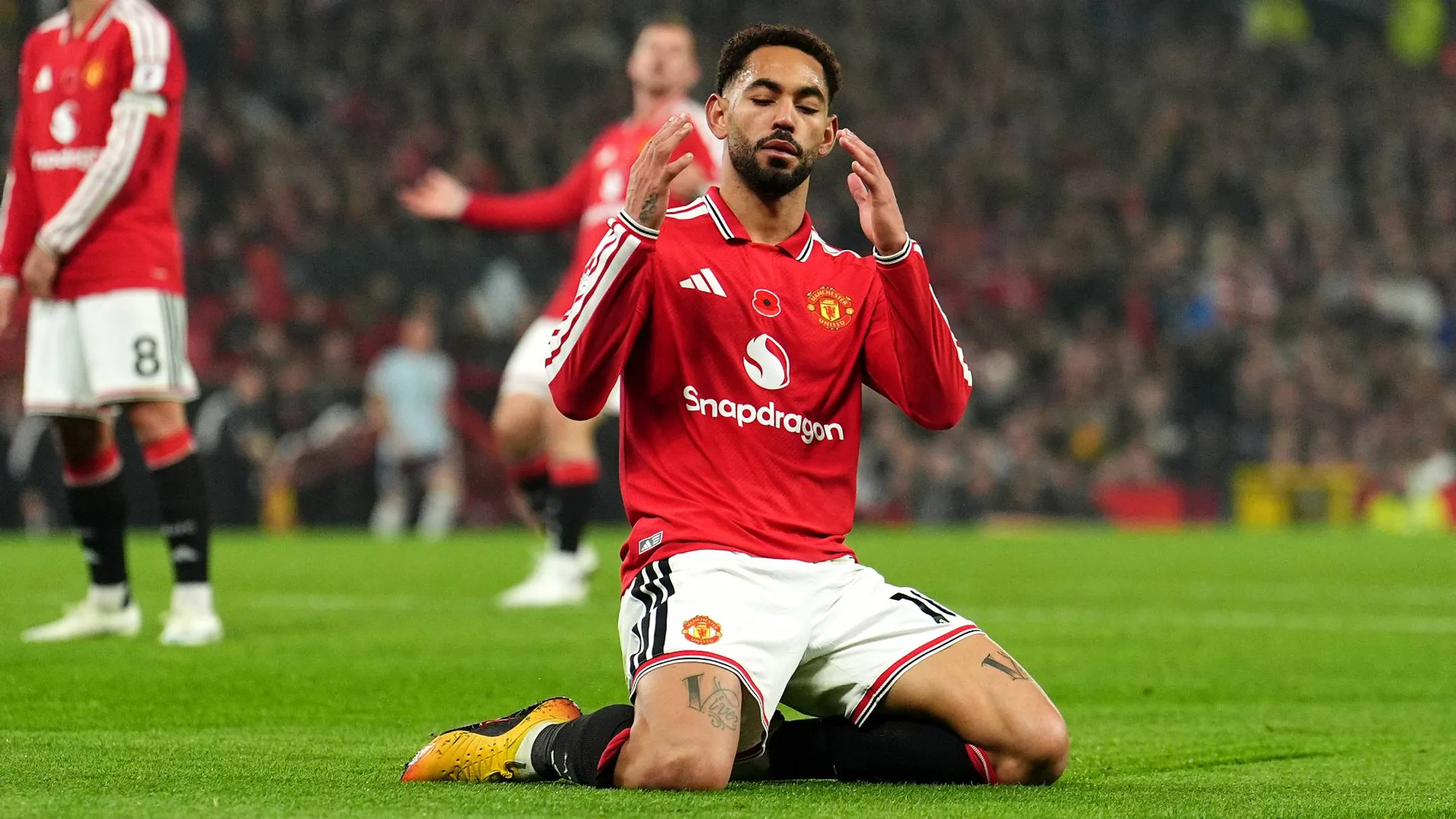
Manchester United were again at the centre of a contest that defied control, rescuing a 4-4 draw against Aston Villa with two stoppage-time goals after first falling 2-0 behind. What followed was less a football match than a procession of sudden swings, errors and public frustration at Old Trafford.
The hosts suffered one of the most alarming openings in Premier League history, reaching a 2-0 deficit in just 220 seconds. They had not even completed a pass before Alysson scored in the 59th second, and Nicolas Jackson added a second before United had managed anything beyond Bruno Fernandes’s kickoff at the restart. Michael Carrick was left consulting his watch as the scale of the damage became clear.
United did respond through Fernandes from the penalty spot, mirroring their Champions League comeback against Roma in midweek. But Aston Villa’s discipline cracked in familiar fashion, with the game shifting after their own sloppiness allowed United back into it. Youri Tielemans equalised at 2-2 after Noussair Mazraoui was left free to advance and cross, while United later appeared to have the final word when Joshua Zirkzee scored in stoppage time.
Even then, Villa were unable to close the match out. Zion Suzuki’s weak attempt to clear a corner helped complete the collapse, and Unai Emery stormed down the tunnel in clear disbelief. For all the chaos, the result reflected how both sides had contributed to the disorder.
United’s defensive issues remained central to the story. Diogo Dalot, used again at left back, was exposed early and struggled throughout, while the absences of Luke Shaw and the injured Patrick Dorgu left him in the role for a fourth straight league match. The broader argument over United’s problems clearly runs deeper, but that weakness was costly once more.
The mood around the club was equally hostile off the pitch. Before kickoff, fans staged another protest against the owners, and chants against the Glazers followed Fernandes’s penalty. A banner later appeared reading: “Your funeral, not ours.” With United 18th in the table after more than a quarter of the season, relegation talk is no longer absurd.