Premier League
Dyche Rejects Tottenham Links as Tudor’s Spurs Tenure Unravels
Sean Dyche dismisses Spurs approach as Tudor’s run leaves Tottenham 17th, one point above relegation.

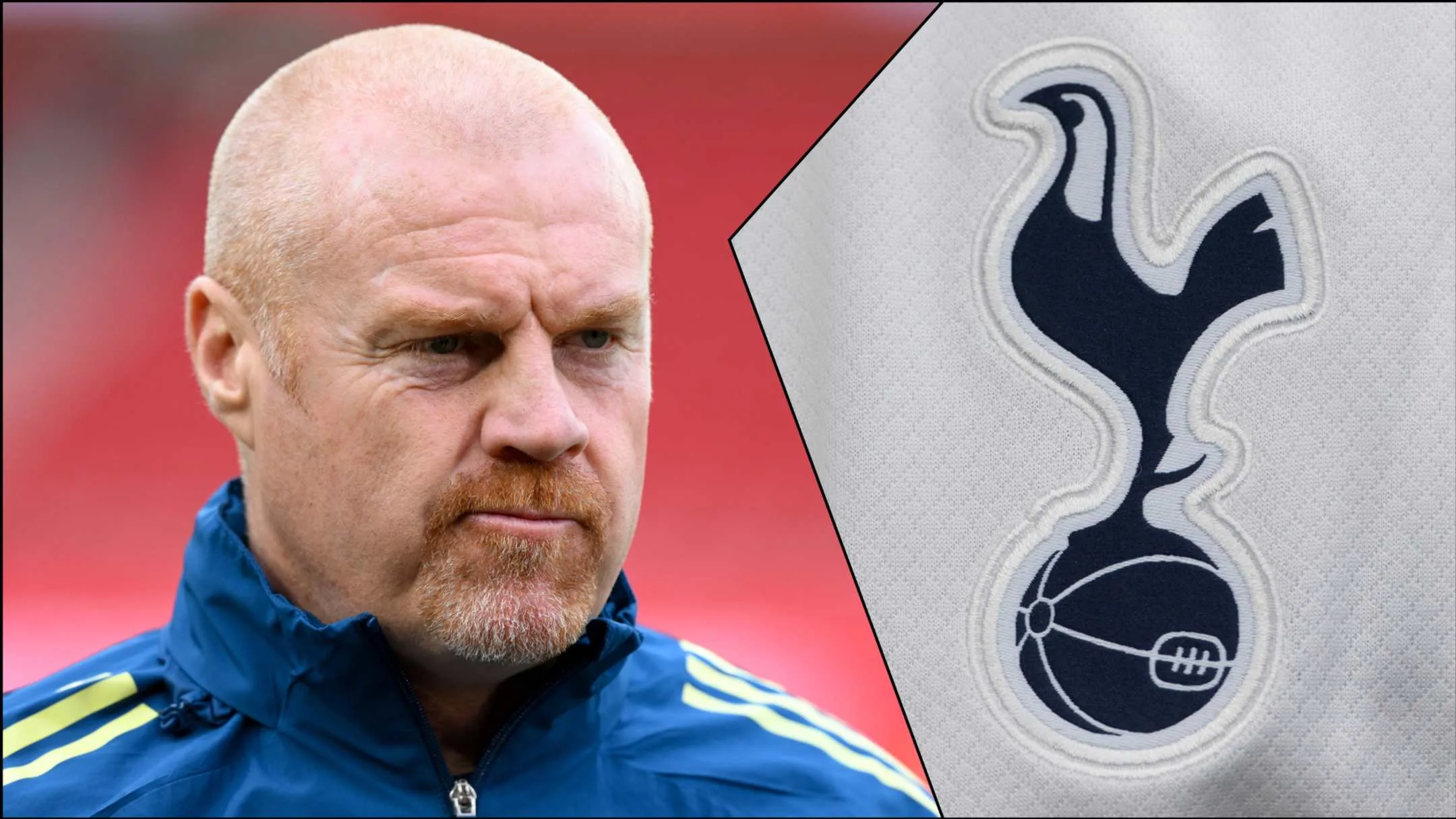
Sean Dyche laughed off suggestions he is being considered to replace Igor Tudor at Tottenham Hotspur, dismissing widespread reports as fanciful. The former Burnley manager criticised the speculation while Spurs’ season has slid into serious trouble.
Tudor has recorded four defeats and a draw in five Premier League outings, leaving Tottenham 17th and only a point clear of the relegation zone. The sequence followed a brief high point: a 3–2 win over Atlético Madrid that raised hopes before a damaging 3–0 defeat to Nottingham Forest that all but condemned Tudor.
An unpopular hierarchy has discussed accelerating a long-term appointment, and supporters have urged for someone familiar with the club to steady the side. Reports in The Telegraph suggested Dyche was among the options under consideration. Dyche himself was blunt when asked about the rumours during a talkSPORT appearance.
“It’s brilliant, honestly,” Dyche responded when asked on a talkSPORT appearance about rumors tying him to the Tottenham job.
Speculation increased over the weekend after images and clips showed Dyche in London. He recounted the moment with rare humour.
“I was in a pub just up the way near my place I’ve got down here and this guy goes, ‘Oh, you’re meant to be in talks with Spurs tonight.’
“I went, ‘Well, I’m sat next to you having a pint of Guinness, so it’s unlikely.’ I said, ‘Unless you work for Spurs and they’re in the Seven Stars pub having a pint of Guinness.’ I said, ‘It’s highly unlikely.’
“No I’m not, I’m with you mate and I’m on talkSPORT, that’s what I’m doing.”
Dyche, who steered Everton to safety in 2022–23, was recently sacked by Nottingham Forest. The club’s search for stability has also included overtures to other figures. Supporters continue to voice hope for a return from Mauricio Pochettino to manage a “painful rebuild” he warned about in 2019, though the former manager, now the U.S. men’s national team coach, would not be available until after the World Cup. Tottenham are also pursuing Roberto De Zerbi despite backlash, but Sky Italia reports the Italian will not take a job until after the season concludes.

Chelsea
Joao Pedro injury leaves Chelsea facing a key spell without their most complete forward
Chelsea must manage without João Pedro after Alonso said the forward will miss several weeks.
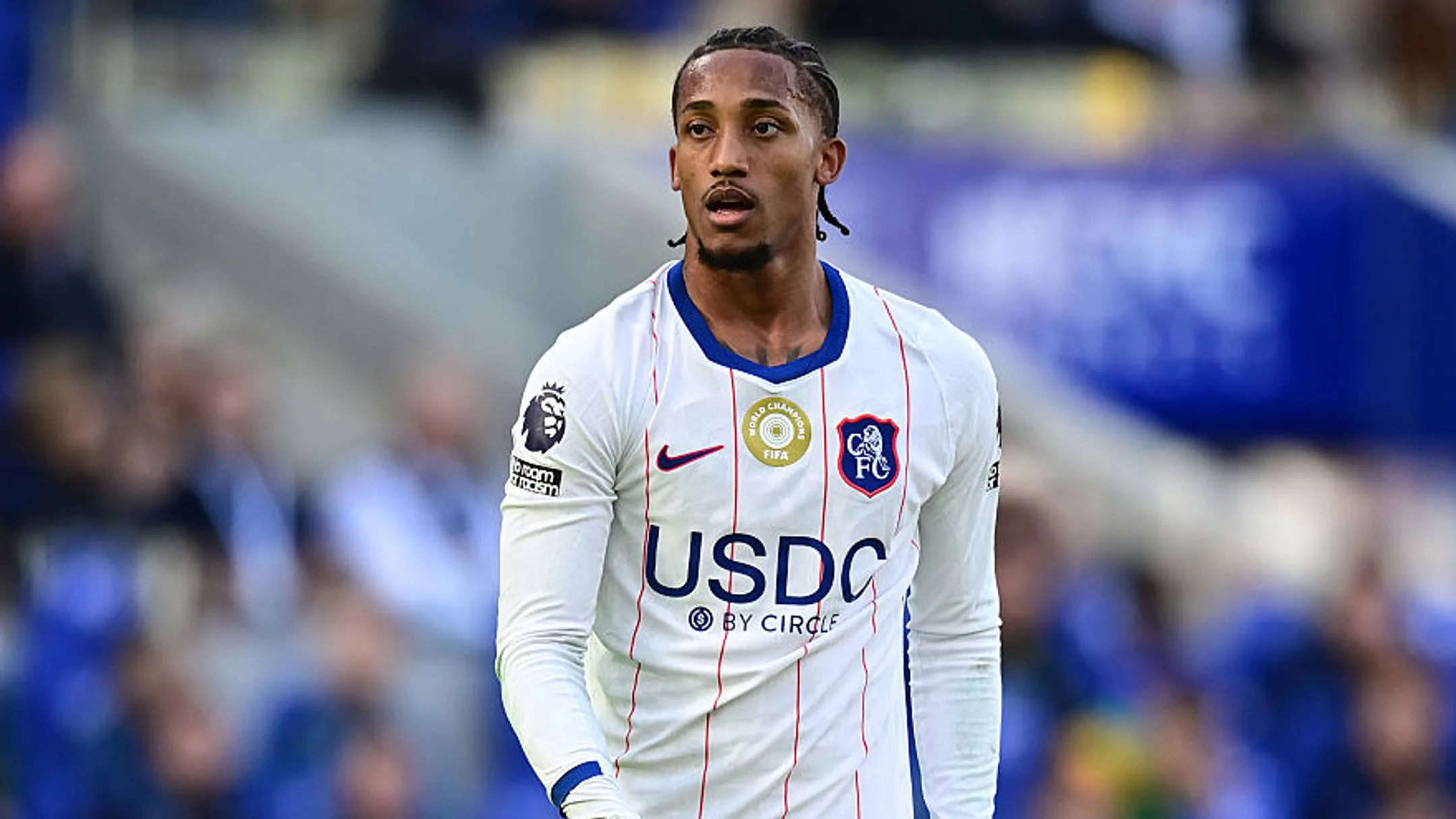
Chelsea’s dependence on João Pedro has become impossible to miss. Across his first year at the club, he scored 23 goals in all competitions and added enough assists to bring his total goal contributions to 32. In 2026/27, he has already been involved in eight goals and assists in seven matches, underlining how central he has become to the team’s attack.
His absence matters beyond the numbers. Chelsea do have other scorers, with Cole Palmer the next most productive player since the start of last season on 15 goals in all competitions. But Pedro offers more than finishing. He helps connect the side, and when he is not there, the team’s balance changes.
That has already been felt when others have been asked to lead the line. Morgan Rogers found it difficult to operate as a No. 9 against Tottenham, away from his preferred role as an inside forward on the left. Danny Welbeck was signed to provide occasional cover, mainly in domestic cup matches, rather than to start regularly. Emmanuel Emegha has still not featured because of injury, while Nicolas Jackson is in strong form, but for Aston Villa.
As a result, Chelsea’s attack loses a major piece when Pedro is unavailable. Alonso was clear about the importance of the issue ahead of the Carabao Cup meeting with Liverpool.
“He is a key player. We will miss him,” Alonso told reporters on Tuesday, building up to the Carabao Cup tie against Liverpool. “But we will have to be ready to deal with the injury and to be competitive and to try to win games with the players that we have available.”
Alonso described the problem as “an injury in his thigh”. Pedro has had similar muscle setbacks before, missing two games with a thigh issue in April last season, spending almost two months out with a hamstring injury in the second half of the 2023–24 campaign, and sitting out around three weeks with a calf problem at Watford in 2022–23.
For now, this is viewed as a setback rather than a long-term alarm, although it is not a trivial one. Alonso said Pedro is expected to be sidelined for “a few weeks”, adding: “Let’s see how many [weeks] … We don’t want to predict that. But he will not be ready for the next games.”
Manchester United
Carrick Kept in Place as United Delay a Decision on the Dugout
United have kept Michael Carrick for Chelsea, but the pressure, uncertainty and successor talk remain in place.
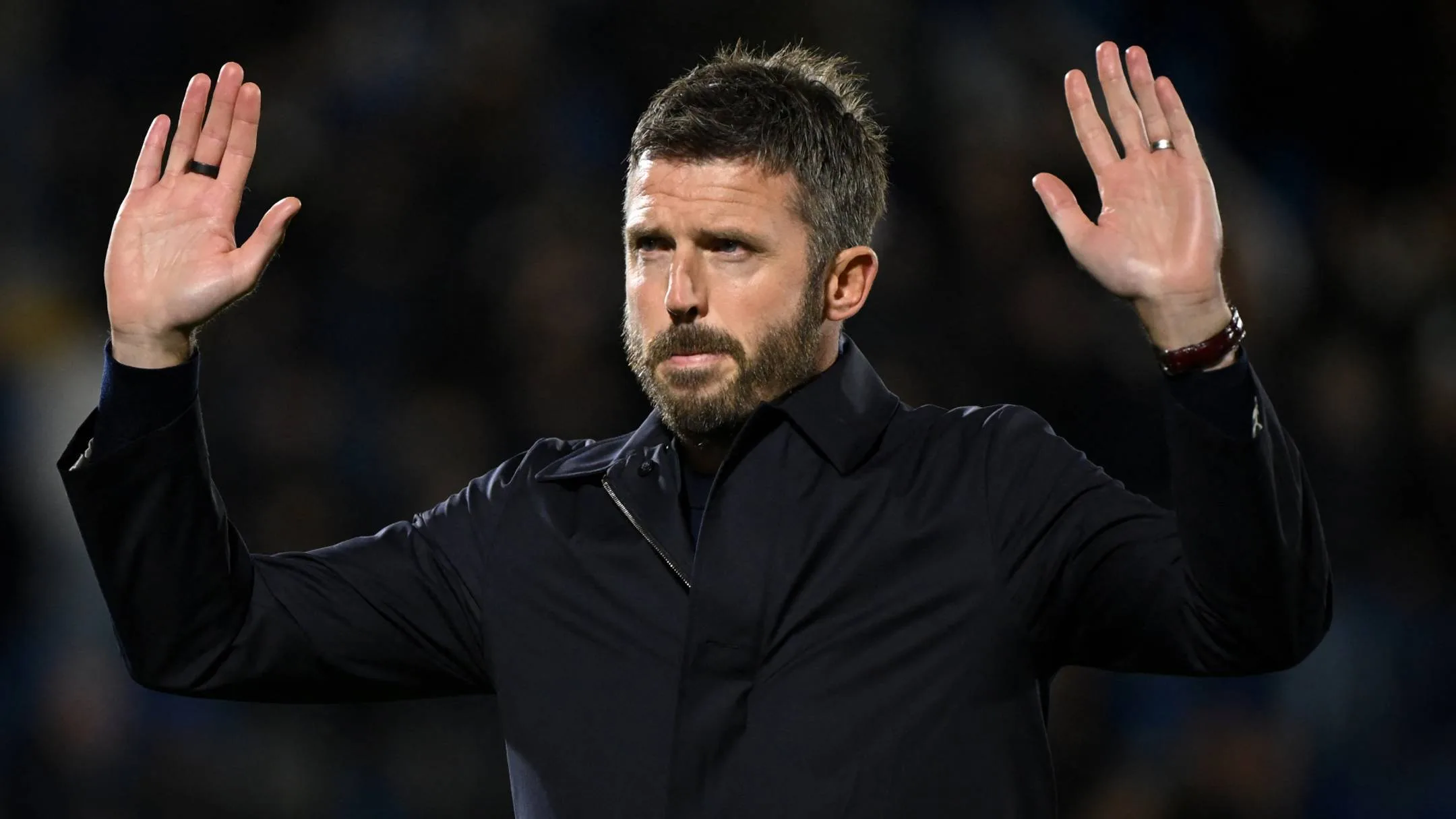
Manchester United have opted to keep Michael Carrick in charge for Saturday’s Premier League meeting with Chelsea, according to multiple reports. The move amounts to a stay of execution, but the reason for it, and how long it will last, remains uncertain.
Reports first outlined by Mike Keegan of The Overlap say the club’s senior figures have handed Carrick “the opportunity to turn things around”. What form that chance will take is not yet clear, and any fresh defeat against Chelsea would likely drag the pressure straight back onto the manager, unless there is a public endorsement from above. Even then, that kind of backing can often be the final warning rather than a safeguard.
Carrick’s presence continues to divide the mood around the club. At Old Trafford on Sunday, he received a warm response from the stands, with supporters singing his name as he waved what looked like an early goodbye. The players and executives were treated far less kindly. There were pointed chants against co-owner Sir Jim Ratcliffe, the Glazer family and technical director Jason Wilcox, while the refrain “Sell United and f— off home” rang out loudly.
That fan support for Carrick has not been ignored by those inside the club, with ESPN reporting it “did not go unnoticed”. In a toxic atmosphere, a manager who remains popular with supporters can serve as a useful buffer, although whether Carrick is comfortable being cast in that role is another matter.
The playing squad, meanwhile, is split. Bruno Fernandes has made his position clear, but there is also visible backing for Carrick. Senne Lammens offered support before the Bournemouth defeat, a stance later echoed by Harry Maguire, who said: “We’re fully behind Michael,”. “As individuals, we’re not playing well enough.”
The Guardian reports that Wilcox is driving the decision to retain Carrick, at least for now, while also leading the argument for Eddie Howe as a possible successor. Howe is expected to cost £3 million ($4 million) after agreeing future compensation with Newcastle United during his summer exit.
The calendar may yet work in United’s favour. The lack of Carabao Cup involvement gives the hierarchy five clear days after Chelsea to act, before Roma in the Champions League and then Aston Villa in the Premier League. The November international break could also open a more convenient window.
Asked why United keep finding themselves in the same mess, Carrick replied: “If I really had the answers, I wouldn’t have let it happen,” and added, “If I could do something about it and there was something that I could really control, then I would’ve tried to do everything I can to not be in this position.”
His point is hard to dispute. The wider problems at United run far beyond one manager, with the Glazers’ 2005 leveraged buyout beginning a financial slide that has left the club more than $1.5 billion in debt and owing almost $500 million in transfer fees. Ratcliffe has said the club was close to running out of cash flow before cuts were imposed. Even after a stronger summer 2025 window, the damage of years of mismanagement remains.
International
Five notable talking points from the 2026 Ballon d’Or vote
Ballon d’Or results brought surprises, with Fernandes, Ruiz, Olise and Simón all prompting debate.
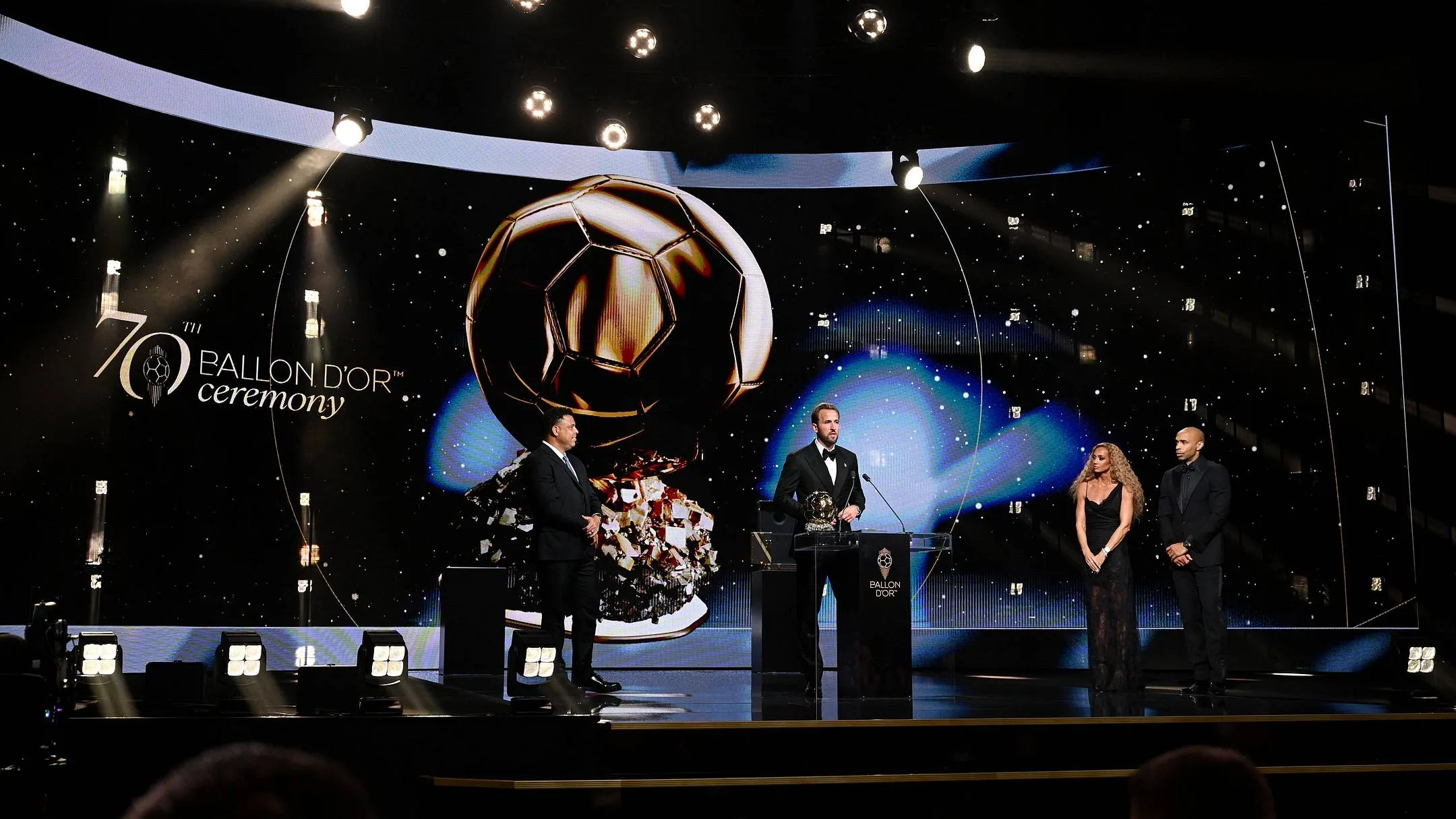
The 2026 Ballon d’Or has been settled, with Harry Kane finishing on top after a voting year that produced several eye-catching results.
The headline names at the summit were expected to draw attention, but the real intrigue came further down the list. Some finishes felt harsh, others reflected the weight of trophies, and a few placements invited closer scrutiny.
Bruno Fernandes was the most striking example. No one is suggesting he should have won the award outright, yet placing him 27th, only one spot ahead of Al Qadsiah’s Julián Quiñones, was a major surprise. The Manchester United captain may have been affected by a recent dip, even though the judging period was meant to end on July 19. Over the 2025-26 season, he set a Premier League record for assists in a single campaign and was named the division’s Player of the Year, but he still finished behind five other Premier League players. A place inside the top 15 would have looked far more reasonable.
Fabián Ruiz also caused debate. His case was built on medals, not volume. A regular for the Paris Saint-Germain team that kept the Champions League and won Ligue 1, he also added the World Cup with Spain. That is a strong résumé, yet 10th still feels generous when weighed against his workload. He played only 20 Ligue 1 matches, started 13 of them, and finished the season with three goals and six assists across 2,634 minutes for club and country.
Michael Olise, one place above Fabián, had a compelling claim to a far higher finish. In 52 matches for Bayern Munich, he produced 22 goals and 31 assists, then added seven assists at the World Cup, a tournament record. Those numbers were exceptional, even if they were compared with Kane’s even stronger output.
Unai Simón’s victory among goalkeepers was shaped heavily by Spain’s World Cup success. He conceded just one goal in the tournament, but over the full campaign he allowed 54 in 37 La Liga appearances for an Athletic Club side that finished 12th. His 64.9% save rate was bettered by 16 goalkeepers in Spain’s top flight alone.
The Kopa Trophy, meanwhile, went to the expected winner. Lamine Yamal finished third in Ballon d’Or voting and retained the youth award, which underlines how established he already is in the game.