Premier League
Postecoglou’s Verdict: Tottenham’s Infrastructure, Identity Problem and Transfer Choices
Postecoglou: Spurs have world-class facilities but not the wage structure or investment of a big club

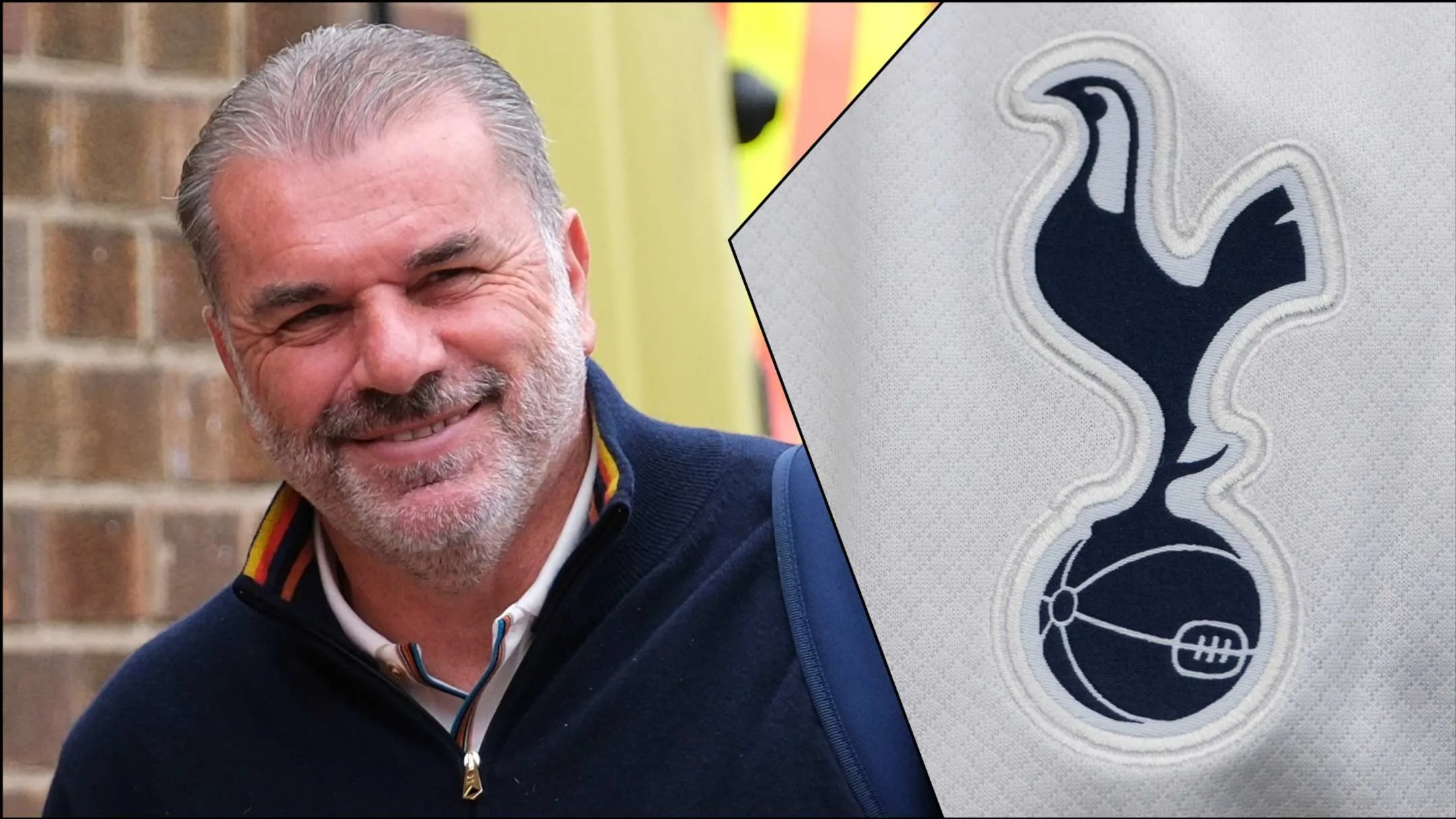
Ange Postecoglou used a recent appearance on The Overlap to deliver a stark appraisal of Tottenham’s current state, turning a frank interview into a wider diagnosis of the club he once managed. The conversation followed the news of Thomas Frank’s sacking and ranged across leadership change, transfer strategy and lingering cultural doubts.
Postecoglou admitted it was “tough” for Frank, who “can’t be the only issue at the club,” and asked blunt questions about the club’s direction. He pointed to the disruption after Daniel Levy “leaving as well” and questioned why a major pivot had been taken. “They’ve had world class managers there. They haven’t had success. And for what reason? What was the reason for such a major pivot? Thomas is walking but what’s his objective? What’s the club’s objective?” he asked.
At the heart of his critique was a mismatch between Tottenham’s visible assets and what he described as their spending priorities. “Obviously, they’ve built an unbelievable stadium, unbelievable training facilities. But when you look at the expenditure, particularly in the wage structure, they’re not a big club,” he said, citing the 2024–25 accounts that showed Spurs with the fifth-largest revenue in the Premier League but only the seventh-highest wage bill.
Those financial dimensions, Postecoglou argued, affected recruitment. “I saw that, because when we were trying to sign players, we weren’t in the market for those players.” He reflected on the club’s 2023–25 net spend, saying Tottenham recorded the largest net spend in the Premier League across his two seasons but that the identities of incoming players mattered more than cost.
He recounted the summer 2024 arrivals — Dom Solanke alongside Archie Gray, Wilson Odobert and Lucas Bergvall — and said: “really keen on him” and “really liked him” about Solanke, while describing the younger signings as promising but unlikely to bridge the gap to the very top. “I was looking at Pedro Neto, [Bryan] Mbeumo and [Antoine] Semenyo at the time, Marc Guéhi, because I said we need … If we’re going to go from fifth to there, that’s what the other big clubs would do in that moment,” he said.
On culture he did not mince words. “100% there is, absolutely and that was the thing I was trying to break and my whole statement about winning things in the second year, I was doing that for the club because nobody internally would dare say that, they were just scared,” he said. And he recalled Levy’s odd motivation speech on the day of the Europa League final: “The only thing he said to me—which was bizarre as a motivational point—was something like, ‘You know what, I’ve been in seven finals or semi-finals and we haven’t won one,’”
Postecoglou closed by underlining the influence of Harry Kane during the previous decade: “People underestimate the role Harry played over the past 10 years,” and “He’s unbelievable. I only worked with him for a couple of months, but he is the best player I have witnessed close up in my whole career. ]”

Chip Strategy
GW9 Liverpool defence: Jacquet, Araujo or Van Dijk?
Jacquet offers Liverpool defensive value at £5.1m; Van Dijk has the stronger playing-time record. Compare the price tiers and plan your starts from GW10.

Jeremy Jacquet is our first Liverpool defender to consider if you want to keep the cost down. At £5.1m, he costs £0.3m less than Ronald Araujo and £1.3m less than Virgil van Dijk. His playing-time record and defensive contribution rate make that saving worth taking seriously.
For a new purchase, we would reassess after Arsenal at home in GW9. You can then decide whether Liverpool’s GW10–14 fixtures suit the weeks you need a defender. Van Dijk offers the stronger playing-time record if you have room for £6.4m; Araujo needs a clearer reason for the extra spend over Jacquet.
Jacquet offers the cheaper route
Jacquet has averaged 85.3 minutes per match, with 9.37 defensive contributions per 90. Araujo has averaged 61.6 minutes per match and 7.85 defensive contributions per 90. Neither average promises a future start, but Jacquet has given owners more playing time so far.
The attacking numbers offer little reason to pay up for Araujo. Jacquet has 0.07 expected goal involvements per 90 (xGI/90), compared with Araujo’s 0.02. Both rates are low, so we would buy either for the defensive role and budget fit rather than an expectation of regular attacking returns.
Araujo has the lower expected goals conceded rate: 0.97 xGC/90 against Jacquet’s 1.16. That deserves a place in the comparison, but the players have spent different amounts of time on the pitch. We would not treat it as proof that choosing Araujo gives you a better chance of a clean sheet in the next match.
Our lean is Jacquet when choosing between the two at current prices. Fresh selection news could change that call. Paying another £0.3m makes more sense if you can identify a role or playing-time advantage that the current record does not show.
Van Dijk costs £1.3m more for a stronger minutes record
Van Dijk has averaged 90.0 minutes per match. That is the strongest record of the three, alongside 9.75 defensive contributions per 90. His 1.20 xGC/90 and 0.05 xGI/90 do not establish a large expected-performance advantage over Jacquet.
At £6.4m, we would choose Van Dijk when you can afford the premium and place a high value on his playing-time record. You still need to check availability and selection news; a historical average cannot guarantee his next start.
For a tighter budget, Jacquet leaves £1.3m available elsewhere. Compare what you gain from that saving with the extra playing-time confidence you want from Van Dijk before committing to either player.
Plan the starts from GW10
Liverpool’s schedule after Arsenal includes three away matches in five:
- GW10: Crystal Palace away.
- GW11: Man Utd at home.
- GW12: Everton away.
- GW13: Sunderland at home.
- GW14: Chelsea away.
You need a plan for that whole stretch. A lower price helps, but you may still want another defender available for selected away fixtures. You can compare Liverpool’s defensive options in We Play FPL using player statistics and upcoming fixtures, then map out the starts in the planner.
We would shortlist Jacquet for value and Van Dijk for the stronger playing-time record, then revisit the choice after GW9 with fresh team news. Araujo’s lower xGC/90 merits attention, but his shorter average appearances and higher price leave us preferring Jacquet for the cheaper slot. These season-to-date rates describe past performance; they do not predict clean sheets or attacking returns.
Chelsea
Joao Pedro injury leaves Chelsea facing a key spell without their most complete forward
Chelsea must manage without João Pedro after Alonso said the forward will miss several weeks.
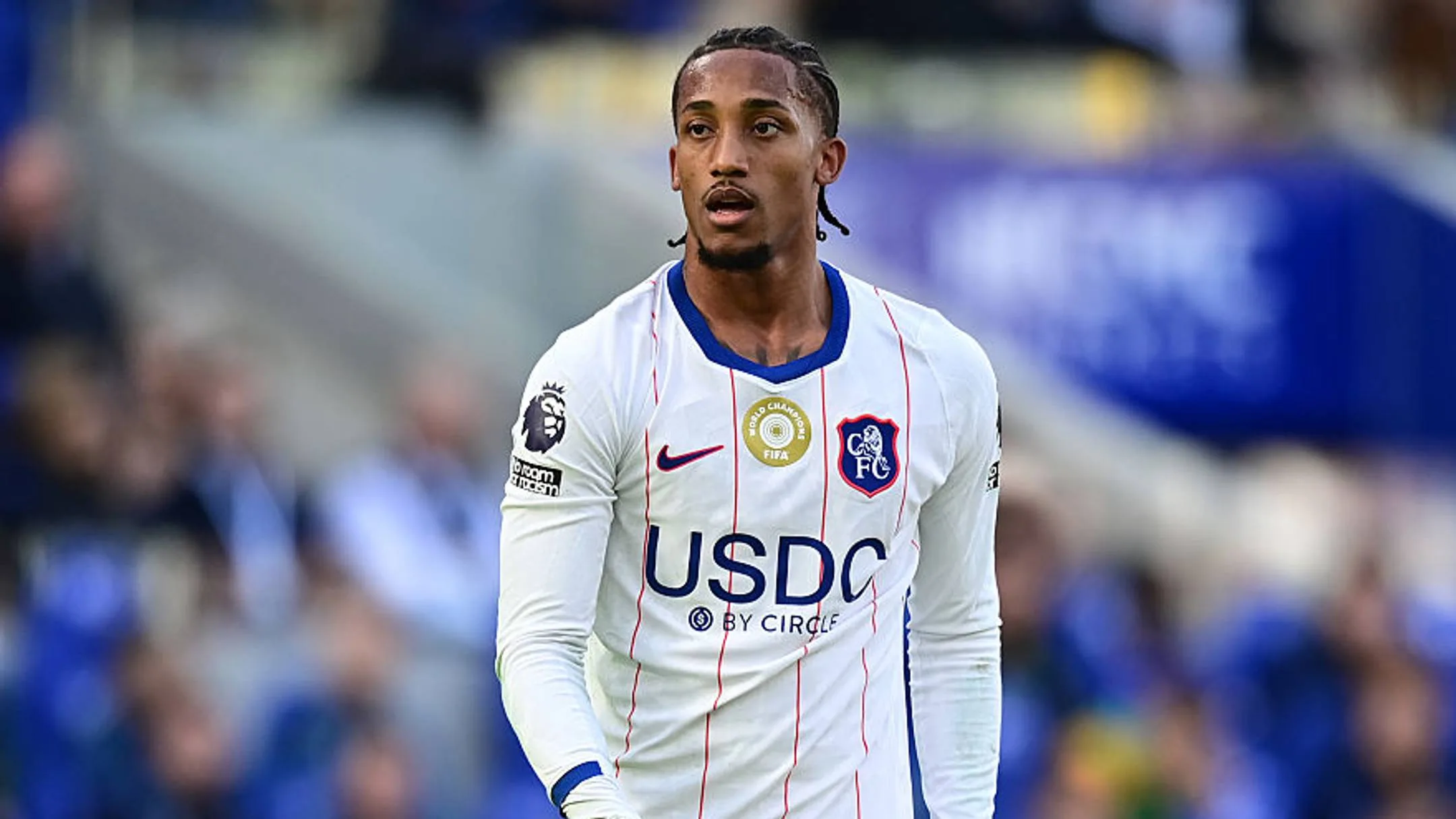
Chelsea’s dependence on João Pedro has become impossible to miss. Across his first year at the club, he scored 23 goals in all competitions and added enough assists to bring his total goal contributions to 32. In 2026/27, he has already been involved in eight goals and assists in seven matches, underlining how central he has become to the team’s attack.
His absence matters beyond the numbers. Chelsea do have other scorers, with Cole Palmer the next most productive player since the start of last season on 15 goals in all competitions. But Pedro offers more than finishing. He helps connect the side, and when he is not there, the team’s balance changes.
That has already been felt when others have been asked to lead the line. Morgan Rogers found it difficult to operate as a No. 9 against Tottenham, away from his preferred role as an inside forward on the left. Danny Welbeck was signed to provide occasional cover, mainly in domestic cup matches, rather than to start regularly. Emmanuel Emegha has still not featured because of injury, while Nicolas Jackson is in strong form, but for Aston Villa.
As a result, Chelsea’s attack loses a major piece when Pedro is unavailable. Alonso was clear about the importance of the issue ahead of the Carabao Cup meeting with Liverpool.
“He is a key player. We will miss him,” Alonso told reporters on Tuesday, building up to the Carabao Cup tie against Liverpool. “But we will have to be ready to deal with the injury and to be competitive and to try to win games with the players that we have available.”
Alonso described the problem as “an injury in his thigh”. Pedro has had similar muscle setbacks before, missing two games with a thigh issue in April last season, spending almost two months out with a hamstring injury in the second half of the 2023–24 campaign, and sitting out around three weeks with a calf problem at Watford in 2022–23.
For now, this is viewed as a setback rather than a long-term alarm, although it is not a trivial one. Alonso said Pedro is expected to be sidelined for “a few weeks”, adding: “Let’s see how many [weeks] … We don’t want to predict that. But he will not be ready for the next games.”
Manchester United
Carrick Kept in Place as United Delay a Decision on the Dugout
United have kept Michael Carrick for Chelsea, but the pressure, uncertainty and successor talk remain in place.
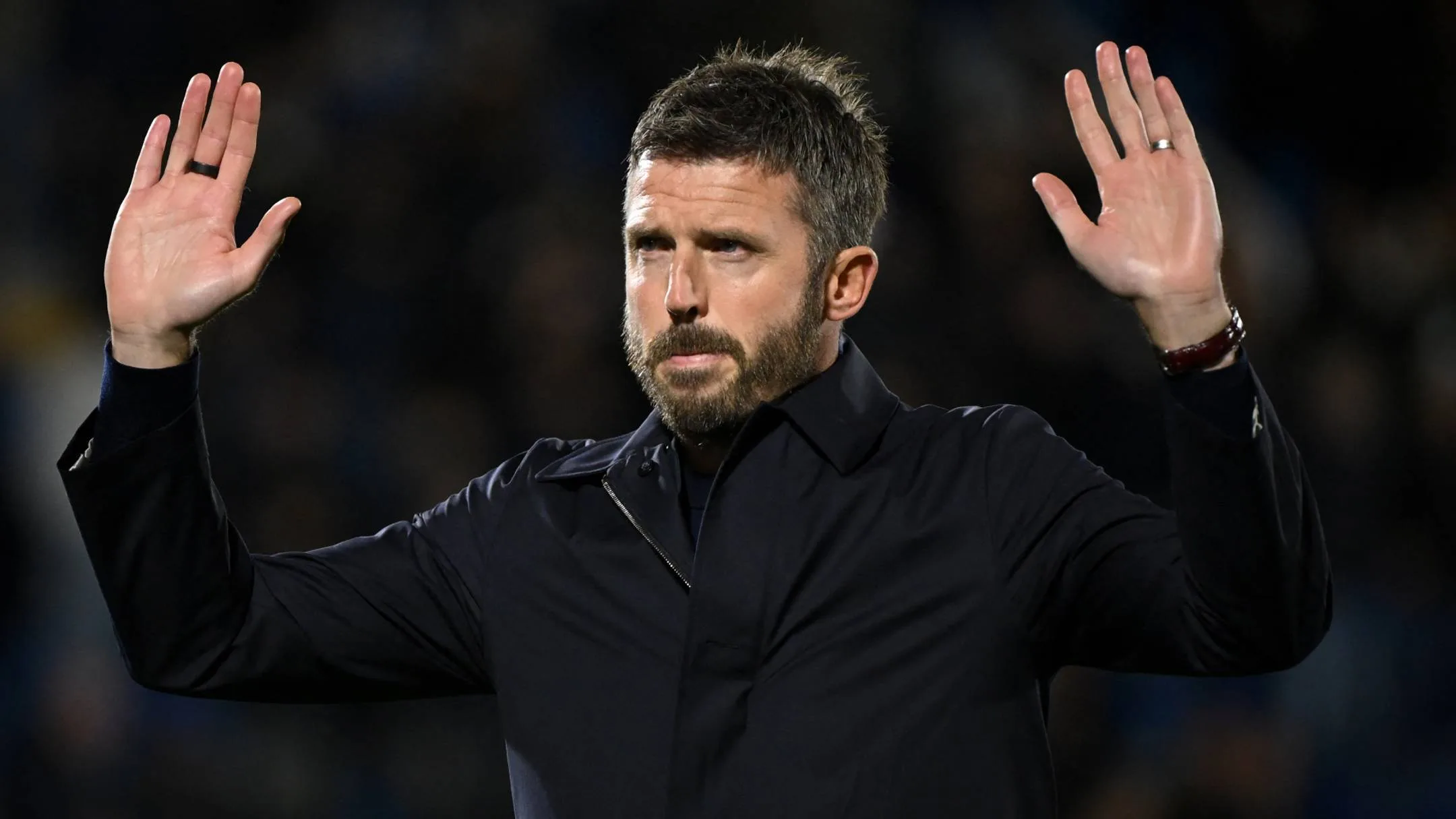
Manchester United have opted to keep Michael Carrick in charge for Saturday’s Premier League meeting with Chelsea, according to multiple reports. The move amounts to a stay of execution, but the reason for it, and how long it will last, remains uncertain.
Reports first outlined by Mike Keegan of The Overlap say the club’s senior figures have handed Carrick “the opportunity to turn things around”. What form that chance will take is not yet clear, and any fresh defeat against Chelsea would likely drag the pressure straight back onto the manager, unless there is a public endorsement from above. Even then, that kind of backing can often be the final warning rather than a safeguard.
Carrick’s presence continues to divide the mood around the club. At Old Trafford on Sunday, he received a warm response from the stands, with supporters singing his name as he waved what looked like an early goodbye. The players and executives were treated far less kindly. There were pointed chants against co-owner Sir Jim Ratcliffe, the Glazer family and technical director Jason Wilcox, while the refrain “Sell United and f— off home” rang out loudly.
That fan support for Carrick has not been ignored by those inside the club, with ESPN reporting it “did not go unnoticed”. In a toxic atmosphere, a manager who remains popular with supporters can serve as a useful buffer, although whether Carrick is comfortable being cast in that role is another matter.
The playing squad, meanwhile, is split. Bruno Fernandes has made his position clear, but there is also visible backing for Carrick. Senne Lammens offered support before the Bournemouth defeat, a stance later echoed by Harry Maguire, who said: “We’re fully behind Michael,”. “As individuals, we’re not playing well enough.”
The Guardian reports that Wilcox is driving the decision to retain Carrick, at least for now, while also leading the argument for Eddie Howe as a possible successor. Howe is expected to cost £3 million ($4 million) after agreeing future compensation with Newcastle United during his summer exit.
The calendar may yet work in United’s favour. The lack of Carabao Cup involvement gives the hierarchy five clear days after Chelsea to act, before Roma in the Champions League and then Aston Villa in the Premier League. The November international break could also open a more convenient window.
Asked why United keep finding themselves in the same mess, Carrick replied: “If I really had the answers, I wouldn’t have let it happen,” and added, “If I could do something about it and there was something that I could really control, then I would’ve tried to do everything I can to not be in this position.”
His point is hard to dispute. The wider problems at United run far beyond one manager, with the Glazers’ 2005 leveraged buyout beginning a financial slide that has left the club more than $1.5 billion in debt and owing almost $500 million in transfer fees. Ratcliffe has said the club was close to running out of cash flow before cuts were imposed. Even after a stronger summer 2025 window, the damage of years of mismanagement remains.