Arsenal
Arsenal’s Romero Links Sit Against a Rare Transfer History Between North London Rivals
Arsenal’s Romero interest meets Tottenham resistance, with rare direct transfers between the clubs.

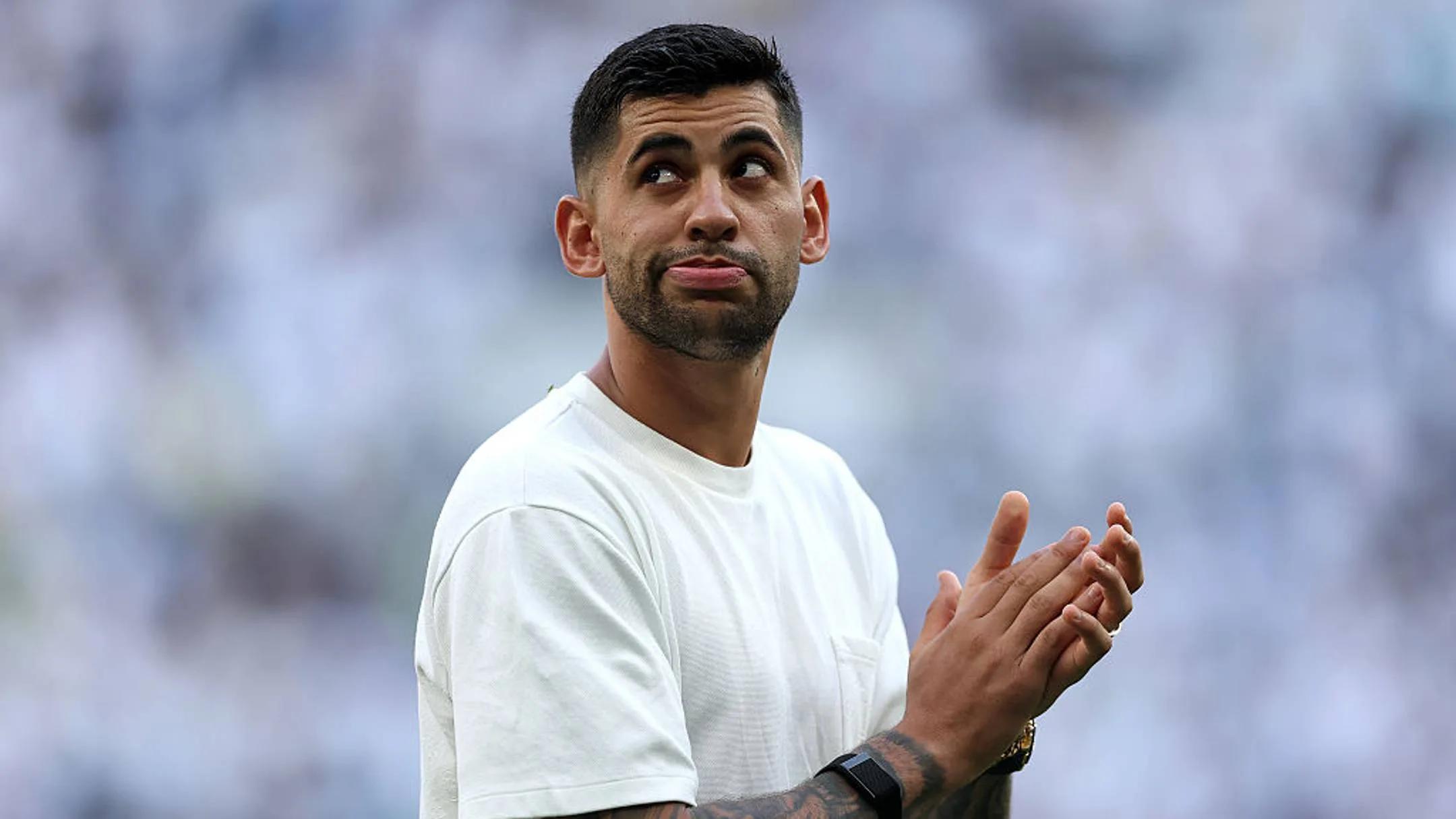
Arsenal have been mentioned in connection with a surprise move for Tottenham Hotspur captain Cristian Romero, but the story may already be fading. Atlético Madrid are reportedly in talks over the Argentina defender, while Spurs would not consider selling him to their local rivals in any case.
Romero’s recent spell has not been straightforward. He was sent off twice last season, missed games through suspension, dealt with injuries and was briefly set on skipping the final match of the campaign to watch boyhood club Belgrano take on River Plate in Argentina. He eventually returned to England for that game, which was also attended by other unavailable players.
The reaction around him has been sharp at times. Glenn Hoddle said: “I’d drive him to the airport and say don’t bother coming back.” Roberto De Zerbi said he understood “100%” why supporters were angry, even though Romero’s trip to Argentina for injury rehabilitation had been arranged with staff.
Arsenal’s reported “admiration” for Romero was noted by The Athletic, but the move is regarded as a “non-starter.” The idea also recalls the Sol Campbell transfer in 2001, though that move was very different. Campbell joined as a free agent after running down his Tottenham contract and was free to choose his next club without Spurs having a say.
William Gallas was the last player to move directly between Arsenal and Tottenham, joining Spurs in 2010 after leaving Arsenal on a free. Others, including David Bentley and Emmanuel Adebayor, represented both clubs without switching straight from one to the other. Harry Kane also had a brief spell in Arsenal’s youth system before Spurs took him on after he had been released as an eight-year-old.
The direct path between the clubs has been rare for decades. Since 1919, only a small number of players have crossed the divide.
For Arsenal, the timing is driven by defensive pressure. Mikel Arteta has seven players who can operate in central defence, but only Gabriel, William Saliba and Cristhian Mosquera are regular centre backs. Piero Hincapié, Jurriën Timber, Riccardo Calafiori and Ben White have all been used elsewhere, and Saliba is set to miss an “extended period” with a back injury.
Spurs, meanwhile, have already strengthened. They have brought in Jan Paul van Hecke and Marcos Senesi, while also having Kevin Danso, Ben Davies, Kōta Takai and Archie Gray available in or around central defence. Even so, the club will not move Romero to Arsenal.

Arsenal
Premier League table recalculated without VAR after early season controversy
The table shifts without VAR, but United, Forest and Haaland remain central to the early debate.
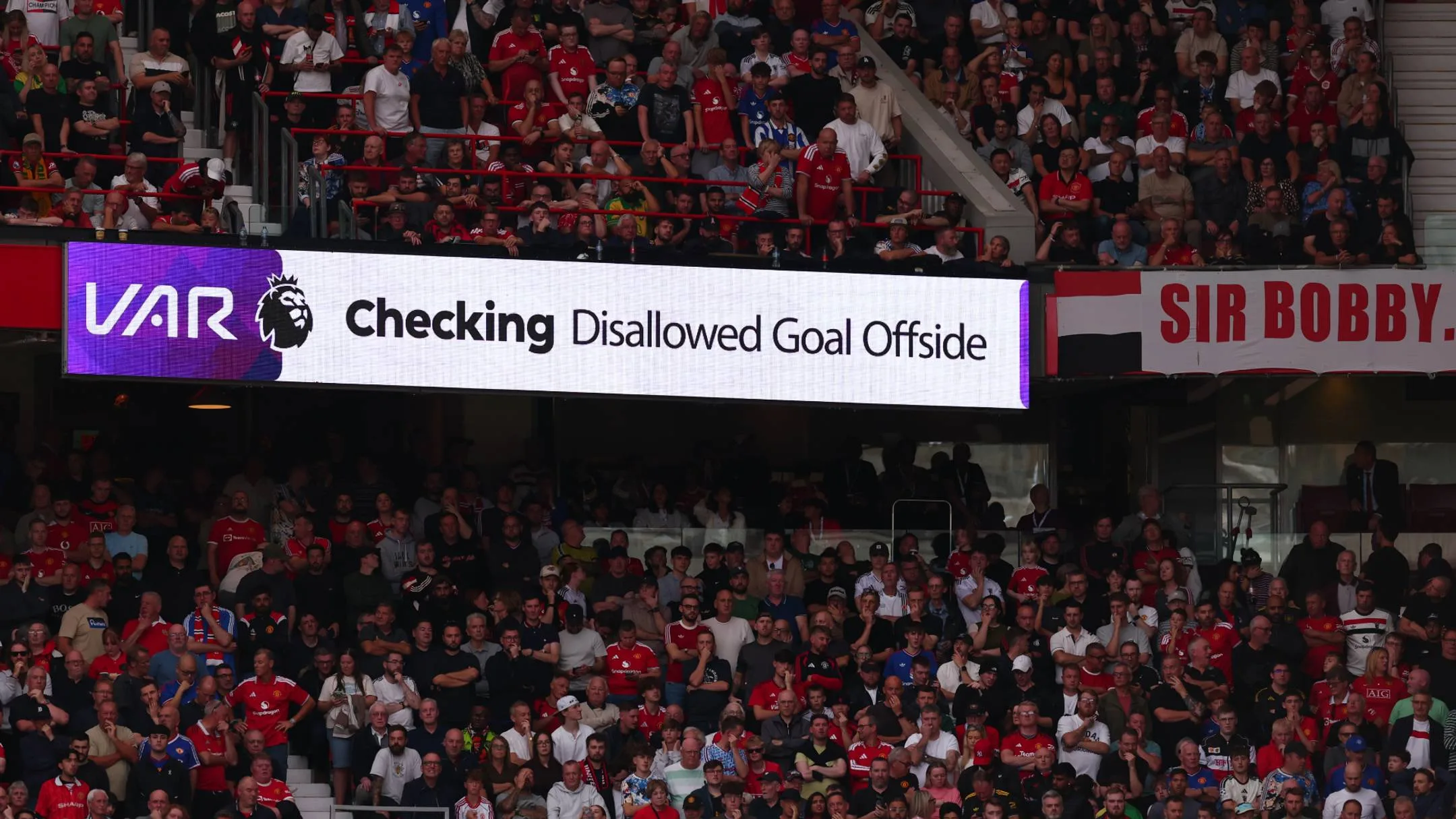
With five games played in the 2026/27 season, the Premier League has already been dragged into a series of officiating disputes despite hopes of a lighter touch. Howard Webb has issued an apology that was quickly rejected, and further explanations are still being awaited across the division.
Removing VAR from the picture changes the table in several places, but Manchester United remain the major talking point. Erling Haaland’s winner in the Manchester derby should not have stood, according to Webb’s own acknowledgement, after officials became caught in what he described as “tunnel vision.” The issue centred on Enzo Fernández’s movement in front of Lisandro Martínez, while VAR Matt Donohue focused on whether Haaland was onside when he turned the ball in past Senne Lammens.
Even so, United would still sit 12th with the additional point, showing that the decision was costly without transforming their wider position.
At the top, Arsenal would move clear of the rest on 12 points, with Brentford and Manchester City next on 11. Liverpool would also be better off overall, although their draw in this version of the table follows the denied goal against Nottingham Forest when Florian Wirtz’s effort was ruled out for offside.
Forest are one of the biggest beneficiaries of the no-VAR table. Oliver Glasner’s side would climb to 10th, helped by the sense that they have been denied three points in separate incidents. Neco Williams had a goal disallowed against Tottenham Hotspur after an alleged handball in a goal-line scramble with Sandro Tonali, and that decision came without any definitive camera angle proving the offence. Williams later posted: “Clear and obvious they say,” while Glasner added after the Coventry City match: “Of course I have thoughts but I don’t want to speak about it again,” after Igor Jesus was judged to have tripped Caleb Yirenkyi before scoring.
Haaland’s own frustration also featured in the aftermath of the derby. He said: “I thought there was maybe someone who had flicked it, I don’t normally go offside,” and added: “I talked to [referee] Michael Oliver and I told him I took it personal that he thought I went offside.”
The record suggests otherwise. As the draft notes, Haaland has only been correctly flagged offside once this season.
Arsenal
Why the Premier League has another three-week wait for its return
The Premier League is paused for three weeks as international football takes over until October 10.
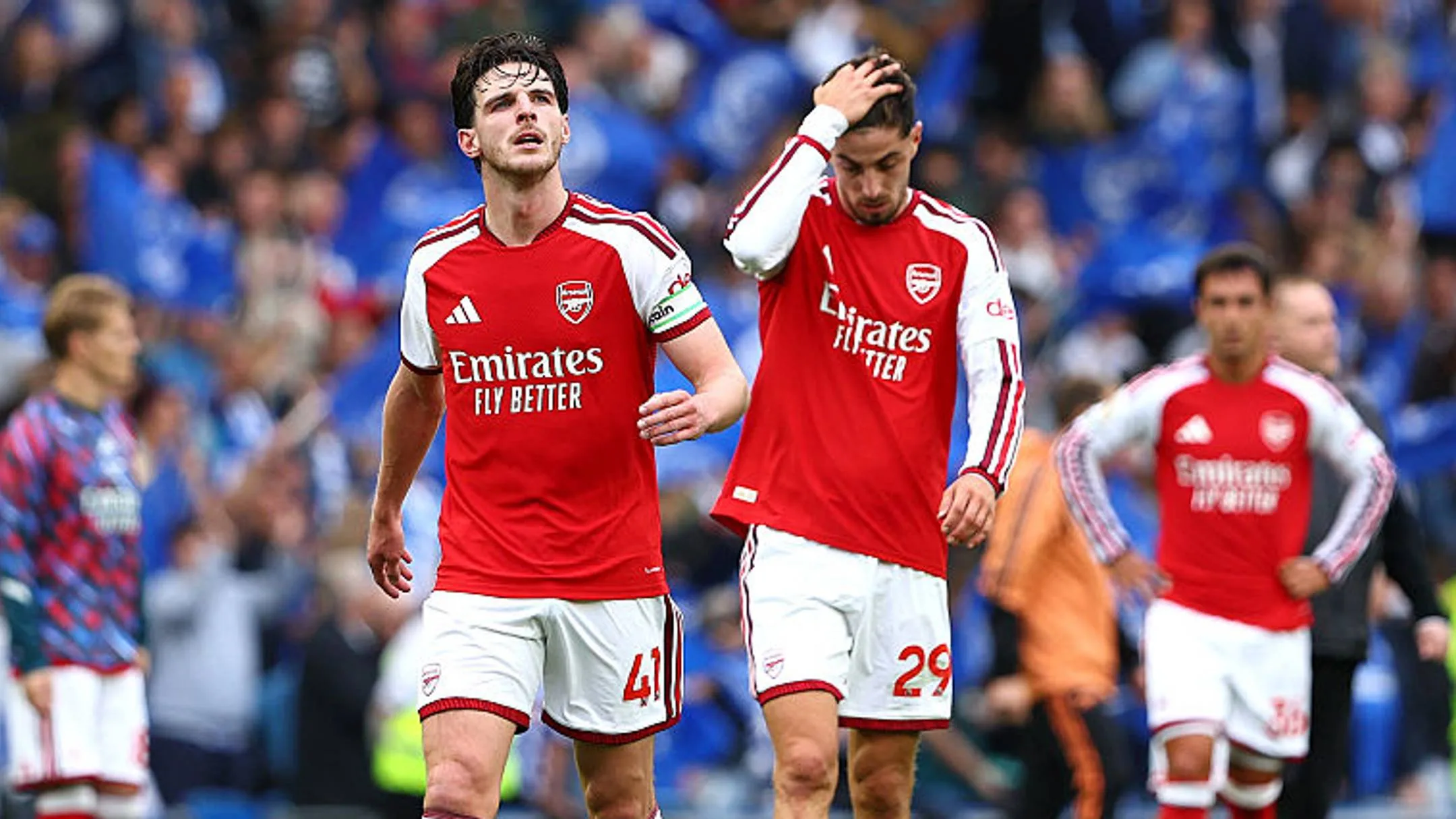
The first chapter of the 2026/27 Premier League season has already been completed, but there will be no league football for the next two weekends. An international break has taken over, and the domestic calendar will remain on hold until October 10.
That pause comes after a strong start from Arsenal, whose perfect record drew talk of a potentially one-sided title race. Yet Brighton & Hove Albion halted that run before the break, a result that offered a reminder that the leaders are not beyond reach.
For now, though, attention shifts away from club football and back to national teams. This is the first time sides have come together since the 2026 World Cup, and the next couple of weeks will be filled with fixtures that should keep supporters occupied.
The Premier League’s return is set for Matchday 6, when Arsenal open the weekend at Emirates Stadium against Leeds United. It will mark the restart of a schedule that has been interrupted by an extended pause created by the international calendar.
That calendar was changed by the FIFA Council in 2023, leaving only three international breaks this season. September and October have effectively been combined into one longer window, with further breaks still due in November and March.
The stoppage is not limited to England’s top flight. Club football across Europe has also been paused until the second weekend of October, while the 2026/27 UEFA Nations League begins to take centre stage.
Teams will play four times during this window, and several matches stand out. League A includes a rematch of the Euro 2024 final between England and Spain on Sept. 26, Germany against the Netherlands on Sept. 24, France at home to Italy on Oct. 2, and Portugal facing Norway on Oct. 4.
Arsenal
Arsenal dressing room left frustrated after Brighton defeat
Arsenal’s first defeat of the season left Bruno Guimarães describing a dressing room full of complaints.
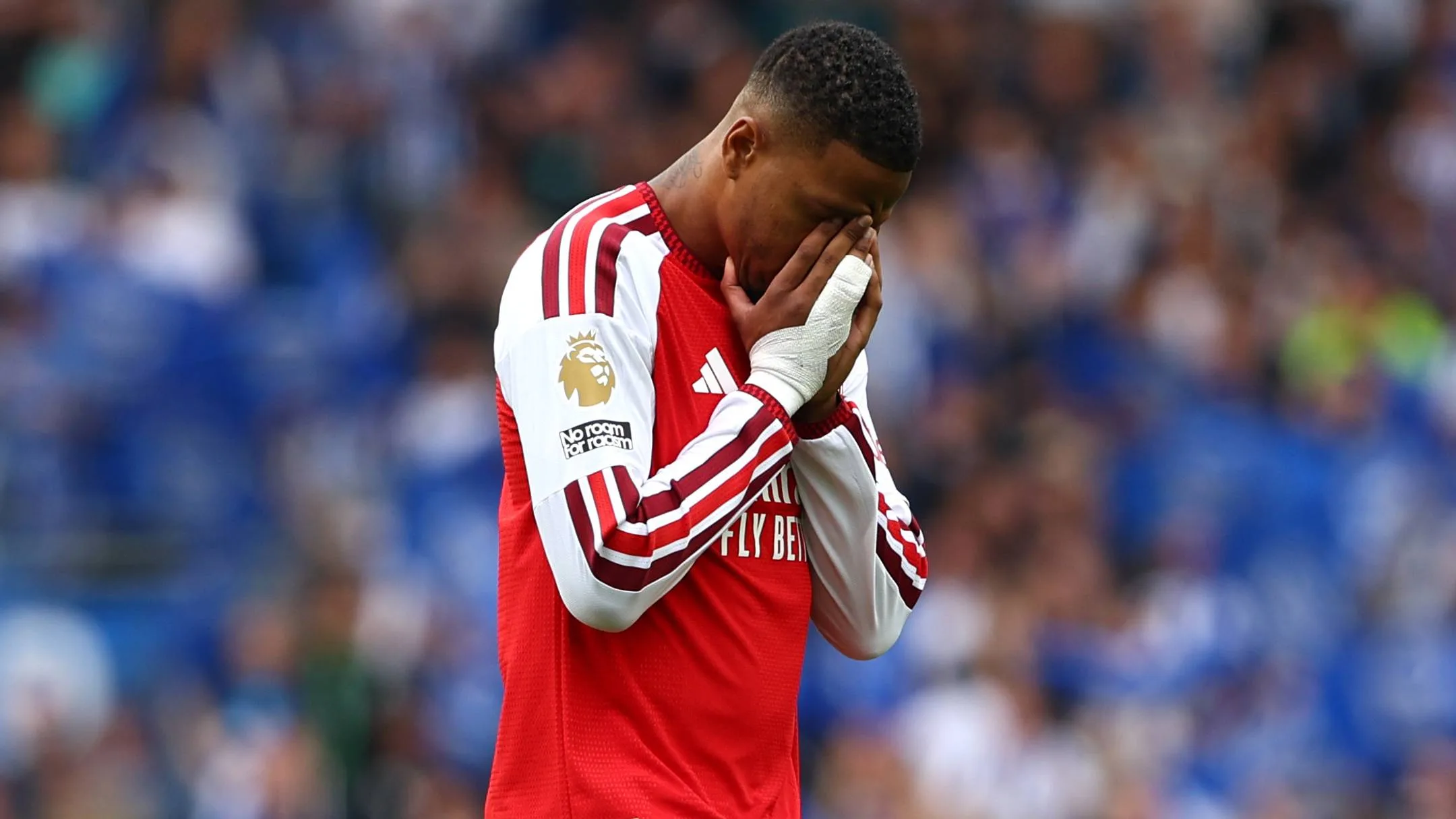
Arsenal’s first defeat of the season brought a bleak assessment from inside the dressing room after Saturday’s 3-0 loss to Brighton & Hove Albion. Bruno Guimarães said the reaction among the players was immediate, with the standard of the performance falling well below what was expected.
“In the first throw, you could sense it, it was so clear,” Arteta lamented, whispering through his postmatch press conference with a thinly veiled sense of fury. The mood was not much brighter in the locker room around the corner.
Guimarães described the match as one to move past, but not before stressing how badly Arsenal had fallen short. “I think today is a day to forget,” he said after his first Premier League start for the club. “Everything we tried didn’t work. Credit to them [Brighton] as well but we can’t accept this here.
“I think in the changing room, everyone was complaining about ourselves, about the level we played today. Like I said, it’s not acceptable. A very bad day in the office.”
Arteta viewed the defeat as a failure to meet the demands of the game. Brighton’s pressing and direct play repeatedly forced Arsenal into errors, and the Arsenal manager said his side had not matched the basics required in the Premier League.
“Brighton were another gear up from us,” Arteta fumed. “We were extremely poor technically and not respecting the game. And from our side there were certain basics that you need to accomplish in football, especially in the Premier League, that we were very far from.”
He added: “In the first duel, the second ball, that put the game, especially how direct they were, in a really difficult place for us,” Arteta added. “On top of that, when we did regain the ball, especially in our own half, the amount of technical errors that we did and we didn’t respect any principle of play that you have to get out of those man-to-man situations.”
Guimarães was among the most disappointing performers in red, especially given the expectations behind his summer move. Recognising his part in the collapse, he then issued a message of apology to the Arsenal fanbase and promised better days ahead.