Analytics & Stats
One priority signing each Premier League club should target before the window closes
A club-by-club look at the main transfer priority every Premier League side still needs to address.

With less than a month left in the transfer window, Premier League clubs are still expected to be busy. Incomings and outgoings remain likely across the division, and every side still appears to have at least one clear gap to fill before the deadline.
Arsenal may be attracting attention with their pursuit of Vinícius Júnior, but their bigger need is in central midfield. Declan Rice carried too much of the load last season, while Martín Zubimendi faded after the break and Myles Lewis-Skelly is not yet fully trusted there. Another box-to-box midfielder would help enormously.
Aston Villa could soon be short at left back if Lucas Digne leaves, which would leave Ian Maatsen as the only senior option. Bournemouth need more depth in wide areas, Brentford still require a more natural left back, and Brighton & Hove Albion must replace the goals lost with Danny Welbeck’s move to Chelsea.
Chelsea, meanwhile, have done plenty of work already but still have not addressed the goalkeeper position. Robert Sánchez improved in 2025-26, yet the club still look in need of a top-class solution.
Elsewhere, Coventry City are close to signing Carl Rushworth permanently and would then turn to left back. Crystal Palace need centre-back reinforcements after losing Marc Guéhi and Maxence Lacroix, while Everton must add a defensive midfielder after Idrissa Gana Gueye’s departure.
Fulham will look for winger depth after strengthening up front, Hull City want more options in attack, and Ipswich Town are still waiting for a central midfielder. Leeds United may also need another striker to cover for Dominic Calvert-Lewin’s injury record.
Liverpool’s most pressing issue is out wide, Manchester City need a right back, Manchester United still want a more destructive midfielder, and Newcastle are alarmingly short at left back. Nottingham Forest must replace Elliot Anderson in midfield, Sunderland need more balance on the left side, and Tottenham Hotspur have already moved aggressively to rebuild after last season’s collapse.




Analytics & Stats
Michael Carrick’s Manchester United record and how it stacks up against Ruben Amorim
Carrick’s numbers are slipping fast, and United’s latest collapse has revived awkward comparisons.
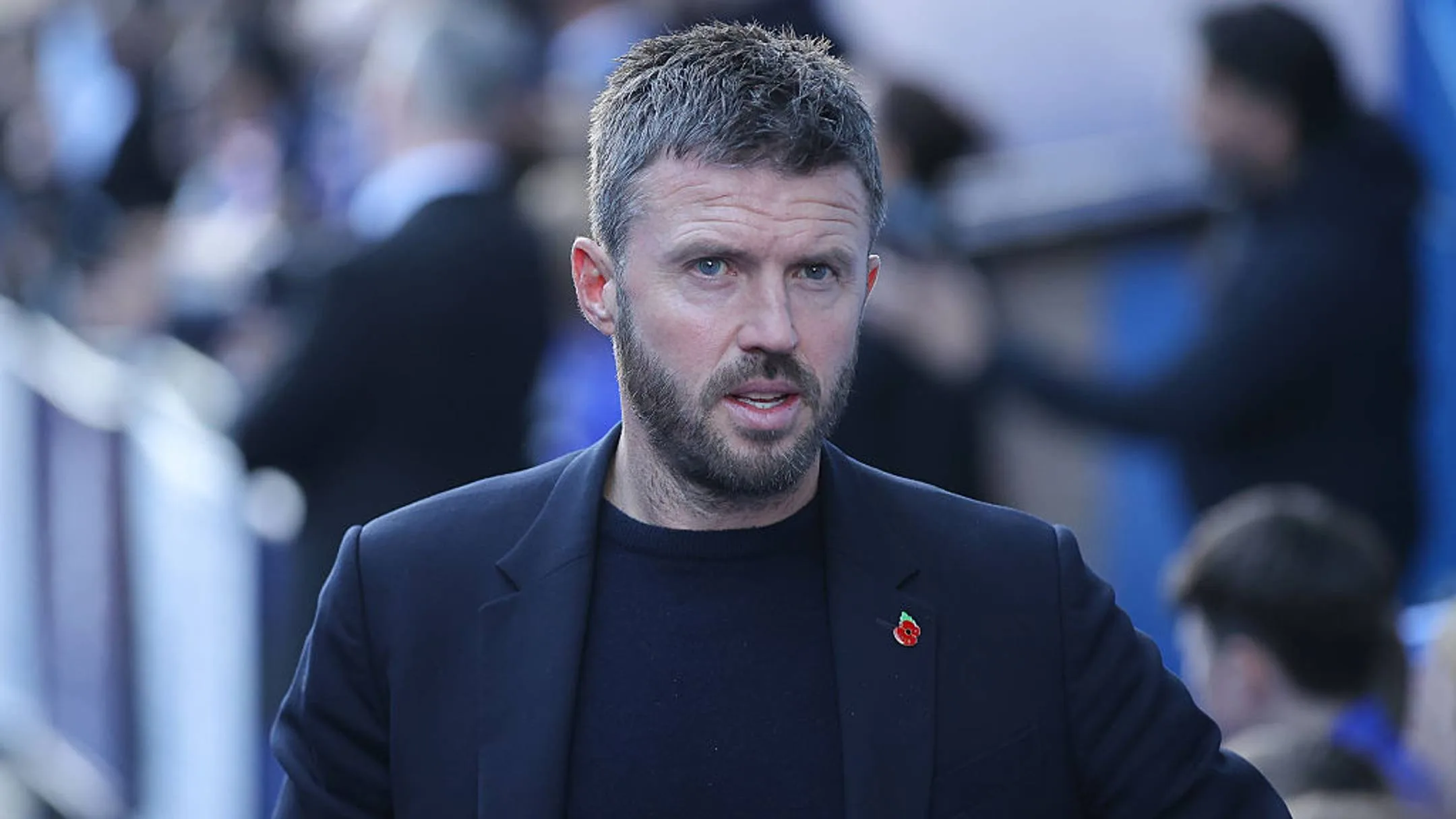
Manchester United have once again settled into a familiar pattern, with Michael Carrick now carrying the burden of a club still searching for stability. As has often happened in the years since Sir Alex Ferguson left, early encouragement has given way to mounting concern.
Supporters may continue to point their frustration in other directions, but the manager remains the figure most likely to absorb the consequences when standards drop. Ruben Amorim understood that reality, even if his own failings at the club were more obvious. He is now in Milan, working to rebuild his reputation after leaving Old Trafford at the start of the year.
Amorim’s time in charge ended with one of the poorest records in modern United history. The question now is whether Carrick, whose own numbers have declined sharply this season, is in danger of sliding beneath that already low benchmark.
The comparison is instructive. Amorim oversaw 63 matches, winning 25 and losing 23, with a 39.7% win rate. Carrick, by contrast, has managed 33 games so far, collecting 16 wins, eight draws and nine defeats, which leaves him on 48.5%.
Amorim’s broader tenure lasted 14 months and included a strong run to the 2025 Europa League final, where United beat Athletic Club in the last four before losing to Tottenham Hotspur in the showpiece. Yet his Premier League record was weaker, with only 15 wins from 47 games and a league win rate of 31.9%.
Carrick’s early spell as interim boss in late 2021 went better, with two wins and a draw from three matches after Ole Gunnar Solskjær departed. Later, after taking over from Amorim in January, no team earned more points from the moment he returned to the Old Trafford touchline until the end of the season than United. They won 12 of 17.
That has not carried over into 2026/27. United have won only two of 13 matches, against newly promoted Ipswich Town and Champions League debutants Sabah. Carrick’s win rate has dropped to 15.4%, while their goal difference stands at -7 after three successive defeats by a combined eight goals.
The warning signs were visible last season. The Guardian reported that United earned 12.7 more points than expected under Carrick, with eight one-goal wins suggesting a run that was difficult to sustain. That fragility has now been exposed. A 2-0 defeat to Chelsea stretched their winless run to nine games, their worst such spell since October and November 1988.
Analytics & Stats
United’s Transfer Market Failures Exposed by Fresh Study
A new study shows Manchester United have lost $452 million on signings over five years.
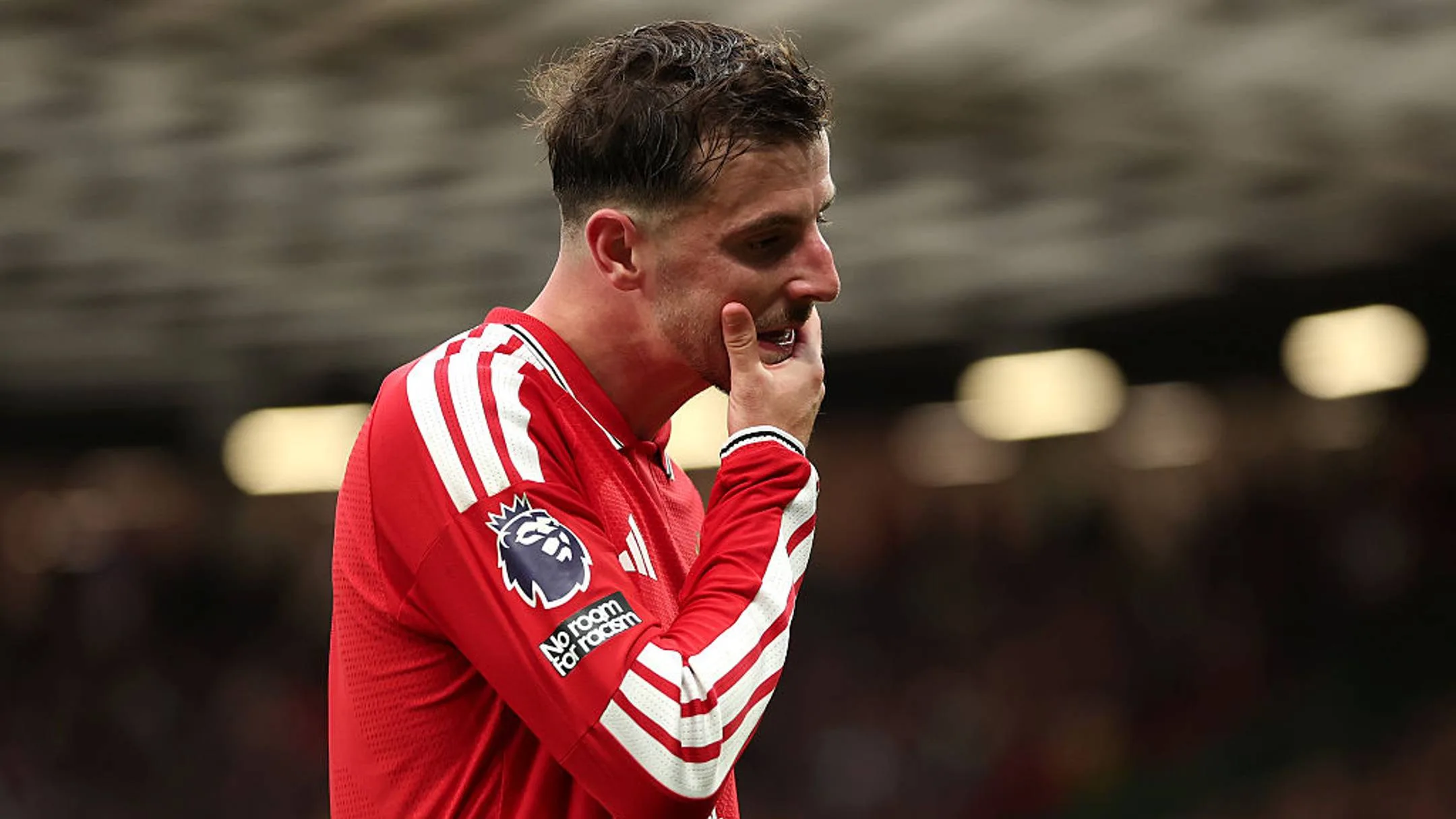
Manchester United’s difficulties on the pitch have been well documented, but a new statistical study has underlined a separate problem: a transfer strategy that has drained value at an alarming rate.
The CIES Football Observatory has ranked clubs around the world by the “appreciation or depreciation in value of non-academy players signed over the past five years.” The method combines fees paid and received for players who have left, while current players are measured against their present market value. Only clubs with spending and income above $56 million since 2022 were included, with add-ons counted whether or not they have already been paid.
On that basis, United sit as the European club to lose the most on signings over the past five years. Their total depreciation stands at $452 million, a figure surpassed only by Al Hilal (-$560 million) across the global list.
Of United’s overall loss, $208 million relates to players who have already left on permanent deals, including Sancho, Højlund and Antony. A further $244.5 million has been lost on players still at the club. That total is far above any other European side.
Tottenham Hotspur are the nearest continental comparison, having lost $210 million, less than half of United’s figure. By contrast, local rivals Manchester City are among the biggest winners, ranking fifth with almost $500 million added in value over the same period.
Eintracht Frankfurt (+$588 million), Real Madrid (+$587 million), Paris Saint-Germain (+$547 million) and Benfica (+$545 million) sit above City. Chelsea also post a positive return at $200 million, while Arsenal (+$123 million) and Liverpool (+$14.5 million) have seen their signings increase in value overall.
United, however, have not dramatically altered course. Their spending has become less erratic over the last two seasons, but they still spent more than $400 million on new arrivals, and none apart from the cost-effective Senne Lammens have yet justified their price tag.
Their approach of strengthening one area at a time has also hurt results and, in turn, the value of the current squad. They focused on attack with Benjamin Šeško, Bryan Mbeumo and Matheus Cunha in 2025, then turned to midfield last summer with Youri Tielemans, Andrey Santos and Carlos Baleba. The defence, presumably, will be next.
Analytics & Stats
Matchday 7: control, chaos and a few hard truths across the Premier League
Matchday 7 brought heavy defeats, narrow wins and blunt verdicts across a demanding Premier League weekend.
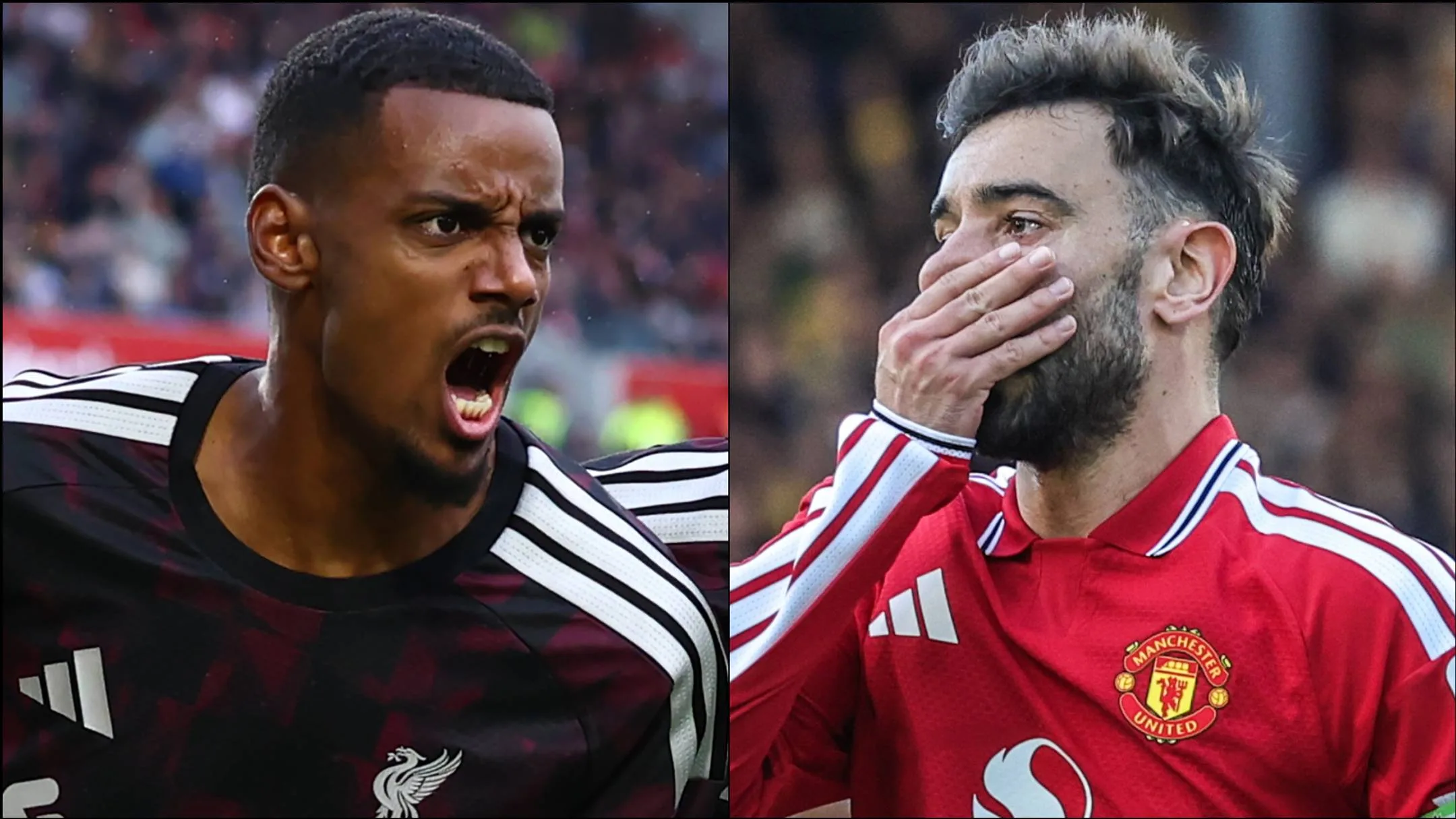
Matchday 7 delivered a broad sweep of extremes, from disciplined control to outright collapse, and plenty in between. While the off-field uncertainty surrounding Manchester City continues, the weekend’s football offered the clearest evidence available: some teams are settling into strong rhythms, while others are still fighting themselves as much as the opponent.
Sunderland’s afternoon unravelled early, with Kevin Danso’s 17th-minute red card arriving after the damage had already begun. Nordi Mukiele did not soften the assessment, saying: “If I have to be honest with you, we are not good,” before adding, “Maybe because we became arrogant, maybe. This is what I think.” Pierre Sage’s verdict was equally blunt: “My feeling after the game is shame.”
Fulham’s win over Hull City was one of the most one-sided matches of the round despite the narrow scoreline. Sergej Jakirović was candid in defeat: “It’s easy to analyze this game,” he said. “We were out of everything.” He added, “It was men against boys.”
Newcastle United’s meeting with Aston Villa exposed the contrast between structure and disorder. Villa looked composed throughout, while Newcastle were left improvising and chasing. Matthias Jaissle’s conclusion was short and sharp: “We were not smart enough.”
Coventry City left Tottenham with nothing after failing to make the most of a promising opening spell. Frank Lampard’s side were unable to turn early control into points, despite a fast finish.
Everton’s goalless first half was summed up by David Moyes, who said Harrison Armstrong’s challenge on Josh Acheampong was “the best part” of it. That aside, the second half brought cheap concessions and only two shots from Everton.
Elsewhere, Arsenal again needed a slow-burning route to victory at the City Ground, while Nottingham Forest produced an imposing display for long periods without finding the composure to finish the job. Forest’s frustration was underlined by the fact they did not score at home for more than eight hours of football.
There were also positives for Bournemouth, who overwhelmed Sunderland in every measurable sense, and for Chelsea, who earned a result in ugly conditions. Xabi Alonso said, “Today was not just about playing nice football,” before adding, “We needed a result like this,” after Chelsea recorded their first Premier League clean sheet at the 24th attempt.