International
Fernandes: Enjoy the Moment as Saudi Exit Talk Persists
Bruno Fernandes says he cannot imagine a Saudi move next summer but will not dismiss a surprise exit

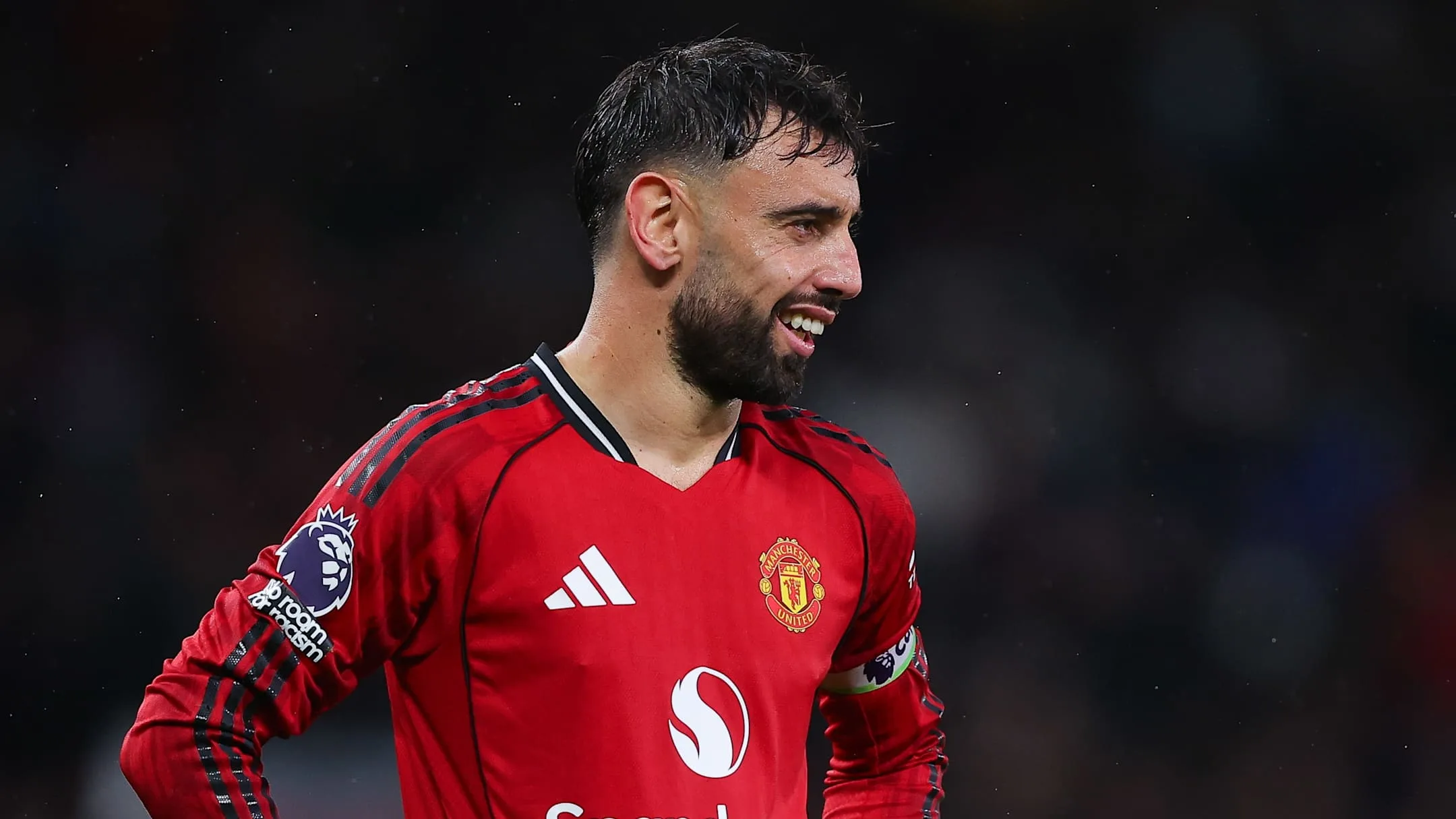
Bruno Fernandes addressed growing talk about a possible move to Saudi Arabia while on international duty, insisting his focus remains on the national team even as speculation intensifies. The Manchester United midfielder described the idea of leaving next summer as difficult to picture but stopped short of ruling out a surprise departure from Old Trafford.
“That’s an impossible scenario to imagine, because it’s nothing that’s been discussed with me,” he stressed. The 31-year-old said he prefers to remain present and concentrate on current commitments. “I like to enjoy the moment, and the most important thing for me now is representing the national team.
“It’s a source of enormous pride to be able to play [for Portugal on Saturday], and I still don’t know if I’ll play, let alone if I’ll leave Manchester United in a year.
“It’s not something that worries me. I’m happy where I am, otherwise I wouldn’t have stayed. But it’s something that honestly doesn’t really bother me.”
United’s poor start to the season has renewed transfer chatter, with rumours placing a Saudi move in 2026 and some reports even suggesting January as a possibility. Fernandes’ commitment to winning with United has been clear in his public comments, and discussions over his future did take place this past summer.
Talks followed remarks from Fernandes about how the club might view a £100 million fee. When club officials made clear they did not want to lose him, he moved to close down talk of an immediate exit while qualifying his stance.
“I didn’t close the door on moving to Saudi Arabia because of the World Cup ,” Fernandes explained. “That was never in my mind.
“I wanted to stay at Manchester United, and the club wanted me to stay. That’s all there is to it.”
For now, Fernandes has framed his priorities around national team duty and continuing to compete for trophies with United, leaving his future open but rooted in the present.

International
Seven Ballon d’Or disputes that still define the award
A look at the Ballon d’Or’s most disputed decisions, from early exclusions to modern outrage.
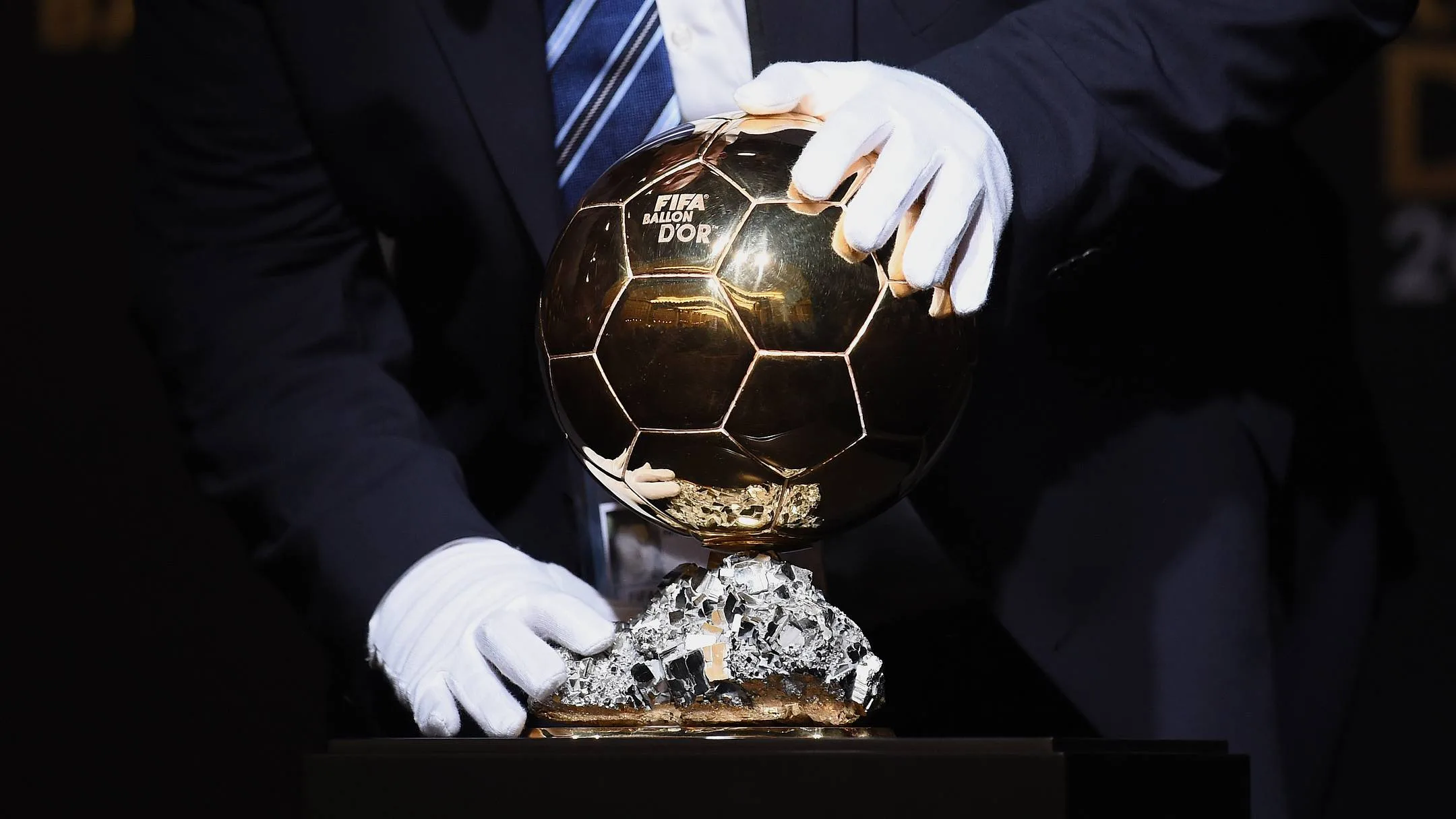
The Ballon d’Or was created in the mid-1950s by writers Gabriel Hanot and Jacques Ferran as a journalistic prize for the best European player in Europe. What began as a straightforward honour has become one of football’s most argued-over awards, with every era producing its own flashpoints.
By 2026, the contest sits in a different world. The Messi-Ronaldo period and the wider rise of individual acclaim have only intensified the debate, with stars such as Kylian Mbappé and Lamine Yamal now openly seeking votes. Yet the award has never been decided unanimously, and its history is crowded with choices that have baffled observers.
The early rules left out the world’s great non-Europeans until 1995, which means names such as Pelé, Diego Maradona, Mario Kempes and Romário do not appear among the winners. The inconsistencies did not stop there, as players such as Alfredo Di Stefano and Omar Sívori were eligible through dual citizenship.
Kevin Keegan’s 1978 win remains one of the oddest, especially when set against the year he had, while Kenny Dalglish finished only eighth despite 31 goals and a European Cup final winner. More recently, Erling Haaland’s 52 goals in 53 games during Manchester City’s treble season still were not enough to prevent Lionel Messi taking the prize.
The 2010 vote also caused lasting frustration. Messi profited from split support between Andrés Iniesta and Xavi, while Wesley Sneijder, central to José Mourinho’s treble-winning Inter Milan side and the Netherlands’ run to the World Cup final, ended up fourth. Diego Milito, despite a major season, was not even nominated.
Michael Owen’s 2001 success is still disputed, with Raúl’s La Liga dominance prompting the headline “Stolen Ballon d’Or” in Spain. In 2003, Pavel Nedvěd beat Thierry Henry, who had become the first player to reach 20 league goals and 20 assists in a Premier League season.
The 1960 result also drew scrutiny, as Luís Suárez prevailed while Ferenc Puskás finished second despite 47 goals in 36 games. More recently, Vinícius Jr being passed over for Rodri led to Madrid’s boycott of the Paris ceremony and a pointed statement from the club.
Arsenal News
Xhaka withdrawn from Switzerland squad after admitting forged Covid certificate
Xhaka is out of Switzerland’s squad after admitting he obtained a forged Covid-19 certificate in 2022.
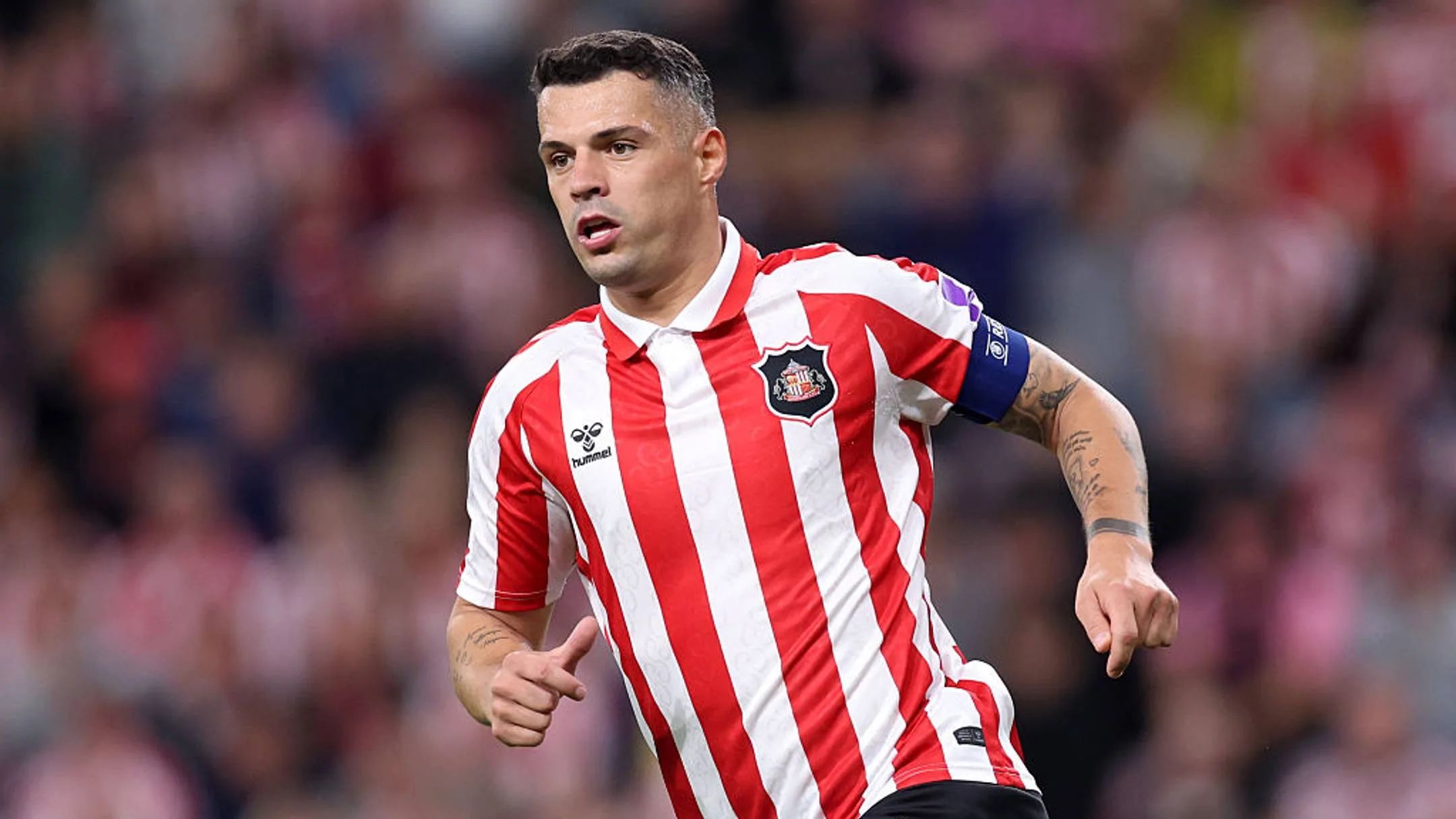
Granit Xhaka has been taken out of Switzerland’s squad for the rest of this international window after acknowledging that he obtained a forged Covid-19 vaccination certificate in 2022.
Xhaka said the decision was “not the right course of action” and described it as a “mistake.” He also issued an apology, but the matter has moved beyond a public statement. Before posting his message as an Instagram story, he had already been in contact with the Swiss Football Association (SFV).
The issue resurfaced after Blick ran the headline last Friday, ‘Did Xhaka buy a fake Covid certificate?’ The report said the document was obtained from a doctor in Lucerne. Police searched those premises in 2023 and “evidence seized.”
On Sunday, after the news emerged in Switzerland, Sunderland manager Régis Le Bris declined to address it directly, saying it was not his “area to speak about those problems or situations.” Xhaka had played the full 90 minutes in a 5-3 defeat to Manchester City, and had previously been an Arsenal player in 2022.
The prosecutor’s office in Lucerne confirmed to Blick that proceedings have been opened against Xhaka and the doctor involved. “The aim,” they say, “is to clarify whether there has been any criminally relevant conduct in connection with the possible fraudulent procurement of a false certification and/or forgery.” Xhaka is due to be questioned in early October.
The SFV said it “welcomes” Xhaka addressing the matter publicly and taking responsibility, after discussions with the national team legend on Sunday night.
“At the same time, we jointly concluded that it is in the team’s best interest to complete this training camp without him,” SFV president Peter Knäbel said. “Our priority now is to calm the situation and focus entirely on the team and the upcoming challenges in the UEFA Nations League. After the conclusion of this international match window, we will reassess the situation together with Granit and discuss the next steps.”
The broader issue is not vaccination itself. In Switzerland, vaccination was never a legal requirement, though proof of vaccination was needed for access to certain venues or travel. The central question is the alleged procurement of false or forged official documents.
Arsenal
Why the Premier League has another three-week wait for its return
The Premier League is paused for three weeks as international football takes over until October 10.
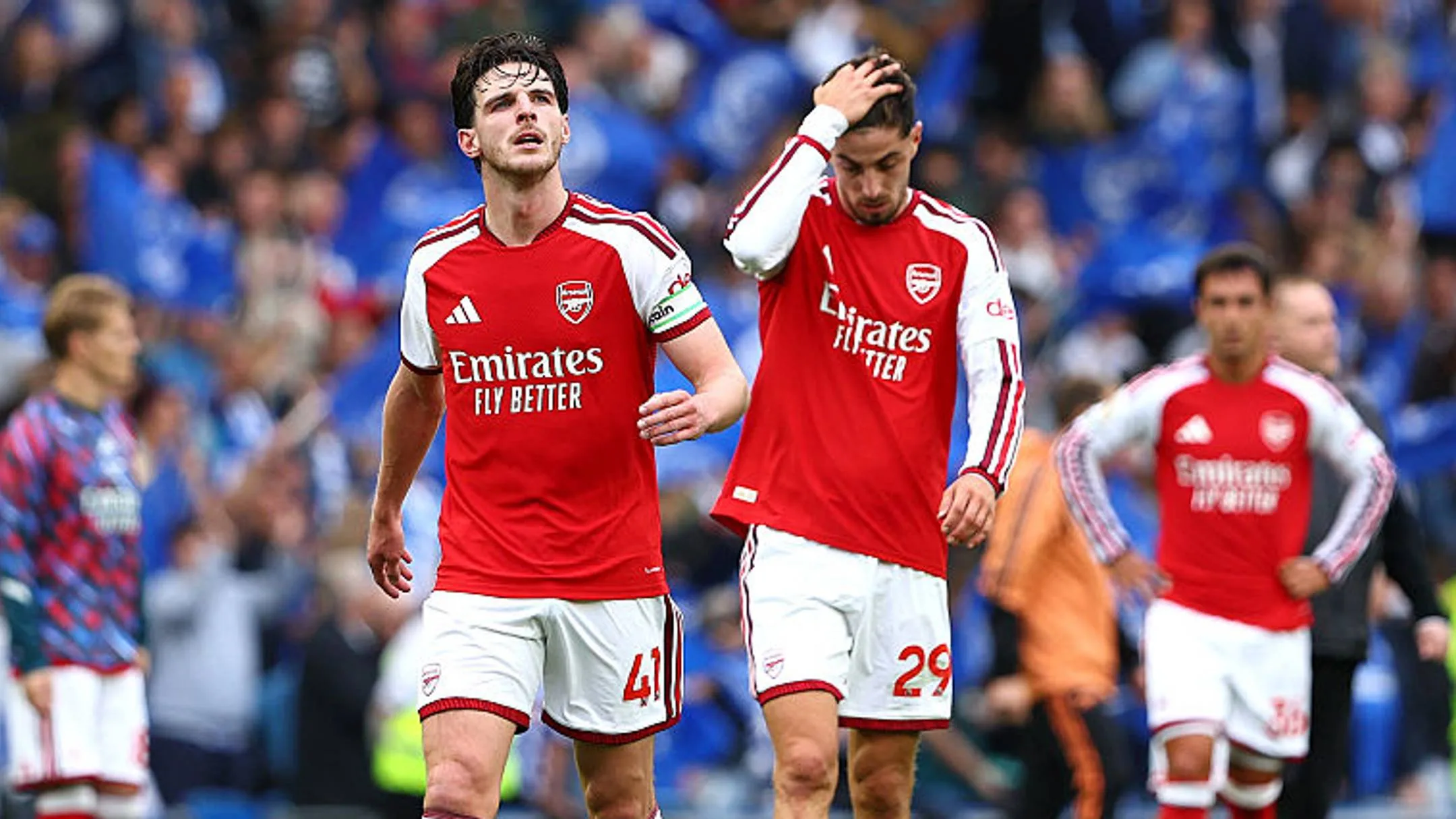
The first chapter of the 2026/27 Premier League season has already been completed, but there will be no league football for the next two weekends. An international break has taken over, and the domestic calendar will remain on hold until October 10.
That pause comes after a strong start from Arsenal, whose perfect record drew talk of a potentially one-sided title race. Yet Brighton & Hove Albion halted that run before the break, a result that offered a reminder that the leaders are not beyond reach.
For now, though, attention shifts away from club football and back to national teams. This is the first time sides have come together since the 2026 World Cup, and the next couple of weeks will be filled with fixtures that should keep supporters occupied.
The Premier League’s return is set for Matchday 6, when Arsenal open the weekend at Emirates Stadium against Leeds United. It will mark the restart of a schedule that has been interrupted by an extended pause created by the international calendar.
That calendar was changed by the FIFA Council in 2023, leaving only three international breaks this season. September and October have effectively been combined into one longer window, with further breaks still due in November and March.
The stoppage is not limited to England’s top flight. Club football across Europe has also been paused until the second weekend of October, while the 2026/27 UEFA Nations League begins to take centre stage.
Teams will play four times during this window, and several matches stand out. League A includes a rematch of the Euro 2024 final between England and Spain on Sept. 26, Germany against the Netherlands on Sept. 24, France at home to Italy on Oct. 2, and Portugal facing Norway on Oct. 4.