Analytics & Stats
Club Valuations 2026: Ranking the World’s Top 30 Soccer Teams
Forbes’ 2026 valuations show European clubs lead, MLS gains ground with four franchises rising 2026

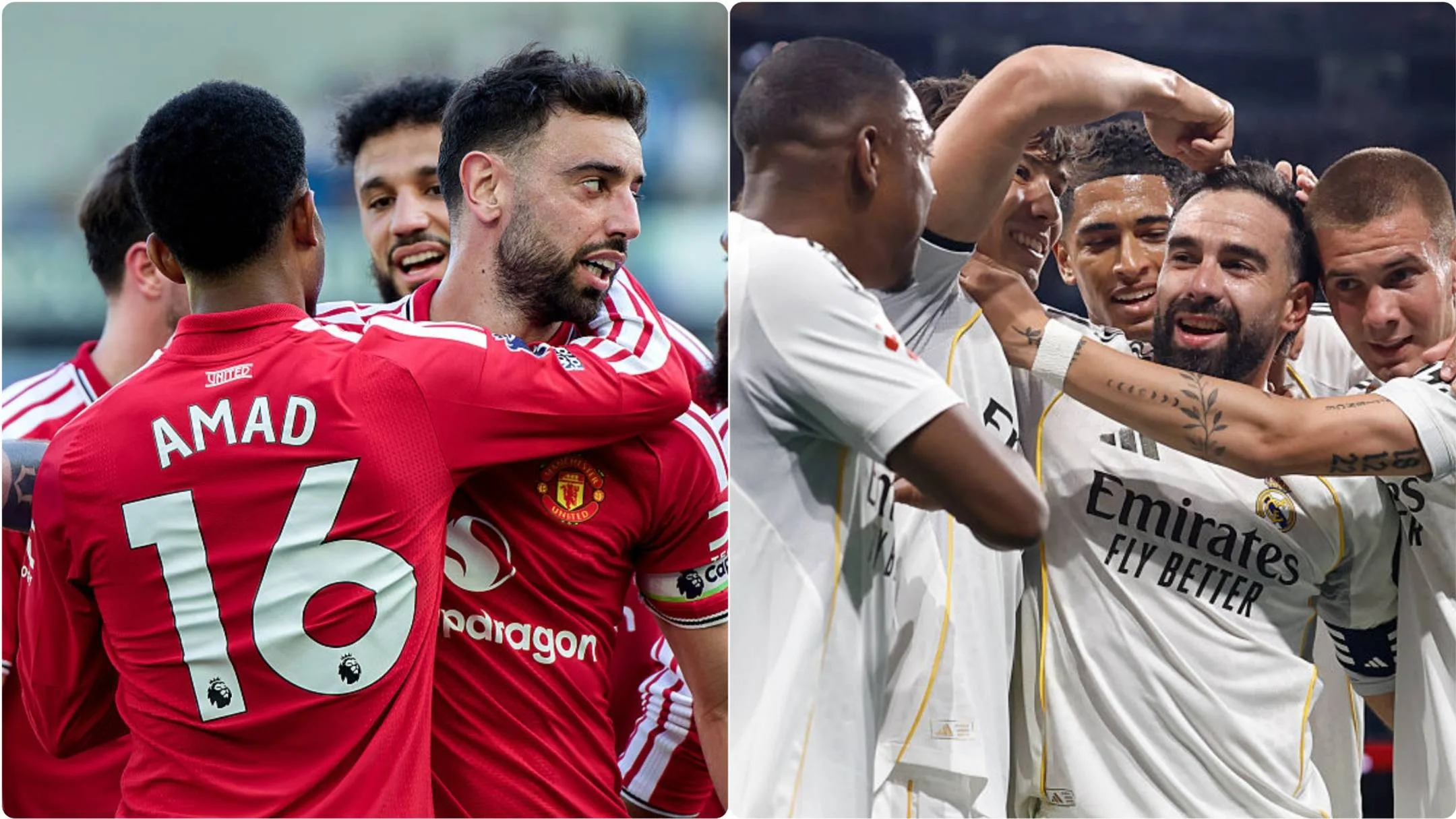
Forbes’ 2026 valuations list the 30 most valuable soccer clubs, with European heavyweights dominating and MLS making significant inroads. Eleven Premier League sides and seven Major League Soccer teams feature among the top 30.
At the summit Real Madrid lead the market at $9.5 billion, followed by Barcelona at $7.5 billion and Manchester United at $7.2 billion. Liverpool sit at $6.2 billion, Paris Saint-Germain at $5.8 billion and Bayern Munich at $5.7 billion. Manchester City and Arsenal are close together at $5.5 billion and $5.4 billion respectively, with City only $100 million ahead of Arsenal. Chelsea are valued at $4.2 billion and Tottenham Hotspur at $3 billion.
Further down the table Atlético Madrid are 11th at $2.95 billion, Juventus 12th at $2.4 billion, Borussia Dortmund 13th at $2.2 billion, AC Milan 14th at $1.85 billion and Inter 15th at $1.8 billion. The report notes Inter still trail AC Milan despite higher revenue, and Juventus remain ahead at $2.4 billion despite on-pitch struggles.
Aston Villa have recorded a striking 56% growth to $1.4 billion, boosted by Champions League qualification and the work of Unai Emery, making them England’s most valuable club outside the traditional Big Six. Newcastle United are 19th.
MLS representation includes Inter Miami ($1.35 billion), LAFC ($1.32 billion), LA Galaxy ($1.08 billion), Atlanta United ($1 billion) and New York City FC ($1.02 billion). Austin FC and Seattle Sounders enter the list but remain below the $1 billion mark at $855 million and $860 million respectively. The draft highlights that LA clubs and Inter Miami have all seen value increases.
Across Europe, Benfica ($960 million) and Roma ($940 million) occupy mid-table positions, while Stuttgart continue their resurgence at $880 million, now Germany’s third-most valuable club. Brighton & Hove Albion, Fulham and Everton rank 27th to 25th and sit just under the $1 billion threshold.
The 2026 rankings underline the financial gulf inside the top tier, while also showing MLS clubs closing the gap in value terms.




Analytics & Stats
KMI Audit: 25 VAR Errors Reshaped the 2025/26 Title Race, Arsenal the Biggest Beneficiary
KMI lists 25 VAR mistakes in 2025/26. Arsenal gained four points; title trimmed to goal difference .
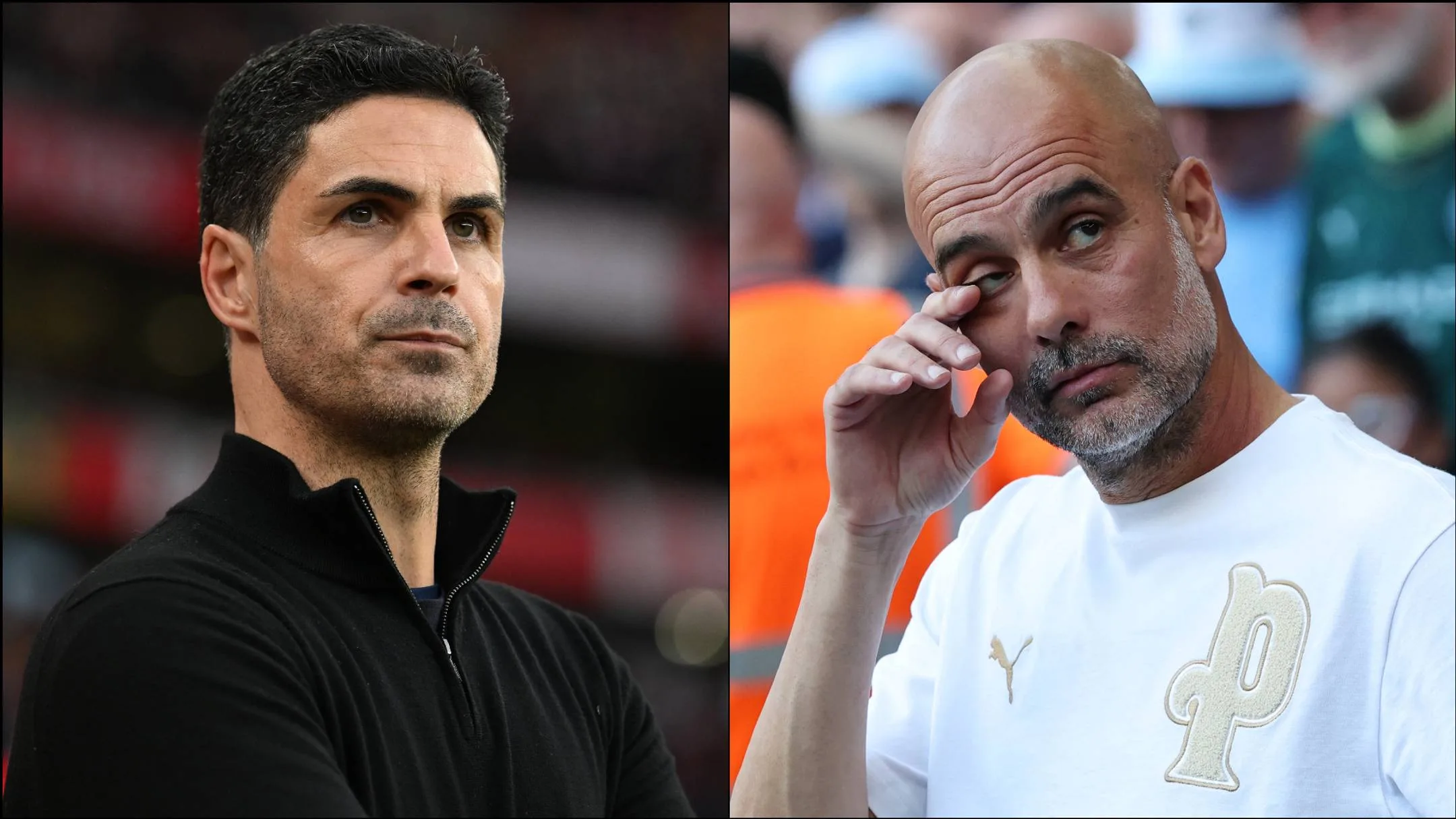
Since Howard Webb took charge of English referees in 2022 a Key Match Incidents panel has been meeting after each round to review officiating. BBC Sport were given access to the panel’s findings from the 2025/26 season, which record 25 VAR errors, seven more than last season.
The KMI log is clear that these incidents are those which met the “clear and obvious” threshold that Stockley Park should have identified. Working on the assumption that every penalty that should have been awarded would have been converted, the panel’s list changes how results would have stacked up. Arsenal benefit most: the Gunners won four points as a consequence of VAR errors. Manchester City’s points total was not altered in the panel’s reconstruction, though City were affected by individual incidents during the campaign.
Phil Foden was denied a clear penalty in a 2–1 defeat to Newcastle in November, an episode Pep Guardiola would later criticise. The KMI panel judged that complaint to be justified, but City also gained from a missed call in May when Bernardo Silva escaped giving away a penalty for going all WWE on Merlin Röhl.
Manchester United’s final tally includes two points that the panel says were won thanks to a favourable decision which allowed Bryan Mbeumo to handle the ball before Matheus Cunha found the net in a 3–2 win over Nottingham Forest at the end of the season.
Arne Slot spent much of the campaign vocal about perceived bias. “If there’s a VAR intervention or if there’s something that could be left or right [50-50] then the decision goes against us,” the Dutch boss moaned after Benjamin Šeško’s controversial strike for United was allowed in May. The KMI panel did not deem Šeško’s goal to meet the threshold of an error because no conclusive footage could be found.
Liverpool’s sole KMI-listed mistake came on the opening day when Marcos Senesi was not sent off for Bournemouth after handling the ball; Liverpool won that match 4–2. Three of Arsenal’s eight 1–0 wins were aided by VAR mistakes, including Viktor Gyökeres’s penalty against Everton at Hill Dickinson, where Everton should have had a spot kick for William Saliba’s swipe. David Moyes declined to elaborate after that game. “I’d like to,” Moyes shrugged, “but I’d probably be fined.” Fabian Hürzeler also protested after Brighton’s loss to Arsenal when Gabriel Martinelli escaped punishment for a tug on Mats Wieffer.
Analytics & Stats
How Manchester United’s Post‑Ferguson Sackings Approached $100m
Post-Ferguson exits have cost Manchester United about $99.9 million across six managerial sackings..
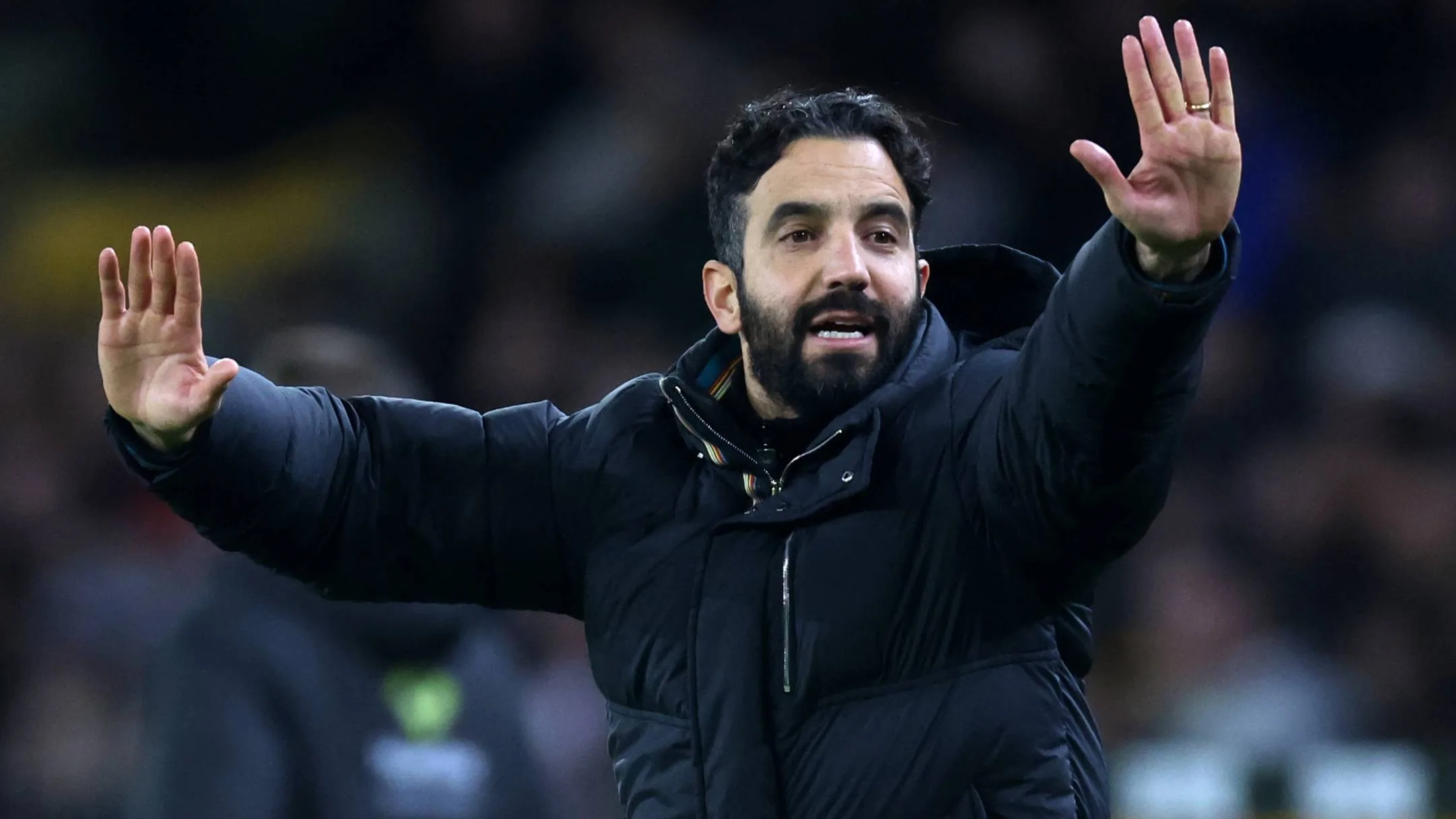
Manchester United’s long transition after Sir Alex Ferguson has carried a heavy, measurable cost. Since Ferguson left in 2013 the club has paid compensation for six permanent managers and their backroom staff that together approach $99.9 million.
Ruben Amorim was the most recent high-value departure. The Portuguese coach was relieved of his duties in January after 14 months in charge. United’s accounts show Amorim and his coaching staff have been paid $22.4 million (£16.7 million). That sum could increase if Amorim remains out of work for the entire 2026–27 season, which is thought to be his current plan. At the time of his hiring United paid $14.8 million to buy him out of his Sporting CP contract; Amorim had initially wanted to wait until the end of the campaign before joining the club.
Reports at the time of Amorim’s dismissal said a clause in his contract prevented Manchester United from deploying any “discounted” compensation package, ensuring he would be entitled to the full 18 months remaining on his contract.
The cumulative cost for each sacking is detailed by club accounts: David Moyes $7 million (2013–14), Louis van Gaal $11.3 million (2014–16), José Mourinho $26.3 million (2016–18), Ole Gunnar Solskjær $13.4 million (2018–21), Erik ten Hag $19.5 million (2022–24) and Ruben Amorim $22.4 million (2024–26). Those figures add to roughly $99.9 million.
The same decision-making that recruited Amorim also sanctioned a fresh contract for Erik ten Hag just 116 days before he was dismissed, an operation that factored into the $19.5 million cost recorded against his exit.
To put the total into perspective, United have spent more on a single transfer fee only three times in the club’s history. The club’s published figures and the note attached to the cost table make clear: “Figures converted to dollars at the time of publication.”
Analytics & Stats
How Mohamed Salah Rewrote Liverpool’s Record Book
Mohamed Salah’s record-breaking at Liverpool has reset expectations and reshaped the club’s history.
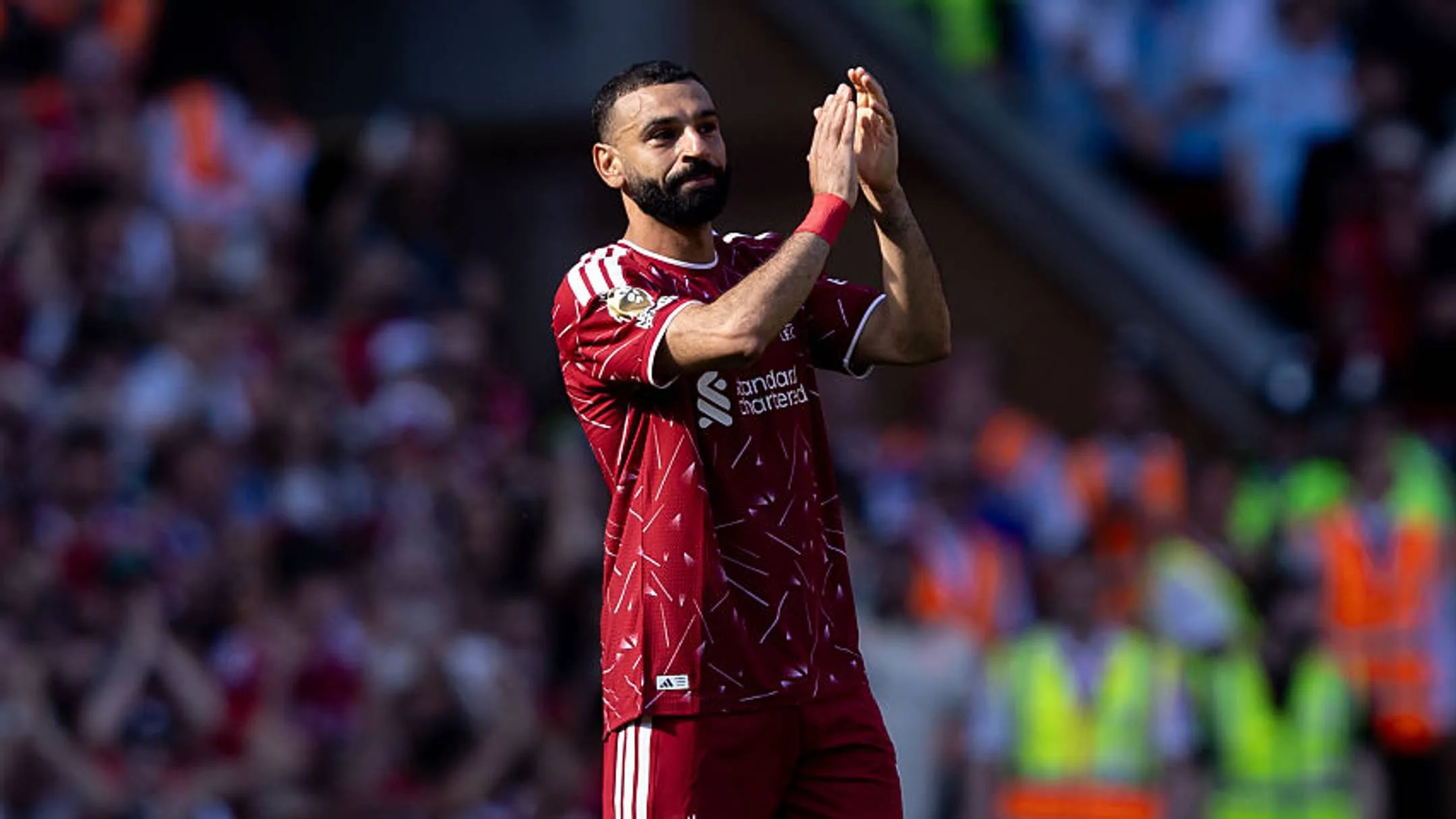
Mohamed Salah has not merely smashed records at Liverpool—he’s blown them to smithereens.
That sentence captures a simple truth: the player’s tenure at the club changed the practical limits of what was thought possible. When a player repeatedly surpasses benchmarks, those numbers stop feeling like rare peaks and become the new baseline. The effect is both statistical and cultural. On the statistical side, previously celebrated marks are reframed; on the cultural side, expectations among teammates, coaching staff and supporters evolve.
Describing the scale of achievement does not require enumerating every milestone. The more important observation is the manner in which records ceased to be endpoints and became starting points. That dynamic alters how performances are judged and how future contributions are measured. Emerging players arrive at a different standard and the club’s historical narrative is adjusted accordingly.
For Liverpool, a sustained period of record-breaking by a single figure reshapes conversations about identity and ambition. It creates fresh reference points for comparison and forces institutions within the club to recalibrate what success looks like. That process matters across match preparation, recruitment priorities and supporter memory.
Any assessment of legacy must consider this ripple effect as much as the immediate statistics. A player who repeatedly reorganises the record book influences how the club remembers seasons and how it defines excellence. In that sense, Mohamed Salah’s impact at Liverpool goes beyond headline numbers and enters the realm of lasting influence on standards, aspirations and the benchmarks that will guide the club forward.