Chelsea
Chelsea Held at Stamford Bridge After Costly Defensive Errors in 2-2 Draw with Bournemouth
Chelsea drew 2-2 with Bournemouth at Stamford Bridge; costly long throw-ins wiped out a lead. in 2025


Chelsea finished 2025 with a 2-2 draw against Bournemouth at Stamford Bridge, a result that underlined persistent defensive problems and leaves the club in a precarious position heading into 2026. The hosts began poorly: Moisés Caicedo picked up a yellow card inside five minutes and will miss the forthcoming trip to Manchester City. A long throw from Antoine Semenyo created two headers in the box and David Brooks converted the rebound after Robert Sánchez could only parry the initial effort.
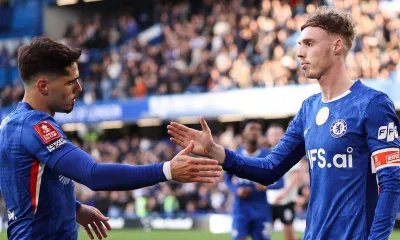
Chelsea responded when Estêvão’s run won a penalty following a challenge by Semenyo. Cole Palmer stepped up and converted from the spot in the 15th minute. Enzo Fernández then produced a brilliant finish, his first touch and feint creating space before he struck into the top corner to put Chelsea ahead.
The lead lasted only briefly. Trevoh Chalobah’s attempted clearance from another long throw rebounded off him and Justin Kluivert was unmarked to tap in Bournemouth’s equaliser. That sequence compounded a night in which goals conceded were directly linked to long throw-ins into the penalty area.
Robert Sánchez made several important saves and continued a strong run of form, but there was little he could do for the two goals conceded. Wesley Fofana was outstanding defensively and received Chelsea’s Player of the Match recognition alongside Cole Palmer. David Brooks was named Player of the Match for Bournemouth.
The draw means Chelsea have won one of their last seven Premier League matches, a slide that has seen them fall out of Champions League positions. With a difficult away fixture at Manchester City next, Enzo Maresca’s side will enter 2026 under pressure to arrest the negative run.
Player ratings (starting XI): Robert Sánchez 6.8; Josh Acheampong 6.0; Trevoh Chalobah 8.1; Wesley Fofana 6.3; Malo Gusto 6.5; Moisés Caicedo 7.3; Enzo Fernández 8.0; Estêvão 7.5; Cole Palmer 8.1; Alejandro Garnacho 7.1; Liam Delap 6.6.
Subs used and ratings: Reece James 6.8 (46’); Pedro Neto 6.8 (46’); João Pedro 6.6 (63’); Andrey Santos N/A (87’); Jamie Gittens N/A (90’).




Chelsea
Chelsea edge closer to another teenage U.S. arrival, report says
Chelsea are reportedly nearing another U.S. teenage signing, with Garcia following the planned arrival of Benji Flowers.
Chelsea are reportedly moving toward the signing of another American teenage talent, with Garcia said to be next in line to join the club. The move would follow the planned arrival of fellow U.S. prospect Benji Flowers, who is also set to head to Chelsea once he turns 18.
FC Dallas, which only signed Flowers to a homegrown contract last month, has already reached an agreement with Chelsea for the 15-year-old. The deal is understood to be worth an initial $3 million, or £2.25 million, with add-ons that could lift the total to about $10 million, or £7.5 million. Like Garcia, Flowers is currently developing with Dallas’s reserve side, North Texas SC, in MLS Next Pro. He made his debut in that competition at 14 in March.
The two players have also crossed paths internationally, having both represented the U.S. at under-15 level and collected multiple call-ups.
Chelsea’s interest in emerging talent from MLS is not without precedent. American goalkeeper Gabriel “Gaga” Slonina joined from the Chicago Fire in 2022 for a reported base fee of $10 million, shortly after his 18th birthday. Since moving to west London, Slonina has featured for Chelsea’s U-21s and spent time on loan in Belgium and in England’s League One. Garcia and Flowers could follow a similar route after joining Chelsea.
Chelsea
Mourinho reveals he was once set for Ferguson’s Manchester United role
Mourinho says he was set to replace Ferguson at United before changing course to return to Chelsea instead.
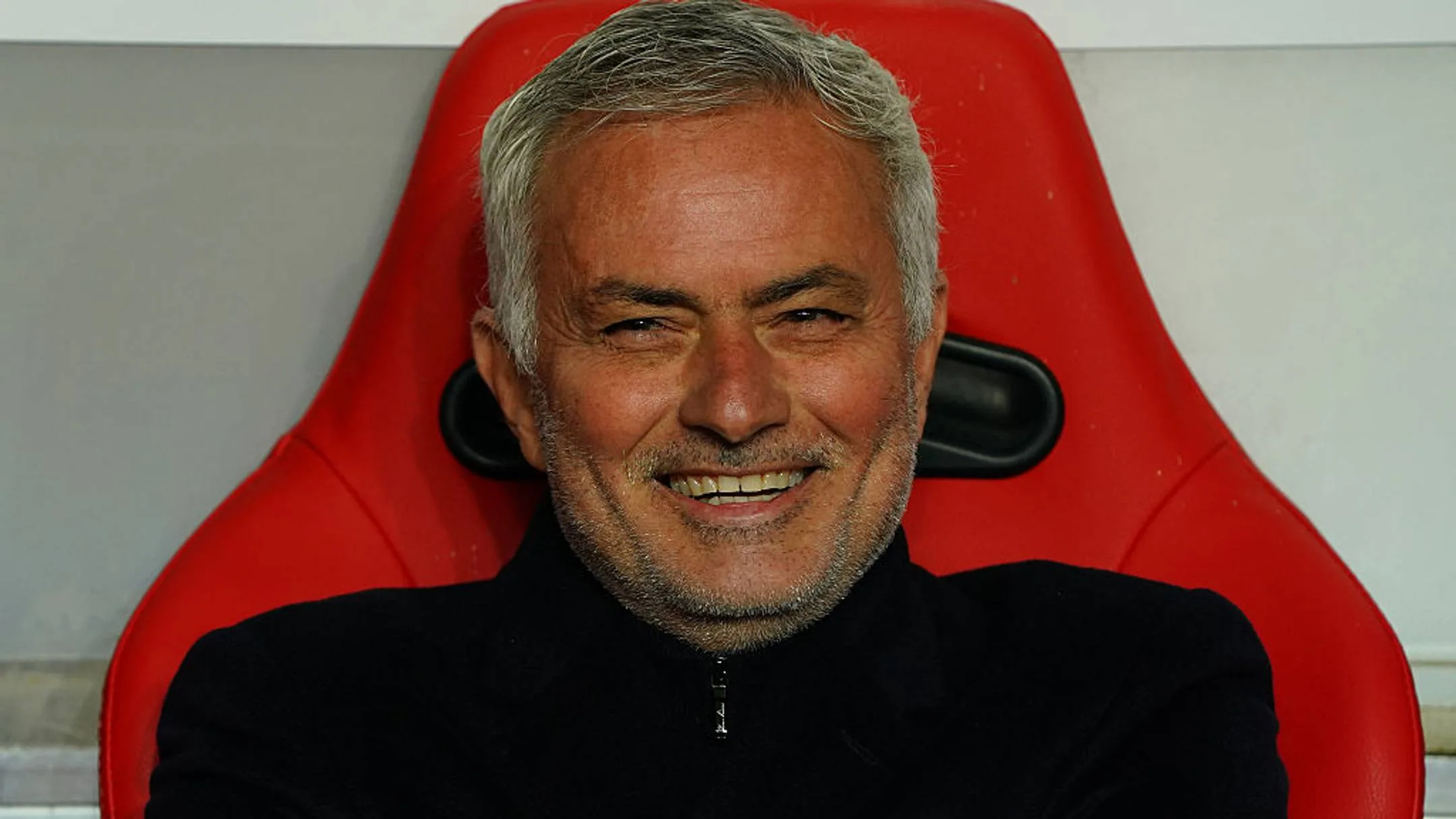
José Mourinho has disclosed that he was initially due to become Sir Alex Ferguson’s successor at Manchester United in 2013, before changing course and returning to Chelsea.
The revelation adds a fresh layer to one of the most scrutinised managerial transitions in recent Premier League history. David Moyes was ultimately chosen to follow Ferguson at Old Trafford after being personally selected by the departing manager. The appointment earned Moyes the nickname “The Chosen One”, but it proved to be a short-lived reign, ending before he completed a full season as United struggled to maintain the standards of the Ferguson era.
For years, that decision has been viewed as a major misstep by Ferguson and the Manchester United hierarchy. Mourinho’s version of events now presents a different path, one in which he was the intended successor before the deal collapsed.
On the new Netflix series Mourinho, the current Real Madrid manager said: “When I left Real Madrid, I signed to go to Manchester United after Sir Alex.”
Ferguson, who also appears in the docuseries, backed that account and described how close the arrangement came to being finalised.
“I sat him [Mourinho] down and explained the situation,” the 84-year-old claims. “As far as I was concerned, he was accepting. And then, within hours, it changed.”
Mourinho said he then reversed his decision and chose Chelsea, the club where he had already won two Premier League titles earlier in his career. Ferguson recalled the moment the change became clear: “One night, he phoned me and he was crying and he says: ‘Alex, I can’t take it. I’ve given my word to Chelsea and I’m not going to break my word.’
“The reason he gave to me, I could understand, but I was disappointed.”
Mourinho explained the choice in emotional terms: “One thing is love for football, another thing is love for a certain club,” Mourinho reasoned as he explained his decision to choose Chelsea over United..
“I think this is more powerful than love for football and fundamentally, after Real Madrid , I needed to feel that I’m loved.
“For me to lose the chance to be the coach to succeed Sir Alex Ferguson was dramatic, but I don’t regret [it] because it was a decision that I made with my heart.”
The disclosure leaves open the view that a different ending at Madrid might have altered Manchester United’s post-Ferguson years.
Chelsea
Chelsea’s centre-back reshuffle gathers pace after Chalobah exit
Chelsea begin reshaping their defence as Chalobah leaves, with several centre-backs now facing uncertain futures.
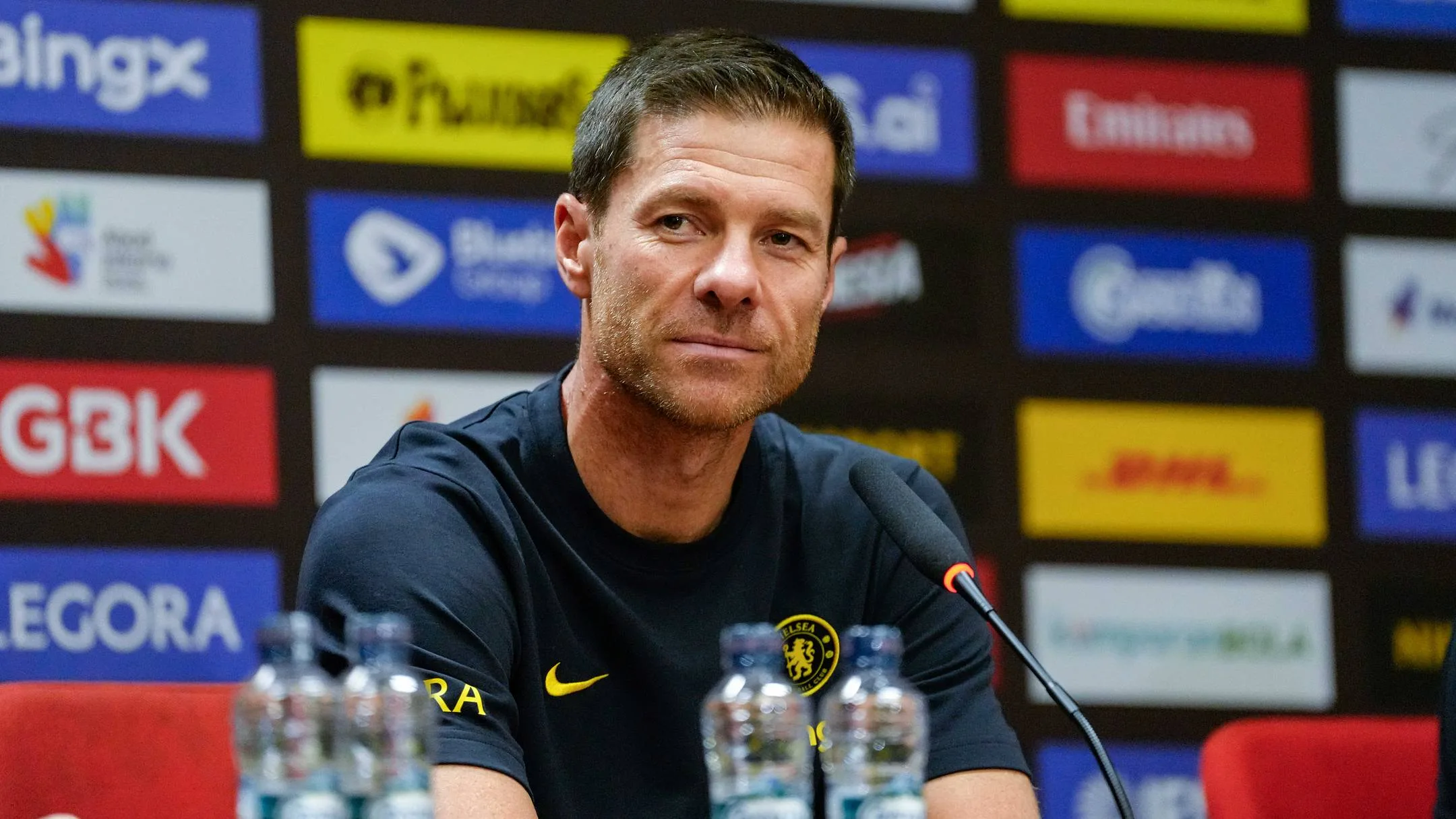
Chelsea have taken a first visible step towards Xabi Alonso’s plan to trim the centre-back group to “four or five” after agreeing the sale of Trevoh Chalobah to Como for $41.5 million (£30 million).
The academy graduate, who spent 18 years at the club, has now brought his Chelsea journey to an end and is set for Serie A. In a farewell message on social media, Chalobah wrote: “After 18 years, it’s time to say goodbye to Chelsea ,” Chalobah wrote on social media. “I arrived as a nine-year-old with a dream, and I leave as a man who’s lived that dream in ways I never imagined.
“This journey tested me, lifted me and strengthened me. To every teammate, coach, staff member and supporter, thank you for shaping me. I gave everything I had, and I’m proud of the person this club helped me become.
“To the young players: the path won’t always be smooth. But stay ready, stay positive and keep your faith. God’s timing is always right. Thank you all, truly, with love and gratitude.”
Even with Chalobah gone, Chelsea still have nine centre backs on the books. Lacroix is expected to remain after his recent $70 million (£52 million) move, while Levi Colwill is viewed as untouchable and should play a major part this season after recovering from an ACL injury.
The rest of the group is less settled. Wesley Fofana is likely to stay because of his huge price tag, but Tosin Adarabioyo has been linked with an exit as Chelsea look to streamline the squad. Axel Disasi and Benoît Badiashile are both available for transfer, with Disasi attracting interest in England and Napoli believed to be leading the chase for Badiashile.
There is also uncertainty around Mamadou Sarr and Aarón Anselmino. Sarr was removed from Chelsea’s starting lineup against Johor Darul Ta’zim for reasons that were not explained, while Anselmino went off injured, which may affect his next move.
Josh Acheampong is another case requiring a decision. Chelsea hold very high hopes for the 20-year-old, but last season left supporters wanting more after he managed only 663 Premier League minutes.