Carabao Cup
Maresca Confronts Lack of Support After Everton Win
After the Everton win Maresca called it his ‘worst 48 hours’, saying many people didn’t support them

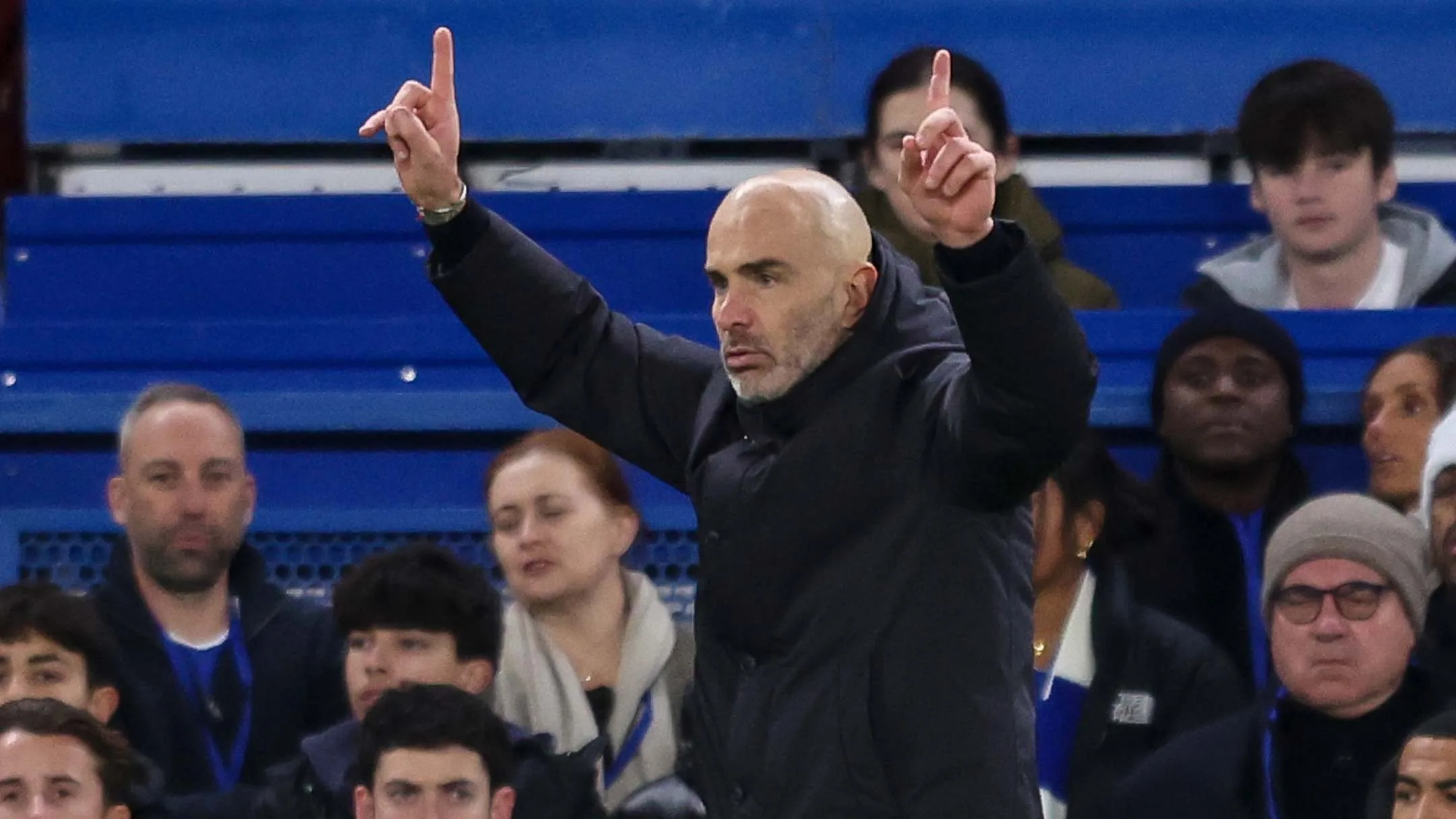
Chelsea manager Enzo Maresca surprised observers at his post-match press conference after the win over Everton when a routine question about Malo Gusto’s display shifted into a wider complaint about backing for his team.
Asked for his verdict on Gusto, Maresca began with praise before moving to a larger point. “We said many times that Reece [James] and Malo, they are both fullbacks and [against Everton] they were both midfielders,” he began. “So the effort, the open mind, the way they want to learn has been fantastic and this is the reason why I praise the players because with so many problems, they are doing very well after a complicated week.
“Since I joined the club, the last 48 hours have been the worst 48 hours since I joined the club because many people didn’t support us. So I’m very happy for Malo in that moment that the effort from Malo and from the rest show that they are all there and they want to help this club.”
Reporters sought clarification and Maresca reiterated the line: “Worst 48 hours since I joined the club because people didn’t support me and the team.” When pressed on who he meant, he said: “In general. In general.” Given the opportunity to single out fans or media, Maresca added: “I love the fans and we are very happy with the fans,” he responded.
The exchange left an awkward atmosphere and prompted speculation about behind-the-scenes tensions. The narrative around Chelsea in the three games before the Everton victory had been negative, though not unprecedentedly so. The Daily Mail reported a sense of calm from one insider despite the comments.
Maresca and his squad now turn attention to upcoming fixtures. Chelsea face Cardiff City in the Carabao Cup quarterfinal on Tuesday before travelling to Newcastle United on Saturday, where further media scrutiny appears likely.




Arsenal
Proposed goalkeeper stoppage rule set for 2026/27 moves closer
English football is set to trial a new rule that punishes goalkeeper treatment breaks with a
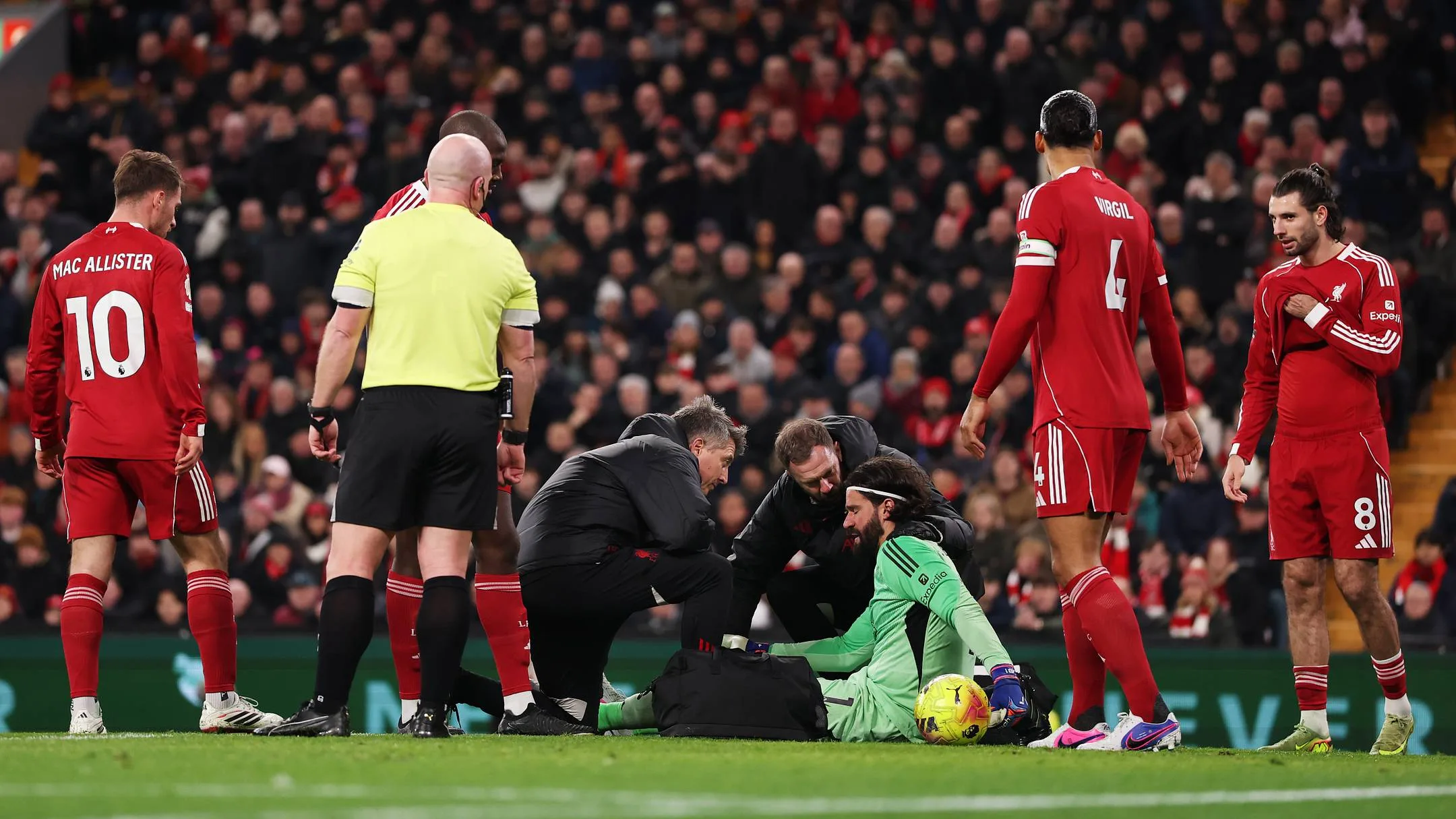
Professional football in England could be on the brink of a major law change aimed at reducing time-wasting by goalkeepers. According to the draft, the sport is moving towards a trial in which a manager must temporarily lose one outfield player after a goalkeeper receives medical attention.
The measure comes after existing regulations were introduced to stop players using treatment as a way to slow the game down. Under those rules, any player treated on the pitch must wait 60 seconds on the touchline once play restarts. Goalkeepers, however, were still able to continue without a similar punishment. That gap is now set to be closed.
The new procedure would start once the referee has signaled for medical staff to treat a goalkeeper. From that point, the team manager would have 10 seconds to inform the fourth official which outfield player will leave the field for one minute after the restart. If no player is nominated in time, the captain is withdrawn instead. If the goalkeeper is also the captain, the nominated outfield player who was chosen to speak to the referee before the match would be removed.
The idea has been pushed forward amid concerns about goalkeepers using treatment breaks to allow managers to pass on instructions. BBC Sport reported that professional English football has volunteered to trial the measure, and the change still requires approval from IFAB, which oversees the laws of the game.
The first scheduled fixture to use it would be Tranmere Rovers vs. Rochdale in the Carabao Cup preliminary round on Saturday, Aug. 1, if permission arrives in time. The first Premier League match affected would be Arsenal’s opener against newly promoted Coventry City on Friday, Aug. 21, pending approval.
The rule would also extend beyond the Premier League to the Women’s Super League, the FA Cup, the Carabao Cup, the EFL Championship, League One, League Two and the National League. The draft also says the Australian top flight is expected to act as a global test case, although its version would automatically remove the captain. No similar trial has been taken up by La Liga, the Bundesliga, Serie A or Ligue 1, and it would not apply in the Champions League.
Arsenal
The Premier League’s Record Transfer Fees, Ranked
A rundown of the Premier League’s biggest transfer fees, from costly gambles to record-breaking moves.

Premier League spending has long been extravagant, but the numbers have become even more striking over the past decade. The competition’s traditional heavyweights continue to set the pace, using their financial strength to compete for the game’s biggest names year after year.
Here is a look at the 10 highest transfer fees in Premier League history, including add-ons.
Chelsea twice featured prominently in Romelu Lukaku’s career arc, first signing him from Anderlecht in 2011 and later bringing him back from Inter for just under £100 million. That second move proved costly in every sense. Lukaku had been prolific for Inter, helping them to the Serie A title in 2020–21, but he could not reproduce that level in west London. After only one full season, he was loaned out and later sold, with his Premier League return yielding eight goals.
July 2026 brought Sandro Tonali into Tottenham Hotspur’s record books after a move from Newcastle United. His rise had been well established at St James’ Park, especially after returning from a 10-month gambling ban in August 2024. Tonali helped Newcastle back into the Champions League and played a major role in ending their long wait for silverware with the Carabao Cup title.
Jack Grealish arrived at Manchester City for £100 million in 2021 and remained influential despite never fully hitting the levels many expected. Declan Rice’s £105 million transfer to Arsenal drew attention at the time, yet he has justified the fee through his all-round midfield impact, particularly as Arsenal reached the title in 2025–26.
Enzo Fernández’s £106 million move to Chelsea has brought mixed reaction, though his quality has surfaced in difficult circumstances. Moisés Caicedo followed at £115 million including add-ons after an outstanding season with Brighton & Hove Albion, and has since re-established himself among the division’s leading midfielders.
Elliot Anderson’s value surged from his £35 million move to Nottingham Forest, before Manchester City made him their club-record signing at £116 million. Liverpool’s arrival of Florian Wirtz from Bayer Leverkusen was then the record, but his first season at Anfield was slow, even if he still produced 15 goal involvements and signs of promise.
Carabao Cup
Pochettino: Chelsea’s ownership must reconcile data-driven strategy with coaching needs
Pochettino: BlueCo’s data-first recruitment, lack of experienced players limits Chelsea’s progress.
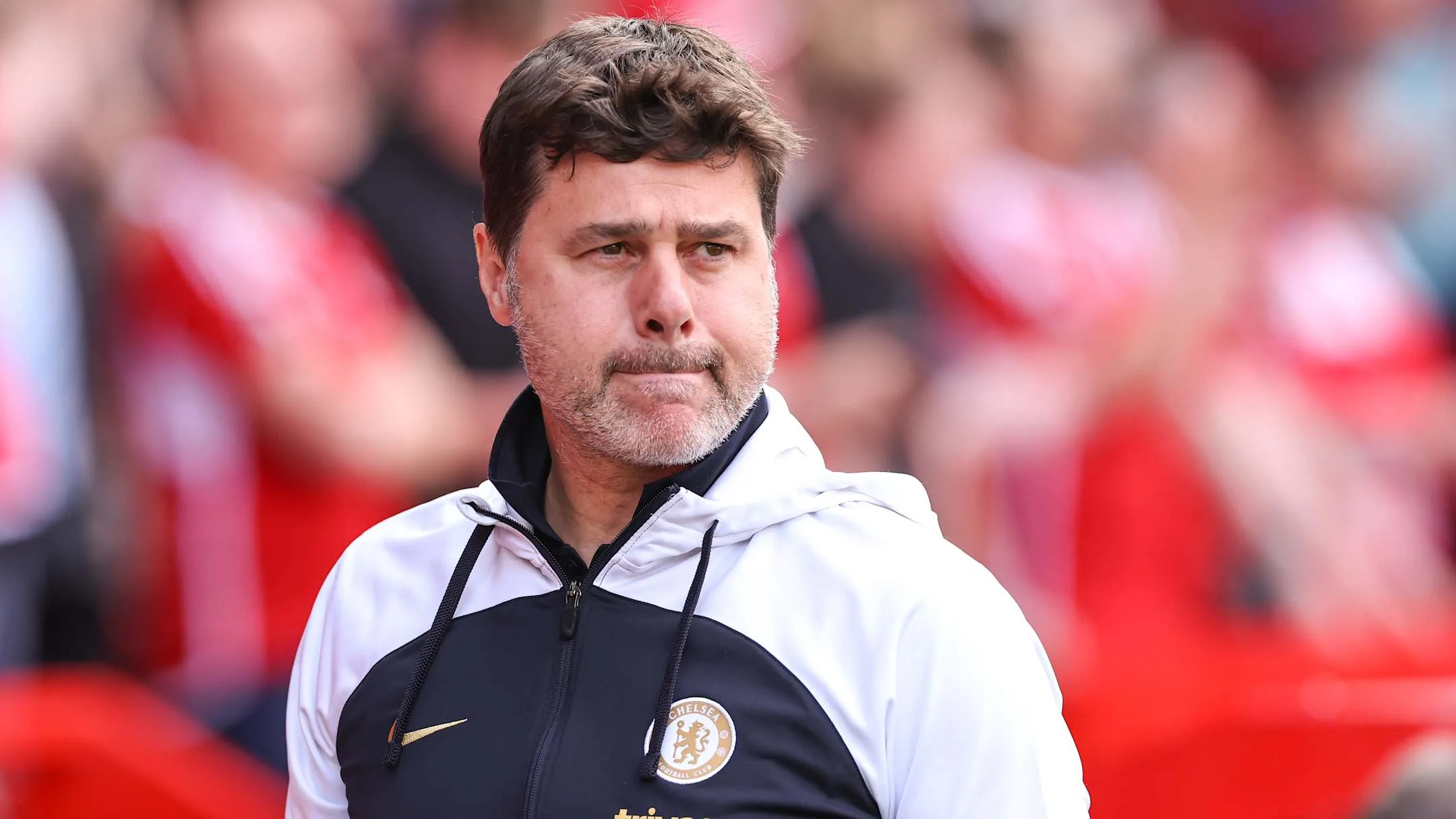
Mauricio Pochettino has laid out a blunt assessment of the upheaval at Chelsea since BlueCo took control, arguing the new direction has altered expectations and hindered short-term results. Now in charge of the USMNT, he discussed those challenges on The Overlap and urged clearer communication between owners and football staff.
Pochettino warned that the club’s shift from a win-now model to a focus on young, high-potential signings has produced few clear successes so far and left supporters unconvinced. “They have a plan that is maybe completely different than what was used to be Chelsea in the past with [former owner Roman] Abramovich,” Pochettino acknowledged. “It’s true that it’s not easy because it’s difficult for people to understand.
“When I’m thinking about a new project, the most important [thing] is how we can translate and to show what is the plan and what we want to achieve with that and how is going to be the process to arrive where we want to arrive. Sometimes, in football, it’s difficult to explain because people don’t listen. They only listen to results.
“And then because there’s too many people making the decisions—football is not an ordinary business—sometimes people struggle. They need to explain the plan.”
Supporters have flagged the squad’s youth: Tosin Adarabioyo is the oldest current player at 28, while Marc Cucurella and Enzo Fernández are 27 and 25. Pochettino said that lack of experience constrained his work in 2023–24. “What I understood [about the plan] didn’t happen after … and maybe I was wrong,” he continued.
He reflected on the progress made under his tenure: the side rose from 12th in the Premier League to sixth, finished the season strongly, reached the Carabao Cup final and lost an FA Cup semi-final against Manchester City. “But after, when things didn’t match what was our vision, we said it’s better to split and to give the possibility to the club to do what they want to do.”
Pochettino described how recruitment decisions were often preordained. “When we signed, it was already done, all the signings,” Pochettino acknowledged. “I was involved, I said O.K. when we signed [Axel] Disasi because [Wesley] Fofana was injured in preseason, and Cole Palmer. With these two, we were involved in the decisions.
“It’s more about a philosophic idea that the coaching staff … we need to be involved. We need to be a part—an important part—of the decisions because, if not, it’s not easy.
Calling the shots at Stamford Bridge are co-owner Behdad Eghbali, co-sporting directors Paul Winstanley and Laurence Stewart and recruitment chiefs Joe Shields and Sam Jewell. Pochettino urged owners and recruitment teams to balance data and analysis with coaches’ judgement on passion, pressure handling and tactical fit.
“In the moment that we arrived, we completely supported the club in all the decisions that they already made,” he concluded. “What happened after, I don’t know. If you accept to go to Chelsea, it is more clear after us, the idea of the management of the club.
“I’m not complaining because it was also my decision to leave the club, but I think to understand the new people that arrive, the new ownership, the new football, the new coaches, the new sporting directors, the new everything, we sometimes underestimate the analog things. ]