Everton
Moyes: United Have Drifted From Ferguson’s Values, Leaving Managers Little Time
David Moyes: United moved away from Sir Alex Ferguson’s values, leaving managers little time. widely

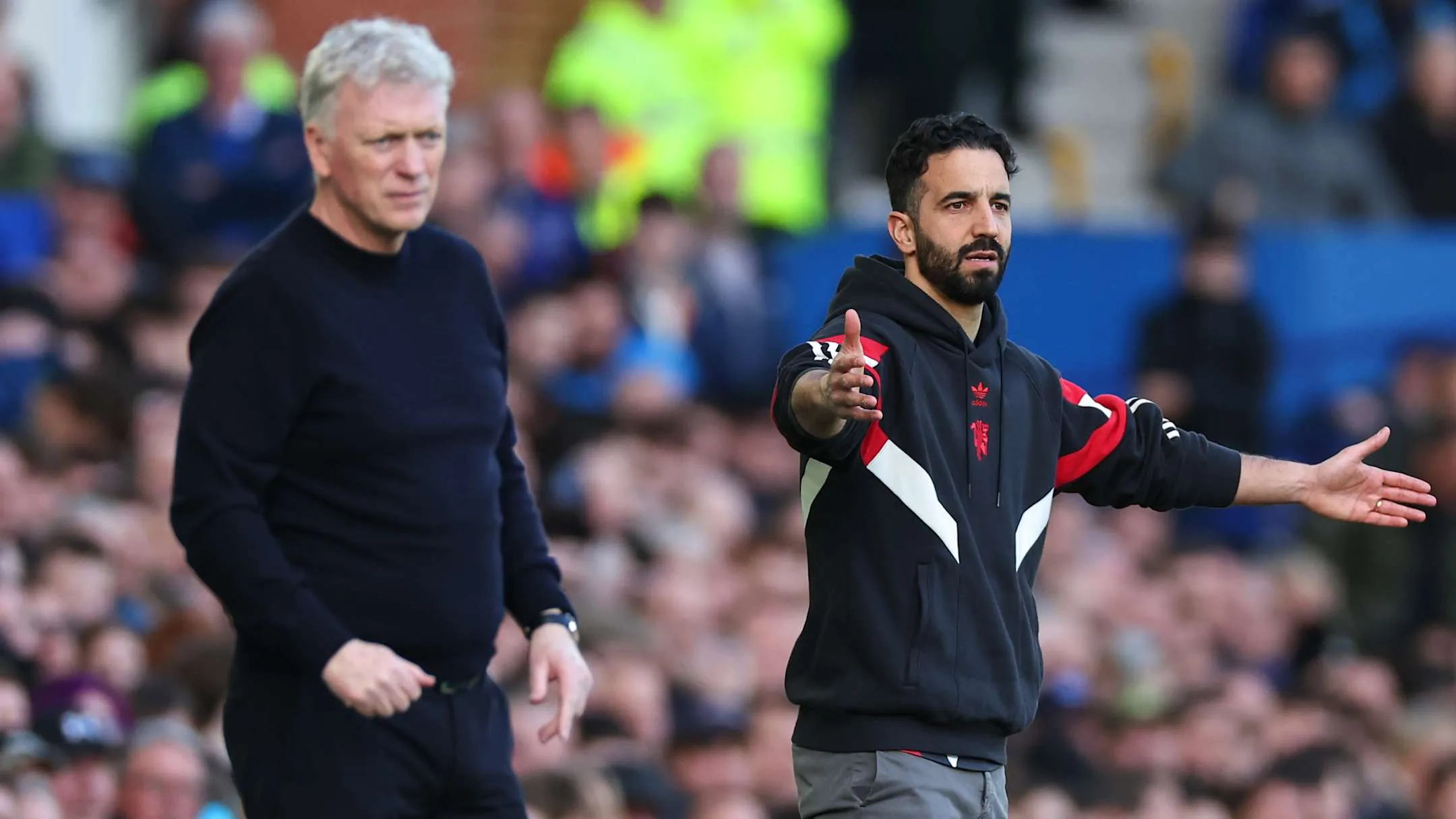
David Moyes has renewed criticism of Manchester United’s post‑Ferguson era, saying the club’s culture has changed and managers now receive far less patience. The former United manager, now preparing to face the Red Devils with former club Everton, argued that the values established under Sir Alex Ferguson have eroded and that the environment that once favoured long-term planning is gone.
“The history of Manchester United was not [one of change],” Moyes reflected, more than a decade after his appointment. “Manchester United had a great culture. They stuck with their managers, they brought through their own academy boys. They actually had some of the best characteristics of what you would want your club to have; good values.
“Sir Alex had great values at Manchester United and, over the years, those values he established needed some time to come through as well. It was always a club with brilliant values with an understanding about bringing their young players through and developing them in the right way.”
Moyes said the lack of time given to managers has been decisive. He recalled inheriting an ageing United squad after Sir Alex Ferguson’s retirement, with senior figures such as Rio Ferdinand, Nemanja Vidić, Patrice Evra and Michael Carrick all over 30, Robin van Persie approaching 30 and Ryan Giggs near 40. The club also lost long-term stability at the executive level when David Gill planned to move on.
Recruitment difficulties compounded the challenge. Marouane Fellaini was the only new signing recorded in that window, arriving amid a missed release clause deadline, and moves that had been in motion before Ferguson left — including efforts involving Cristiano Ronaldo and interest in Gareth Bale, Cesc Fàbregas and Toni Kroos — did not come to fruition.
“I always thought when I took the job that it wouldn’t be able to be fixed quickly. I saw not long after I went in that it was going to take a bit of time,” Moyes said. He also noted the rising strength of rivals: “I think also you have to remember that it was not just to do with the strength of United. It was to do with the strength of other teams; Manchester City , Liverpool, Chelsea and Arsenal were all incredibly strong. They were all rebuilding and bringing in more all the time. I think those clubs played as big a part in it as anyone else, that their quality had risen or was rising all the time.”
Moyes has repeatedly argued that he was not afforded the time needed to rebuild. “I believe I had nothing but support from Sir Alex during my short period as manager,” he explained. “It was unfortunate I wasn’t given more time to succeed. It could well be that gone are the days of long-term planning at United.” He later added: “Do I feel I should have been given more time? Of course I do. To go to a club like Manchester United and follow someone like Sir Alex after the time he had been there, to stay for 10 months … ]




Analytics & Stats
One priority signing each Premier League club should target before the window closes
A club-by-club look at the main transfer priority every Premier League side still needs to address.
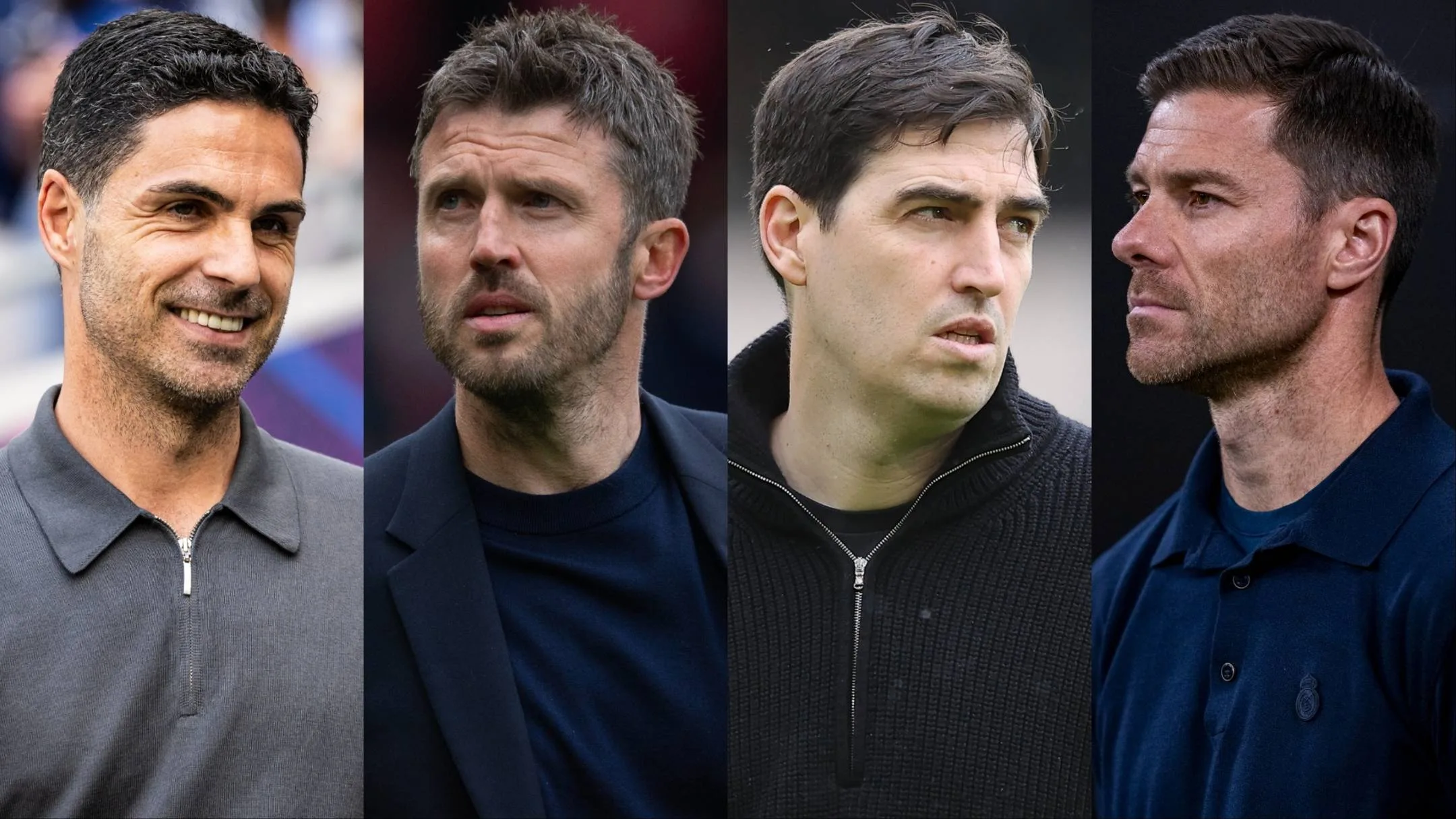
With less than a month left in the transfer window, Premier League clubs are still expected to be busy. Incomings and outgoings remain likely across the division, and every side still appears to have at least one clear gap to fill before the deadline.
Arsenal may be attracting attention with their pursuit of Vinícius Júnior, but their bigger need is in central midfield. Declan Rice carried too much of the load last season, while Martín Zubimendi faded after the break and Myles Lewis-Skelly is not yet fully trusted there. Another box-to-box midfielder would help enormously.
Aston Villa could soon be short at left back if Lucas Digne leaves, which would leave Ian Maatsen as the only senior option. Bournemouth need more depth in wide areas, Brentford still require a more natural left back, and Brighton & Hove Albion must replace the goals lost with Danny Welbeck’s move to Chelsea.
Chelsea, meanwhile, have done plenty of work already but still have not addressed the goalkeeper position. Robert Sánchez improved in 2025-26, yet the club still look in need of a top-class solution.
Elsewhere, Coventry City are close to signing Carl Rushworth permanently and would then turn to left back. Crystal Palace need centre-back reinforcements after losing Marc Guéhi and Maxence Lacroix, while Everton must add a defensive midfielder after Idrissa Gana Gueye’s departure.
Fulham will look for winger depth after strengthening up front, Hull City want more options in attack, and Ipswich Town are still waiting for a central midfielder. Leeds United may also need another striker to cover for Dominic Calvert-Lewin’s injury record.
Liverpool’s most pressing issue is out wide, Manchester City need a right back, Manchester United still want a more destructive midfielder, and Newcastle are alarmingly short at left back. Nottingham Forest must replace Elliot Anderson in midfield, Sunderland need more balance on the left side, and Tottenham Hotspur have already moved aggressively to rebuild after last season’s collapse.
Arsenal
Nørgaard Exit Could Open Door for Arsenal’s Midfield Push
Nørgaard is close to Everton, and Arsenal may use the move to push on with Guimarães.
Christian Nørgaard is reportedly close to leaving Arsenal after only one season in north London, with Everton said to have reached an agreement in principle for the midfielder.
The Athletic reports that Everton have struck a $9.4 million (£7 million) deal for the 32-year-old. If the move is completed, Nørgaard is due for a medical next week before heading to the Hill Dickinson Stadium.
The midfielder is expected to fill the vacancy left by Idrissa Gueye. Although his time at Arsenal has been brief, his 20 appearances last season and his spell as Brentford captain underline that he remains a proven Premier League option. At Everton, he should face less competition for a regular role than he did at the Emirates Stadium.
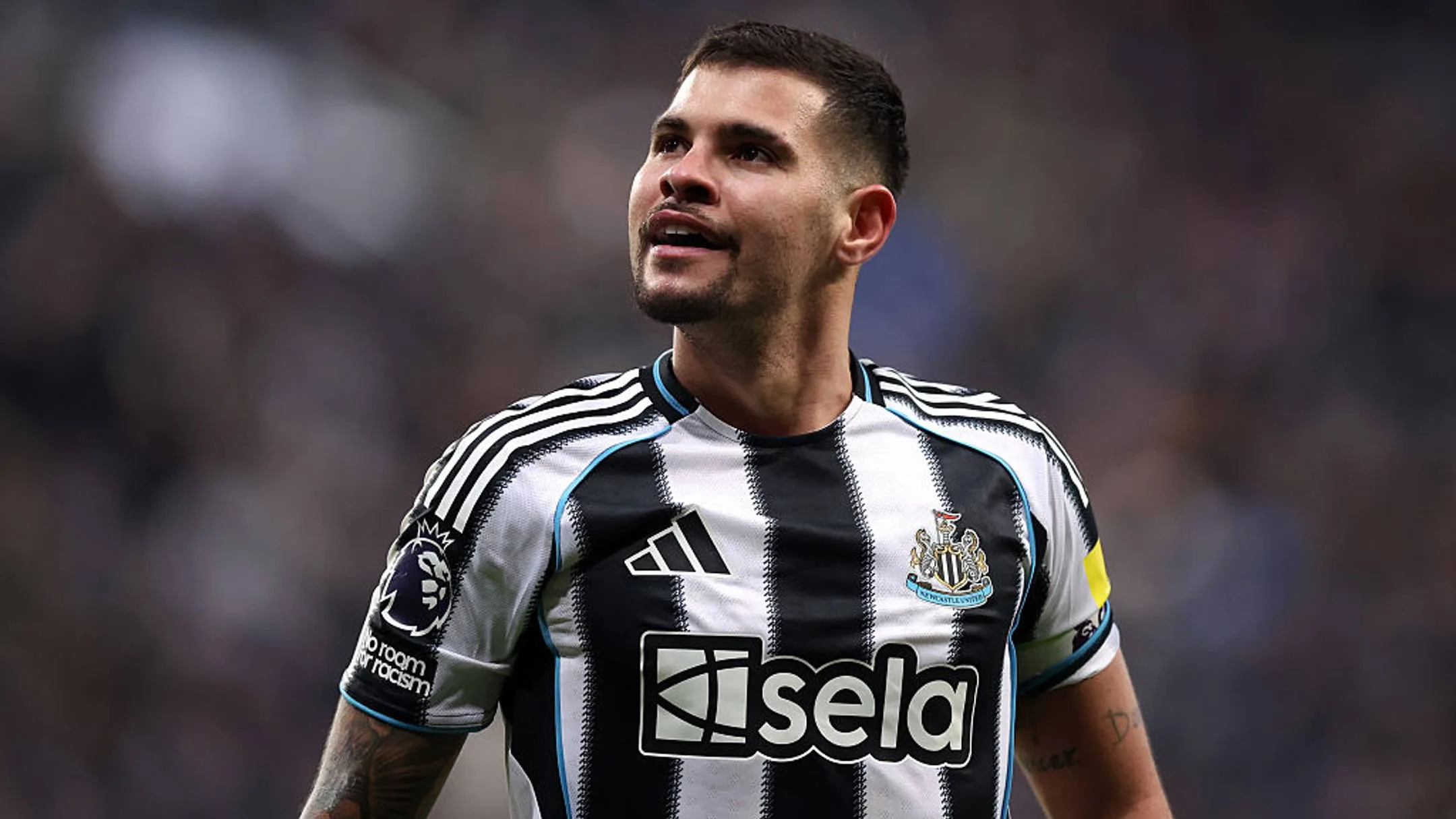
His possible departure may also have wider consequences for Arsenal’s summer plans. The club have spent much of the window pursuing Newcastle United captain Bruno Guimarães, with bids of £55 million ($73 million) and £70 million ($93.2 million) already turned down. Newcastle value the midfielder at around £93 million ($124 million), while reports now claim Arsenal are prepared to go to £80 million ($107.5 million) in an effort to bring him to north London.
Guimarães is believed to be open to the move, and that feeling has reportedly grown stronger following Eddie Howe’s departure. There had been concern about committing such a large fee to a 28-year-old when Arteta already has several midfield options, but Nørgaard’s exit would create more room in the squad.
According to Fabrizio Romano, Arsenal are now set to “accelerate and close” a deal for the Newcastle midfielder as soon as possible. If that happens, he would join Martin Ødegaard, Martín Zubimendi, Declan Rice, Mikel Merino, Eberechi Eze and Ethan Nwaneri in Arteta’s midfield group.
For Arsenal, Nørgaard’s sale would not rank among the biggest moves of the summer. Even so, it may be the opening that allows a much larger transfer to move ahead.
Arsenal
Premier League’s longest-serving managers and the rapid reset shaping 2026/27
A summer reset has left the Premier League with a long list of new managers and just one clear outlier.
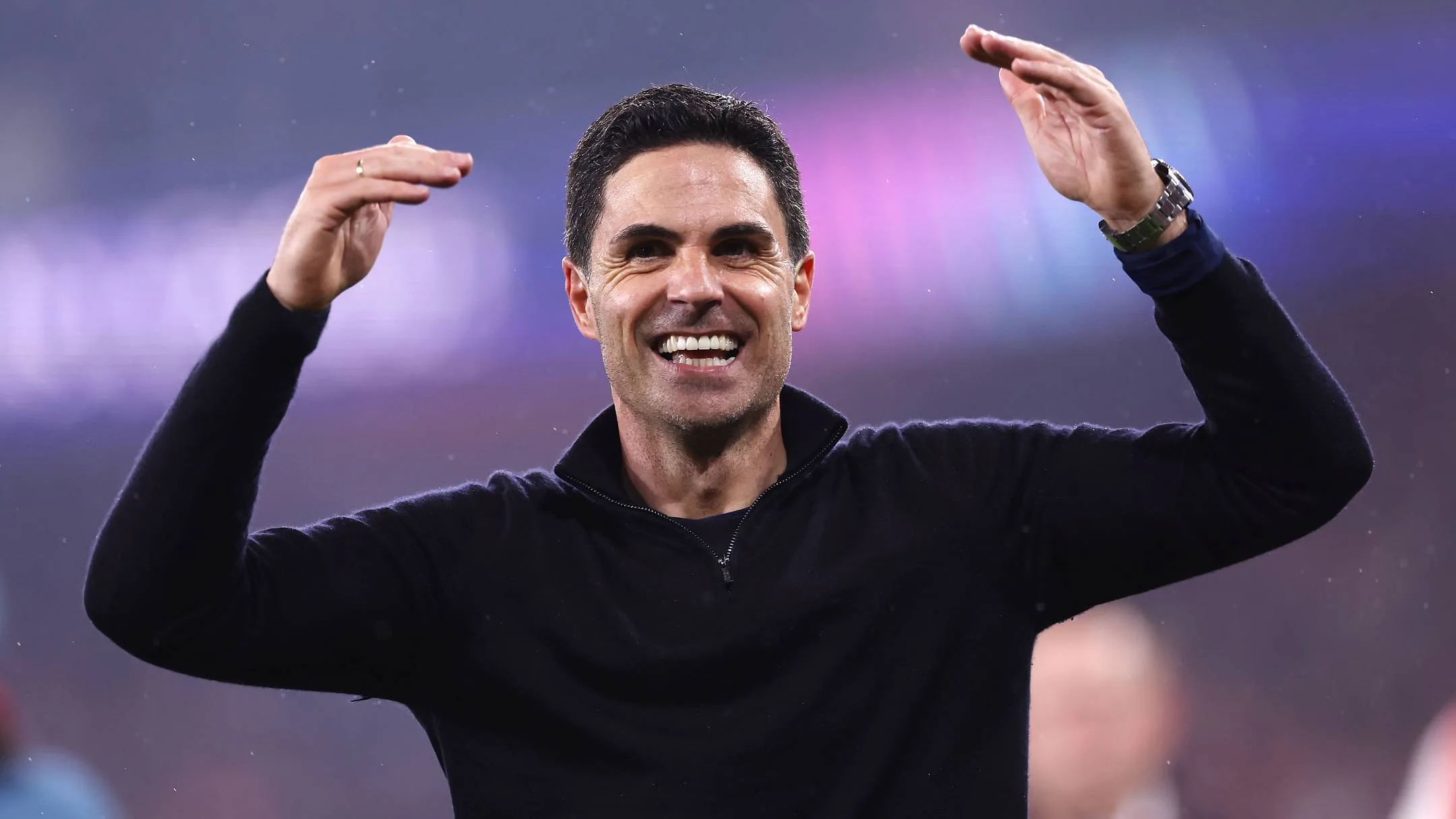
The Premier League remains a ruthless place for managers, and the 2026/27 season begins with that reality clearer than ever. A summer of upheaval has left dugouts across the division occupied by a fresh wave of appointments, while one club is still waiting to name a new head coach.
At the top of the list, Mikel Arteta stands alone as the league’s longest-serving manager. Appointed by Arsenal on Dec. 22, 2019, he has outlasted every other current rival and remains comfortably ahead of the pack. Behind him comes Unai Emery, who has been in charge of Aston Villa since Nov. 1, 2022, followed by Daniel Farke, who took over Leeds United on July 4, 2023.
Further down the rankings, the turnover becomes even more obvious. Régis Le Bris and Fabian Hürzeler both arrived in July 2024, while Frank Lampard, David Moyes, Sergej Jakirović, Keith Andrews and Michael Carrick all joined their clubs during 2024 and 2025. The list then tightens further still, with a cluster of appointments made only months before the new campaign.
There are notable cases throughout. Roberto De Zerbi, hired by Tottenham Hotspur on March 31, 2026, sits just outside the top 10. Michael Carrick is inside it after first being named interim Manchester United boss in January and then permanently hired in May. At the other extreme, Álvaro Arbeloa is the latest arrival, taking charge of Fulham on July 7 after an unsuccessful spell as Real Madrid boss.
A number of other clubs have also changed course recently, including Chelsea, Liverpool, Manchester City, Nottingham Forest, Ipswich Town, Crystal Palace and Bournemouth. Over half the division has turned to new managers in 2026 if Newcastle United are included, with the club still yet to appoint Eddie Howe’s successor.
For now, Arteta remains the benchmark for staying power in a league that rarely gives managers much time.