Arsenal
The unnoticed work that keeps Viktor Gyokeres central to Arteta’s Arsenal plans
Gyokeres leads Premier League for off-ball runs and makes space for teammates amid his goal drought.

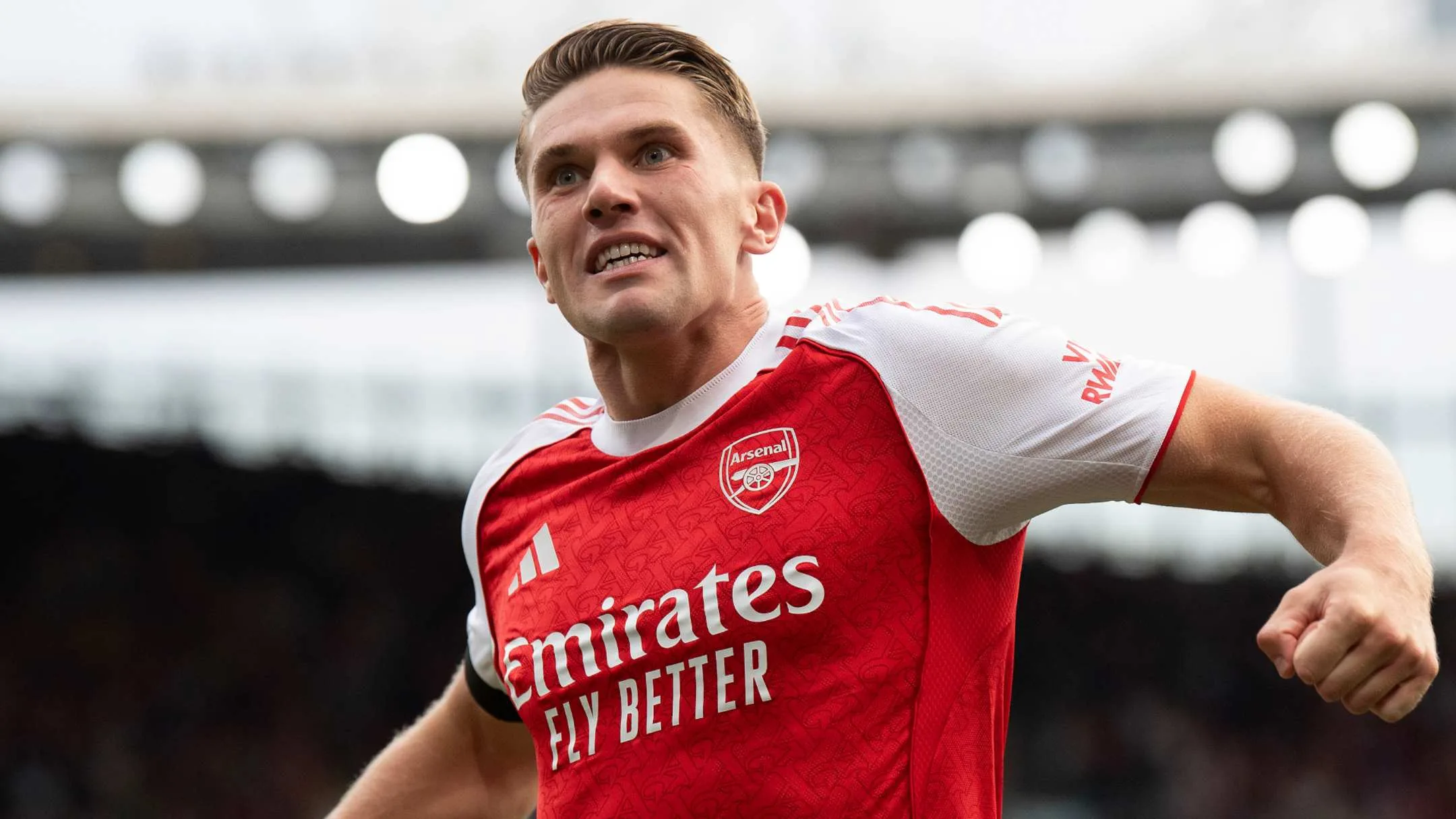
Arsenal manager Mikel Arteta has been clear that Viktor Gyokeres contributes in ways that go beyond scoring. The striker arrived with a prolific record from Sporting — 54 goals in 52 appearances last season — and was expected to help solve Arsenal’s finishing issues after the 2024–25 campaign ended with the club in second for a third season running.
Kai Havertz finished as Arsenal’s top Premier League scorer last season with nine goals, ending a 101-year run of at least one Arsenal player reaching double figures in the league. Gyokeres has found the Premier League tougher to crack. He leads Arsenal with three league goals but has not scored since tapping in against Nottingham Forest on Sep. 13. Heading into this weekend’s fixtures his drought stretches to eight games and 646 minutes for club and country.
Arteta, though, has emphasised the striker’s less visible strengths. “He’s going to give you something extra,” Arteta said while previewing Saturday’s trip to Fulham. “Viktor has so many things that are probably not that noticeable. But he also creates an environment and space and solutions for a lot of the players around him, and with the talent that we have in the team, I’m sure that everybody, including him, will benefit from that.”
Gyokeres provides a fixed central presence that Arsenal largely lacked last season, when Kai Havertz and Mikel Merino were used in unfamiliar forward roles. Defenders routinely grapple with Gyokeres, a physical trait that can remove him from direct involvement while opening opportunities for team-mates. Even off the ball his impact is measurable: he leads the Premier League for off-ball runs into the penalty box this season (49), per Opta.
Arteta said he had warned Gyokeres about the psychological demand of the role before signing him. “I told him before the first meeting, the nine that I want is a nine that when he doesn’t score for six or eight games, he can handle that,” Arteta revealed. “If not, you have to go somewhere else because the pressure is gone, the expectation is going to be there. So if you put a No. 9 shirt for Arsenal, you have to be able to say, O.K., six games, don’t score. I’m a different player, I start to act in a different way.
“I want much more of the same of what he’s doing. Once we have those opportunities, put them in. I’m sure it’s going to happen.”





Arsenal
Arsenal’s Romero Links Sit Against a Rare Transfer History Between North London Rivals
Arsenal’s Romero interest meets Tottenham resistance, with rare direct transfers between the clubs.
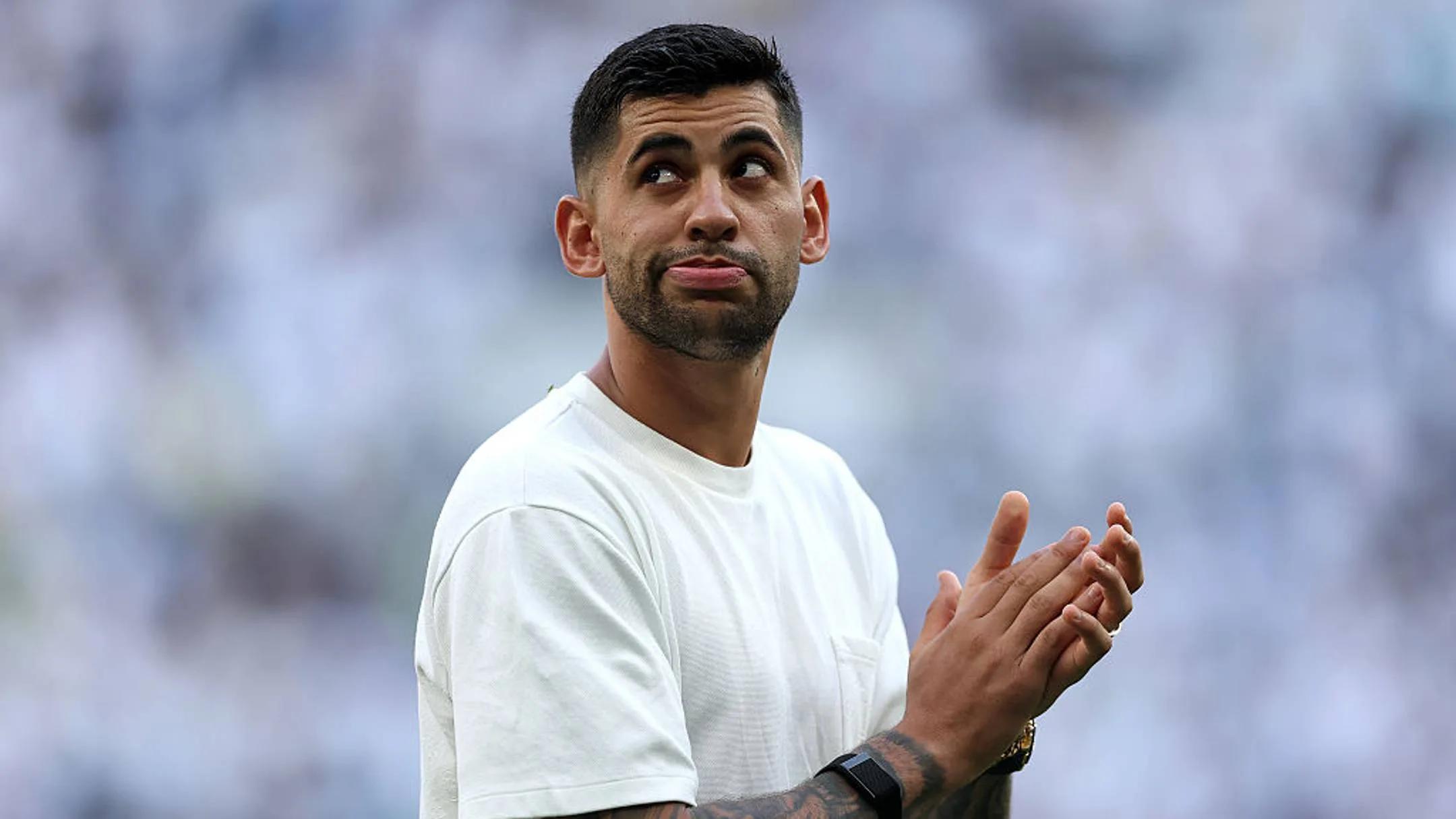
Arsenal have been mentioned in connection with a surprise move for Tottenham Hotspur captain Cristian Romero, but the story may already be fading. Atlético Madrid are reportedly in talks over the Argentina defender, while Spurs would not consider selling him to their local rivals in any case.
Romero’s recent spell has not been straightforward. He was sent off twice last season, missed games through suspension, dealt with injuries and was briefly set on skipping the final match of the campaign to watch boyhood club Belgrano take on River Plate in Argentina. He eventually returned to England for that game, which was also attended by other unavailable players.
The reaction around him has been sharp at times. Glenn Hoddle said: “I’d drive him to the airport and say don’t bother coming back.” Roberto De Zerbi said he understood “100%” why supporters were angry, even though Romero’s trip to Argentina for injury rehabilitation had been arranged with staff.
Arsenal’s reported “admiration” for Romero was noted by The Athletic, but the move is regarded as a “non-starter.” The idea also recalls the Sol Campbell transfer in 2001, though that move was very different. Campbell joined as a free agent after running down his Tottenham contract and was free to choose his next club without Spurs having a say.
William Gallas was the last player to move directly between Arsenal and Tottenham, joining Spurs in 2010 after leaving Arsenal on a free. Others, including David Bentley and Emmanuel Adebayor, represented both clubs without switching straight from one to the other. Harry Kane also had a brief spell in Arsenal’s youth system before Spurs took him on after he had been released as an eight-year-old.
The direct path between the clubs has been rare for decades. Since 1919, only a small number of players have crossed the divide.
For Arsenal, the timing is driven by defensive pressure. Mikel Arteta has seven players who can operate in central defence, but only Gabriel, William Saliba and Cristhian Mosquera are regular centre backs. Piero Hincapié, Jurriën Timber, Riccardo Calafiori and Ben White have all been used elsewhere, and Saliba is set to miss an “extended period” with a back injury.
Spurs, meanwhile, have already strengthened. They have brought in Jan Paul van Hecke and Marcos Senesi, while also having Kevin Danso, Ben Davies, Kōta Takai and Archie Gray available in or around central defence. Even so, the club will not move Romero to Arsenal.
Arsenal
Arsenal’s summer misses leave Arteta still searching for key attacking and midfield additions
Arsenal have missed out on several targets, and Arteta still has major holes to fill before the window closes.
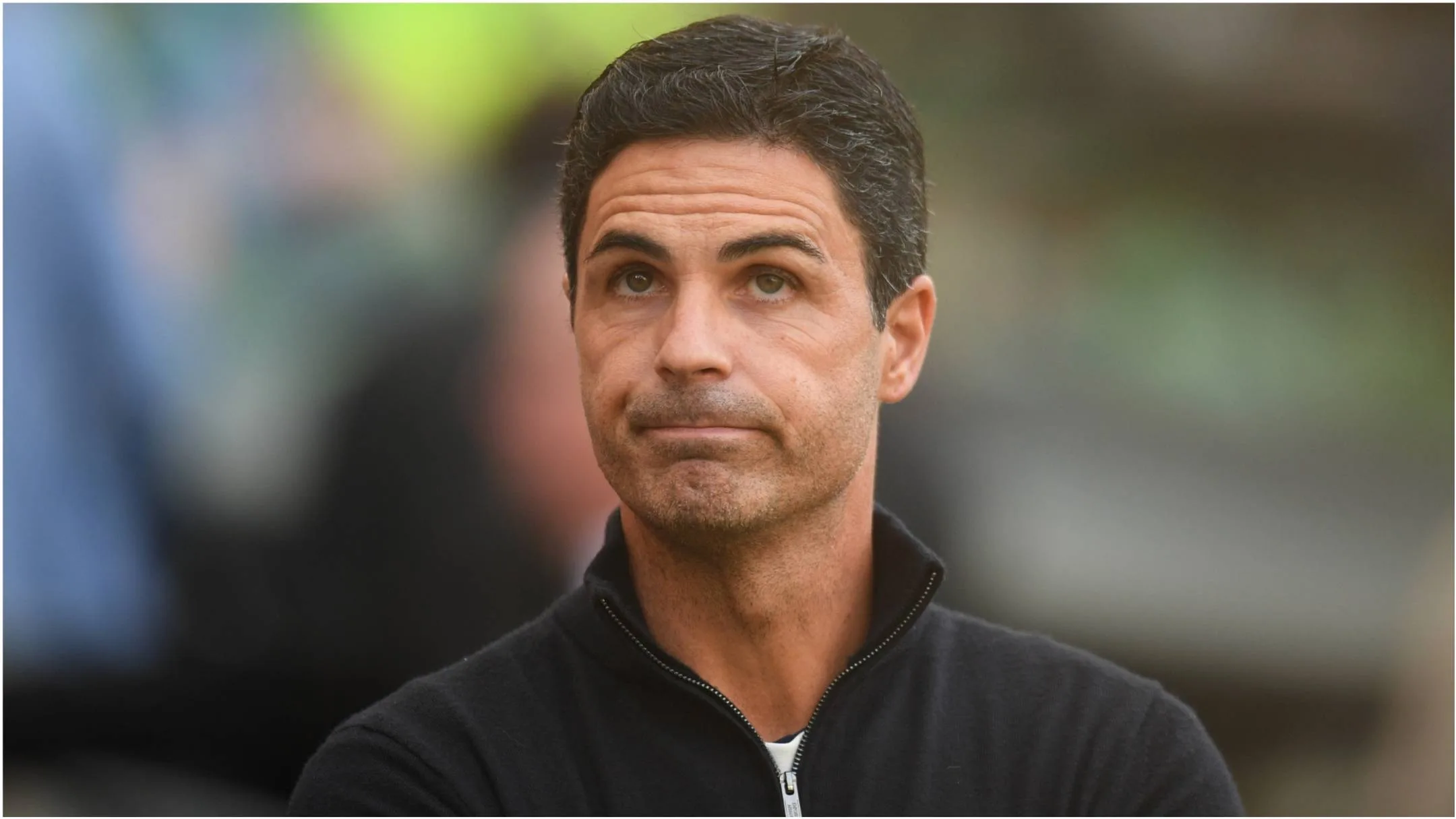
Arsenal’s post-title summer has not gone smoothly, with several major moves failing to land and the window still looking unfinished. Mikel Arteta began with clear priorities, but the club have already been turned away on some of the biggest names on their list.
Morgan Rogers was the first major ambition. Arsenal spent weeks working on a deal for the England international, with discussions centred around a figure near $108 million (£80 million). Aston Villa held their position, and Chelsea then moved faster with a bid of $157.5 million (£117 million). Arsenal were offered the chance to match it, but chose not to, and that ended the chase. Rogers’s remark that Chelsea are the “biggest club in London” only added to the sting.
When that route closed, Arsenal looked at Vinícius Júnior, after uncertainty emerged over his future at Real Madrid. The club made their interest clear, and the speculation quickly grew, with reports suggesting confidence inside the Arsenal dressing room that he could arrive this season. In the end, the pursuit appeared to serve another purpose entirely. His representatives pushed Madrid to improve their proposal, and the forward stayed where he was always expected to remain.
Midfield was another area of attention. Arsenal contacted Newcastle about Sandro Tonali, but Tottenham Hotspur moved ahead instead. The midfielder’s link with Spurs manager Roberto De Zerbi played a decisive part, leading to a deal worth $134.5 million (£100 million). Arsenal did, however, use those discussions to show interest in Bruno Guimarães, whose move to the Emirates is now being spoken of as if only a social media statement remains.
That still leaves the left side of attack unresolved. Leandro Trossard has already left for Beşiktaş, while faith in Gabriel Martinelli remains limited. Bradley Barcola is under consideration, but Liverpool appear to be ahead in that race. Julián Alvarez also sits high on Arteta’s list, yet Barcelona are viewed as his preferred destination, and Atlético Madrid remain publicly unwilling to sell.
With so many targets slipping away, Arsenal face a difficult search in a market that is becoming thinner by the day.
Arsenal
Arsenal’s Friendly Defeat in Dublin Exposes Familiar Concerns
Arsenal were beaten 3-1 by Real Betis in Dublin after a poor first half and Kepa errors.
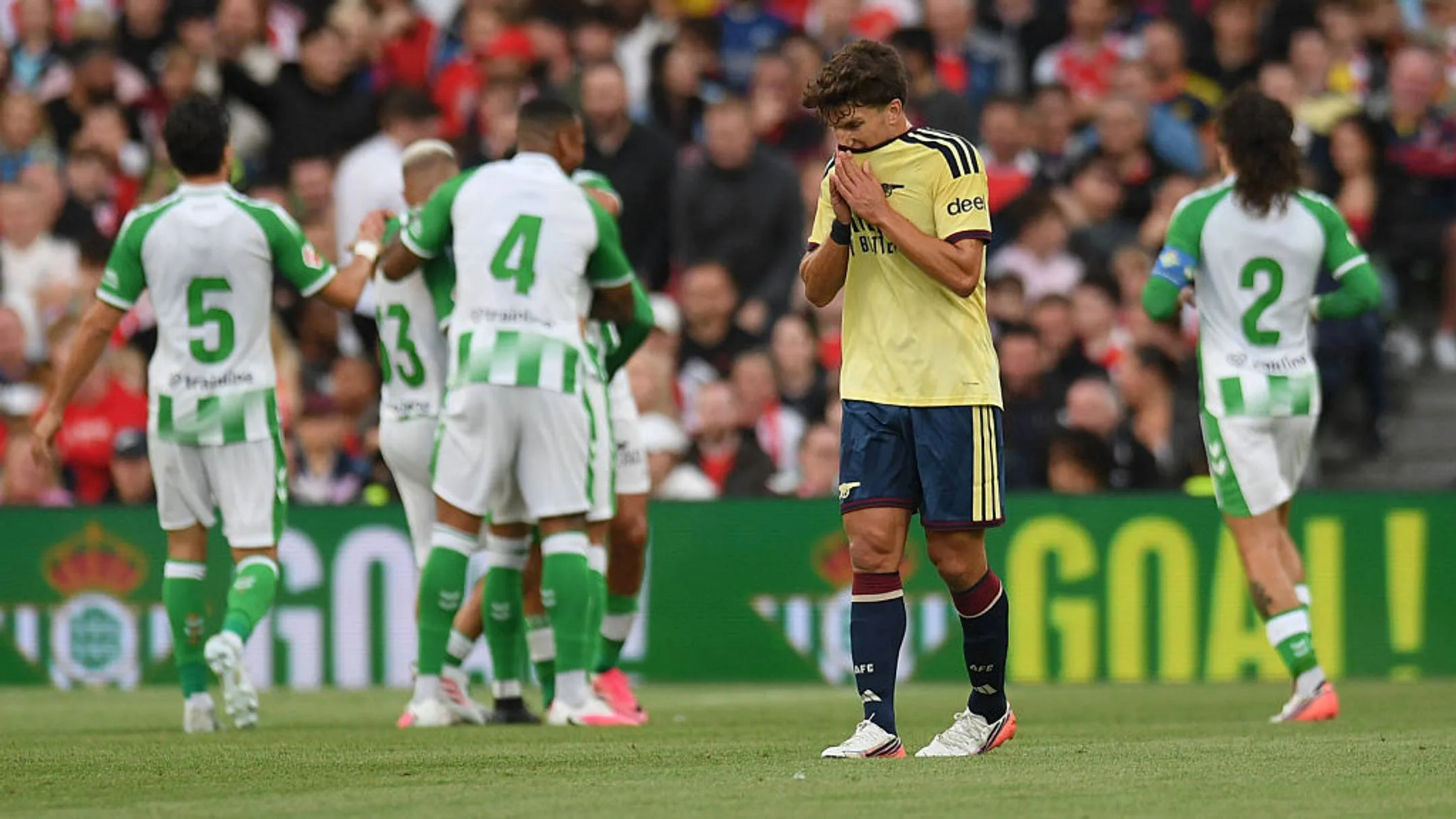
Arsenal’s first setback of the summer arrived in Dublin, where a flat display ended in a 3-1 defeat to Real Betis in preseason.
The match began poorly for Arsenal and never really recovered. Kepa Arrizabalaga, under renewed scrutiny amid talk that he may not remain at the club for the full summer, endured a difficult evening as Betis took control. His role in the opening goal was costly, with the goalkeeper coming for a corner, misjudging the delivery and leaving Riquelme with a simple finish at the far post. Kepa then struggled again when Arsenal’s opponents scored their second, with a poor clearance handing back possession before Deossa struck powerfully from the edge of the area.
Piero Hincapié did briefly give Arsenal some hope when he converted from a corner supplied by new arrival Christos Tzolis, but Pablo Fornals restored Betis’ two-goal advantage just before half-time. By that stage, Arsenal had already been exposed far too often.
Mikel Arteta made widespread changes after the interval and gave several younger players an opportunity to impress, yet Arsenal never looked like mounting a meaningful comeback. With Declan Rice, Martín Zubimendi and Martin Ødegaard absent after their World Cup involvement, the midfield was reshuffled and looked vulnerable throughout. Myles Lewis-Skelly and Ethan Nwaneri were used deeper, while Kai Havertz played further forward, but the structure lacked control and intensity.
The first half was especially poor. Betis countered with ease, Arsenal conceded three times before the break, and the defensive protection in front of the back four was nowhere near strong enough. Lewis-Skelly and Nwaneri, both hoping to strengthen their claims for bigger roles, did not do enough to shift that picture.
There was also frustration for Louie Copley, who lasted only 11 minutes before injury ended his afternoon. The 19-year-old, who spent the second half of last season on loan at Crawley Town, went off in visible discomfort after catching his studs in the turf and appeared to twist his knee.
Arsenal will not be overreacting, but the performance offered reminders that plenty of first-team players are still missing, including Raya, Bukayo Saka and Noni Madueke.