International
Late Scotland Call Gives Manchester United Teen World Cup Chance
Tyler Fletcher called into Scotland squad after Billy Gilmour knee injury; played in 4–1 win. Called

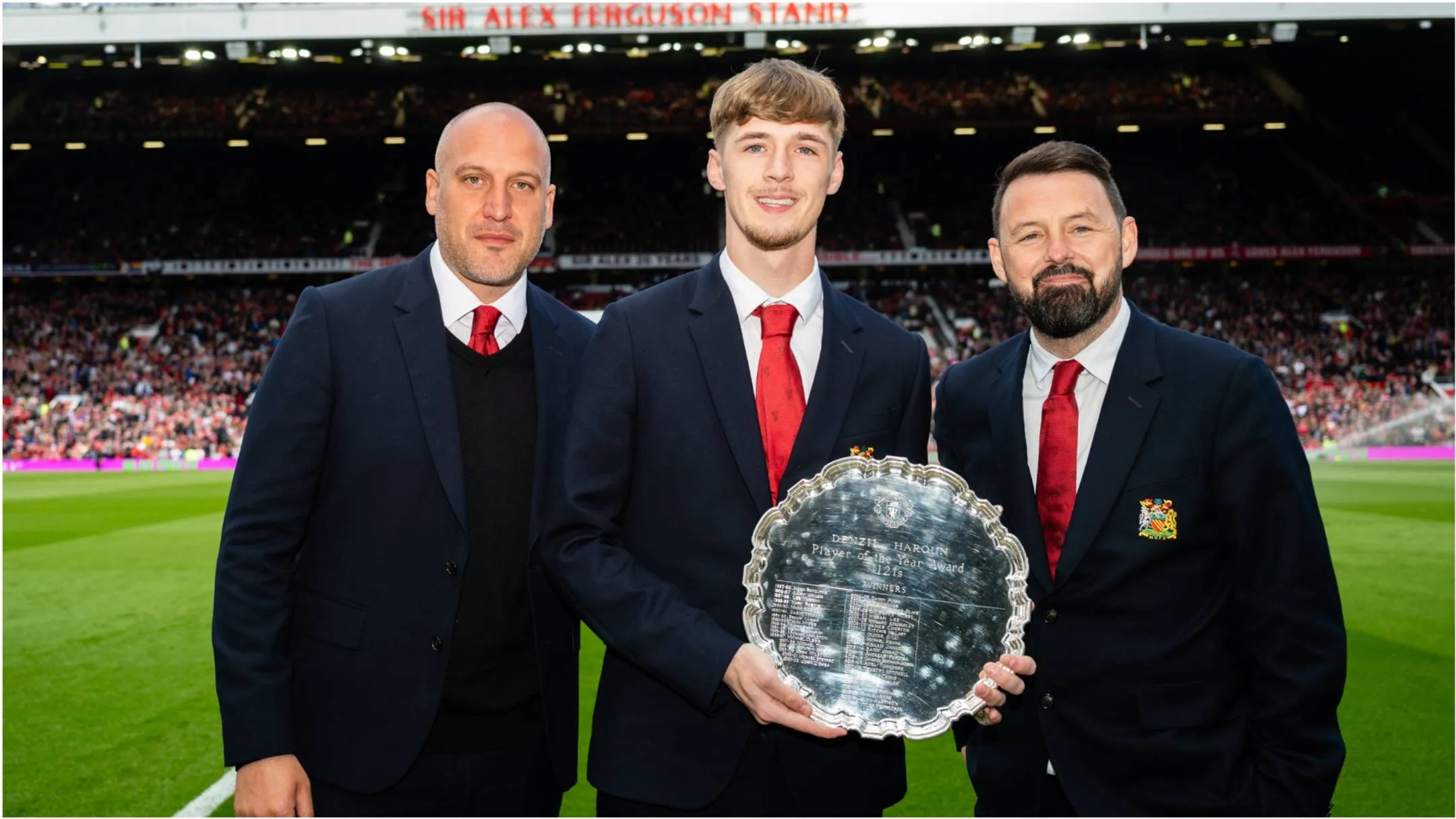
Tyler Fletcher has been added to Scotland’s World Cup squad after a late call-up prompted by injury. The Manchester United youngster was named on Saturday night following Scotland’s 4–1 friendly win over Curaçao, who will make their World Cup debut this summer.
Fletcher, the son of former midfielder and interim manager Darren, came off the bench to play the second half at Hampden Park. Darren earned 80 caps for Scotland from 2003 –17, but never got to experience playing at a World Cup. His son will now have the opportunity to be selected against group stage opponents Haiti, Morocco and Brazil, who Scotland also faced in their last World Cup appearance back in 1998.
The vacancy arrived after a knee injury to former Chelsea and Brighton & Hove Albion midfielder Billy Gilmour, now of Napoli. Clarke said he was “devastated” for Gilmour, with the timing of his knee injury “so, so cruel,” while former Man Utd midfielder Scott McTominay, who also plays for Napoli, encouraged Gilmour to “keep his head up.”
Scotland teammate Kenny McLean offered a strong endorsement of Fletcher’s first appearance. “Tyler came on, and I can’t speak highly enough of him,” Scotland teammate Kenny McLean said of the youngster postmatch. “I said to the lads after his first session, ‘I can see something special in him,’ so I was glad he got on after the week he has had. In my first couple of Scotland squads I played with his dad. And, for me, in my first session, he [Darren] stood out a mile.
“Fortunately for Scotland, his son is pretty similar. There is a lot of potential there. It’s about using him in the right way. Hopefully he does that back at his club and then when he comes away here and when he gets the opportunity, he makes the impact he has this week.”
While some observers may consider Fletcher’s selection surprising given his relative lack of experience, Manchester United clearly view him as a player with genuine potential.



International
Tyler Adams says USMNT must turn tournament chances into trophies
Tyler Adams says trophies matter, with the USMNT eyeing Nations League, Gold Cup and Copa América.
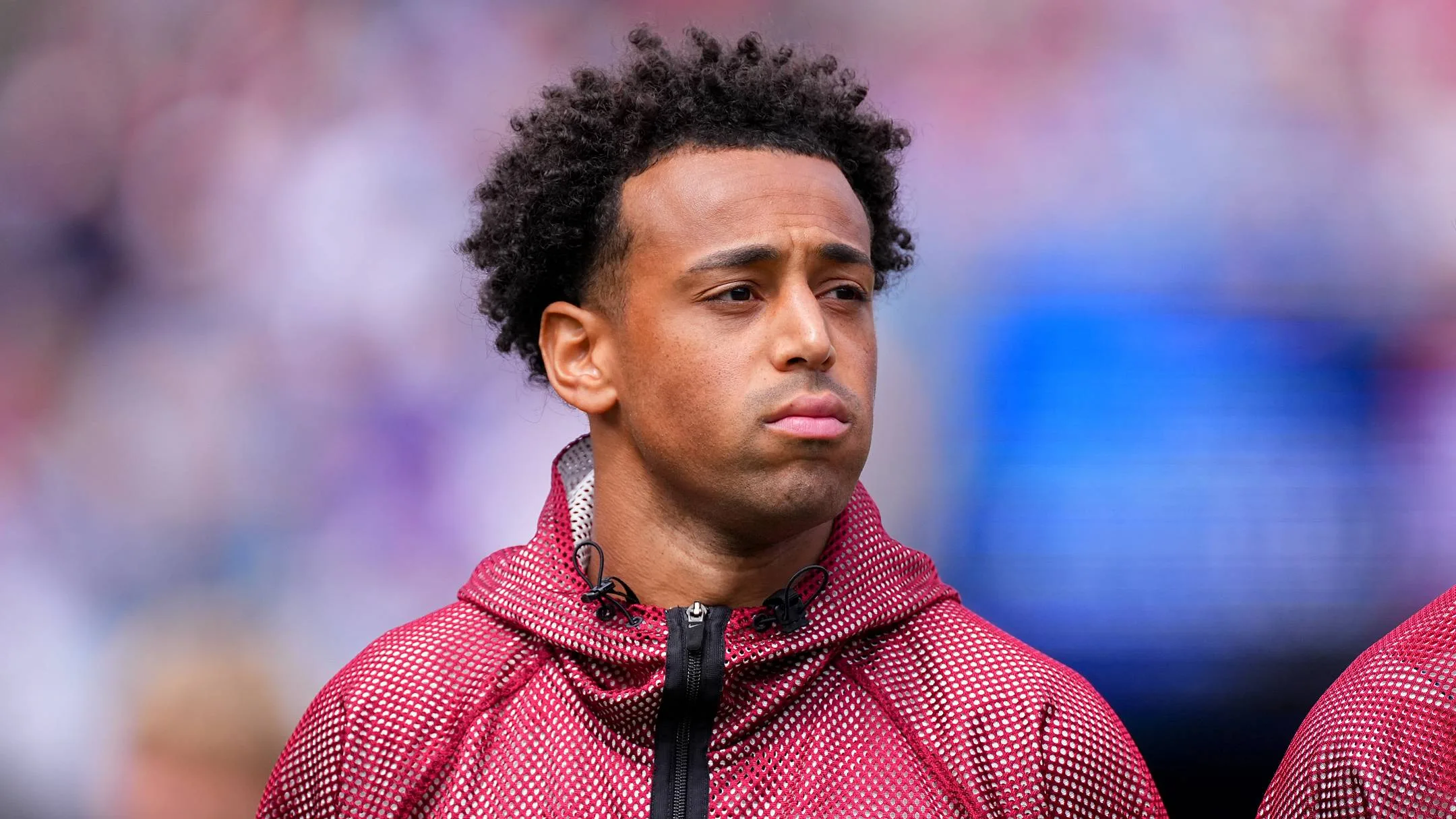
Tyler Adams has made the target clear: winning matters. After the United States men’s national team came up short of a World Cup breakthrough this summer, he believes the next stage of progress has to be measured in silverware.
The argument is not simply about lifting trophies for their own sake. In Adams’s view, success in regional competitions can shape the mentality of a group and prepare players for the highest-pressure matches later on.
“Winning trophies is super important. That feeling is contagious. I think you saw it when we were under Gregg Berhalter winning the three Nations Leagues; it’s just that feeling of knowing that in any competition, you’ve been at those stakes before and you understand what it takes,” Adams tells Sports Illustrated. “Getting that feeling at a younger age, so that you’re hungry to chase it again and you want it again, is super important… I think it will be super important throughout the next cycle.”
The USMNT’s next opportunities arrive on a familiar regional path. If it progresses past the Nations League quarterfinals in November, a first trophy chance comes in March. The 2027 Gold Cup follows, with a likely invitation to the 2028 Copa América still to be confirmed.
Adams also drew a sharp distinction between preparing a national team and training a club side. “Tactically, you’re never going to have the ability to be as sound with a national team as you are with a club because you just can’t train it every single day,” Adams adds. “It’s not always easy to find chemistry with your best players… There are a lot of different things that you can say, but the Nations League, Gold Cup, Copa América, and those things are just crucial in feeling what it’s like to play in knockout games, games under a little bit more pressure, and to prepare you for the biggest moments.”
The wider picture includes both youth and experience, with 16-year-old Cavan Sullivan mentioned as one possible depth option. Adams also believes the summer has changed how U.S. soccer is seen, and how home support may develop.
“I think that the win against Australia was huge, and after just walking around as a team, celebrating those goals, singing ‘Country Roads,’ like that was a moment for me that young players and fans will look at and say they want to be a part of,” Adams says. “You sort of expect [that energy] moving forward in terms of support from fans.”
That growth extends beyond the national team, into MLS and the youth level, where Adams has helped launch a mini-pitch campaign to widen access and create safe spaces for children.
International
Yan Diomande’s Next Step: Real Madrid, PSG or Liverpool?
Diomande faces a major choice as Real Madrid, PSG and Liverpool circle over his future.
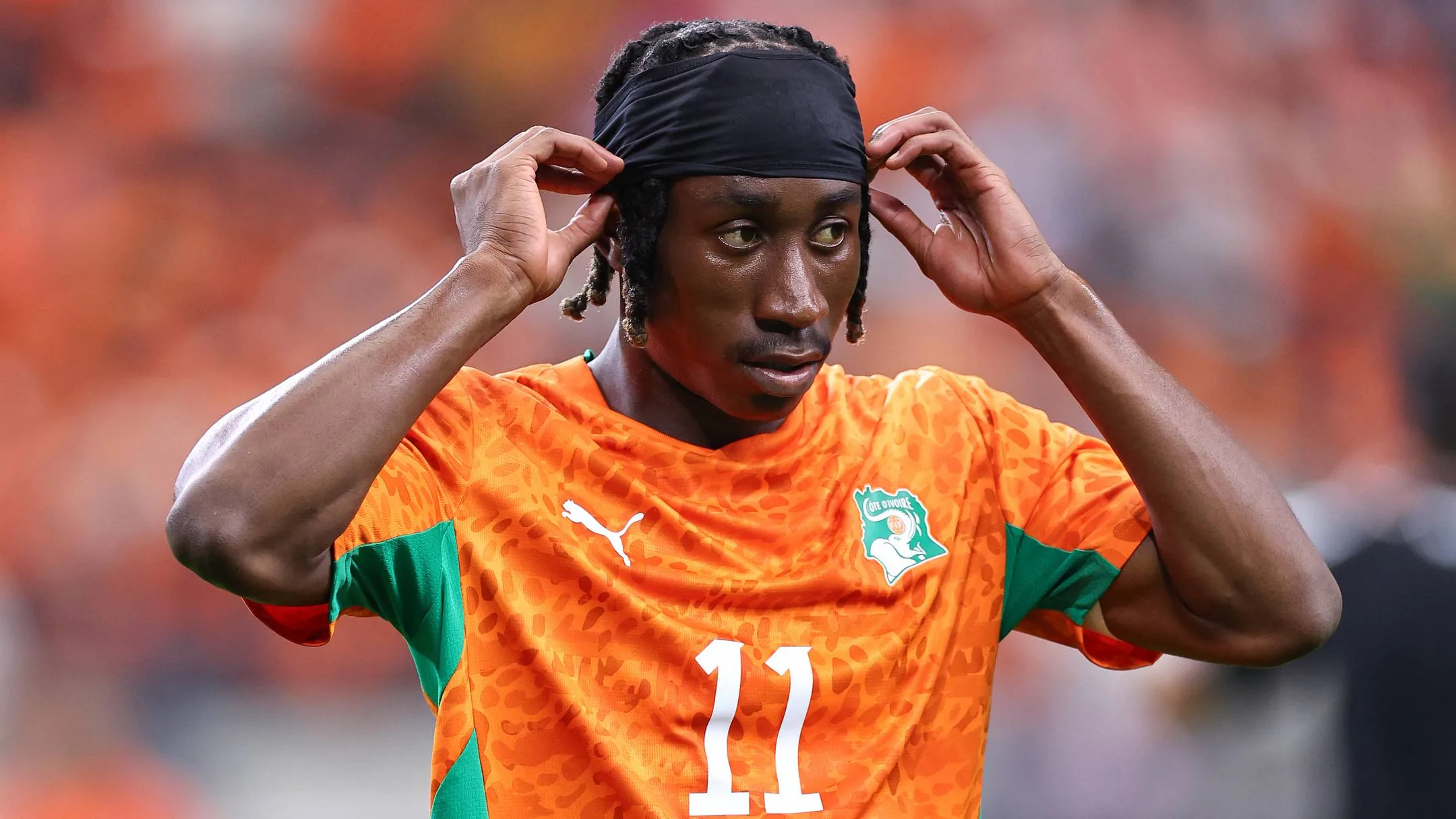
Yan Diomande has emerged as one of the summer’s most interesting transfer stories, with Real Madrid now in the picture and already changing the shape of the discussion around his future at RB Leipzig.
On Friday, Madrid made an approach that Leipzig rejected. The bid was said to be worth as much as €100 million, including €90 million guaranteed, but the German club want more before agreeing to a sale. By Saturday morning, Fabrizio Romano reported that talks with Diomande over the terms of a potential contract had been “positive.” Real Madrid are therefore pushing on two fronts, even if the next move will need to be a bigger offer than the one already turned down.
The attraction is clear. Last season was Diomande’s first full campaign at senior level after he debuted for Leganés in March 2025, and he ended it with 21 combined goals and assists for the Bundesliga’s third best club. He will not turn 20 until November. He is capable on either wing, having begun the season on Leipzig’s left but spent much of it on the right, and he also showed he can adapt away from that familiar setup during the 2026 World Cup with Côte d’Ivoire. In the group stage, he created 10 chances and recorded one assist across three matches.
Liverpool still need a winger to help address the gap left on their right side, while Madrid have their own concerns with Rodrygo absent until 2027 because of injury and uncertainty over Vinícius Júnior, whose contract is in its final year. PSG, meanwhile, are looking at Diomande from a different angle, aiming to keep collecting the best talent after back-to-back Champions League successes.
His reported preference had previously been PSG over Liverpool, and Paris may still hold appeal off the pitch. For Liverpool, the opportunity is tied to a rebuild under Andoni Iraola after a poor 2025-26 season. For Diomande, the choice is between a ready-made contender and a club where he could be central from the start.
Arsenal News
Why Christos Tzolis arrives at Arsenal with questions still to answer
Arsenal have signed Christos Tzolis, but his Premier League return still carries clear questions.

Arsenal have added Christos Tzolis as their third signing since lifting the Premier League title last season, paying a reported £34 million ($45.4 million) to bring him from Club Brugge.
The Greek winger has joined on a “long-term contract”, although the club have not disclosed its length. In practical terms, he looks like the direct replacement for Leandro Trossard on the left side, after the Belgian moved to Beşiktaş earlier this month. For Arsenal, it is a clear case of improving a squad that already holds the status of reigning Premier League champions.
Tzolis will wear the No. 17 shirt, a number last used by Oleksandr Zinchenko and previously associated with Alexis Sánchez and Emmanuel Petit in an Arsenal context.
His output for Club Brugge was striking. Last season he delivered 51 goals and assists in 52 appearances across all competitions, while there was also the claim that he caught the eye of Arsenal’s assistant sporting director, Maurizio Micheli, during Greece’s match against Sweden last month.
Sporting director Andrea Berta has already highlighted the traits Arsenal believe will translate. He has spoken of Tzolis’ “extreme versatility” and his ability to be “comfortable across the front line.” In the club’s announcement, Berta added: “He’s an excellent finisher with both feet, thrives in tight spaces, and possesses incredible technical ability.
“Christos has produced outstanding numbers in terms of goals and assists over the last three seasons, and he’s a player who will raise the technical level of our squad, while bringing positive energy, enthusiasm, and a strong mentality to our team. We’re confident Christos will make a significant contribution to our club, and we hope our supporters will enjoy watching him play.”
Tzolis described his own game in similarly direct terms: “I’m a direct player, I go for goals or assists. That’s my point of view as an attacker, as a winger. I’m always hungry to score or to give the final pass to my teammates. And I can say I work hard for the team, also in the defensive part.”
There is Premier League history behind him, but it was a difficult first chapter. Signed by Norwich City at 19, he spent most of the 2021-22 season on the bench and managed no direct goal involvement in 14 appearances. A reset followed via the EFL Championship, a loan move to FC Twente, and then a prolific spell in the 2. Bundesliga with Fortuna Düsseldorf, where he scored 22 league goals before Club Brugge moved for him.
The challenge now is obvious. He is stepping into a stronger Arsenal side, but also moving from a Belgian Pro League that is viewed as Europe’s 12th strongest domestic league in 2026-27.

Rodri Attracts Interest From Barcelona and Paris Saint-Germain as Future Remains Open

Six Liverpool youngsters who could force their way into 2026-27 plans