Premier League
Deadline Day Wrap: Panic Purchases and Last-Minute Drama as the Window Shut
Deadline day delivered last-minute panic buying and late-window drama as the transfer window closed.

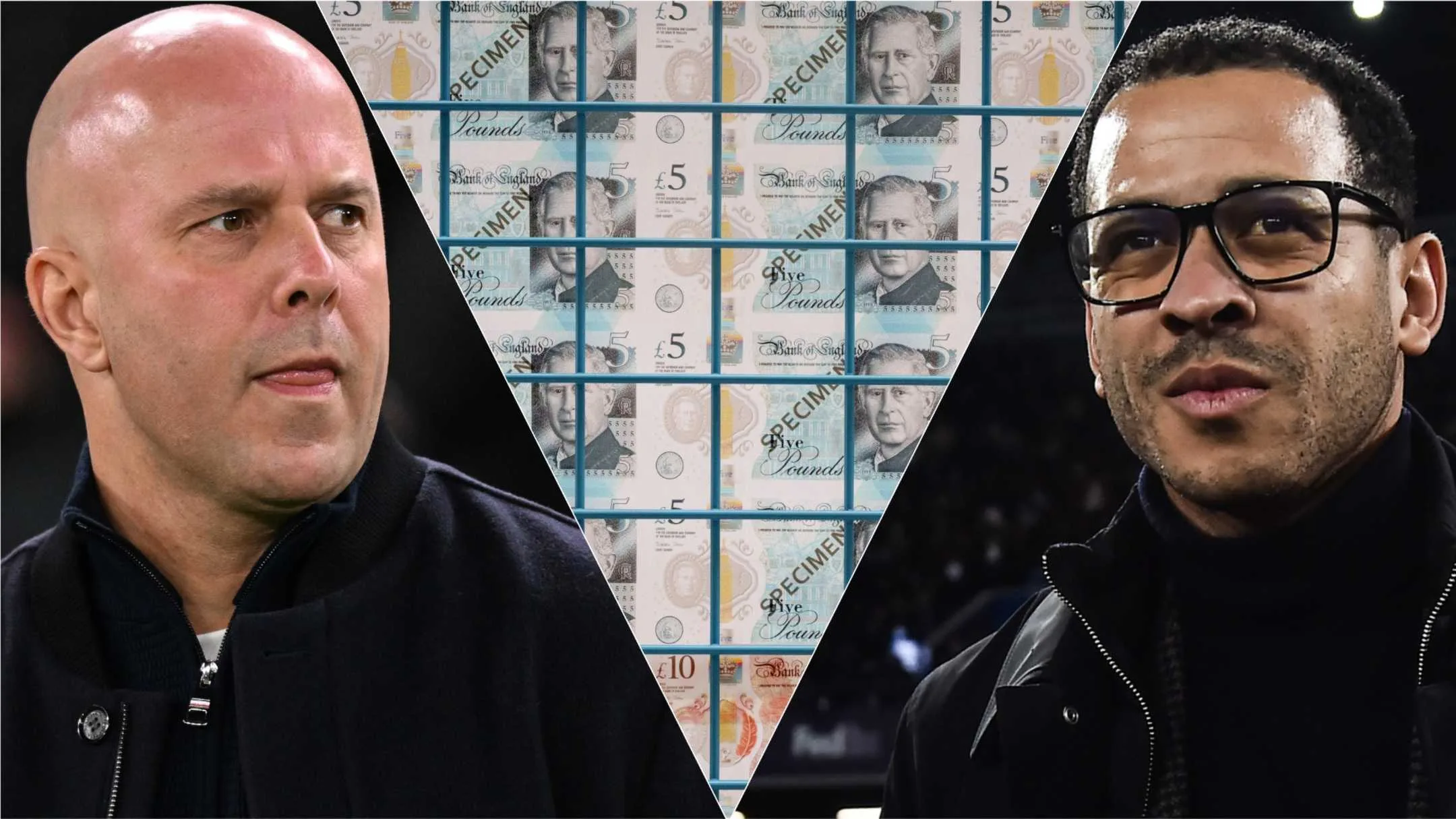
Transfer Deadline Day produced a familiar crescendo of activity marked by panic purchases and late drama as the window closed. The closing hours concentrated decision making, negotiation and urgency into a narrow timeframe. Clubs and agents confronted compressed timelines and last-minute choices that translated into hurried deals and frenetic market movement.
The defining features of the day were haste and unpredictability. Transactions completed in the final moments reflected reactive planning rather than long-term strategy. The pressure to address perceived gaps before the cut-off prompted rapid-fire agreements and last-gasp adjustments. That intensity created an atmosphere in which small margins and timing dictated outcomes.
For those involved, the final hours tested processes and priorities. Contract terms, medical clearances and registration formalities moved forward under strain, and the closure of the window crystallised the transfer market’s rhythm. The narrative of the day centred on late-window drama and the immediate consequences of hurried recruitment choices.
The wider effect is simple: clubs leave the cut-off with immediate needs settled, but with questions about how last-minute solutions will perform over time. The rush of deadline activity often forces clubs to balance short-term fixes against longer-term planning. In many cases, the deals that defined the closing stages will be evaluated only after weeks or months on the pitch.
Transfer Deadline Day remains a concentrated snapshot of the market’s dynamics. Panic purchases and late drama are part of a recurring pattern that emerges whenever a window has a firm closing point. The day closes the chapter on one period of roster movement and establishes the baseline from which teams proceed until the next opportunity to alter their squads arises.





Manchester City
City weigh Maresca-linked names as transfer planning sharpens
City are assessing Maresca-linked options as they look for depth, balance and attacking cover in 2026/27.

Manchester City are confronting their toughest spell in a decade after the departures of Pep Guardiola, Bernardo Silva and John Stones since the end of last season. Rodri could still leave as Real Madrid begin to reciprocate his feelings of attraction.
City had already acted before that possibility gathered pace, signing Elliot Anderson from Nottingham Forest in a club-record move. The transfer briefly made him the most expensive Englishman of all time, even if the original plan was likely to use him alongside Rodri.
That leaves City looking for specific fixes and greater depth rather than a full rebuild. A winger is one area under consideration, and the Daily Mail reports that Chelsea’s Pedro Neto is among the names being explored, with Yan Diomande and Ibrahim Mbaye also mentioned.
Neto would also reconnect him with Maresca, under whom he made 77 appearances, contributed 27 goals and assists, and was the manager’s seventh most-used player in 2024-25. City’s interest is not tied only to Maresca’s move back to the Etihad Stadium either, since they had been linked with Neto and several other clubs in 2024 before he signed with Chelsea.
That naturally raises the question of which other players Maresca knew at Stamford Bridge might now enter the discussion. Malo Gusto looks the clearest practical fit, given the lack of depth at right back. Matheus Nunes remains the first choice there despite being a midfielder by trade, while Rico Lewis spent much of last season either out of favour or not healthy. The issue is the reported £75 million ($100 million) valuation.
City are stronger elsewhere in defence. Marc Guéhi has already been signed to effectively replace Stones in advance, while Vitor Reis is back after a formative loan at Girona. Maresca also has three left-back options in Nico O’Reilly, Rayan Aït-Nouri and Joško Gvardiol.
In midfield, Enzo Fernández had been a player of interest, but Moisés Caicedo may be the better fit to replace Rodri, although he would be close to impossible to sign. Cole Palmer remains another persistent topic, with speculation that he is homesick in London and longs to return to Manchester refusing to go away. Maresca never saw the same explosive breakout star Mauricio Pochettino worked with in 2023-24, but the talent is still there.
City recently gave Phil Foden a new contract, yet there is room for another fluid attacker as they prepare to stay active in four competitions well into 2027. If Palmer returned and rotated with Foden and Rayan Cherki, City would look formidable again.
Liverpool News
Liverpool’s winger search points toward Bradley Barcola
Liverpool need width, and Bradley Barcola has become a prime target for Iraola’s side.

Andoni Iraola made Liverpool’s priorities clear in one of his first media meetings as the club’s new manager: “We definitely need to sign a winger,” he said. The need remains obvious.
Liverpool have already acted by bringing in 23-year-old Victor Muñoz for $46 million, but the Spaniard is still raw and will need time to settle into a new division. That means the issue on the flanks is still unresolved, and Iraola’s first season will demand more than a short-term fix. Liverpool need a proven wide player, not just another project.
That is why Bradley Barcola has emerged as such an obvious fit. The Paris Saint-Germain winger is firmly on Liverpool’s radar, and his profile matches exactly what the team are missing.
A glance at the current squad explains the concern. Alongside Muñoz, Liverpool have only a small number of genuine wide options. Florian Wirtz can operate from the left, while Harvey Elliott can also be used wide if he remains at the club. Even so, only Cody Gakpo, Rio Ngumoha and Federico Chiesa are really established as wingers. Chiesa looks likely to leave this summer after two underwhelming years, which would leave Gakpo and the 17-year-old Ngumoha as the main options. Ngumoha is highly rated, but he cannot be expected to carry that burden so soon. Hugo Ekitiké may also be out until 2027 because of injury, which creates problems at centre forward too.
Barcola’s record with PSG makes clear why Liverpool admire him. After a quiet first season in 2022-23, he has gone on to produce 50 goal involvements over the past two campaigns under Luis Enrique. He has also impressed for France, with strong World Cup performances this summer. His pace, dribbling and finishing ability make him a difficult opponent, and he can attack from either flank by cutting inside or going to the byline. He has also contributed to back-to-back Champions League and Ligue 1 titles, while doing the defensive work required in PSG’s system.
The obstacle is cost and availability. PSG are reluctant to sell, and a move would likely be priced at well over $135 million. Their pursuit of Yan Diomande, who is also a Liverpool target, could alter Barcola’s situation, as could interest in Maghnes Akliouche. If Barcola pushes for a departure, Liverpool may sense an opening.
Iraola has generally used a 4-2-3-1 in England, and that structure could suit Barcola on the right, where he may eventually be viewed as Salah’s replacement. Ekitiké, once fit, could also be used wide, while Alexander Isak remains the club’s main No. 9 despite a difficult debut season.
Arsenal
Why Vinícius Jr Would Be Arsenal’s Natural Left-Side Solution
Vinícius Jr could transform Arsenal’s left side, if a transfer from Real Madrid ever advances.
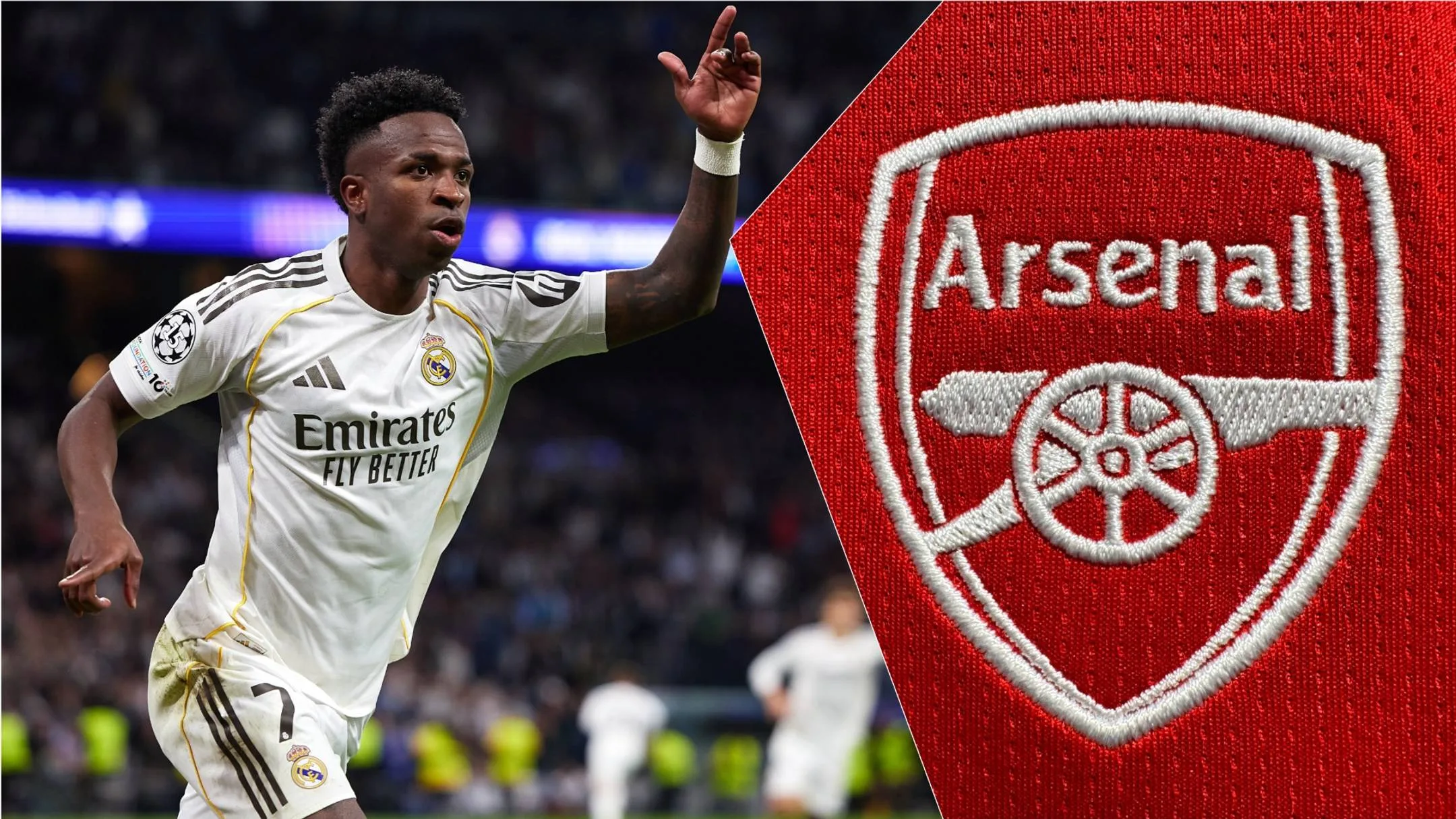
Arsenal’s search for greater threat on the left flank has taken them into rare territory, with Vinícius Júnior now viewed as the most ambitious answer to a long-running issue. The club have already brought in Christos Tzolis from Club Brugge to cover for the departure of Leandro Trossard, yet the pursuit of another wide attacker suggests the work in that area is not finished. Before Morgan Rogers moved to London neighbours Chelsea, Arsenal had also considered him for the same role.
A move for Vinícius Jr is still only at an early stage, and Real Madrid are understood to be reluctant to part with him. Even so, the 26-year-old is into the final year of his contract and talks are at a standstill, leaving his future uncertain. That makes this summer the most realistic opening Arsenal may get if they want to test the scale of the deal.
Tactically, the fit is obvious. Vinícius Jr would take over the left wing immediately, regardless of Tzolis’s arrival. His game is built on staying wide, isolating full-backs and driving at them, then either reaching the byline or cutting inside onto his stronger right foot to shoot or slip a pass into the box. Arsenal have lacked consistent production from that side for much of 2025-26, with Trossard and Gabriel Martinelli combining for only seven league goals. Eberechi Eze also spent time there, but he is most effective centrally.
Arsenal’s attack has largely leaned to the right, where Bukayo Saka and Martin Ødegaard are usually the main reference points. Vinícius Jr on the opposite side would change that balance at once, forcing defenders to respect both flanks. He would also offer a major solution against deep defensive blocks through his dribbling, close control and ability to beat multiple opponents alone.
There is also value in his combination play and his threat in transition, both of which suit Arsenal’s style. The drawback is his limited defensive work, but the club’s strong defensive base would help cover that. The biggest losers would be Gabriel Martinelli and Tzolis, with the latter likely reduced to backup duty if the move ever happened.