Analytics & Stats
Opta Numbers Confirm Arsenal’s Set-Piece Method Shapes Their Play
Opta data shows Arsenal delay corners and dominate set pieces, defining their attack in 2025. Today.

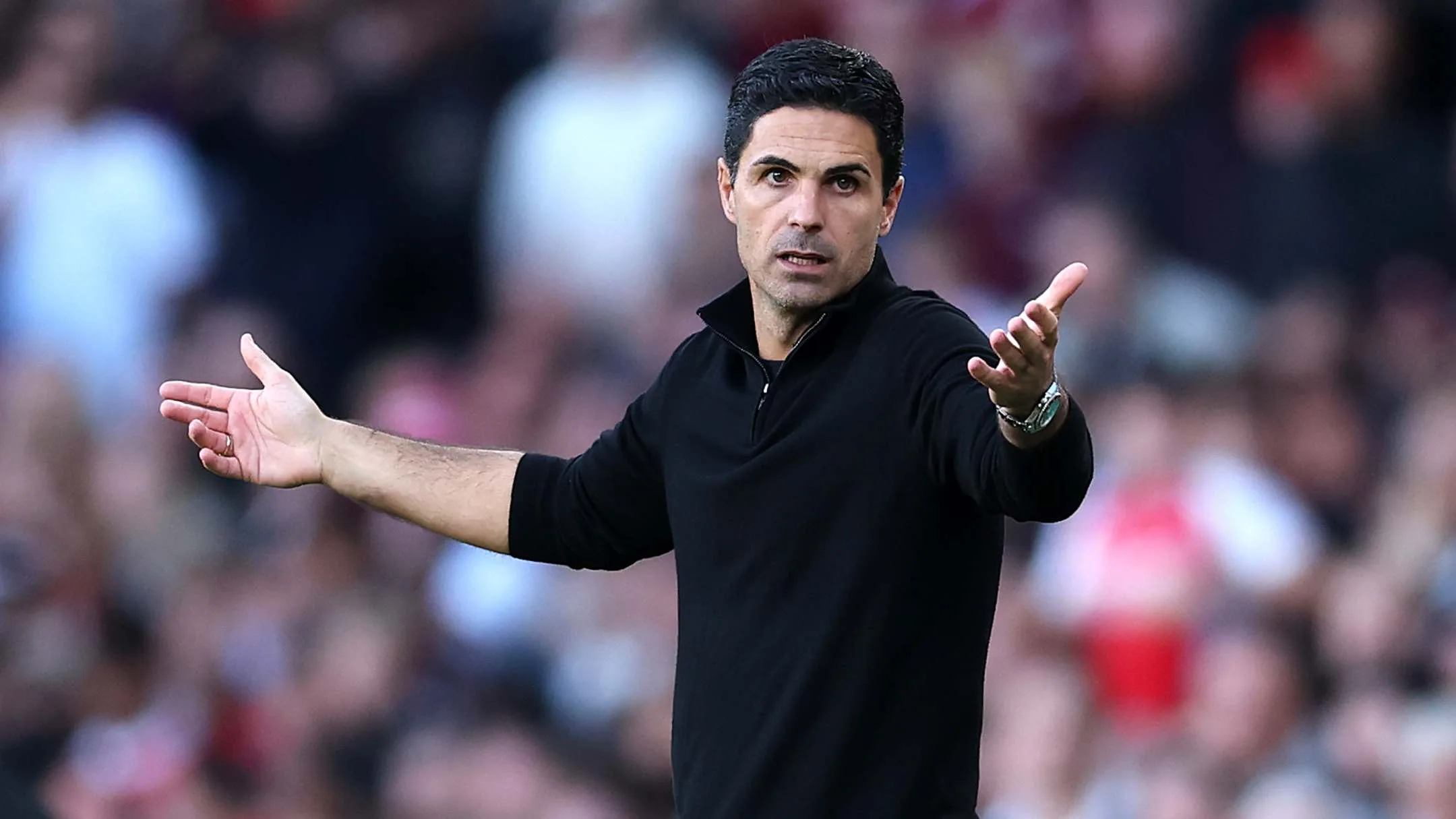
Opta figures from the opening weeks of the 2025/26 season underline a clear pattern: Arsenal disrupt the flow of matches and extract tangible gains from set pieces. Across the first seven Premier League fixtures the club spent a combined 40 minutes and six seconds preparing corners, at least 11 minutes and 12 seconds more than any other team in the division.
That average equates to 45.4 seconds per corner. Only newly promoted Sunderland register a longer pause before delivery, at 49.5 seconds, while Manchester City require just 29.1 seconds to set up a corner. Arsenal also win more corners than any other side in the league and are making those delays count.
Arteta’s side have already amassed a league-high seven set-piece goals this season, as many as Manchester City managed across the entirety of the previous campaign. The club’s reputation for methodical dead-ball work has been guided by a dedicated set-piece coach, Nicolas Jover, whose touchline gestures and visible influence have even inspired a fan-led mural in north London.
Opponents have noticed. Last season Liverpool manager Arne Slot called these tactics a “f—— joke” and Manchester City defender John Stones said: “I wouldn’t say they have mastered it, but they have done it for a few years now, so we knew to expect that. You can call it clever or dirty, whichever way you want to put it. But they break up the game, which upsets the rhythm. They use it to their advantage.” Those assessments reflect how delays and tactical stoppages can unsettle rivals.
Yet Arsenal are not solely a set-piece side. The current Premier League leaders sit seventh for open-play xG with 6.2 and rank fifth for shots with 63, but they have scored five goals from open play, placing 11th in that metric. Their xG per shot is 0.098, ranked 13th. The figures show a team that creates chances but relies unusually heavily on dead-ball situations to convert them.
Data via Opta. Correct as of Oct. 15, 2025.

Analytics & Stats
Six Premier League Underperformers in the Opening Weeks of 2026/27
A look at six Premier League names who have fallen short in the opening weeks of 2026/27.

A new Premier League campaign is usually a time for resets, and this season has offered a longer runway than most for players to settle in. Some have taken advantage. Others, including several high-profile names, have yet to find any rhythm at all.
That contrast has made the early weeks of 2026/27 a useful moment to separate the encouraging from the disappointing. Here, then, are six of the season’s most underwhelming performers so far.
Florian Wirtz has already drawn heavy criticism after another subdued display at Bournemouth. Jamie Carragher was particularly blunt, saying that he doesn’t believe Wirtz “is in poor form; what we’re seeing is what he is.” Liverpool had hoped the €117.5 million arrival would kick on in his second season, but he has started this campaign with only one assist and too often looks peripheral rather than decisive.
Manchester United’s struggles are collective, but several individuals have also fallen short. The side sit 12th with five points and one league win, while Bruno Fernandes, Matheus Cunha and the new midfield additions have yet to impose themselves. Bryan Mbeumo has been pushed wide and has found one-on-one situations difficult, even if he has scored twice.
At Arsenal, Viktor Gyökeres has not convinced. He scored 14 league goals and five more in Europe last season, but this time he has been limited to just 29 Premier League minutes and enters October without a goal.
Sandro Tonali’s move to Tottenham Hotspur carried a huge price tag, yet the early return has been modest. He can carry the ball and protect transitions, but he still looks better suited to a more balanced midfield around him.
Chelsea’s switch from Robert Sánchez to Emiliano Martínez was framed as a statement of intent, but Martínez has conceded 10 goals in four league appearances and remains exposed by the team’s defensive structure.
Dominic Solanke completes the list. Tottenham’s attack has lacked control and reliability, and the striker looks well below the standard needed right now.
Analytics & Stats
Man Utd’s five-point start: what the previous precedent says
United’s five-point start mirrors a past low, but history suggests the campaign is far from defined yet.
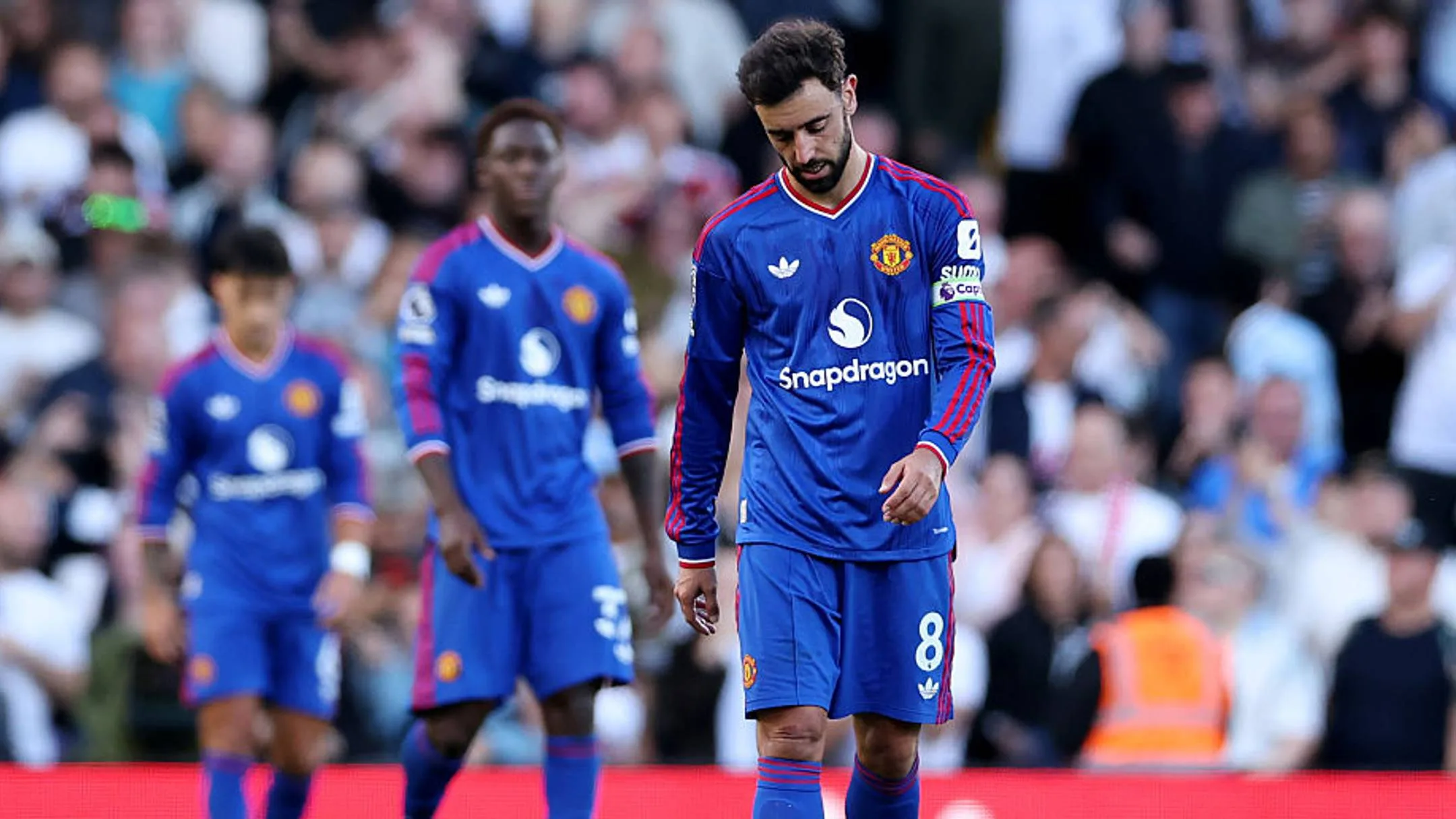
Manchester United have not got the opening to 2026-27 they would have wanted after last season’s strong finish, when Michael Carrick’s side collected 39 points from a possible 51 across their final 17 league matches. Instead, five points from five games have left them matching their lowest Premier League-era return at this stage of a campaign.
The early results have been uneven. Hull City struck twice from set pieces on opening day, Ipswich Town were beaten in a high-scoring game, Everton later rescued a point late on, Manchester City won through a refereeing and VAR error that has since been acknowledged, and Fulham exposed United during a slow opening 70 minutes. Even so, the underlying figures suggest the team are still reaching useful areas: no side has more touches in the opposition box than United’s 182, while they have allowed the fewest touches in their own box at 92.
That is why Carrick does not appear alarmed. The numbers point to adjustment rather than upheaval, although the results have yet to settle into consistency.
This is not the first time United have been here. Their previous five-point start came in 2014-15, when Louis van Gaal arrived after David Moyes’ brief spell ended and expectations rose around a new era. The club had reinforced heavily with Ander Herrera, Luke Shaw, Ángel Di María, Marcos Rojo, Daley Blind and Radamel Falcao, but the early weeks were slow. A home loss to Swansea City, away draws with Sunderland and Burnley, and a shock Carabao Cup exit to MK Dons set the tone.
United did recover. Di María inspired a first league win against Queens Park Rangers, before an extraordinary collapse against Leicester City ended in a 5-3 defeat after the team had led 3-1. Van Gaal’s side later pieced together two separate runs of six straight league wins and finished fourth, though they never properly threatened the title.
The broader record shows that a low total after five games is not always decisive. United have often recovered, even from modest starts, and only one perfect five-from-five return has been achieved across 35 Premier League seasons. The opening month matters, but it rarely tells the full story.
Analytics & Stats
Premier League Matchday 5: every side judged before the international break
A full Premier League Matchday 5 review before the season’s first international break arrived.

The first international pause of the season arrived with a final round that felt, in every sense, like a term-end review. Before attention turns away from the Premier League for three weeks, there was one more set of performances to assess.
Arsenal were out of the contest almost immediately. After just 18 seconds, they were forced back into their own corner from the opening throw-in and never recovered. The 3-0 defeat was made to look even heavier by Brighton’s two fine long-range efforts, but the visitors were second best throughout. It was the sort of loss that invites awkward questions.
Nottingham Forest could not settle the nerves at the City Ground. Oliver Glasner admitted that the “entire City Ground was nervous” and his side did little to calm the atmosphere in a stubborn game against Coventry. The manager was left “frustrated” and “disappointed,” emotions echoed in the stands once the tension took hold.
Tottenham continue to frustrate, only in a different way. Roberto De Zerbi sounded exhausted by another 3-2 defeat, insisting, “These players, they don’t need to play better,” before adding that what Spurs require is more “blood” and “fight.”
Chelsea’s defeat at Brentford followed a more gradual collapse. There was little obviously wrong in the opening hour, and Xabi Alonso had wanted his side to be more “boring,” but the match quickly slipped away. Ipswich, meanwhile, stayed alive despite conceding early and finishing with 10 men at Everton, where Gary O’Neil said, “The only disappointment is the result.”
Leeds had a clear chance through Dominic Calvert-Lewin, but the fresh England call-up could not convert. At the other end, James Trafford was busier than Walter Benítez in a game that ended in another encouraging clean sheet for Pierre Sage’s side.
Manchester United’s trip to Fulham brought fierce criticism, with Gary Neville saying, “I’ve watched Manchester United since the age of 5,” and that the second half’s opening 15 minutes were “the worst 15 minutes I’ve ever seen.” Fulham settled for a “frustrating” 1-1 draw, while Calvin Bassey called it “a game of luck, we both had it on our side.”
Elsewhere, Everton’s win was functional rather than elegant, Aston Villa needed a lift and got one, Bournemouth were left empty-handed, Sunderland earned admiration despite defeat at the Etihad, Newcastle held on after a nervy finish, Liverpool were second best for long spells, and Manchester City’s chaotic game left Enzo Maresca saying, “Too many goals,” before admitting, “I’m always concerned, always trying to see what we can do better.” Coventry’s long wait for a Premier League win finally ended, and Frank Lampard had every reason to enjoy it.