Analytics & Stats
How Premier League Clubs Fared in the 2025 Summer Window: A Ranked Review
A club-by-club assessment of the Premier League summer window: spending, sales and squad impact. ’25

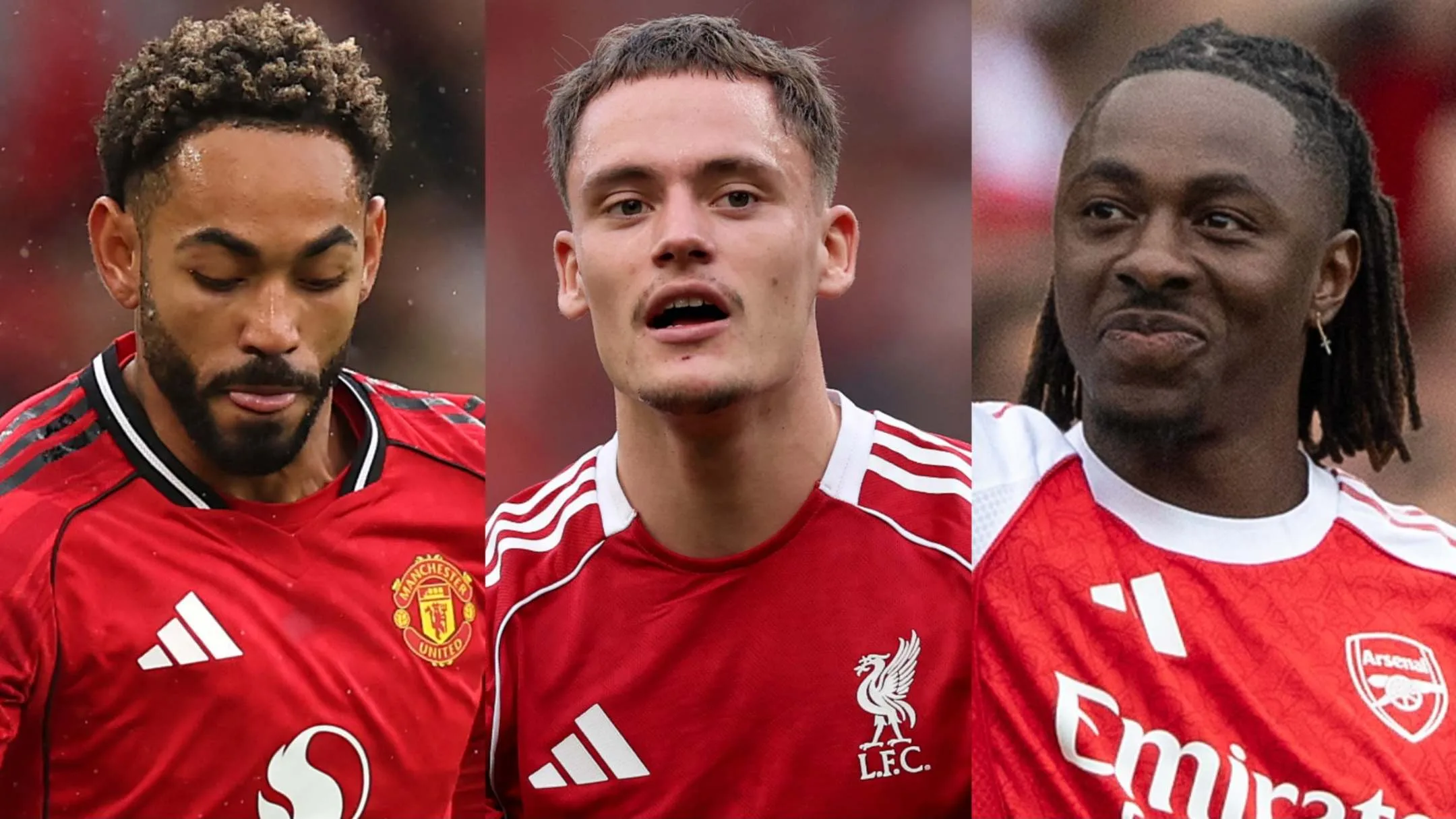
The Premier League’s summer market delivered heavy spending and mixed results. This review ranks clubs by how their windows reshaped squads and balance sheets, using only the transactions and outcomes reported.
At the lower end, Fulham operated on a tight budget and signed backup goalkeeper Benjamin Lecomte before deadline day. Late additions Kevin, Samuel Chukwueze and Jonah Kusi-Asare bolstered the forward line, but the window remains underwhelming for Marco Silva’s side. Crystal Palace lost Eberechi Eze, missed a £35 million fee for Marc Guéhi and blocked his move to Liverpool, with Guéhi potentially leaving for free next summer. Yéremy Pino was one of the few exciting arrivals for Palace.
West Ham and Wolverhampton each spent over £100 million but their incomings have yet to impress. West Ham lost Mohammed Kudus, while Wolves saw Matheus Cunha and Rayan Aït-Nouri depart; Jørgen Strand Larsen stayed at Molineux. Aston Villa spent the least of any club yet retained key players and added Harvey Elliott, Jadon Sancho and Evann Guessand. Burnley and Leeds favoured quantity over marquee signings, prioritising depth at affordable prices after promotion.
Brighton, Brentford and Bournemouth replaced major talents and reinvested well. Brentford negotiated excellent fees for Yoane Wissa and Bryan Mbeumo, Bournemouth profited from defensive sales, and the trio should maintain standards despite changes and Brentford coping without Thomas Frank.
Mid-table movers included Nottingham Forest, who kept Morgan Gibbs-White and Murillo and added four from Botafogo alongside Dan Ndoye, James McAtee and Douglas Luiz. Sunderland spent just over £180 million and added Granit Xhaka, Nordi Mukiele, Lutsharel Geertruida, Habib Diarra and Brian Brobbey.
Big-spending clubs made headline signings. Newcastle secured a record £125 million fee for Alexander Isak, signed Yoane Wissa and Nick Woltemade, and added Anthony Elanga and Malick Thiaw while retaining Sandro Tonali, Bruno Guimarães and Anthony Gordon. Everton’s window featured Jack Grealish, Kiernan Dewsbury-Hall and several young additions including Thierno Barry. Manchester United bolstered the attack with Cunha, Bryan Mbeumo and Benjamin Šeško while offloading Alejandro Garnacho, Jadon Sancho, Antony and Marcus Rashford.
Tottenham refreshed across the pitch with the additions of Mohammed Kudus, Xavi Simons, João Palhinha (loan), Randal Kolo Muani (loan), Kevin Danso and Mathys Tel, while Son Heung-min departed. Manchester City replaced older figures with youth, signing Tijjani Reijnders, Rayan Cherki (injured), Gianluigi Donnarumma and James Trafford and recouping fees for McAtee, Yan Couto and Máximo Perrone.
Chelsea spent almost £300 million but achieved a positive net spend, prioritising youth with João Pedro, Jamie Gittens, Alejandro Garancho, Jorrel Hato and Esêvão. Arsenal recorded the highest net spend after investing £267 million while receiving just £9 million in sales; key arrivals included Viktor Gyökeres, Noni Madueke, Eberechi Eze, Kepa Arrizabalaga, Christian Nørgaard, Martín Zubimendi and late arrival Piero Hincapié.
Liverpool led Premier League outlay with £446.5 million. They signed Alexander Isak (Premier League record fee), Florian Wirtz (division record at £116 million), Hugo Ekitiké, Milos Kerkez, Jeremie Frimpong, Giorgi Mamardashvili and Giovanni Leoni, and recouped almost half the spend by selling Luis Díaz and Darwin Núñez. A late collapse of the Marc Guéhi transfer was the only notable disappointment in an otherwise aggressive window for the Reds.

Analytics & Stats
Six Premier League Underperformers in the Opening Weeks of 2026/27
A look at six Premier League names who have fallen short in the opening weeks of 2026/27.
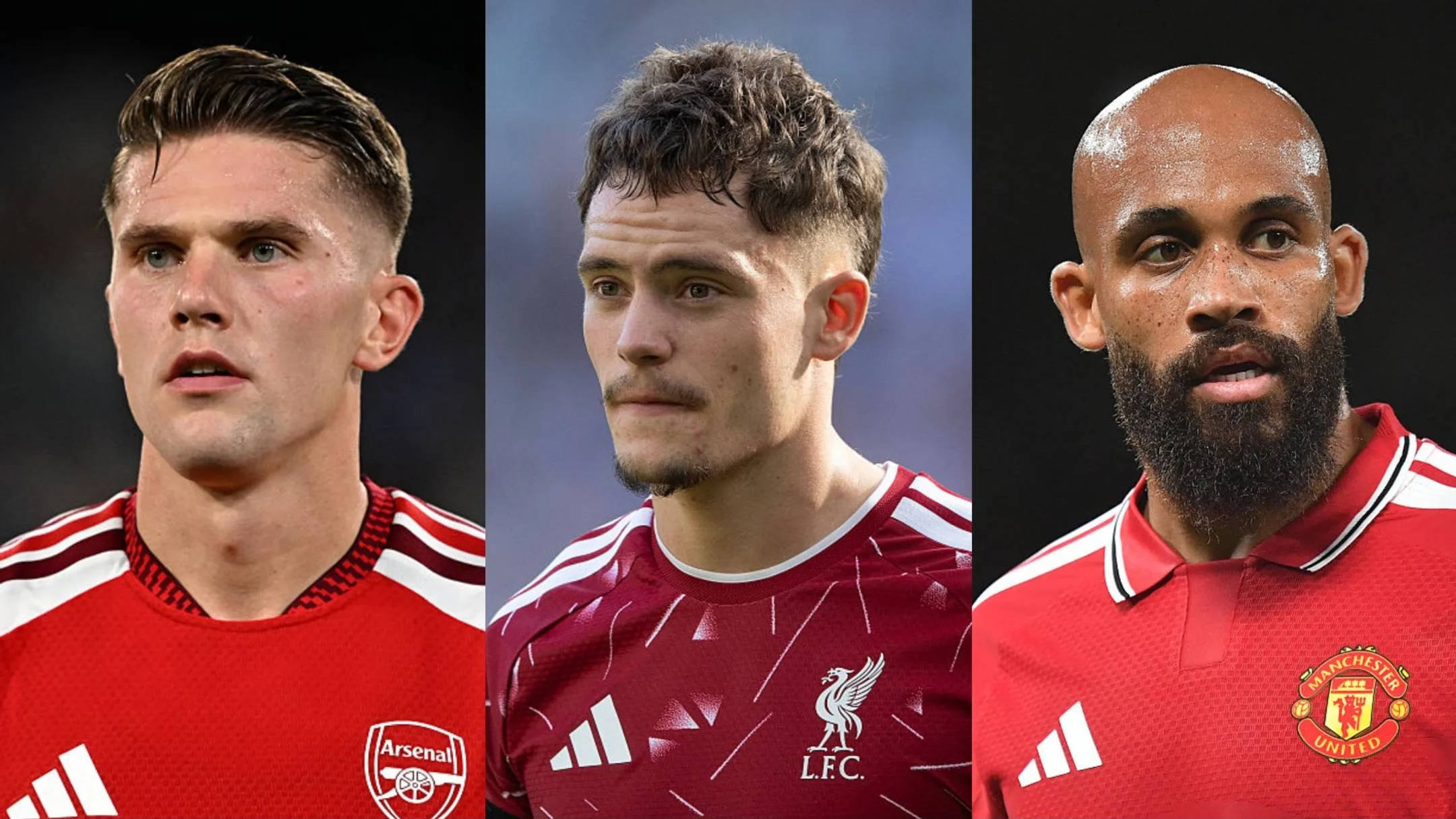
A new Premier League campaign is usually a time for resets, and this season has offered a longer runway than most for players to settle in. Some have taken advantage. Others, including several high-profile names, have yet to find any rhythm at all.
That contrast has made the early weeks of 2026/27 a useful moment to separate the encouraging from the disappointing. Here, then, are six of the season’s most underwhelming performers so far.
Florian Wirtz has already drawn heavy criticism after another subdued display at Bournemouth. Jamie Carragher was particularly blunt, saying that he doesn’t believe Wirtz “is in poor form; what we’re seeing is what he is.” Liverpool had hoped the €117.5 million arrival would kick on in his second season, but he has started this campaign with only one assist and too often looks peripheral rather than decisive.
Manchester United’s struggles are collective, but several individuals have also fallen short. The side sit 12th with five points and one league win, while Bruno Fernandes, Matheus Cunha and the new midfield additions have yet to impose themselves. Bryan Mbeumo has been pushed wide and has found one-on-one situations difficult, even if he has scored twice.
At Arsenal, Viktor Gyökeres has not convinced. He scored 14 league goals and five more in Europe last season, but this time he has been limited to just 29 Premier League minutes and enters October without a goal.
Sandro Tonali’s move to Tottenham Hotspur carried a huge price tag, yet the early return has been modest. He can carry the ball and protect transitions, but he still looks better suited to a more balanced midfield around him.
Chelsea’s switch from Robert Sánchez to Emiliano Martínez was framed as a statement of intent, but Martínez has conceded 10 goals in four league appearances and remains exposed by the team’s defensive structure.
Dominic Solanke completes the list. Tottenham’s attack has lacked control and reliability, and the striker looks well below the standard needed right now.
Analytics & Stats
Man Utd’s five-point start: what the previous precedent says
United’s five-point start mirrors a past low, but history suggests the campaign is far from defined yet.
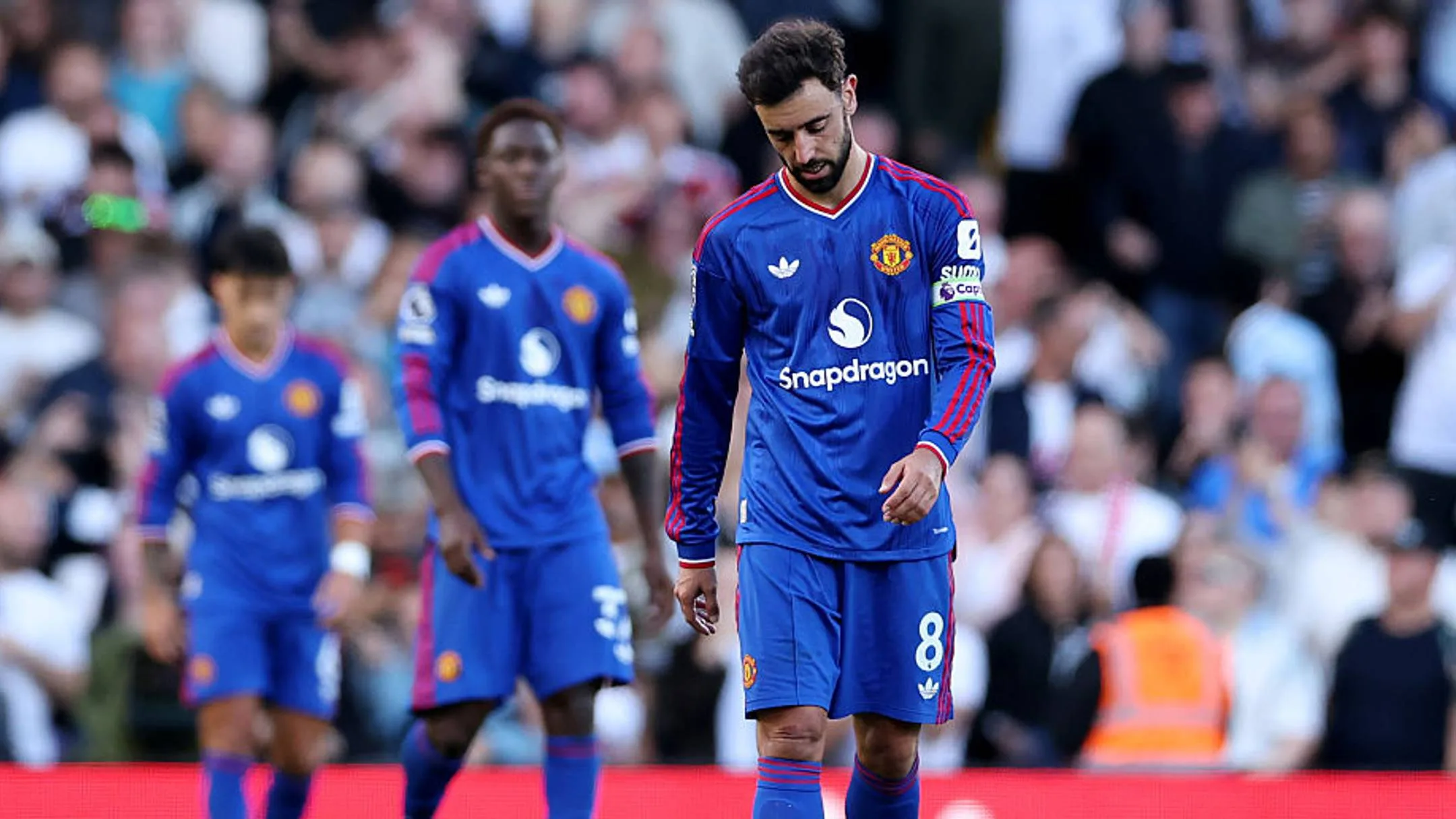
Manchester United have not got the opening to 2026-27 they would have wanted after last season’s strong finish, when Michael Carrick’s side collected 39 points from a possible 51 across their final 17 league matches. Instead, five points from five games have left them matching their lowest Premier League-era return at this stage of a campaign.
The early results have been uneven. Hull City struck twice from set pieces on opening day, Ipswich Town were beaten in a high-scoring game, Everton later rescued a point late on, Manchester City won through a refereeing and VAR error that has since been acknowledged, and Fulham exposed United during a slow opening 70 minutes. Even so, the underlying figures suggest the team are still reaching useful areas: no side has more touches in the opposition box than United’s 182, while they have allowed the fewest touches in their own box at 92.
That is why Carrick does not appear alarmed. The numbers point to adjustment rather than upheaval, although the results have yet to settle into consistency.
This is not the first time United have been here. Their previous five-point start came in 2014-15, when Louis van Gaal arrived after David Moyes’ brief spell ended and expectations rose around a new era. The club had reinforced heavily with Ander Herrera, Luke Shaw, Ángel Di María, Marcos Rojo, Daley Blind and Radamel Falcao, but the early weeks were slow. A home loss to Swansea City, away draws with Sunderland and Burnley, and a shock Carabao Cup exit to MK Dons set the tone.
United did recover. Di María inspired a first league win against Queens Park Rangers, before an extraordinary collapse against Leicester City ended in a 5-3 defeat after the team had led 3-1. Van Gaal’s side later pieced together two separate runs of six straight league wins and finished fourth, though they never properly threatened the title.
The broader record shows that a low total after five games is not always decisive. United have often recovered, even from modest starts, and only one perfect five-from-five return has been achieved across 35 Premier League seasons. The opening month matters, but it rarely tells the full story.
Analytics & Stats
Premier League Matchday 5: every side judged before the international break
A full Premier League Matchday 5 review before the season’s first international break arrived.
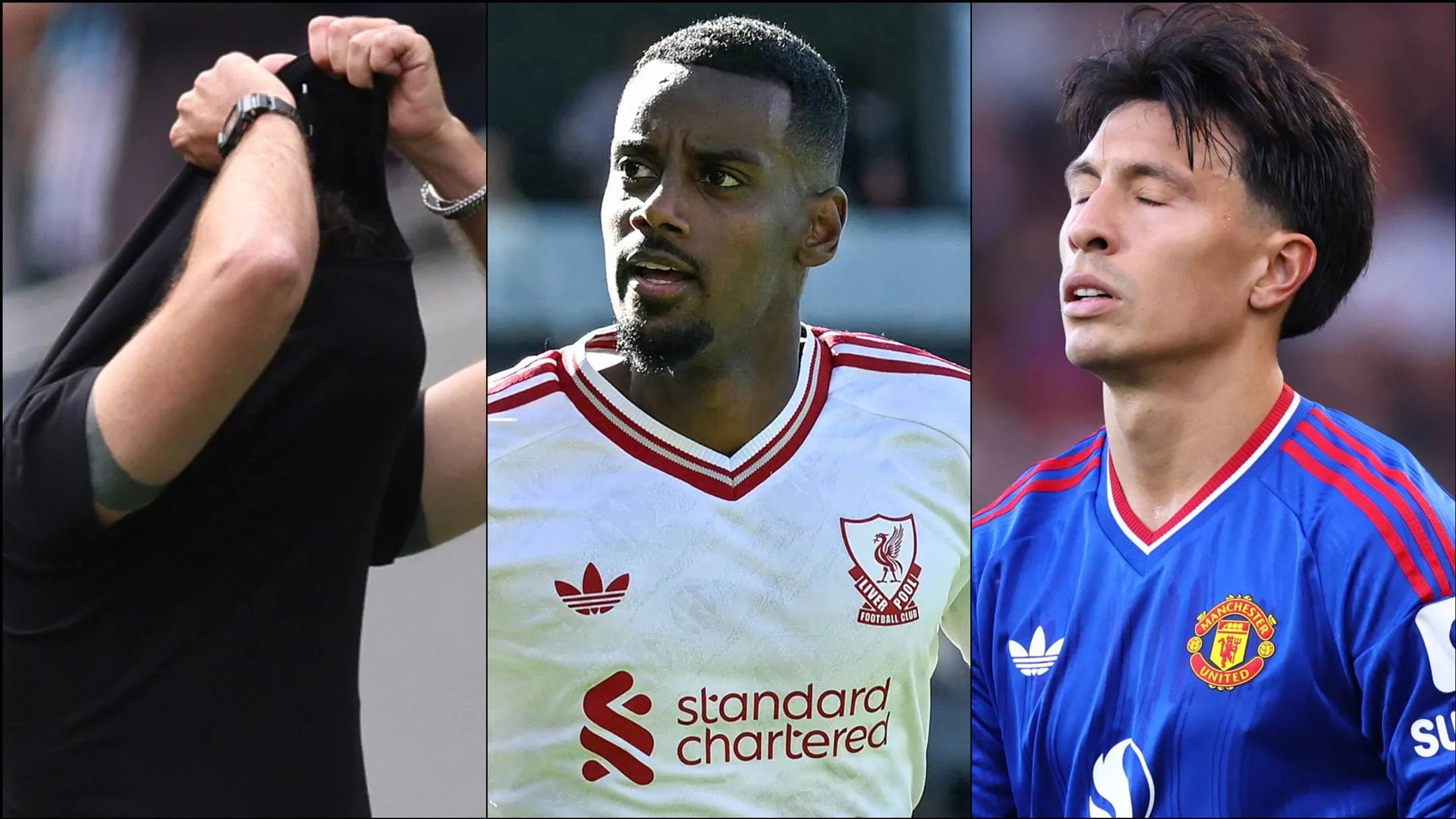
The first international pause of the season arrived with a final round that felt, in every sense, like a term-end review. Before attention turns away from the Premier League for three weeks, there was one more set of performances to assess.
Arsenal were out of the contest almost immediately. After just 18 seconds, they were forced back into their own corner from the opening throw-in and never recovered. The 3-0 defeat was made to look even heavier by Brighton’s two fine long-range efforts, but the visitors were second best throughout. It was the sort of loss that invites awkward questions.
Nottingham Forest could not settle the nerves at the City Ground. Oliver Glasner admitted that the “entire City Ground was nervous” and his side did little to calm the atmosphere in a stubborn game against Coventry. The manager was left “frustrated” and “disappointed,” emotions echoed in the stands once the tension took hold.
Tottenham continue to frustrate, only in a different way. Roberto De Zerbi sounded exhausted by another 3-2 defeat, insisting, “These players, they don’t need to play better,” before adding that what Spurs require is more “blood” and “fight.”
Chelsea’s defeat at Brentford followed a more gradual collapse. There was little obviously wrong in the opening hour, and Xabi Alonso had wanted his side to be more “boring,” but the match quickly slipped away. Ipswich, meanwhile, stayed alive despite conceding early and finishing with 10 men at Everton, where Gary O’Neil said, “The only disappointment is the result.”
Leeds had a clear chance through Dominic Calvert-Lewin, but the fresh England call-up could not convert. At the other end, James Trafford was busier than Walter Benítez in a game that ended in another encouraging clean sheet for Pierre Sage’s side.
Manchester United’s trip to Fulham brought fierce criticism, with Gary Neville saying, “I’ve watched Manchester United since the age of 5,” and that the second half’s opening 15 minutes were “the worst 15 minutes I’ve ever seen.” Fulham settled for a “frustrating” 1-1 draw, while Calvin Bassey called it “a game of luck, we both had it on our side.”
Elsewhere, Everton’s win was functional rather than elegant, Aston Villa needed a lift and got one, Bournemouth were left empty-handed, Sunderland earned admiration despite defeat at the Etihad, Newcastle held on after a nervy finish, Liverpool were second best for long spells, and Manchester City’s chaotic game left Enzo Maresca saying, “Too many goals,” before admitting, “I’m always concerned, always trying to see what we can do better.” Coventry’s long wait for a Premier League win finally ended, and Frank Lampard had every reason to enjoy it.