Sunderland
Sunderland’s Premier League return: promotion joy, summer departures and a probing pre-season
Sunderland return to Premier League after promotion, but summer departures and pre-season worry fans

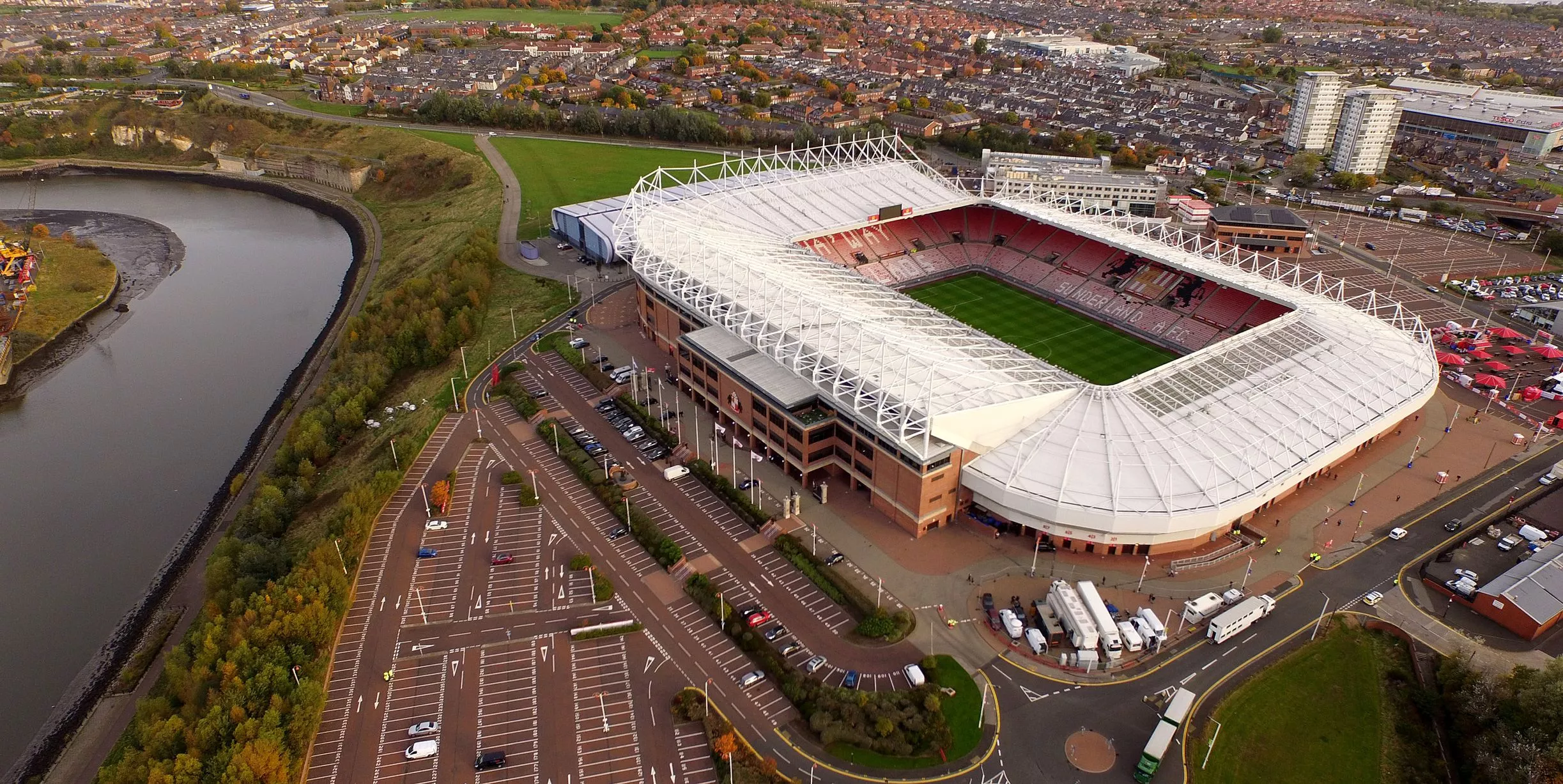
Stadium of Light will once again host Premier League matches after Sunderland completed a long return to the top flight. The club’s fall and recovery were chronicled in the Netflix documentary Sunderland ‘Til I Die, and the promotion marks the end of a difficult journey that included back-to-back relegations in 2017 and 2018.
The summer was a reminder of football’s realities. Tom Watson, the player who scored the goal that secured promotion, had already been sold to Brighton for $11.4M. His name will always be celebrated (at least until he scores against them, then the scales are even). Jobe Bellingham left for Borussia Dortmund only days after the promotion party. Those departures brought tangible benefit: $53M was funnelled into the club’s coffers to help offset the investment required for the step up.
Sunderland have spent $123M on ten players, the highest outlay of the three promoted clubs. The recruitment appears purposeful, and the new arrivals create an exciting-looking group on paper, but the reality of Premier League competition demands immediate cohesion.
That is a concern. History in the last two Premier League seasons shows the three promoted sides have all gone down, and a similar fate remains a strong likelihood for the Black Cats unless performance improves. Pre-season results have not inspired confidence: two wins, a draw, and five losses. The quality of opposition was limited, but outcomes and numbers still matter. Sunderland scored seven goals in pre-season, four of those against a National League North side. At the back, the keeper and two new center-backs have to get their communication in order if the defensive spine is to function at the required level.
There are reasons for guarded optimism in the squad build, but urgent questions remain over chemistry and defensive organisation as the club prepares for the demands of the 2025/26 Premier League season.

Arsenal
One key issue facing each Premier League side after five matches
Five games in, the Premier League is already revealing title doubts, transition pains and early surprises.
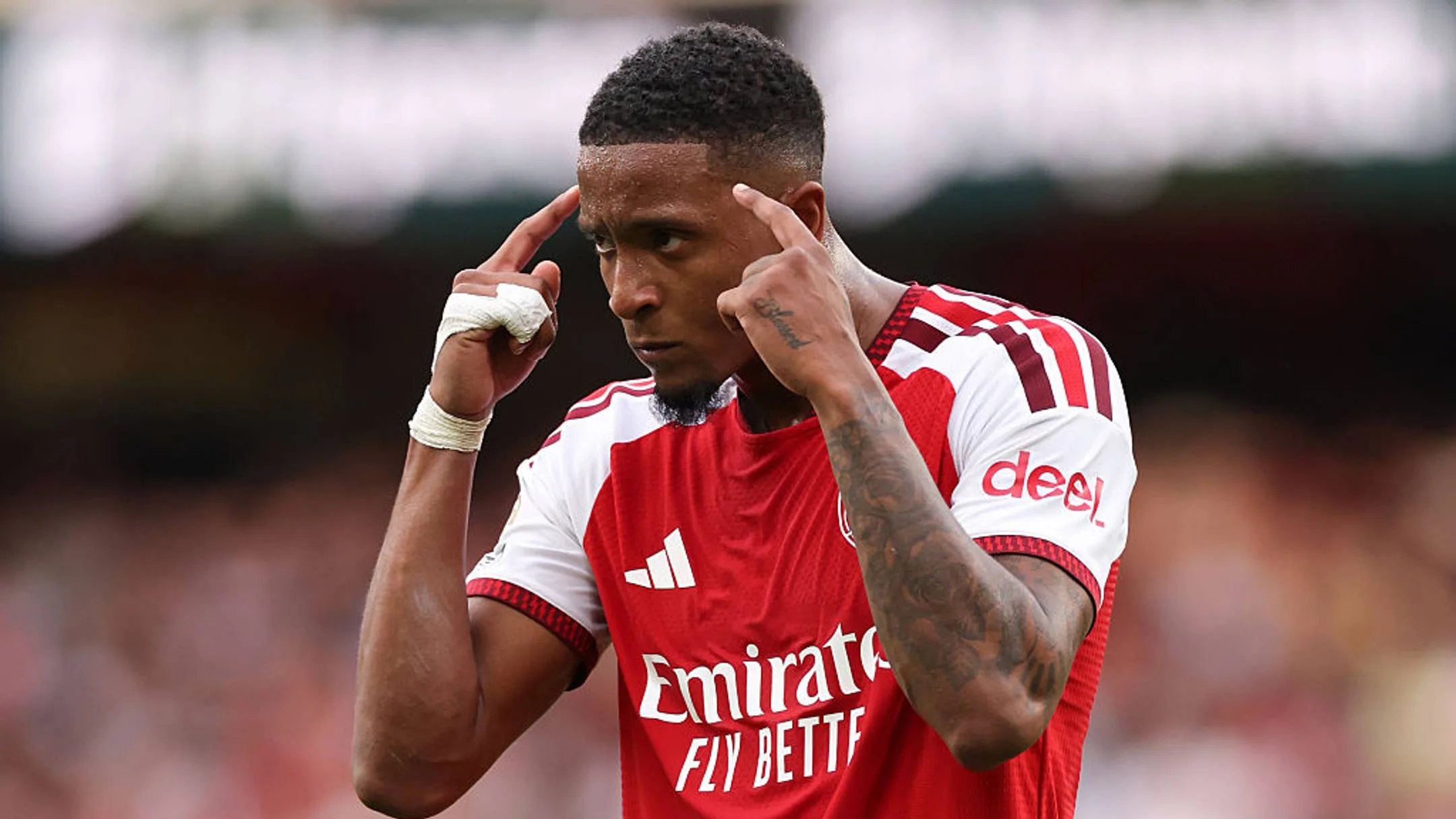
The first five matchdays of the 2026/27 Premier League season have already given shape to a campaign that promised uncertainty from the outset. With the table still settling and another international break leaving a long pause before Matchday 6, there is time to take stock of what has emerged so far.
Arsenal’s title defence has already met resistance after a heavy defeat to Brighton & Hove Albion. Before that trip, they looked close to untouchable, but the champions have not yet shown enough to pull clear of their rivals. Bruno Guimarães has added quality, though injury has delayed his rhythm, while Christos Tzolis has stepped in as a serviceable replacement for Leandro Trossard. Even so, Arsenal’s attack was found wanting in their toughest test to date, with concerns lingering over the goalscoring burden on Bukayo Saka and the lack of a set-piece breakthrough.
Aston Villa, meanwhile, are navigating a period of change after rebuilding their core in the summer. Their first league win of the season offered encouragement, with Johan Manzambi, Nicolas Jackson and João Gomes all making useful contributions. Bournemouth have begun slowly under Marco Rose, but there is little panic as they balance league form with European demands after an opening win at Real Sociedad. Brentford continue to look like a difficult assignment at home, built on physicality and a set-piece threat that has already caused problems for visiting sides.
Brighton’s pressing game has been a feature of the early weeks, while Chelsea’s start under Xabi Alonso has raised serious questions about their structure without the ball. Coventry City finally recorded a first Premier League win in more than 25 years, though goals remain a concern. Everton’s window left them thin on options, Fulham are showing signs of adjustment under Álvaro Arbeloa, and Hull City have been one of the early surprises, even if history offers a warning.
Elsewhere, Ipswich Town, Leeds United, Liverpool, Manchester City, Manchester United, Newcastle United, Nottingham Forest, Sunderland and Tottenham Hotspur all have distinct questions to answer as the season develops.
Arsenal
Premier League Clarification on Arsenal Penalty Does Little to Ease Arteta’s Frustration
Premier League clarity on Arsenal’s disputed penalty only deepens Mikel Arteta’s anger after Sunderland.
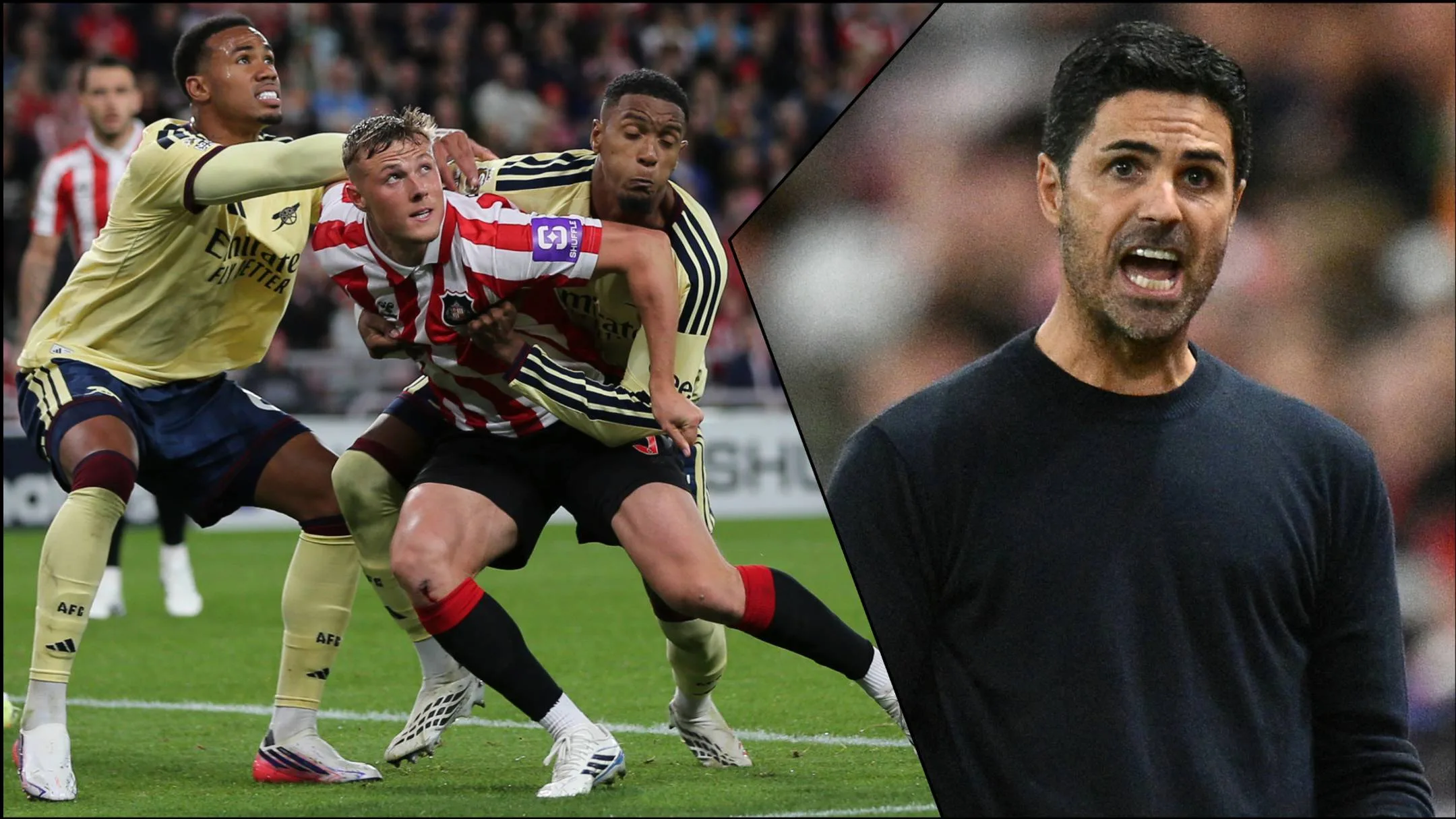
The Premier League’s attempt at openness after Arsenal’s disputed penalty against Sunderland has done little to settle the argument. Instead, the release of the referee dialogue has only deepened the sense that the episode remains unresolved.
During Saturday’s tightly contested match, which Arsenal won 2-0, the Premier League published the in-game conversation between John Brooks and Stuart Attwell. The decision was made after the penalty had already been awarded in real time, meaning Brooks did not go to the touchline to review the incident himself. Enzo Le Fée later missed the resulting spot kick.
At the centre of the debate is the grappling sequence involving Konsa and Ballard. Konsa appeared to have eyes on the incoming cross before Ballard tugged at his left arm and turned him around, the sort of movement Mikel Arteta described as a “judo roll”. Under the current emphasis on holding offences, referees are instructed to consider whether a player is looking toward the ball, among other factors.
Premier League guidance says holding offences are confrontations “that have clear material impact, and/or are non-footballing holding actions that have no place on the football pitch.” Officials are also asked to watch for players “holding an opponent with both arms” and for “sustained and/or impactful holding of an opponent or their clothing.”
Konsa was clearly holding Ballard’s shirt with both hands before he was taken to ground, which leaves room for the view that a foul had already been committed. Even so, the explanation offered by the Premier League has not satisfied Arteta or those who feel Arsenal were badly treated.
After the match, Arteta widened the issue beyond one incident. “We had to overcome a really tough opponent in a difficult place,” Arsenal’s manager seethed postgame. “Sunderland can suffocate you and they decided to be really physical and very direct and we also had to overcome a situation that, in my opinion was unacceptable at this level.”
Aston Villa
Premier League Gameweek 4 predictions: derby day heads the weekend card
A full set of Gameweek 4 score predictions, including the Manchester derby and Arsenal’s trip.
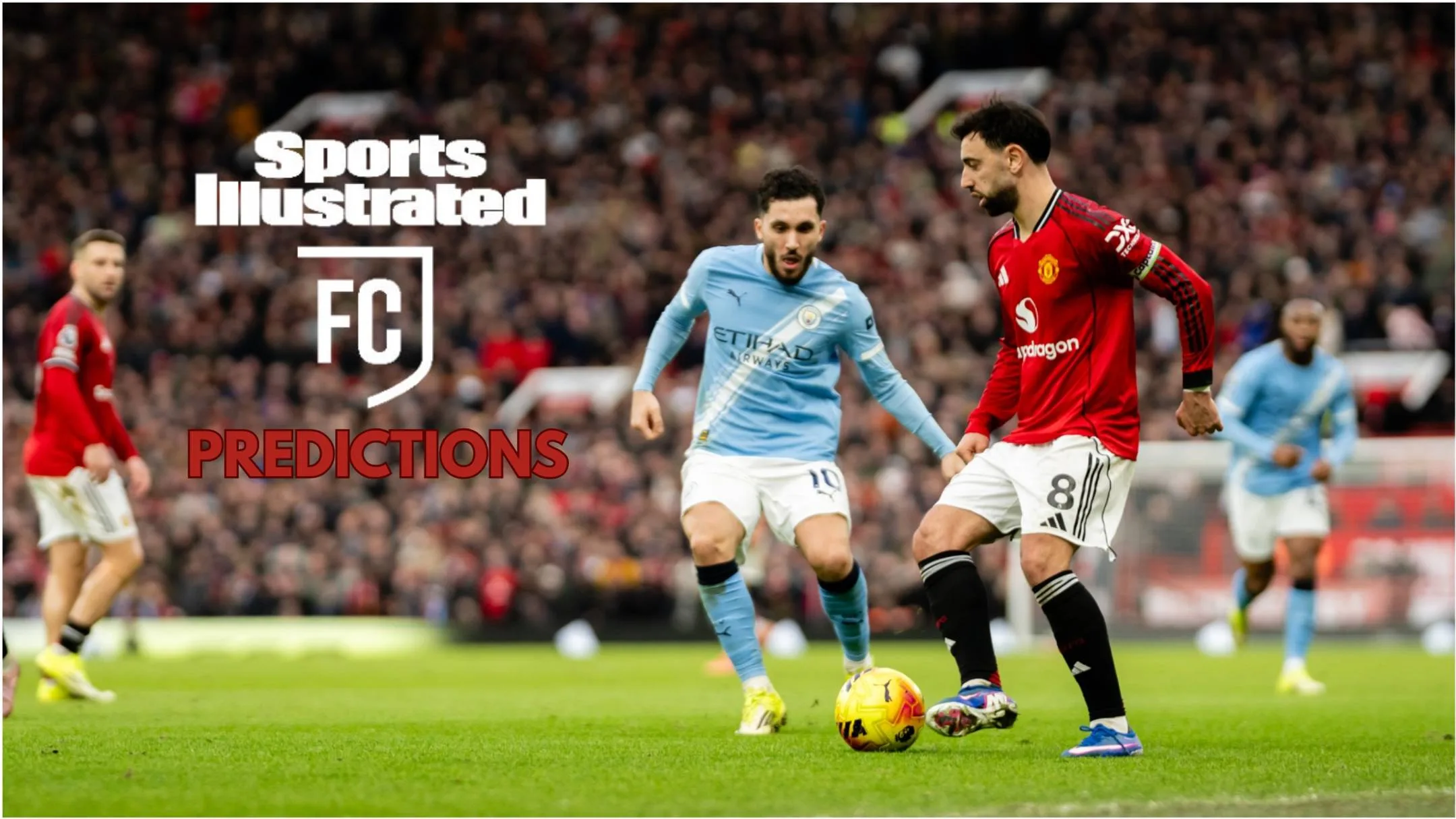
The first midweek stretch of the season has already brought Champions League and Carabao Cup action, and the Premier League schedule now tightens again around Gameweek 4.
Sunday’s Manchester derby is the clear centrepiece, but there is plenty elsewhere to weigh up, from Chelsea and Liverpool enjoying home advantage to Arsenal facing a testing trip away from home.
Here is a revised look at how the weekend may unfold, based strictly on the evidence from recent form, results and context in the draft.
Aston Villa are tipped to edge Nottingham Forest 2-1, with both sides still searching for their first league win and Villa Park likely to favour the home team. Bournemouth and Brentford could cancel each other out in a 1-1 draw, while Chelsea are expected to make short work of Hull and win 3-0 as their attack meets a defence that has impressed but may not be able to sustain that level.
Crystal Palace are backed to beat Ipswich 2-1 after a timely lift in form, and Liverpool are forecast to defeat Fulham 3-1, with the hosts carrying momentum into the fixture. Tottenham and Everton look set for a 1-1 draw, a result that would fit the recent frustrations around Spurs and the unbeaten start made by the visitors.
Arsenal are predicted to keep their perfect start going with a narrow 1-0 win at Sunderland, while Brighton are expected to leave Coventry with a 3-1 victory. The weekend’s biggest game, Man Utd against Man City, is called as another 1-1 draw, reflecting uncertainty on both sides despite City’s winning run.
Monday closes with Leeds against Newcastle, a meeting that could finish 2-2 after both clubs have shown enough going forward to suggest another open contest.