
International
AFCON 2025 Preview: Nigeria, Algeria, Egypt and Senegal Head the Betting
AFCON 2025 begins Dec. 21 in Morocco; Nigeria, Algeria, Egypt and Senegal lead the favorites. Watch.

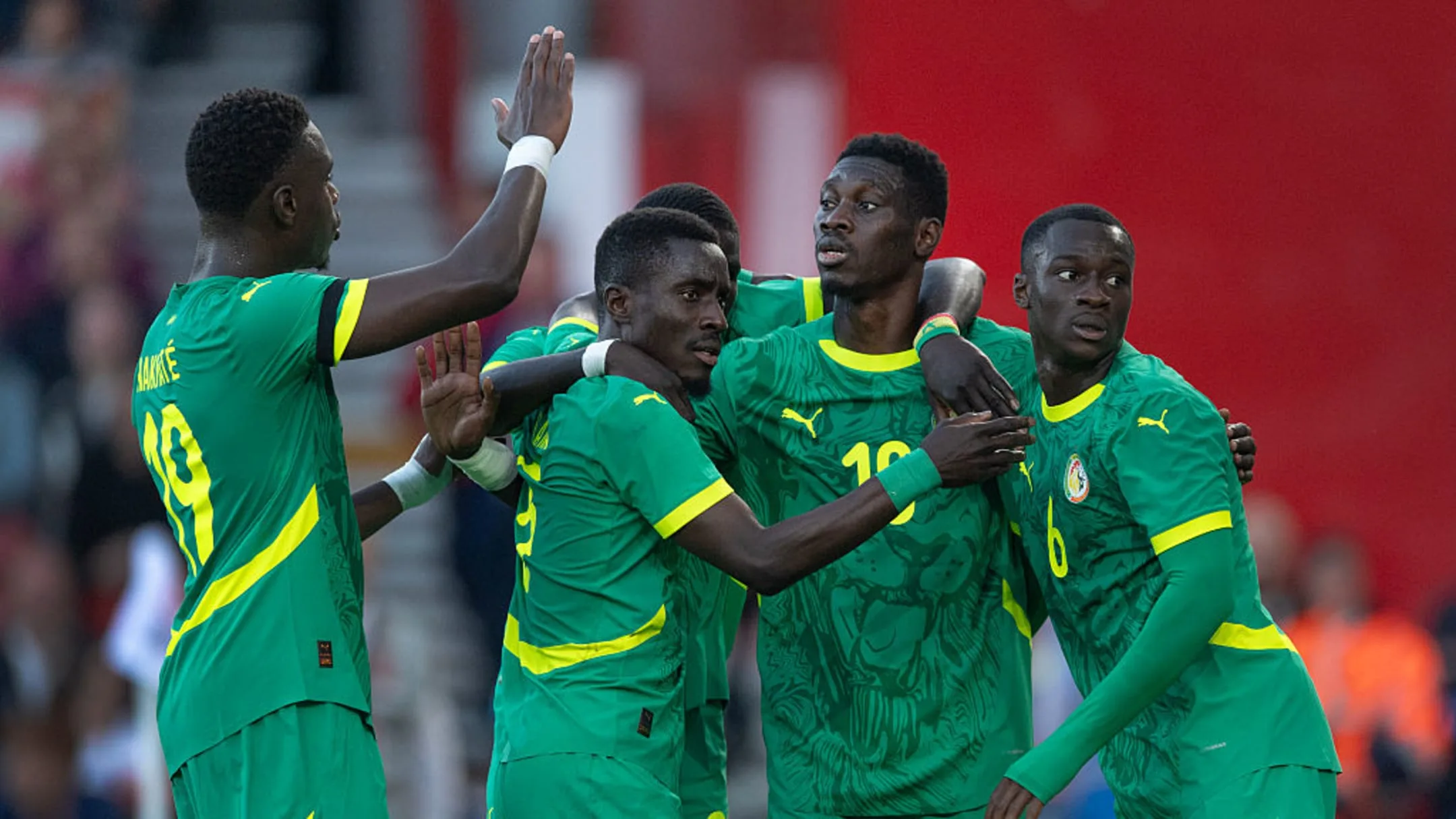
The 2025 Africa Cup of Nations opens on Dec. 21 in Morocco, with 24 nations contesting the continent’s premier international prize. Seven different winners since 2010 underline how open the competition remains and why identifying a single favourite before kick-off is difficult.
Nigeria arrive as one of the most talked-about attacking teams. With Victor Osimhen, Ademola Lookman, Alex Iwobi and Samuel Chukwueze, the Super Eagles possess game-changing forwards and a vibrant offensive profile. Éric Chelle’s side can rely on a strong supporting cast in midfield, but defensive concerns persist. Fulham’s Calvin Bassey and Porto’s Zaidu Sanusi are the clearest options at the back, while a rearguard that includes three English Championship defenders will be tested. Stanley Nwabali is not viewed as an elite goalkeeper and Nigeria’s failure to qualify for the 2026 FIFA World Cup adds pressure and incentive for redemption.
Algeria retain status among the contenders despite inconsistent recent tournaments. The 2019 champions failed to progress from the group stage in both 2021 and 2023 and have not won a match at three of the last four editions. Riyad Mahrez remains the squad’s creative fulcrum; the 34-year-old has slowed since leaving Manchester City for Al Ahli but still offers quality. Wolfsburg’s Mohamed Amoura led CAF World Cup qualifying with ten goals and averages a goal every two international appearances. Rayan Aït-Nouri and Ramy Bensebaini anchor an unspectacular defence, but Vladimir Petković brings experienced coaching that could carry Algeria deep into the event.
Egypt depend heavily on Mohamed Salah, who will aim to deliver the country’s first title since 2010. Egypt were beaten finalists in 2017 and lost to Senegal on penalties in 2021, experiences that will motivate Hossam Hassan’s side. Omar Marmoush has shared attacking duties and the squad benefits from cohesion: eight players represent Al Ahly and a further nine play for Pyramids or Zamalek.
Senegal arrive as recent winners and remain a potent force. Pape Thiaw has helped revive the Lions of Teranga after a disappointing 2023. Senegal went unbeaten in 2026 World Cup qualifying and secured a place in a group with France and Norway. A summer 3–1 victory over England at Wembley and a competitive defeat to Brazil in November signalled form. Twenty of the 27-man roster play in Europe’s top five leagues; Kalidou Koulibaly, Édouard Mendy and Sadio Mané provide experience despite moves to the Saudi Pro League. Iliman Ndiaye, Ismaïla Sarr and Nicolas Jackson lead the attack while Idrissa Gueye and Pape Matar Sarr offer midfield balance. These four nations are obvious candidates, but the tournament’s history suggests surprises remain possible.




Arsenal
How Ayyoub Bouaddi’s World Cup Showing Has Put Him on Arsenal’s Summer Radar
Arsenal in dialogue with Bouaddi’s representatives after his World Cup display; Lille value at $80.5m.
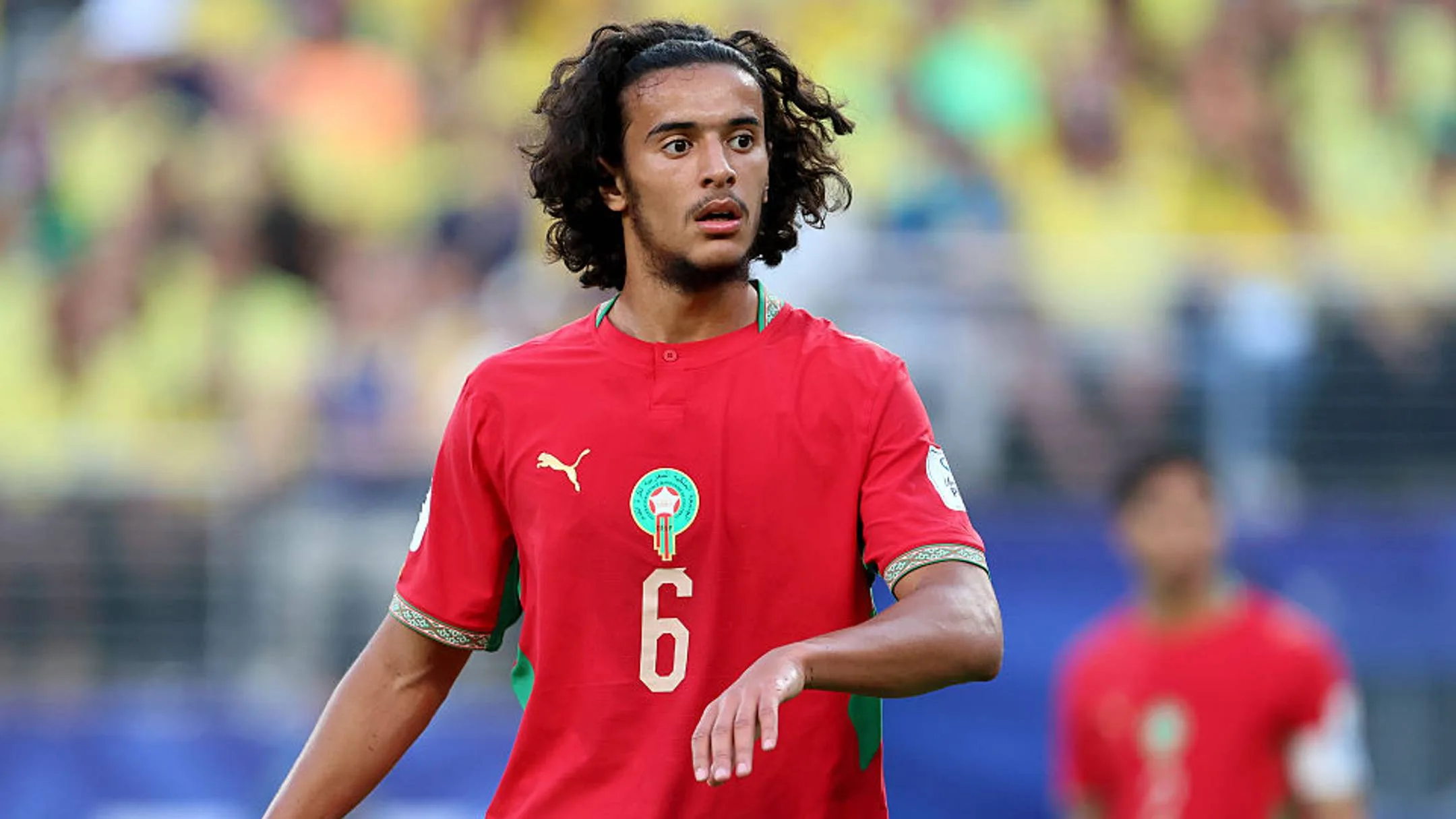
Arsenal have opened preliminary contact over Ayyoub Bouaddi after the 18-year-old midfielder’s emergence on the international stage. Bouaddi, who plays for Lille in Ligue 1, joined the club as a young teenager and made his senior debut in 2023, three days after turning 16.
Although born in northern France, Bouaddi switched allegiance to Morocco less than a month before starting Saturday’s 1–1 draw against Brazil to kick off the team’s World Cup campaign. In that match he covered ground across the pitch, hardly misplaced a pass and routinely won possession back, drawing attention to his technical poise and energy.
The Times writes that Arsenal are in contact with the player’s representatives, the preliminary stage of any transfer process to gauge interest from the prospective target. No talks have yet begun between the Premier League champions and Lille, who are thought to value Bouaddi at $80.5 million (£60 million). That is a sum in the same ballpark as the fee that brought Martín Zubimendi to London last July.
Arsenal’s recruitment pattern this summer has leaned toward raw, developing talent. The club has already been linked to other teenage prospects, with 16-year-old Leicester City winger Jeremy Monga considered the “priority” target for the summer—although Brentford appear to hold an advantage in the battle for his signature.
Competition for Bouaddi is reported to come from Real Madrid, Paris Saint-Germain and Chelsea. Given his rapid rise through Lille’s ranks and the visibility of his World Cup performances, it is clear why he is attracting interest from multiple big clubs. For Arsenal, the move would fit a broader strategy of investing in young players with high ceilings, even when valuations demand significant outlay.
International
Diomande’s World Cup Debut Underlines Liverpool’s Interest
Yan Diomande starred for Côte d’Ivoire, producing pace, dribbles and chances in World Cup debut. ’26
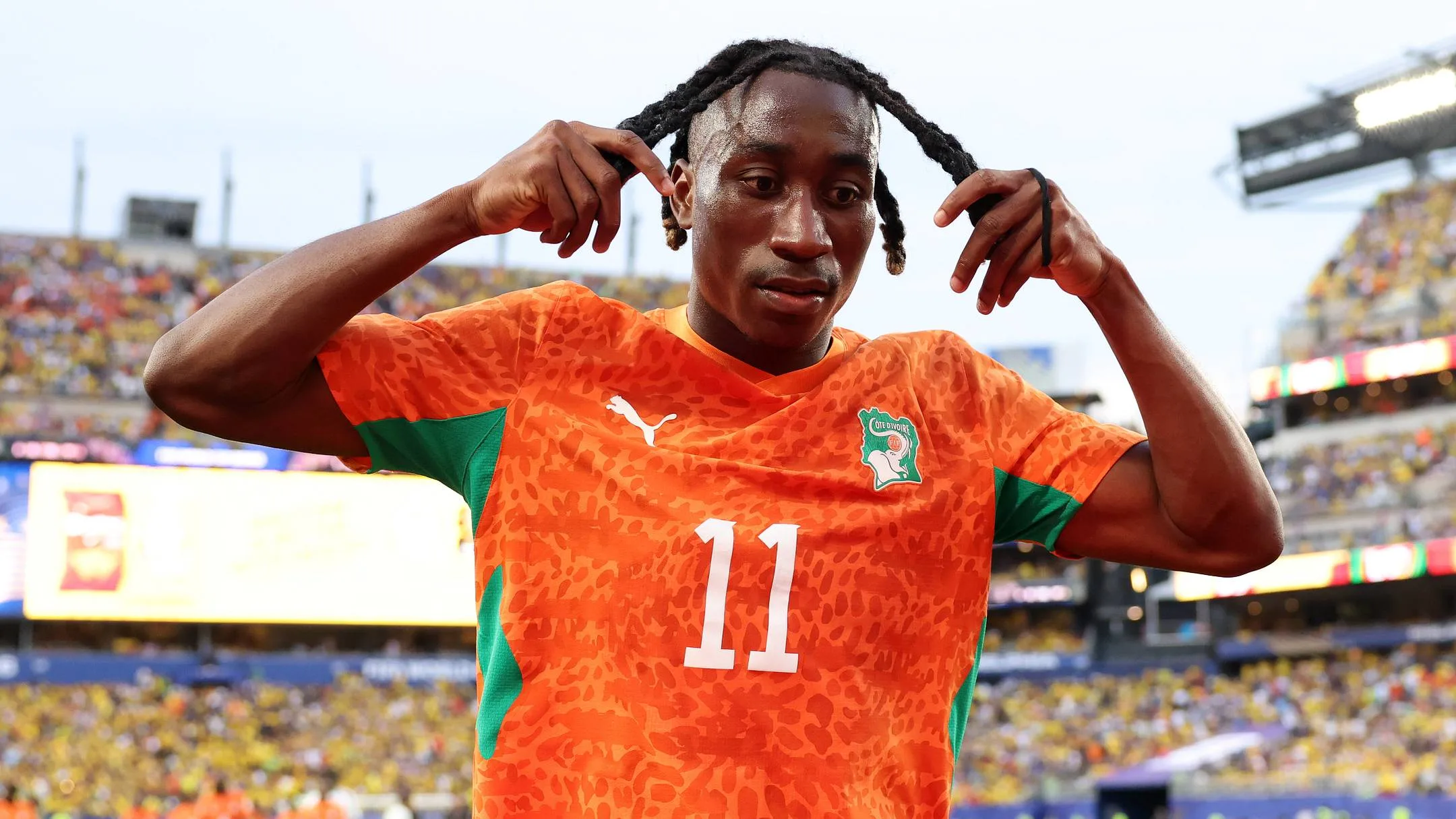
Yan Diomande produced a standout display as Côte d’Ivoire opened their World Cup campaign with a 1–0 win over Ecuador. The 19-year-old winger, a target for Liverpool, provided a sustained reminder of why RB Leipzig will reportedly demand a fee in excess of $100 million.
From kickoff Diomande was the focal point of the Ivorian attack. He repeatedly beat Arsenal defender Piero Hincapié with bursts of acceleration and direct dribbling, creating multiple clear openings inside the first 20 minutes. A cut inside from the right supplied Elye Wahi with a close-range chance that Hernán Galindez comfortably collected, while a later byline run produced a cut-back that was blocked.
Diomande’s most dangerous first-half contribution arrived in the 37th minute when he evaded Hincapié and supplied a precise pass to Nicolas Pépé near the penalty spot. Alan Franco blocked Pépé’s eventual attempt, denying what was the clearest Ivorian chance of the opening 45 minutes. At halftime Diomande had created three chances, completed two of four dribbles and contributed four defensive actions.
He continued to dictate play after the break. In the 51st minute a run down the right led to a delivery toward Wahi that struck the crossbar. After Manchester United’s Amad Diallo entered in the 56th minute, Diomande switched to the left and forced another opportunity, beating two defenders before sending a shot over the crossbar.
Ecuador adjusted, and the teenager found himself double-marked in the final 20 minutes. His influence dipped in that period, but he still produced the match’s final dangerous action by powering away from Joel Ordóñez and Kevin Rodríguez before feeding Pépé. Diallo’s 90th-minute finish ultimately decided the match, but Diomande was widely the game’s standout player despite not registering a direct goal or assist.
Match statistics
Goals: 0
Assists: 0
xG + xA: 0.55
Accurate passes: 41/51 (80%)
Chances created: 5
Successful dribbles: 4/6 (67%)
Shots: 2
Duels won: 11/15 (73%)
Defensive contributions: 7
International
After Arne Slot’s Exit, Salah’s Liverpool Return Looks Remote
Salah appears set to leave Liverpool despite retained-list inclusion and teammates’ hopeful remarks.
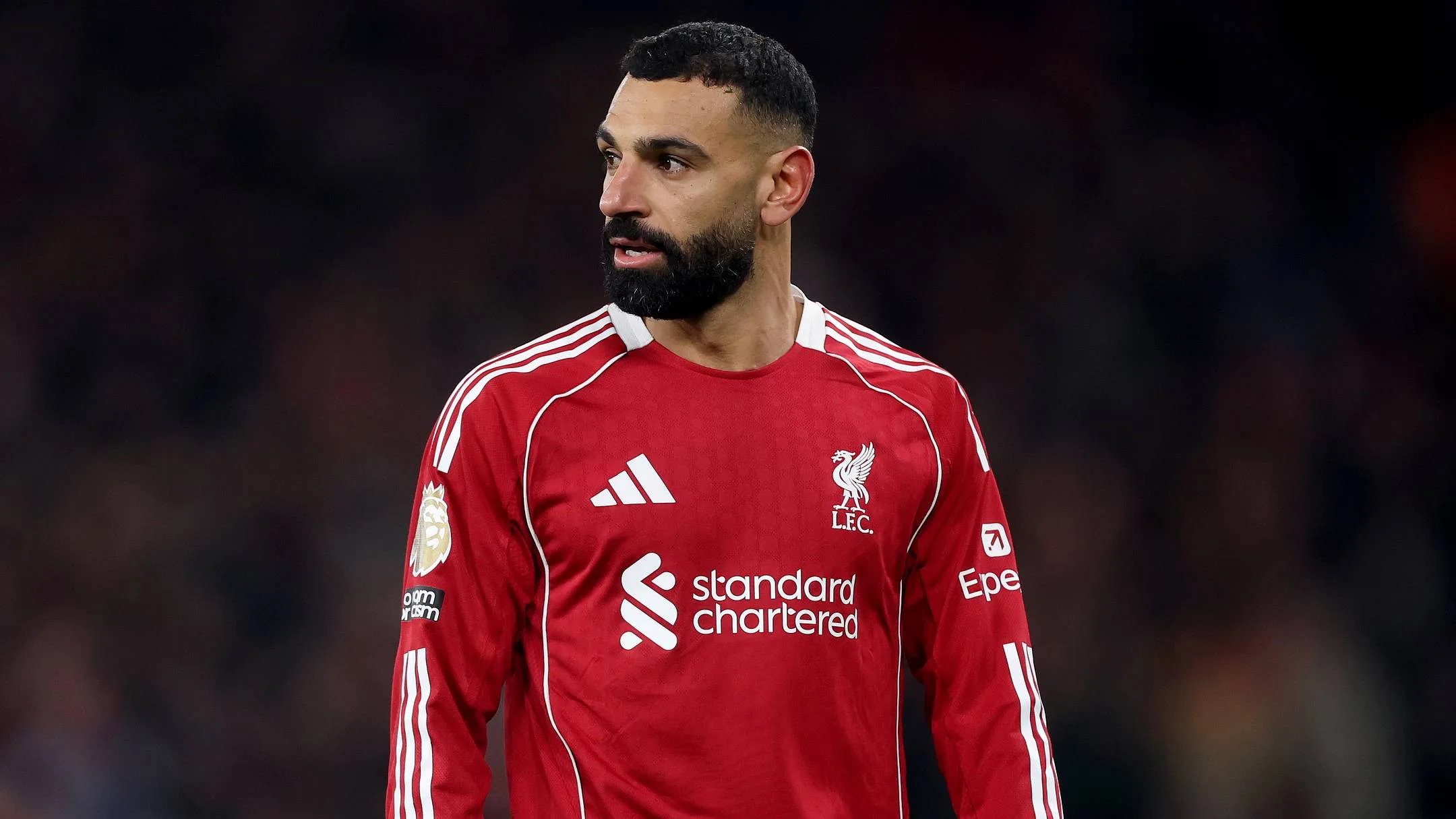
Arne Slot admitted he had no issues being viewed as the “bad guy” responsible for Mohamed Salah’s departure from Liverpool this summer. With Slot no longer patrolling the Anfield touchline, speculation has shifted but concrete signs of a reversal remain limited.
Salah is focused on the World Cup with Egypt, yet an international teammate has suggested a possible change of heart. “The prospect of leaving Liverpool has affected Mo psychologically, but the situation might change and he could still stay with the team,” goalkeeper Ahmed El Shenawy insisted to ON Time Sports. “He even told me that he doesn’t know anything about his future yet.”
Liverpool recently named Salah on their retained list, submitted to the Premier League at the end of every season to confirm which players will depart on free transfers at the end of June. Legally, the process of his departure is underway. There is precedent for late reversals: in the summer of 2024 Millwall re-signed veteran defender Shaun Hutchinson less than three weeks after his contract was allowed to expire.
Nonetheless, multiple reports indicate there is little chance of the Egyptian staying with the Reds. Salah’s agent, Ramy Abbas Issa, took to social media to downplay El Shenawy’s comments and to suggest the goalkeeper did not have full detail of negotiations. “Mohamed is doing perfectly fine and neither he nor I prefer to discuss sensitive future plans with people not involved in them,” he wrote. “Both he and I are very private about these things. Yes, people may ask and they may get a standard polite response but that’s about it.”
There is nothing in law preventing Salah from returning to Liverpool, but both parties are understood to have drawn a line under his nine years as a Red and there are currently no suggestions that he could continue beyond this summer. For years a move to the Saudi Pro League has appeared most likely; Salah admitted he came close to making that move before signing a new contract last summer. Interest in Saudi Arabia is believed to remain, while clubs in Major League Soccer and some in Europe are also thought to be options.

Rashford’s return plan and five realistic suitors for his $52.9m release clause

Liverpool’s €40m Move for Víctor Muñoz: Pace, Dribbling and Positional Versatility

Mac Allister’s Camp Rebuffs Madrid Talk but Keeps Door Ajar After World Cup


-
 Chelsea2 months ago
If Xabi Alonso Took Charge at Chelsea: Formation, Principles and a Projected XI
-
 Arsenal2 months ago
Five leading contenders for 2025/26 Premier League Player of the Season
-
 Championship2 months ago
The Fall of Leicester: How Financial Choices, Recruitment and Instability Led to League One