Football Development
JJ Gabriel pressing for a Manchester United debut after explosive U18 season
JJ Gabriel, 15, has 20 goals for United U18s and is pressing for a first-team debut this season.

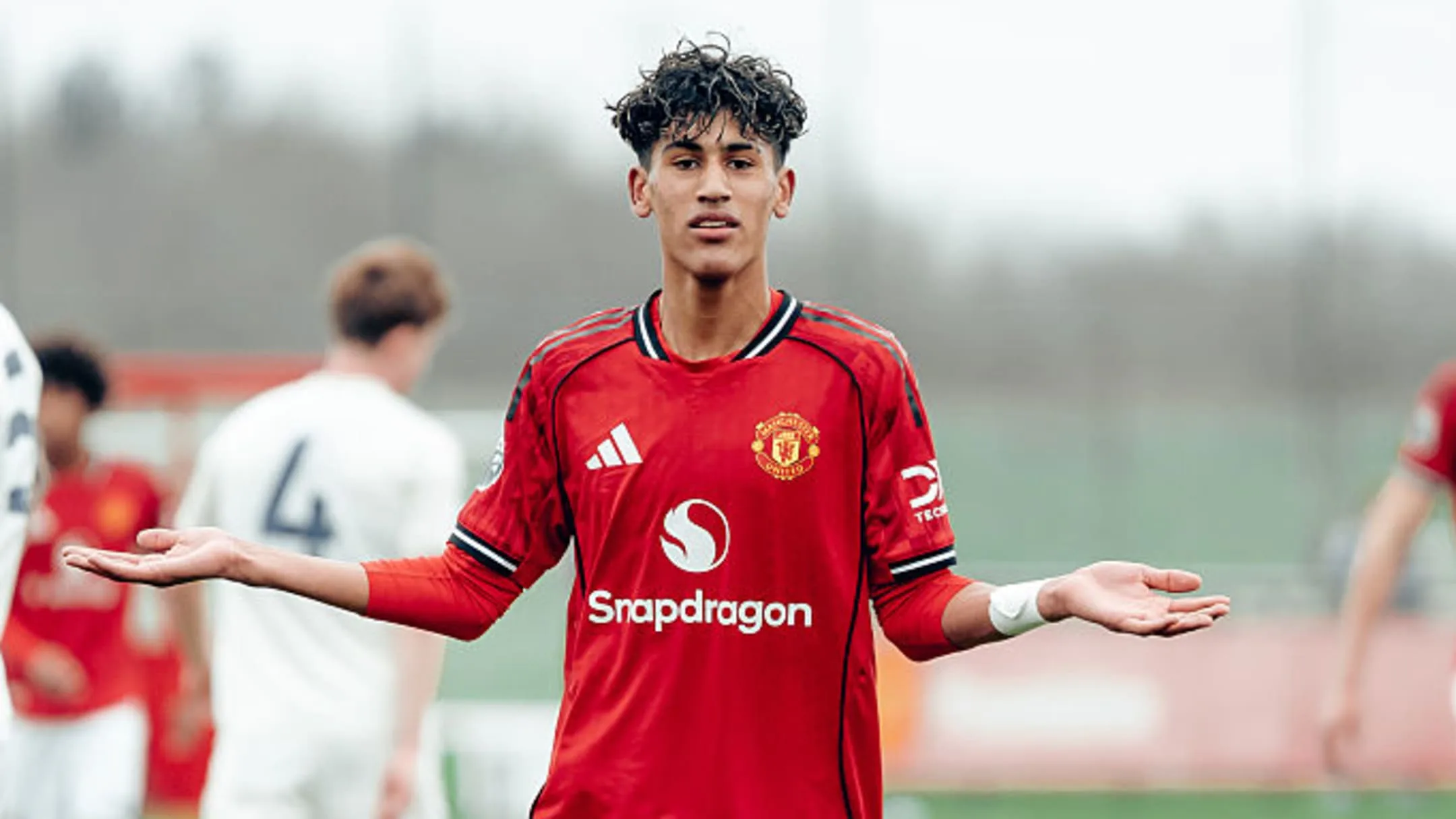
Fifteen-year-old JJ Gabriel has emerged as the outstanding figure in Manchester United’s U18 side and is making a sustained case for first-team consideration.
Gabriel first caught attention as a 14-year-old when he scored twice on his U18 Premier League debut in a 13–1 win over Leeds United last April. Now 15, he waited until the 2025/26 season for his first U18 start but has since produced a remarkable return: 18 goals in 19 league appearances from a No. 10 role and a further two in three FA Youth Cup matches.
His form has come in waves of dominance. A hat-trick in a 7–0 win over Liverpool in late November began a run that saw United take nine victories from 10 U18 Premier League matches. From the start of February alone, Gabriel has scored eight times in five outings, each a United win.
The teenager’s goals on Saturday in a 5–2 victory over Nottingham Forest underlined his growing influence. He scored two spectacular strikes; the first was United’s second, a 20-yard right-footed effort that dipped and hit the net after beating two defenders. Four minutes later he collected a partially cleared corner, used strength and skill to evade an oncoming opponent, and rifled a powerful shot into the opposite top corner. Forest goalkeeper Ally Graham produced an outstanding earlier save that prevented what could have been a third goal.
Gabriel has been repeatedly asked to join first-team training this season but is yet to appear for United’s U21s. Few players bypass that age group entirely, even when their rise is rapid. The article recalls other early breakthroughs at senior level, noting Lamine Yamal, Ethan Nwaneri and Max Dowman’s appearances at 15 and the quicker progress made by the likes of Marcus Rashford, Kobbie Mainoo and Alejandro Garnacho at 18.
Historical context is instructive. The club’s youngest senior player remains David Gaskell, 16 years and 19 days, while Angel Gomes is the youngest Premier League-era debutant at 16 years and 263 days. If Gabriel plays for United before Oct. 30 this year, he would set a new record.




Football Development
Shirt Swaps in Soccer: Origins, Iconic Moments and the Culture of Collecting
Shirt swaps: soccer ritual from 1931 to World Cups, symbolising respect, memory private collections.
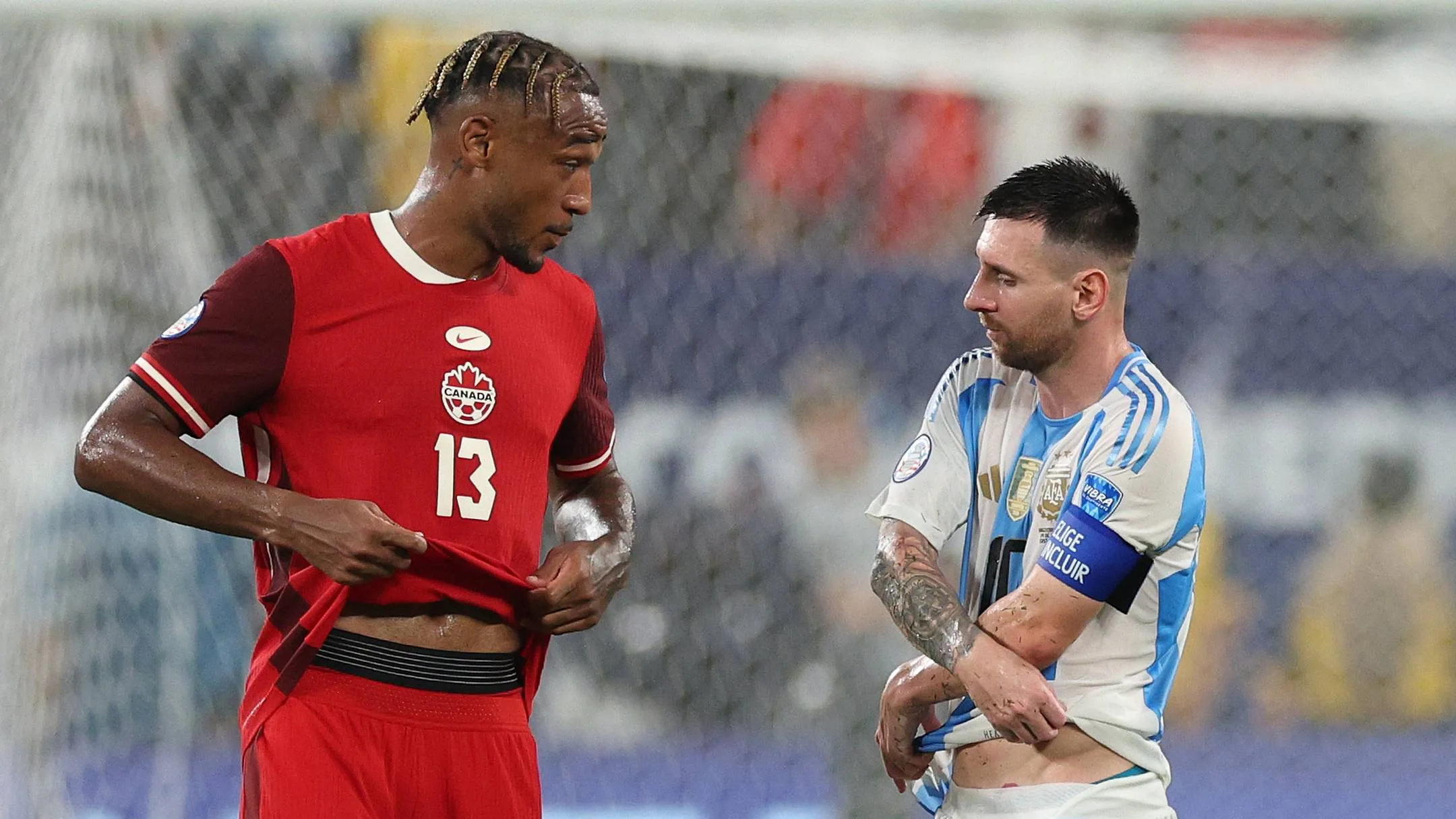
Jersey exchanges are one of soccer’s most visible acts of sportsmanship. Simple in form, they signify respect, admiration and a shared memory from a match. Players at every level trade shirts after games to mark special occasions, noteworthy performances or hard-fought battles.
The practice has deep roots. The first recorded jersey swap took place in 1931 after France stunned England 5–2, when French players asked to keep English shirts as keepsakes. The gesture reached the World Cup stage in 1954 in Switzerland and has since produced some of the sport’s most enduring images.
Historic examples include the 1970 exchange between Pelé and Bobby Moore after Brazil beat England 1–0, a moment that came to represent respect and class. The 1986 swap between Diego Maradona and Steve Hodge followed one of the tournament’s most famous matches; Hodge’s shirt later sold for a record $9.3 million at auction in 2022.
Modern tournaments continue to create memorable swaps. After France’s 2022 World Cup semifinal win over Morocco, Kylian Mbappé celebrated wearing the jersey of Achraf Hakimi. At the 2026 World Cup, Cabo Verde goalkeeper Vozinha swapped shirts with Lionel Messi after Argentina’s 3–2 win and said the moment would stay in his “heart forever.”
Collecting exchanged shirts is an established pursuit. Gerard Piqué has assembled a notable collection that includes jerseys from Messi, Andrea Pirlo and David Beckham. Messi maintains a large personal collection displayed at home, including shirts from Yaya Touré, Raúl, Youssef El-Arabi and Oscar Ustari. Paulo Dybala owns jerseys from Diogo Jota and Ronaldinho and once posted his collection online asking: “How many are there?”
The logistics behind swaps are practical. Players are normally issued more than one match shirt so exchanges are possible; clubs sometimes require players to cover the cost of replacement shirts. Premier League kit managers even coordinate via a WhatsApp group to manage requests between clubs before games.
Not every request is accepted. Cristiano Ronaldo once refused a shirt swap with Robin Gosens. “After the final whistle I went to him, but Ronaldo did not accept,” Gosens wrote in his autobiography Dreams Are Worthwhile. “I asked: ‘Cristiano, can I have your shirt?’. He didn’t even look at me, he just said: ‘No!’.
“I was completely ashamed. I went away and felt small. You know that moment when something embarrassing happens and you look around to see if anyone noticed it? That’s what I felt and tried to hide it.” Gosens later received a Ronaldo shirt from teammate Hans Hateboer.
Football Development
Guardiola to Join City Football Group in Advisory Capacity After Man City Exit
Guardiola will move into a City Football Group role, advising on development across multiple clubs. .
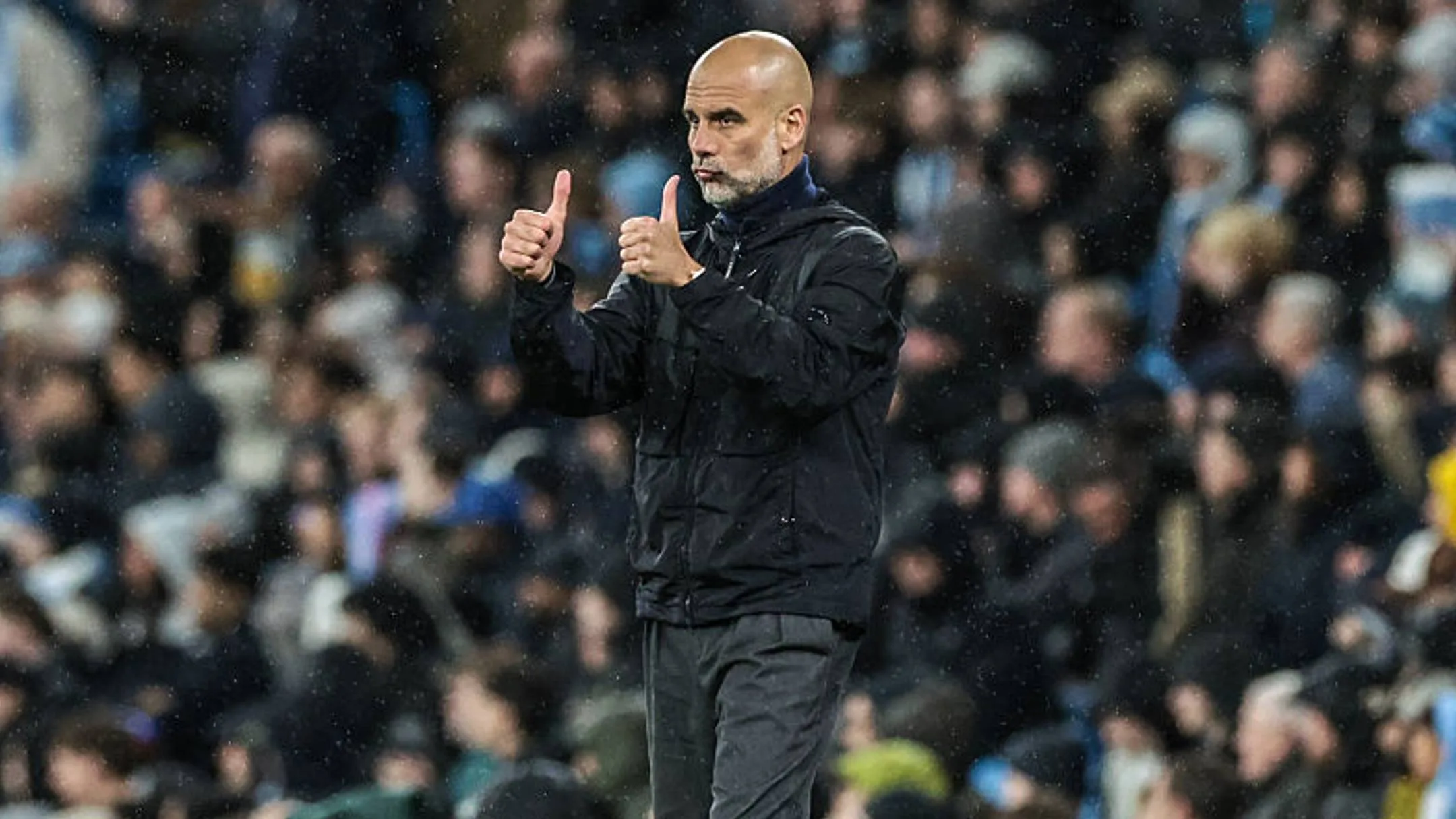
Pep Guardiola will move into an advisory role with the City Football Group after leaving Manchester City at the end of this season. City say he will be “working on specific projects and collaborations.”
The role is described as promoting and advancing the profile of the City Football Group and may also involve applying Guardiola’s knowledge to help processes across the network in Asia, North America and Europe. That work could include identifying, coaching and developing talent at CFG clubs, with the longer-term aim that standout players might eventually be considered for Manchester City. Savinho the biggest success story in that respect to date, having joined City from a fellow CFG club after being on loan with a third.
City Football Group is made up of 11 clubs spread around the world, a mix of wholly owned teams and those held as majority or minority stakes. Notable examples named by the club include New York City and Melbourne City, the first two acquisitions, and Girona, acquired via a 2017 joint-ownership venture with Pere Guardiola. Troyes was bought in 2020 and Palermo in 2022. The group has also held stakes in clubs such as Yokohama F. Marinos and Lommel, and Esporte Clube Bahia is listed among the stable. Mumbai City is noted as a former member, leaving the group in 2025 after six years.
Even with this confirmed CFG position, there is no suggestion Guardiola will stop managing for good. The 55-year-old is expected to take at least a short break from day-to-day duties. The club say he could remain involved with City Football Group if he returns to management, provided there are no conflicts of interest.
The move represents a transition from daily team management to a strategic, multi-club remit, keeping Guardiola connected to the wider organisation he helped build while leaving open the possibility of a future return to coaching.
Football Development
JJ Gabriel: Under-18 Player of the Season and the pathway to United’s first team
JJ Gabriel, 15, won the first Under-18 Premier League Player of the Season award for United. record.
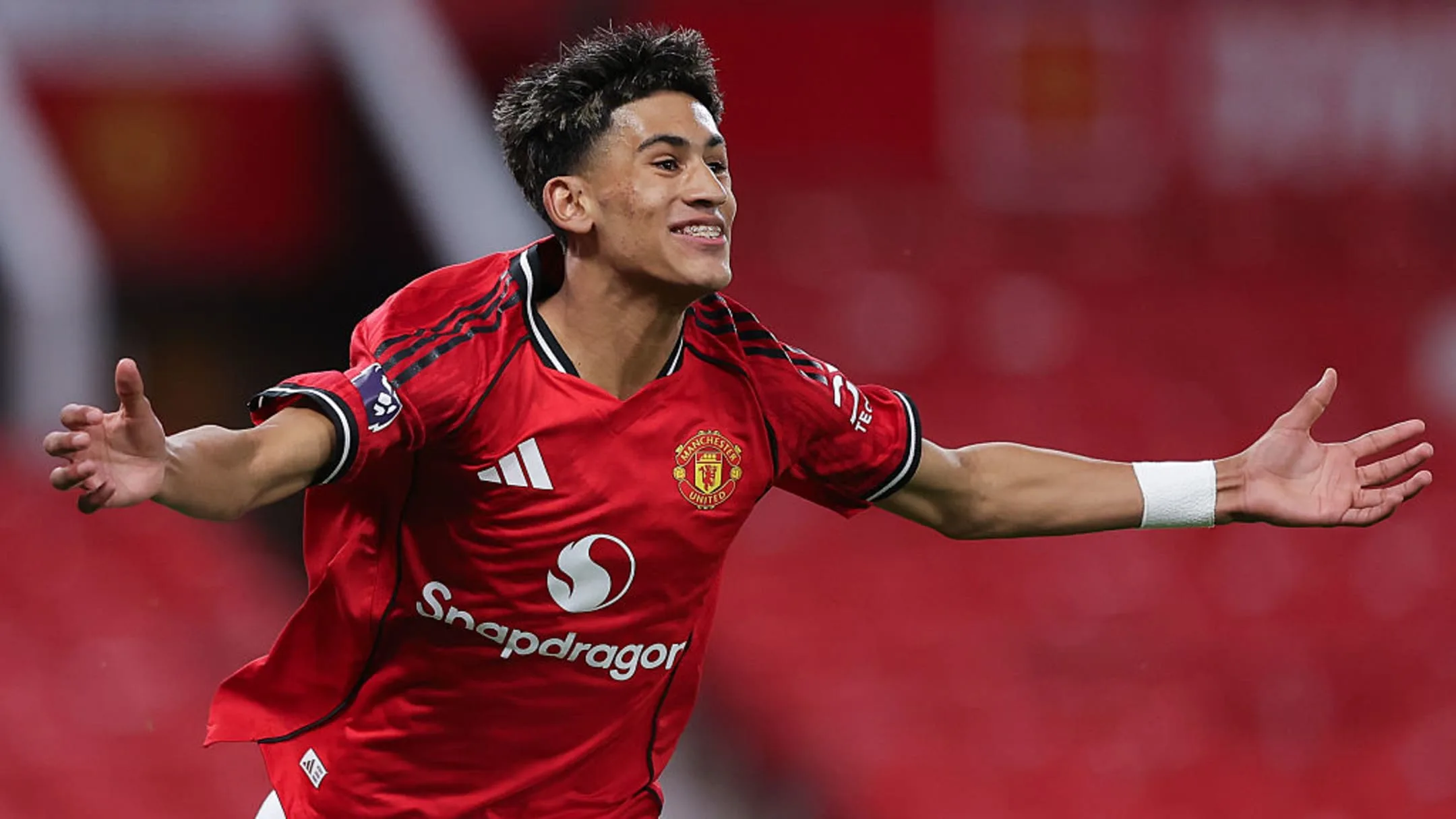
JJ Gabriel has been named the inaugural Under-18 Premier League Player of the Season after a breakthrough campaign at the age of 15. The award acknowledges performances that have already seen Gabriel training with Manchester United’s senior squad on multiple occasions this season.
Discussion about the immediate next steps has centred on the summer preseason tour, which will visit Finland, Norway, Sweden and Republic of Ireland. Additional safeguarding would be required because Gabriel will not turn 16 until October. Under-18s manager Darren Fletcher said the final call will rest with people higher up the club, but he made his position clear. “JJ’s more than capable [of going on preseason],” he said.
Fletcher added further context about managing young players around senior exposure. “We want him to go up there and thrive. We need to get him in the position to do that, and even if he doesn’t, that’s not the end of the world. We always need to be careful. They need to experience that, but it’s making sure it’s at the right time, and understanding why and what the needs are. Once you get thrown in, you’re judged very, very quickly, rightly or wrongly.”
Regulation means Gabriel cannot appear in Premier League fixtures during the same campaign in which he turned 15, which occurred in October. That restriction makes a competitive senior debut no earlier than next season. A first-team appearance on or before Oct. 24, 2026 would see Gabriel surpass the long-standing club record set by David Gaskell, who debuted aged 16 years and 19 days in 1956.
Other age-related milestones cited in context include Angel Gomes, who Premier League–debuted at 16 years and 263 days in 2017; Chido Obi, named in a Premier League starting XI last season at 17 years and 156 days; and Norman Whiteside, United’s youngest goalscorer at 17 years and eight days in 1982. All of those marks are described as attainable targets for Gabriel.
Beyond the statistics, Gabriel’s own remarks underline his outlook. “I’d say [the Academy] helped me mature a lot. They help me to be very humble and keep my feet on the ground,” he said. “I’ve got to say you’ve got to maintain working out on the training pitch every single day, giving it my all and working hard in the gym to stay fit and not get injured.” Fletcher’s praise for his attitude reinforces that the club sees both talent and temperament in the teenager.