Chelsea
Big-Money Moves and a Difficult Choice: Chelsea’s $290 Million Barcelona Bid and Liverpool’s Salah Question
Chelsea linked to a $290 million approach for Barcelona; Liverpool confronts a Salah dilemma. today.

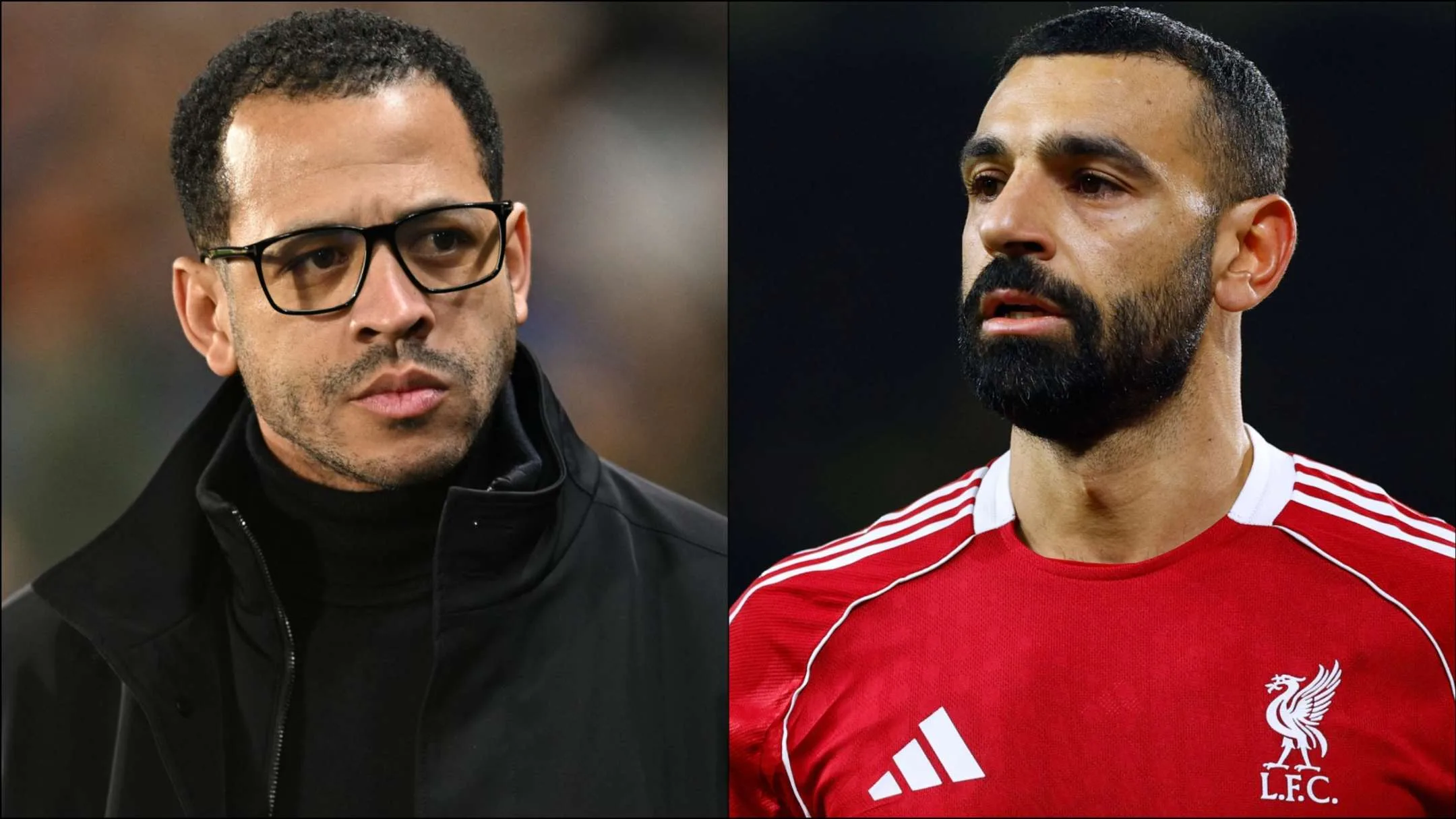
Two transfer stories dominate conversation. The first centres on Chelsea and a $290 million Barcelona swoop. The scale of that figure alone signals a significant operation; it suggests a single headline move with far-reaching consequences for squad planning and resource allocation. Whatever the targets or mechanics of the approach, the reported sum frames this as more than a routine deal. It is the kind of transaction that demands strategic clarity and will test decision-making behind the scenes.
The second story is equally stark in tone: Liverpool face a Salah dilemma. The wording captures a club at a crossroads over one of its key figures. The nature of a dilemma implies competing priorities and hard choices. For Liverpool, the challenge will be to reconcile short-term demands with longer-term planning, balancing on-field needs against broader considerations.
Taken together, the two items set a clear narrative about how clubs are navigating a demanding market. Chelsea’s reported $290 million move for Barcelona and Liverpool’s current dilemma over Salah are separate stories, but both point to pressure points in modern squad construction. Each situation raises questions about allocation of funds, timing and the appetite for decisive action.
For observers, the immediate task is to monitor how each club proceeds. Chelsea’s manoeuvre, by virtue of headline valuation, will attract scrutiny on its structure and intent. Liverpool’s dilemma will invite close attention to the choices available and the signals sent by any resolution. Both developments will shape short-term headlines and have potential implications for the clubs involved.
These are not isolated narratives. They are examples of the dilemmas and decisions that define transfer periods: large sums prompting strategic responses and club dilemmas demanding careful judgment. The coming days will reveal whether the reported figure and the described dilemma evolve into agreement, compromise or further negotiation.





Chelsea
Palmer’s England setback could strengthen Chelsea’s early-season momentum
Palmer’s England setback may disappoint him, but Chelsea can benefit from his extra rest.

Cole Palmer must wait a little longer for another chance to convince Thomas Tuchel on the England stage, but the delay may suit Chelsea just fine.
Palmer has not featured for England since March 2026 and missed this summer’s World Cup. A strong start to the 2026/27 season had earned him a recall, and Tuchel accepted that he deserved the opportunity to show he belongs in the squad full-time. That opportunity now looks set to slip away for the time being.
Inside Chelsea, there will be sympathy for the player, but also a clear sense that his absence from international duty could help club matters. The mood around the team is not especially bright after two defeats and a draw, yet Palmer has been one of the clearest positives under Xabi Alonso.
His return to form has been reflected in the numbers. Four goals and two assists in seven games represent an encouraging opening stretch, and Palmer himself has spoken about enjoying his football again in Alonso’s fluid forward line. Tactics have helped, but so has the value of a proper summer break.
Last season was hindered by the lingering effects of a groin injury, and his output dropped to 11 goals and three assists in all competitions. Given that context, being left out of England’s World Cup squad was painful but not unexpected. It also created the long recovery period he needed.
For the first time in months, Palmer was able to step away from the demands of match football and focus purely on recovery between May and August. That pause has clearly paid off in the opening weeks of the campaign.
Chelsea supporters wanted to see him back on the international stage, but few would oppose another three-week break if it produces the same level of sharpness. Tuchel, though, has made his stance clear. He values the same core of players and prioritises what he sees from them in an England shirt.
Since Tuchel arrived in January 2025, Palmer has played only 158 minutes for England across three appearances. Injuries and poor form have limited his chances, while others have moved ahead by making the most of their own opportunities.
Palmer has already worked his way back into Tuchel’s thinking once this month, and could do so again by maintaining his goals and assists for Chelsea. For now, however, the bar appears higher after another international window away from England.
Chelsea
Chelsea’s defensive start leaves Alonso in unwanted company
Chelsea’s early defensive record under Xabi Alonso has joined an unwanted Premier League list.
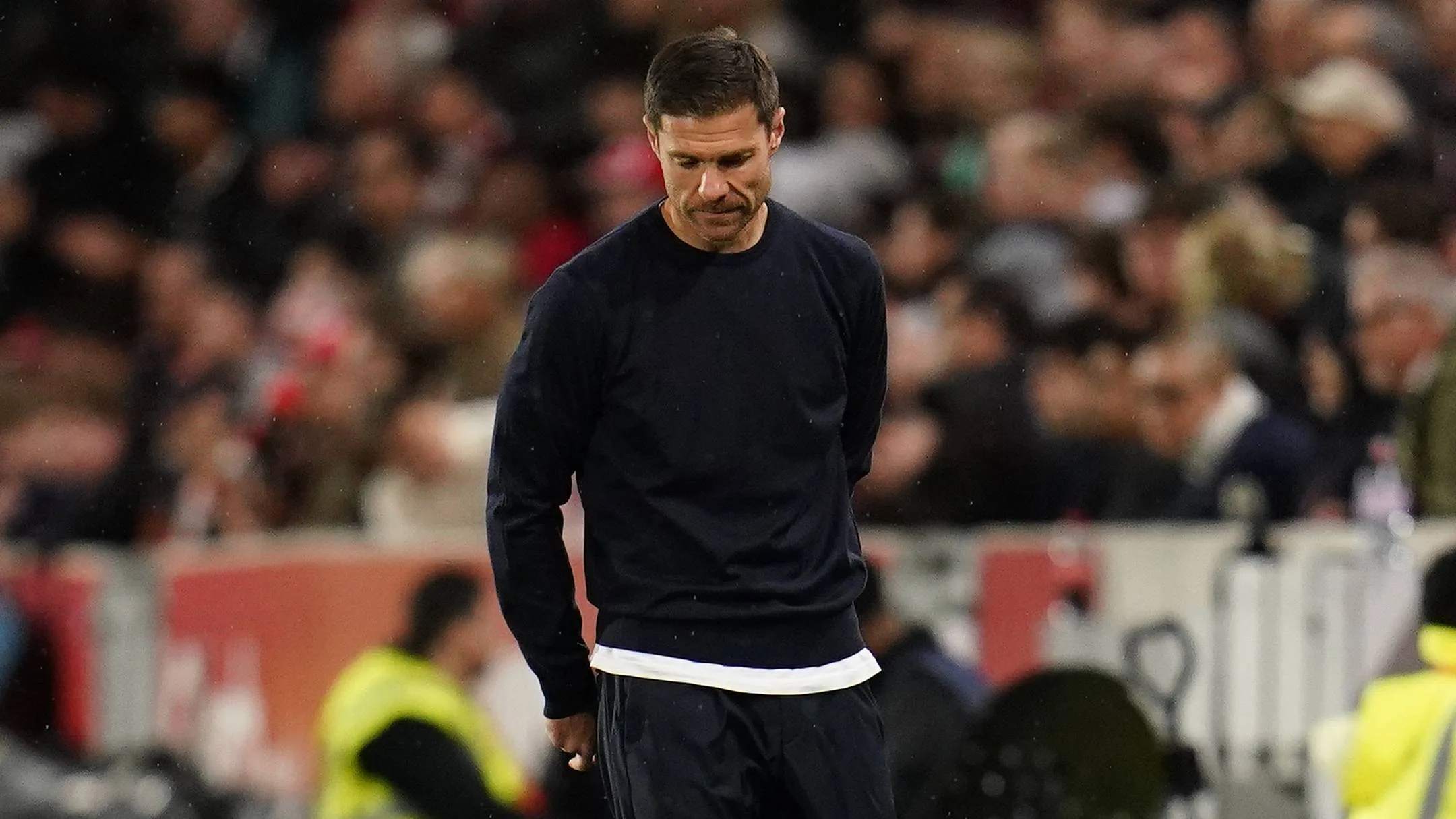
Chelsea’s early-season defensive troubles have placed Xabi Alonso in notable but unwelcome territory after the Brentford defeat.
The Chelsea manager has become only the sixth boss in Premier League history to see his team concede at least twice in each of their first five matches. Across those five league games, Chelsea have already shipped 12 goals, the worst defensive return in the division going into Saturday’s fixtures.
That puts Alonso alongside a short list of managers whose sides struggled badly from the outset. The figures show just how steep the problem has been:
Terry Connor conceded 16 goals, Sammy Lee and Scott Parker both conceded 13, Alonso and Slaviša Jokanović each conceded 12, and Mick McCarthy conceded 10.
There are, however, clear reasons why Chelsea have been so exposed. Alonso has been operating without Moisés Caicedo and Marco Palestra through injury, while captain Reece James was also unavailable against Brentford. Those absences have weakened the structure, although they cannot fully explain everything on their own.
One recurring issue has been defending set pieces. Jaidon Anthony’s opener on Friday marked the sixth time Chelsea have conceded from a dead-ball situation this season, which is already the highest such total in the league. Austin MacPhee was brought in during the summer as set-piece coach, but recent episodes suggest the work is still far from settled.
Chelsea’s switch to a back three has also not provided the expected protection. Rather than tightening things up, it has looked awkward and has left space for opponents to exploit.
The wider picture matters too. Since the start of 2026, no Premier League team has conceded more than Chelsea’s 43 goals. Alonso’s 12 in five games sit on top of a problem that predates him, with Liam Rosenior and Calum McFarlane having already overseen 31 goals conceded in 19 matches before his arrival.
Maxence Lacroix has arrived from Crystal Palace to strengthen the defence, but there is still a sense that Chelsea need more experience at the back to steady the unit.
Chelsea
Alonso identifies Chelsea’s problems after Brentford defeat
Alonso warned Chelsea need patience after a Brentford loss exposed their consistency, mentality and control.

Xabi Alonso asked for patience after one of the most difficult nights of his early Chelsea reign, but his post-match assessment made clear how many issues he believes remain unresolved.
Speaking after the loss at the Gtech Community Stadium, Alonso admitted that Chelsea have lost consistency and have yet to produce a full 90 minutes that he can trust. He said the side has struggled to sustain performance either within matches or from one weekend to the next, and that against Brentford they never established a spell in control.
The game itself was tight for an hour, with both teams pressing forward quickly after turnovers and then giving the ball back. Once Brentford scored, Chelsea collapsed badly. Alonso pointed first to mentality, saying: “We have dropped our consistency,” and adding that there was a lack of the “competitive mentality needed in the second half” from his side.
He also accepted that set-piece defending remains a problem, though he stressed it is only one part of a wider picture. Since the start of last season, Chelsea have conceded 22 set-piece goals, more than any other Premier League team.
Alonso also highlighted duels and ball progression as areas that need work. On the day, Chelsea actually came out well in the physical contests, winning 59% of ground duels and 53% in the air, but that did not translate into control. With the ball, Chelsea were slow and flat, and their 116 passes between Henderson and Barco never led into Brentford’s box.
The lack of threat became even more obvious after Chelsea fell behind in the 61st minute. They finished with 80% possession across the final half-hour, yet did not force a save from Caoimhin Kelleher.
Alonso said the team must learn how to hold shape when under pressure, and Chelsea’s failure in rest defense was underlined by Brentford’s second goal. Alonso said it was an area he had already worked on with the squad before the visit to Hounslow.