Arsenal
Rashford’s Future Uncertain as Arsenal and Bayern Watch Man Utd Situation
Arsenal and Bayern are tracking Marcus Rashford as Manchester United weigh options over his future..

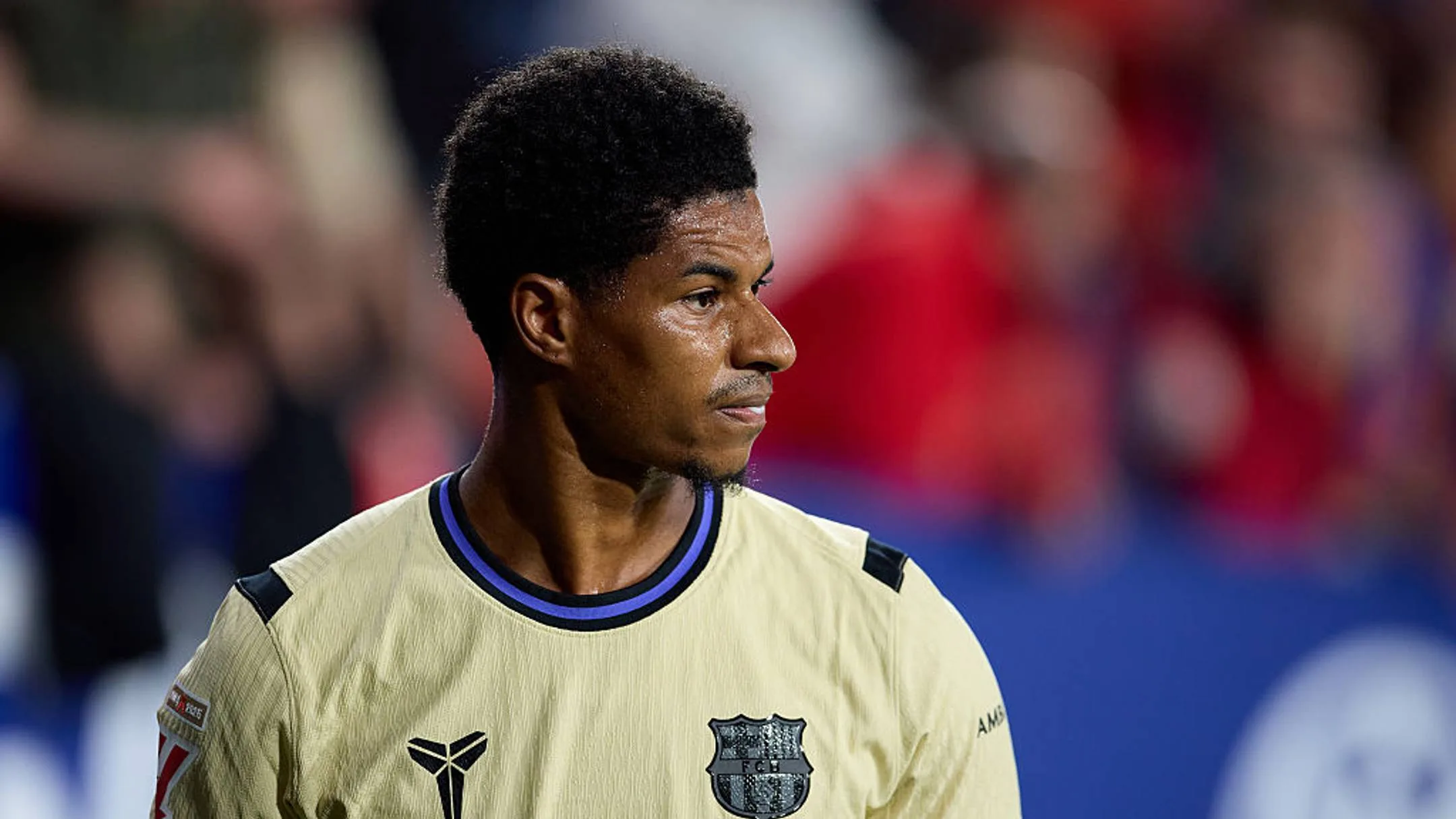
Marcus Rashford’s destination for 2026 remains unresolved as Manchester United balance competing interests and contractual realities. Barcelona are no longer viewed as a long-term landing place and have been described as cash-strapped, with reports that they have tried to negotiate a further discount. Manchester United are widely believed to have no intention of allowing that. If Rashford stays at Barcelona at all, it might only be in the form of another loan .
There is genuine uncertainty over whether a path back to Old Trafford exists. Ruben Amorim’s departure in January would certainly help that prospect, while United currently lack a natural fit for Rashford’s preferred left-sided role. Cost is a factor too, with the player contractually entitled to a pay rise that complicates any permanent deal.
The Daily Mail now report that Arsenal are “monitoring the situation.” The same report cites similar Bayern Munich interest. Arsenal’s left wing has been identified as one of the weaker areas of their forward line. Leandro Trossard is described as reliable and functional but limited, and he currently has the edge on Gabriel Martinelli, who has ironically been touted as a target for Barcelona to replace Rashford.
A move to Arsenal, with no numbers disclosed at this stage, would echo Danny Welbeck’s 2014 transfer from Manchester to London. Welbeck emerged from the United academy aged 17 and played 142 senior games before he was sold. Cruelly, his Arsenal career was plagued by injuries and it is only since joining Brighton & Hove Albion shortly before turning 30 in 2020 that he’s rediscovered himself.
For Bayern, signing Rashford would follow a recent pattern of Premier League recruits. Harry Kane, Michael Olise and Luis Díaz have been credited with supercharging the German side after moves from Tottenham Hotspur, Crystal Palace and Liverpool respectively. Rashford might not be an automatic starter for Bayern’s strongest XI but could provide versatile cover across the front three.
Matheus Cunha has been United’s regular left-wing option in recent months, though his favoured role is central. Mason Mount has also been deployed there, while Patrick Dorgu is built more as an attacking fullback than a specialist winger. The report names AC Milan’s Rafael Leão as one of “a number of options” United could consider; Leão is cited at a possible $68 million (£50 million). With the possibility Rashford is not sold and instead returns to Manchester, little can be resolved until his plans for the next year are clear.

Arsenal
Arteta Questions Touchline Standards After Latest Booking
Arteta said he is tracking rival managers after receiving his second yellow card of the season.
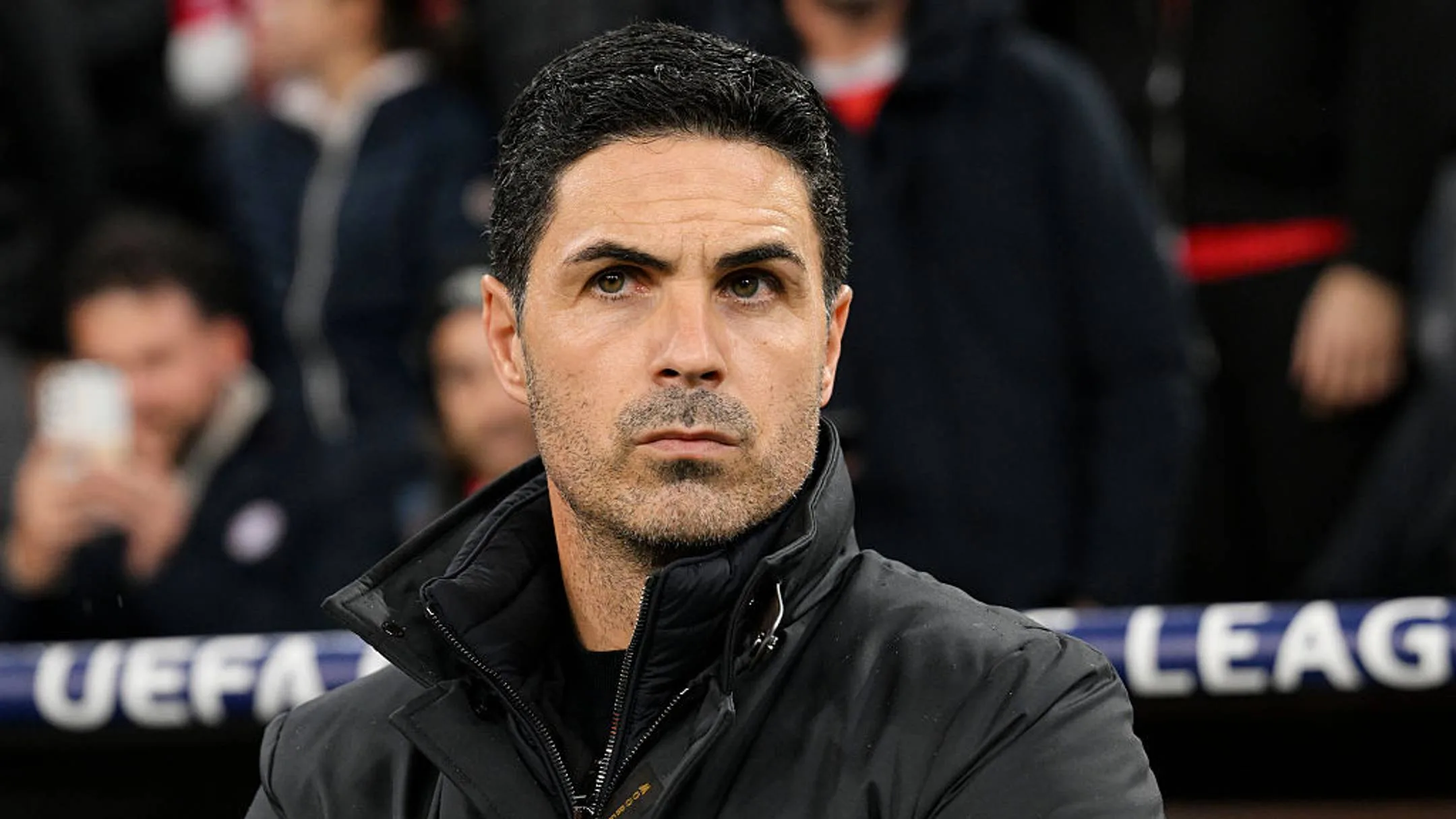
Mikel Arteta has taken aim at what he sees as inconsistent discipline for Premier League managers after collecting his second yellow card of the season on Saturday.
The Arsenal boss said he is keeping records of rival coaches who step beyond their technical area without being punished, insisting he will not ignore what he believes is uneven treatment from officials. Known for his constant energy on the sideline, Arteta argued that others are getting away with behaviour that brings him immediate sanction.
“I do have to be careful,” Arteta said when asked about his caution in his postgame press conference. “And we need to have good sensors there. There are managers that have the record in the league, 36 times in 10 minutes leave the touchline, no yellows.
“So I’m clipping all of that. I have a massive storage of images. So if somebody is going to say, ‘I’m not in the record yet, somebody else has the record.’
“Then it’s 36 yellow cards in 10 minutes for the manager. I don’t know where we’re going to be. Let’s see.”
The issue is more than a matter of irritation. Once a manager reaches three yellow cards, an automatic one-match suspension follows. Six cautions bring a two-game ban, while nine lead to a three-match punishment. With only late October reached, Arteta is already halfway to that first threshold.
That means his next booking would remove him from the touchline for Arsenal’s following match, regardless of any argument he might make with his own “massive storage of images.” Even a spirited defence would not alter the sanction.
His post-match comments did not stop there. Despite Arsenal’s gritty win over Everton, Arteta also criticised the schedule, saying the workload had been far from ideal.
“We’re very happy with the victory, the performance and the week, because we were given a terrible schedule,” Arteta said. “Playing Sunday afternoon, then Wednesday night in Munich, coming here really late on Thursday and then having to play again in the Premier League against a really tough opponent on Saturday at 3 p.m.
“We have overcome some injuries, and I’m really proud of the mentality of the team in the conditions today.”
Arsenal
Arteta Jokes Raya’s Spain Return Will Have to Wait
Arteta says Raya’s Spain move can wait, with Arsenal likely to keep their goalkeeper longer.
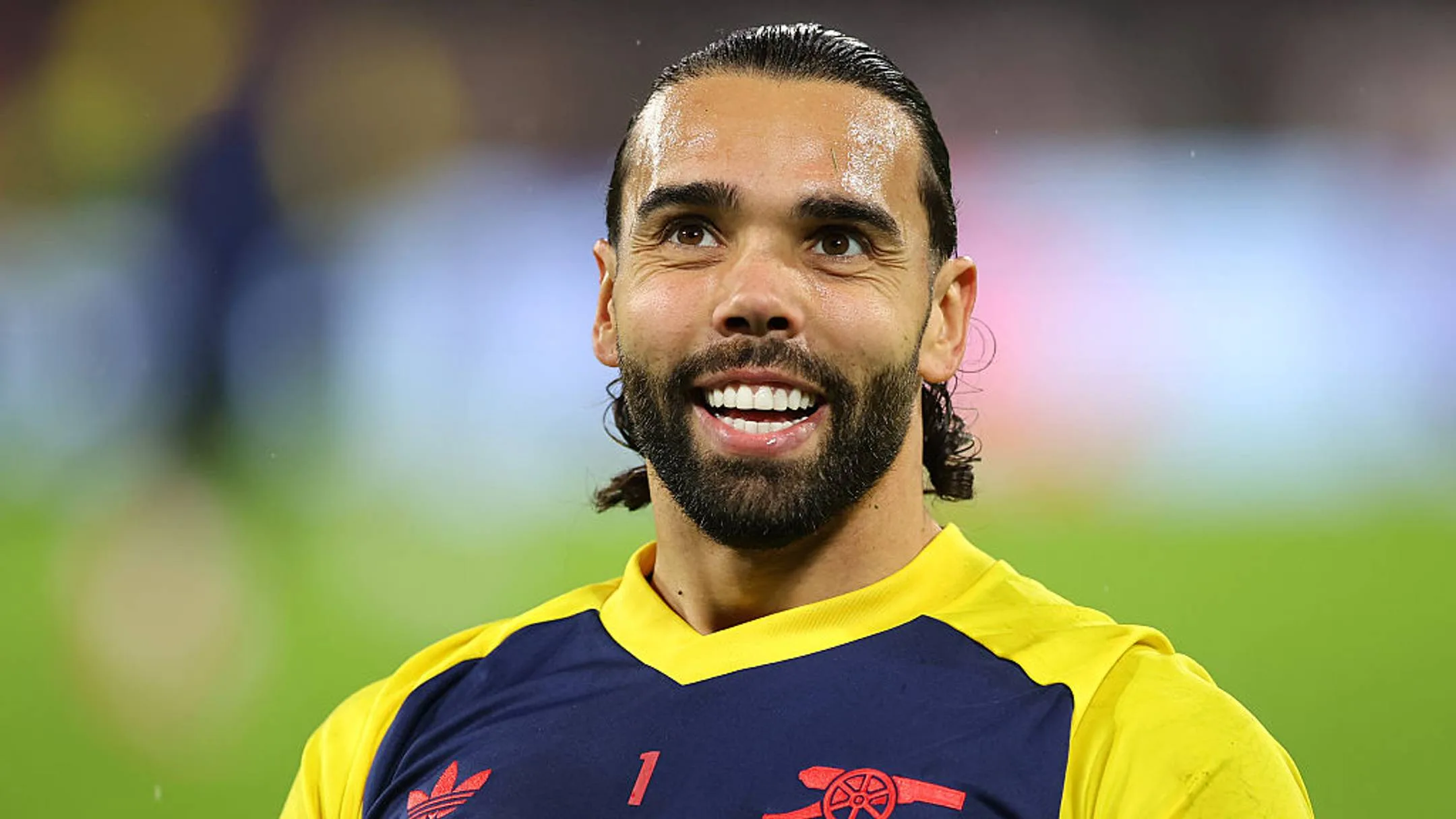
Mikel Arteta has played down the idea of David Raya heading back to Spain any time soon, joking that the Arsenal goalkeeper’s next appearance there may only come on holiday.
Raya has made no secret of his long-term wish to play in La Liga. As he put it: “Perhaps, in the future, I could play for a Spanish club. I’m Spanish and I’d love to play there.”
That ambition stands out because Raya has never played professional club football in his home country. Born and raised in Barcelona, he began in the youth ranks at UE Cornellà, which has been owned since April 2026 by Lionel Messi. He left Spain at 16 in 2012, moving to England in search of a career and eventually landing at Blackburn Rovers. After progressing to the first team two years later, he became their starting goalkeeper for the 2017–18 and 2018–19 campaigns.
Brentford later spotted his talent, and Arteta judged in 2023 that Raya was the upgrade Arsenal needed over Aaron Ramsdale. Since then, the goalkeeper has collected three Premier League Golden Gloves across the last three seasons and, by Monday night, could be in position to claim the Yashin Trophy at the 2026 Ballon d’Or ceremony.
Raya has also been a regular presence in Spain squads over the last four years, even if he is not a first-choice international starter. That has brought him both a European Championship and World Cup winner’s medal, yet one major piece remains missing from his résumé: a spell in La Liga.
Arteta was not in the mood to encourage an early return. “I think David has to play in Spain at some point … on the beach with his friends in the summer,” the Gunners boss said. “For the next few years, he needs to play here for Arsenal .”
That timing matters, because Raya is now into the final two years of his Arsenal contract, which ends in June 2028. He will be just short of 33 when it expires. Arteta’s comments suggest Arsenal may soon try to extend that deal well beyond 2028.
If Raya does chase La Liga while still at his peak, the decision point may come no later than 2028. Barcelona would appear the natural fit, though the club’s 2025 move for Joan García complicates that route. Real Madrid and Atlético Madrid could also be possible in time, depending on how the situations around Thibaut Courtois and Jan Oblak develop.
Arsenal
Villa’s Win Over City Triggers Another Opta Refresh
Villa beat City, Arsenal stay close, and Opta updates the title, Europe and relegation outlooks.
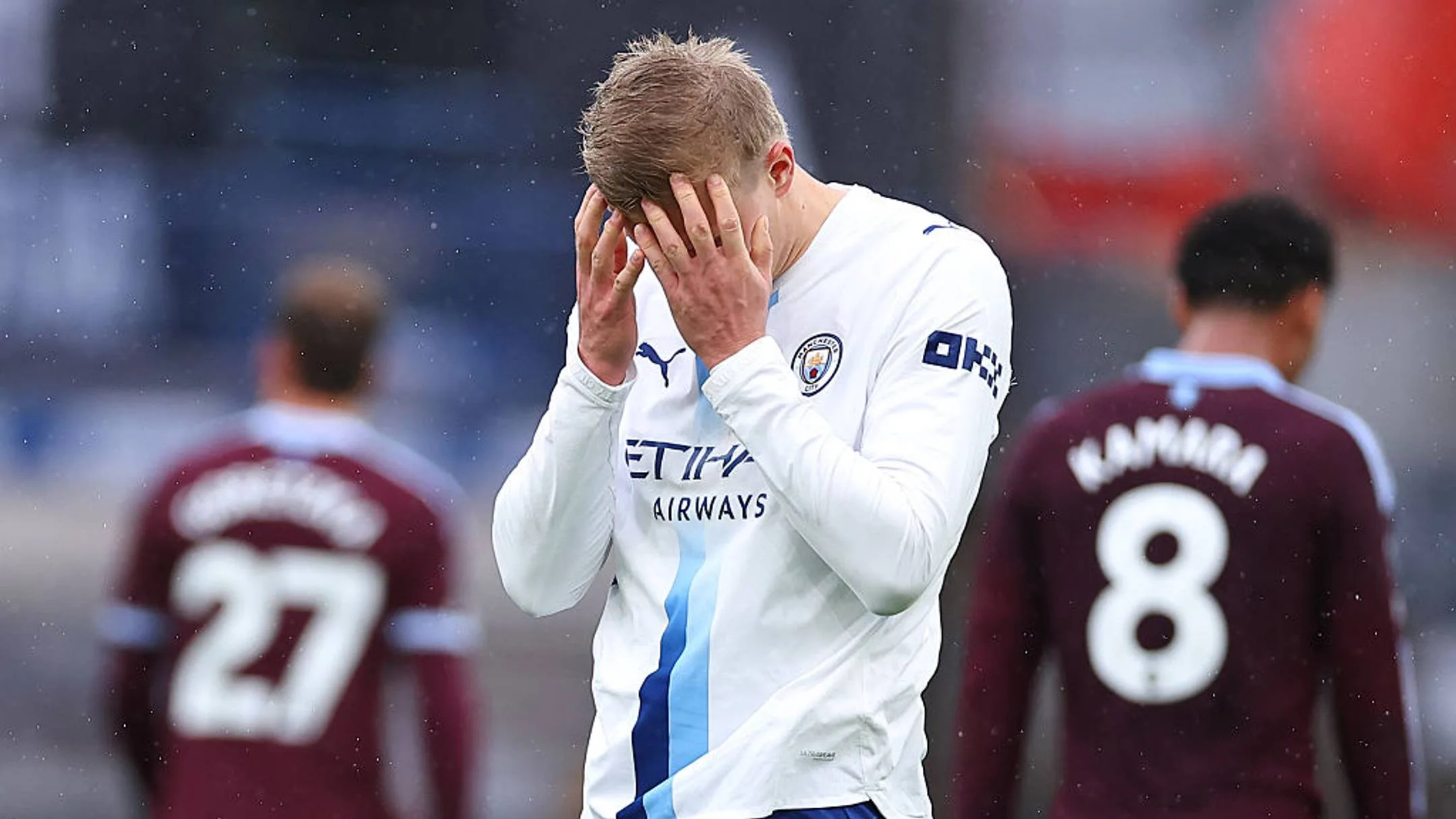
Aston Villa have delivered the Premier League’s first defeat of Manchester City this season, and they are also the first side to take points from them. Unai Emery’s team earned that landmark result at Villa Park, where City were below their best and paid for it. Gianluigi Donnarumma and Marc Guéhi were both singled out for especially poor showings, Nicolas Jackson struck on loan to make the difference, and Zion Suzuki contributed six saves across the 90 minutes.
City remain top of the current Premier League standings, but the performance offered the first domestic indication that they are not untouchable. Arsenal followed by matching them on points after beating Everton, leaving the title race level at the summit and Arsenal second only on goal difference.
That Arsenal victory came with Bukayo Saka unavailable and possibly out until Christmas. The Gunners were short of natural creativity, but they compensated by rediscovering the set-piece strength that served them so well last season.
With those results, and two others on Saturday, Opta’s supercomputer updated its predictions again.
The title model now has Arsenal first with 79.55 predicted points and a 53.82% chance of finishing champions. Manchester City are second on 76.11 points and 34.39%. Brighton remain the only other side above 5%, while Liverpool are at 3.29% and Chelsea at 1.42%.
The Champions League outlook keeps Arsenal and City well clear, with both above 90% to qualify. Brighton stand at 58.37%, Liverpool at 46.70%, Chelsea at 31.28% and Aston Villa at 21.66%. Brentford, Leeds and Everton are further back, and Manchester United’s five-match winless run has left them below 6%.
At the lower end, Tottenham have made a notable move in the right direction. Two wins in a row have cut their relegation chance to 14%, and the model now projects them to finish 13th. That is not especially strong, but it is a considerable improvement on consecutive 17th-place finishes in the last two seasons.