
Barcelona
Only Four Soccer Clubs Feature in Forbes’ 2025 Top 50 Most Valuable Teams
Four soccer clubs appear in Forbes’ 2025 top 50 valuations; Real Madrid leads at $6.75bn. Read more.

Forbes’ 2025 valuations underline a simple truth: global sports wealth remains concentrated outside soccer even as the game retains massive global support. Forbes estimates that 20 soccer clubs worldwide carry a value of at least $1 billion, yet when measured against the richest franchises across all sports, soccer clubs are part of the crowd rather than the clear leaders.
Forbes again places the NFL’s Dallas Cowboys top of the list at $13 billion, a figure that represents 29% growth from 2024. The Golden State Warriors ($11 billion), LA Rams ($10.5 billion), New York Giants ($10.1 billion) and LA Lakers ($10 billion) complete the five teams that reach 11-figure valuations in 2025.
Forbes calculates a team’s value as its “enterprise value (equity plus net debt) and include the economics of each team’s stadium but not the value of the stadium real estate itself.” That approach produces a list where the first soccer club appears at 20th overall: Real Madrid is valued at $6.75 billion. That remains an enormous valuation, even if it sits well below the very top of the overall rankings.
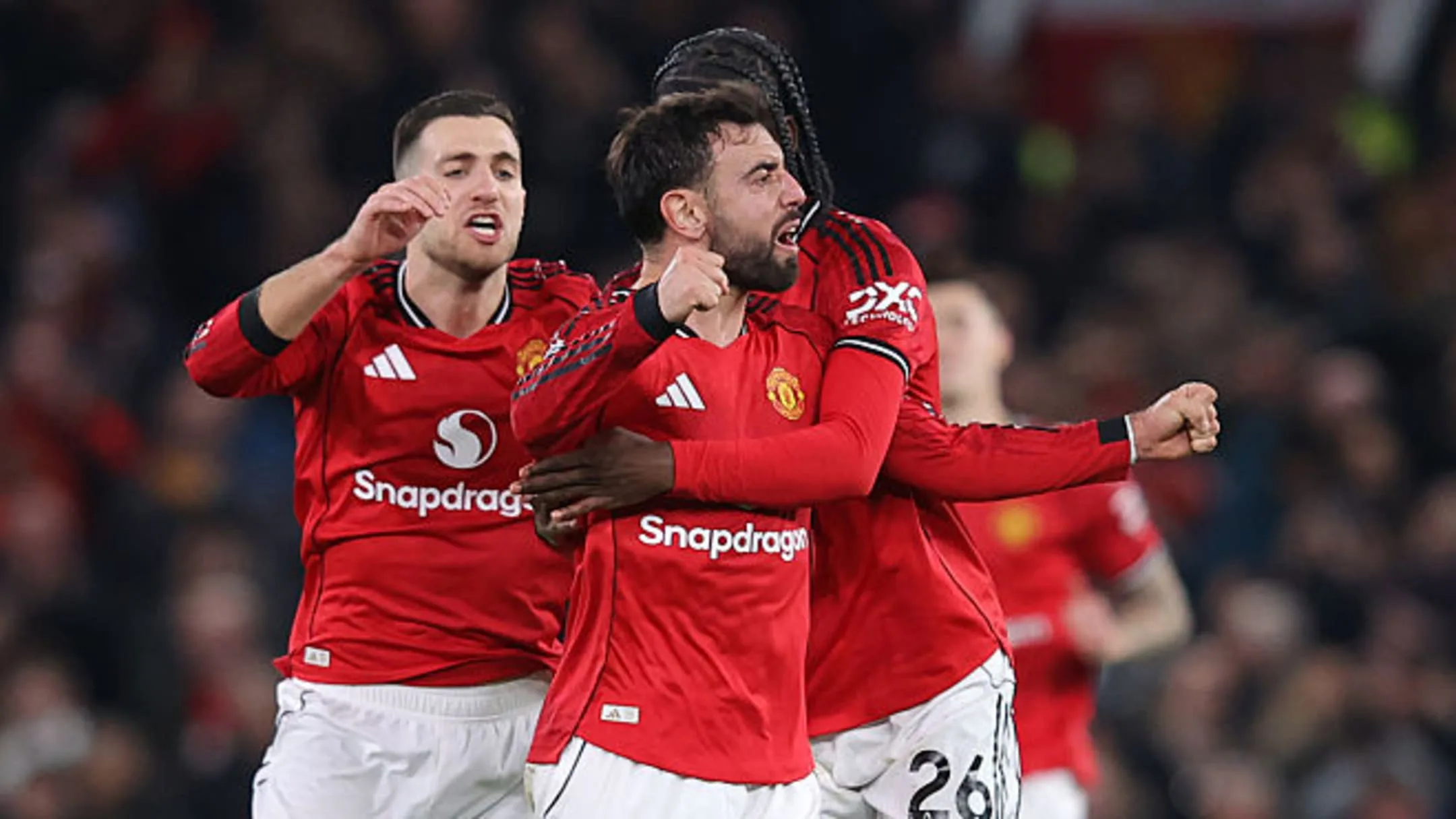
Manchester United, despite consistently documented on-field problems and substantial debt, stands at $6.6 billion and is tied for 24th place overall. Barcelona follows at $5.65 billion and 42nd overall. Liverpool creeps inside the global top 50, tied at 48th place with two North American franchises, and is valued at $5.4 billion.
Those four clubs are the only soccer representatives among the 50 most valuable sports teams in the world in 2025. The figures underline how the biggest soccer clubs operate on a huge commercial scale but also how other sports, notably the NFL and elite NBA franchises, continue to lead the global valuation table.




Barcelona
Rashford’s Options After Barcelona Decline: Return, Sell or Stall
Barcelona declined to trigger Marcus Rashford’s purchase clause; he returns to Manchester United 2026
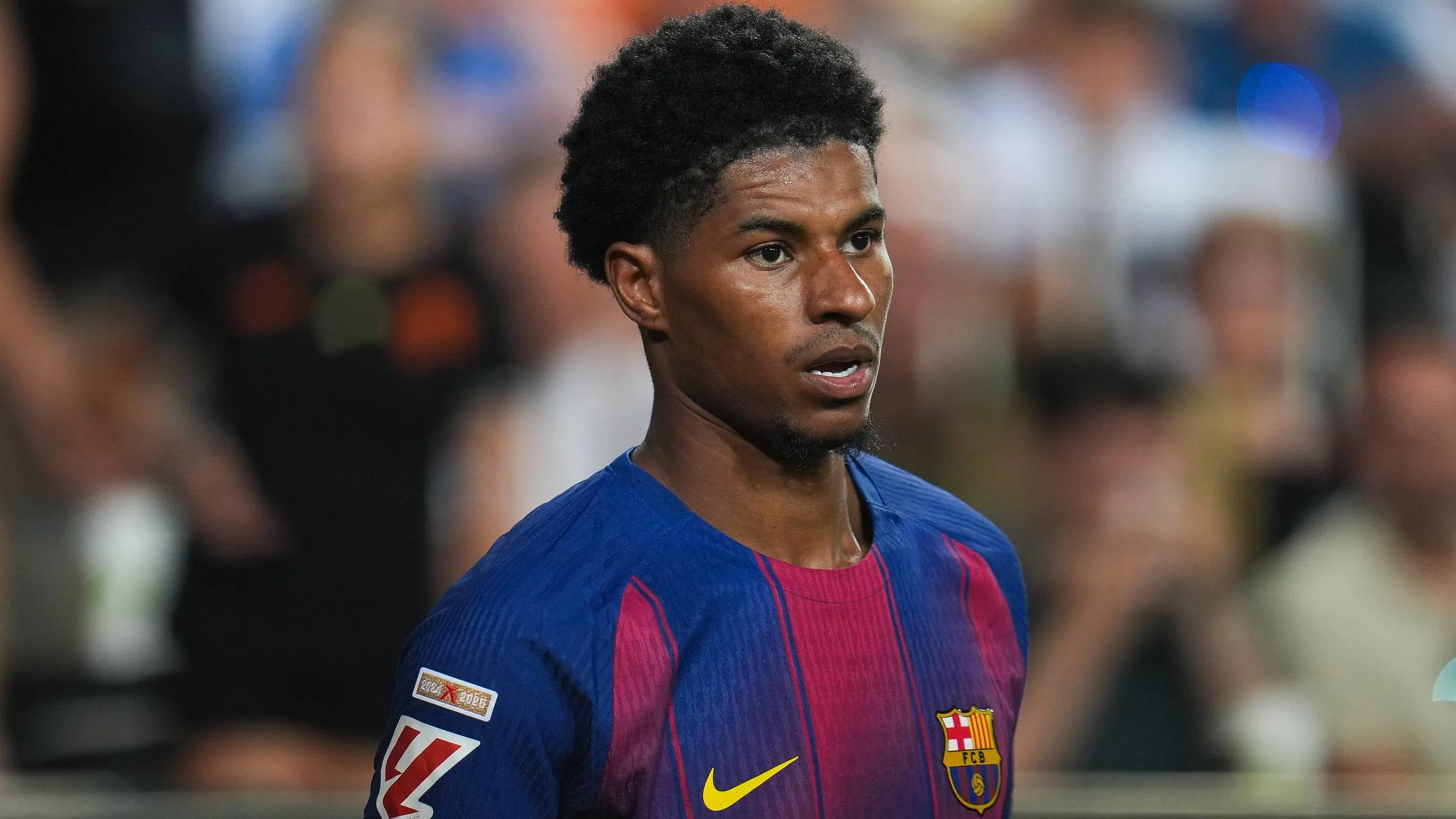
Barcelona have opted not to trigger the purchase clause for Marcus Rashford, making the temporary move effectively over and leaving the forward to return to Manchester United once his World Cup duties with England finish. The decision on June 16 closes one chapter but opens several possible outcomes for the 28-year-old.
Rashford enjoyed a productive season at Barcelona, making 49 appearances and recording 14 goals and 14 assists. He impressed primarily on the left wing while also filling in on the right and as a central striker, his versatility a feature that first attracted interest.
Early in the campaign a permanent deal for around €30 million seemed straightforward, but the narrative shifted. Barcelona’s subsequent €70 million signing of Anthony Gordon from Newcastle United demonstrated the club had transfer funds available. Reports suggest the real sticking point was amortization and the financial impact spread over contract years, with Gordon viewed as having a more favourable effect on the club’s accounts partly because he is three years younger than Rashford. Inside Camp Nou the view is that Gordon’s defensive work rate better suits Hansi Flick’s tactical demands.
Despite choosing Gordon, Barcelona remain open to Rashford if circumstances change. They reportedly tried to negotiate a lower fee with United and were prepared to agree terms for a reduced price, but Manchester United declined further discounts and gave an unenthusiastic response to suggestions of a second loan. Barcelona’s stance is that Rashford is welcome back, but not at the club’s current valuation.
Reports indicate Rashford would welcome a return to Barcelona, yet his fate hinges on United lowering their demands. La Liga sources believe Barcelona are counting on Rashford refusing other offers to force United into a choice: pay his reported weekly wages of around $435,000 or reopen talks.
Rashford’s exit from United originally occurred under former manager Ruben Amorim. The environment at Old Trafford has since changed, with Michael Carrick now in the dugout permanently. A return to Manchester to rebuild has been floated and remains possible, likely driven by necessity rather than preference.
Other clubs linked in speculation include Bayern Munich, Paris Saint-Germain, Arsenal, Chelsea, Newcastle United and Tottenham Hotspur. According to The Athletic, United have a clause making Rashford available for $54 million (£40 million) this summer to all suitors except Liverpool and Manchester City. The player reportedly prefers not to remain in England with another Premier League club if it is not with Manchester United.
Barcelona
Ten Barcelona transfer prospects to follow at the 2026 World Cup
Ten players Barcelona will track at the 2026 World Cup as the club looks to strengthen the squad…
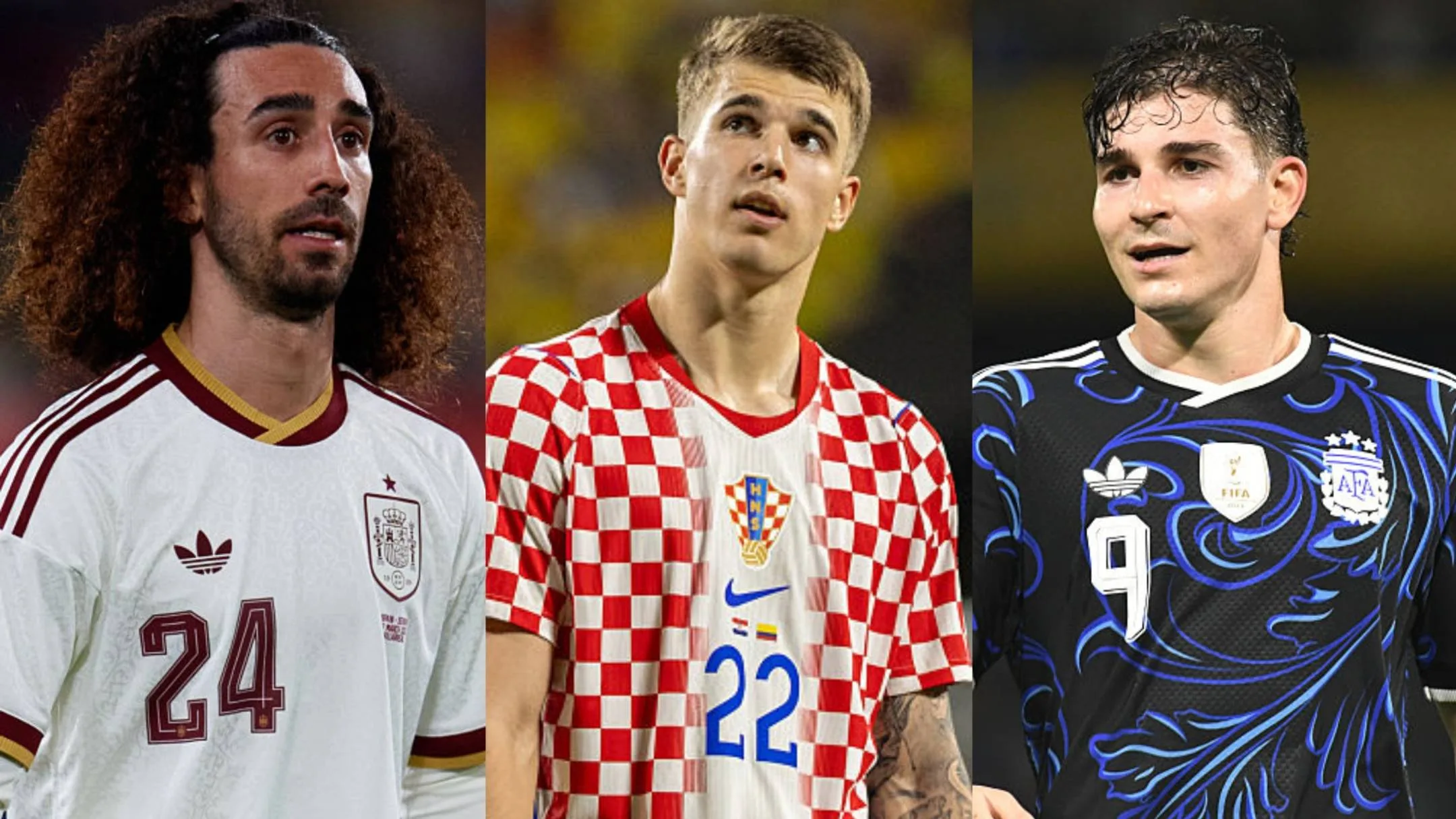
Barcelona will have 15 players at the World Cup this summer, but the club’s recruitment team will also be watching a group of possible additions competing in Qatar. The club has already completed the signing of Anthony Gordon from Newcastle United and remains intent on strengthening defence, midfield and the forward line.
João Cancelo spent the second half of last season on loan at Barcelona from Al Hilal and is determined to make the move permanent. The versatile fullback will represent Portugal this summer and will be eager to impress to enhance his value in negotiations.
Marc Cucurella appears increasingly likely to leave Chelsea and has emerged as a contender for Spain’s left back position. Alejandro Grimaldo, Spain’s understudy in that role, is thought to be interested in a return to La Liga from Bayer Leverkusen, and Barcelona have been linked with him.
Two central defenders under observation will wear the Croatia shirt. Joško Gvardiol has been linked with a Spanish move this summer, with Real Madrid leading the race if he does not sign a new contract at Manchester City. Barcelona remain interested if the finances are right. Luka Vušković could be an alternative after a strong loan at Hamburg, and his parent club Tottenham Hotspur might be forced to sell following a difficult season.
Midfield interest centres on Bernardo Silva, available on a free transfer after his exit from Manchester City. Barcelona are described as being in the driver’s seat for any potential deal, which would likely be discussed after Portugal’s World Cup campaign.
On the wings, Barcelona have already added Gordon but remain linked with Bradley Barcola of Paris Saint-Germain, despite his second successive Champions League win with the French club. Up front, Marcus Rashford, who spent last season on loan from Manchester United, remains of interest. Barcelona will not trigger the permanent buy option but could open negotiations with Manchester United at a lower price; Rashford would also need to reduce his wages.
Julián Alvarez is described as the club’s priority target this summer, though talks with Atlético Madrid are expected to be awkward and expensive. Real Madrid saw their $173 million bid for the Argentina international rejected. For now, Alvarez will focus on securing a second World Cup title.
Group stage matches for each player are listed in the tournament schedules and will form key opportunities for Barcelona to assess potential signings.
Arsenal
Forwards to Watch at the 2026 World Cup
Ten forwards to watch at the 2026 World Cup, judged on recent form, fitness and club contributions..
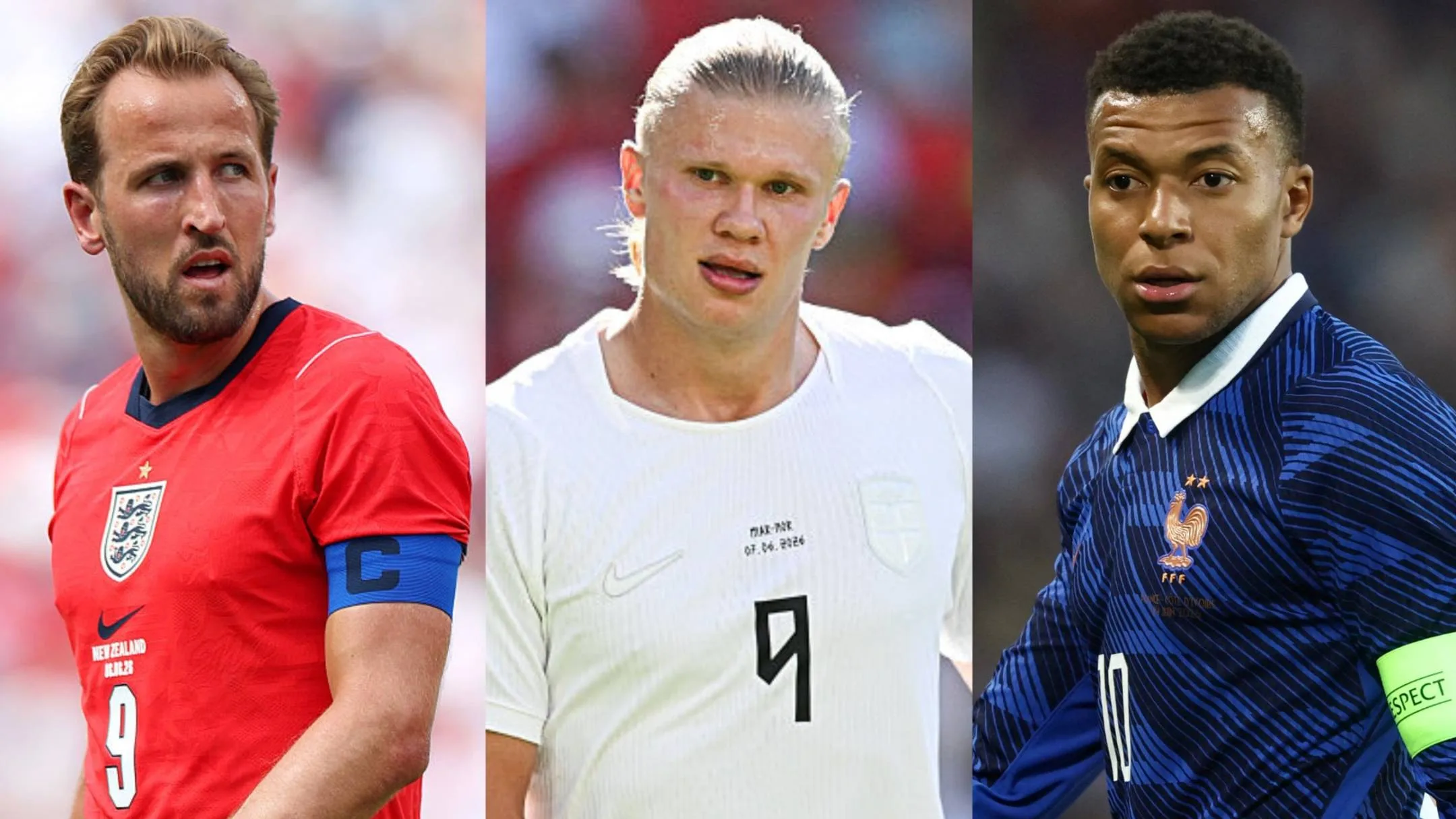
The 2026 World Cup will be defined in large part by attacking players who arrive with clear form lines and specific questions to answer. Several forwards in North America carry momentum from strong club seasons, while others bring a mix of fitness concerns and huge potential.
Bukayo Saka notched a remarkable campaign as Arsenal claimed Premier League glory, but he enters the tournament in mediocre form. The Englishman produced 18 goal involvements in 2025–26 as injuries robbed him of momentum at key junctures. The 24-year-old has blistering speed, gazelle-like agility and a wondrous left boot. If England is going to win its first World Cup for 60 years, Saka must deliver on the right wing. Three goals and an assist in Qatar four years ago is an encouraging sign.
Luis Díaz has been integral to Colombia’s hopes. The Bayern Munich winger enjoyed a remarkable debut campaign in Bavaria that ended with a domestic treble, contributing 26 goals and 19 assists across all competitions. The tenacious 29-year-old missed the last World Cup through injury, so this will be his first tournament and he will be determined to lead his nation.
Raphinha’s 2024–25 breakthrough into Ballon d’Or contention gave way to a quieter 2025–26 at Barcelona because of fitness issues. Still, 28 goal involvements in 33 matches is an impressive return. The 29-year-old returned from injury in May and, after six weeks of action, could be a useful and versatile option for Brazil as Carlo Ancelotti’s side pursue a sixth title.
Ousmane Dembélé remains one of the most flexible forwards available. He beat Raphinha to the 2025 Ballon d’Or and, despite a slight dip in output, operated effectively as a false nine during a Champions League-winning campaign with Paris Saint-Germain. Dembélé is likely to resume a right-wing role for France, where his two-footedness and clean ball striking will be valued.
Vinicius Junior emerged with credit from a difficult season for Real Madrid, producing 21 goal involvements in 2026 and two goals in pre-tournament friendlies for Brazil. Michael Olise, a Bayern Munich standout, arrived in form after a pre-tournament hat-trick against Northern Ireland and a season of 25 goals and 28 assists in Germany.
Erling Haaland carried Norway back to the World Cup with 16 goals in eight qualifying matches. The Manchester City striker’s ruthless efficiency will determine how far Norway go. Kylian Mbappé, needing four goals to match Miroslav Klose’s record, arrives having produced consecutive 43-goal campaigns for Real Madrid and will remain France’s primary attacking threat, supported by Dembélé and Olise.


-
 Chelsea2 months ago
If Xabi Alonso Took Charge at Chelsea: Formation, Principles and a Projected XI
-
 Arsenal2 months ago
Five leading contenders for 2025/26 Premier League Player of the Season
-
 Championship2 months ago
The Fall of Leicester: How Financial Choices, Recruitment and Instability Led to League One