Arsenal
Gyökeres penalty and VAR drama secure a nervous Arsenal win at Everton
Gyökeres penalty and two VAR decisions defined Arsenal’s 1-0 win at Everton; VAR controversy lingered.

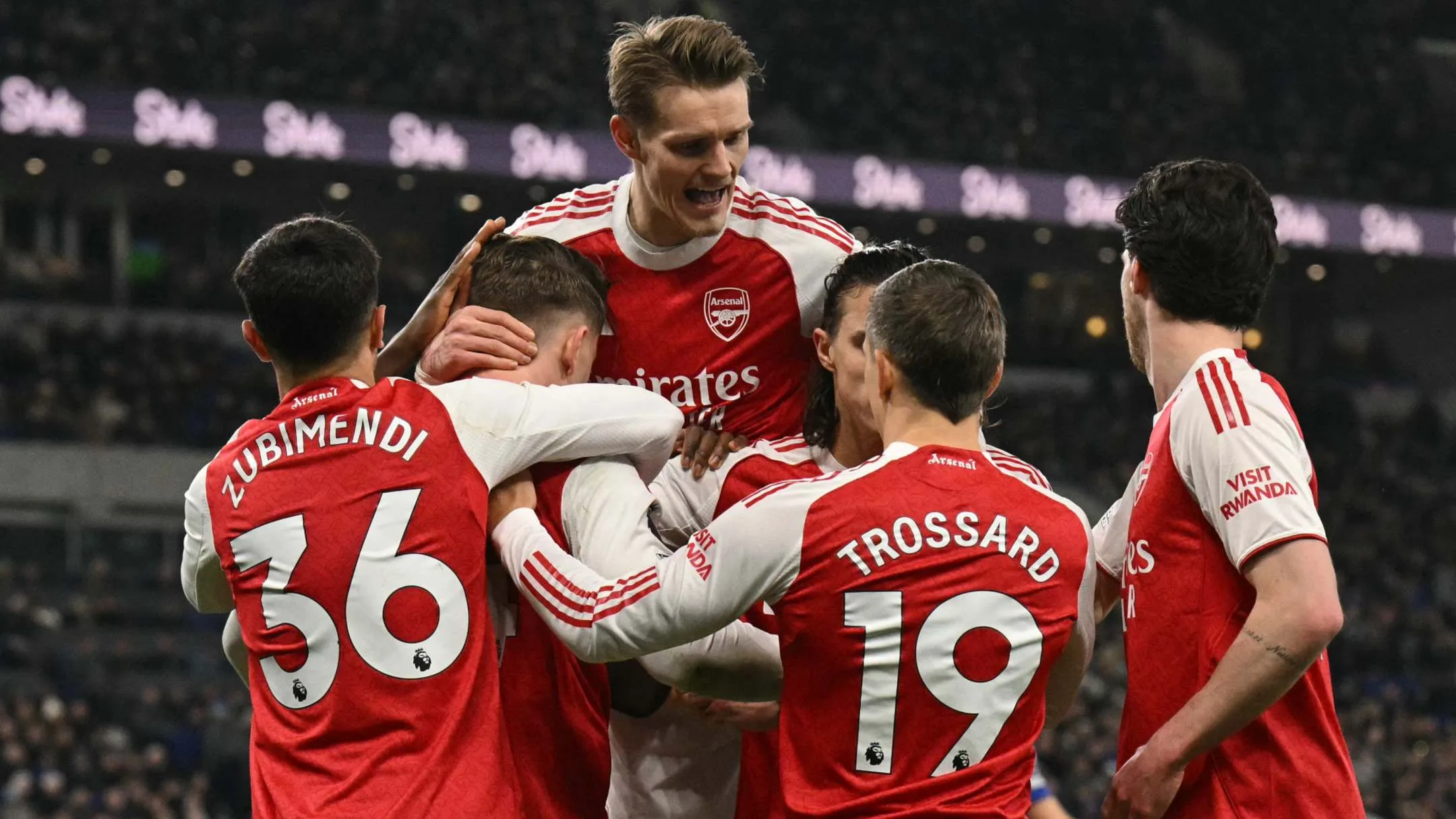
Viktor Gyökeres’s first-half penalty proved decisive as Arsenal edged Everton 1-0 at Hill Dickinson Stadium. The 27th-minute spot kick settled a game in which VAR decisions were as influential as any individual performance. The result returned Arsenal to the Premier League summit, but the controversial nature of the victory offered Manchester City and the chasing pack hope.
All David Moyes could do was berate on-pitch official Sam Barrott at the final whistle, while Mikel Arteta wheeled away with a cocktail of relief and joy. Arsenal dominated possession (65% to 35%) and denied Everton a single shot in the opening 45 minutes, yet the contest tilted into an arm wrestle after the break as Everton grew into the game.
David Raya (8.4) was steady throughout, commanding the air and composed with the ball. At right-back Jurriën Timber (7.5) kept Jack Grealish quiet and launched repeated forays down the flank. The centre-back pairing had mixed nights: William Saliba (7.0) escaped punishment after an incident with Thierno Barry, while Piero Hincapié (7.4) cleaned up loose moments effectively. Riccardo Calafiori (7.0) showed menace roaming inside despite a head knock.
In midfield Martin Ødegaard (7.0) grew into the contest, Martín Zubimendi (7.5) found passes that evaded challenges, and Declan Rice (8.1) was dominant when in motion. Bukayo Saka (7.6) had a big chance cleared off the line. Up front Gyökeres (7.2) won and converted the penalty but was largely contained by Everton’s defenders. Leandro Trossard (7.3) struck the post, and Zubimendi later hit the same upright.
Substitutions: Gabriel Jesus replaced Gyökeres (65) and was marked 5.9; Gabriel Martinelli came on for Trossard (80) and was 6.0; Mikel Merino (88) was N/A. Unused Arsenal subs included Kepa Arrizabalaga, Myles Lewis-Skelly, Christian Nørgaard, Eberechi Eze, Ethan Nwaneri and Noni Madueke.
The match turned on refereeing interventions; an incident when Saliba struck Barry’s calf was reviewed by Barrott and VAR Salisbury and judged “insufficient” contact. That decision shifted momentum, but Arsenal held on to claim three points.





Arsenal
Which Arsenal Stars Could Be Sold After a Historic 2025-26 Run?
Arsenal could sell top earners after 2025-26 run; Havertz and Lewis-Skelly are among possible sales.
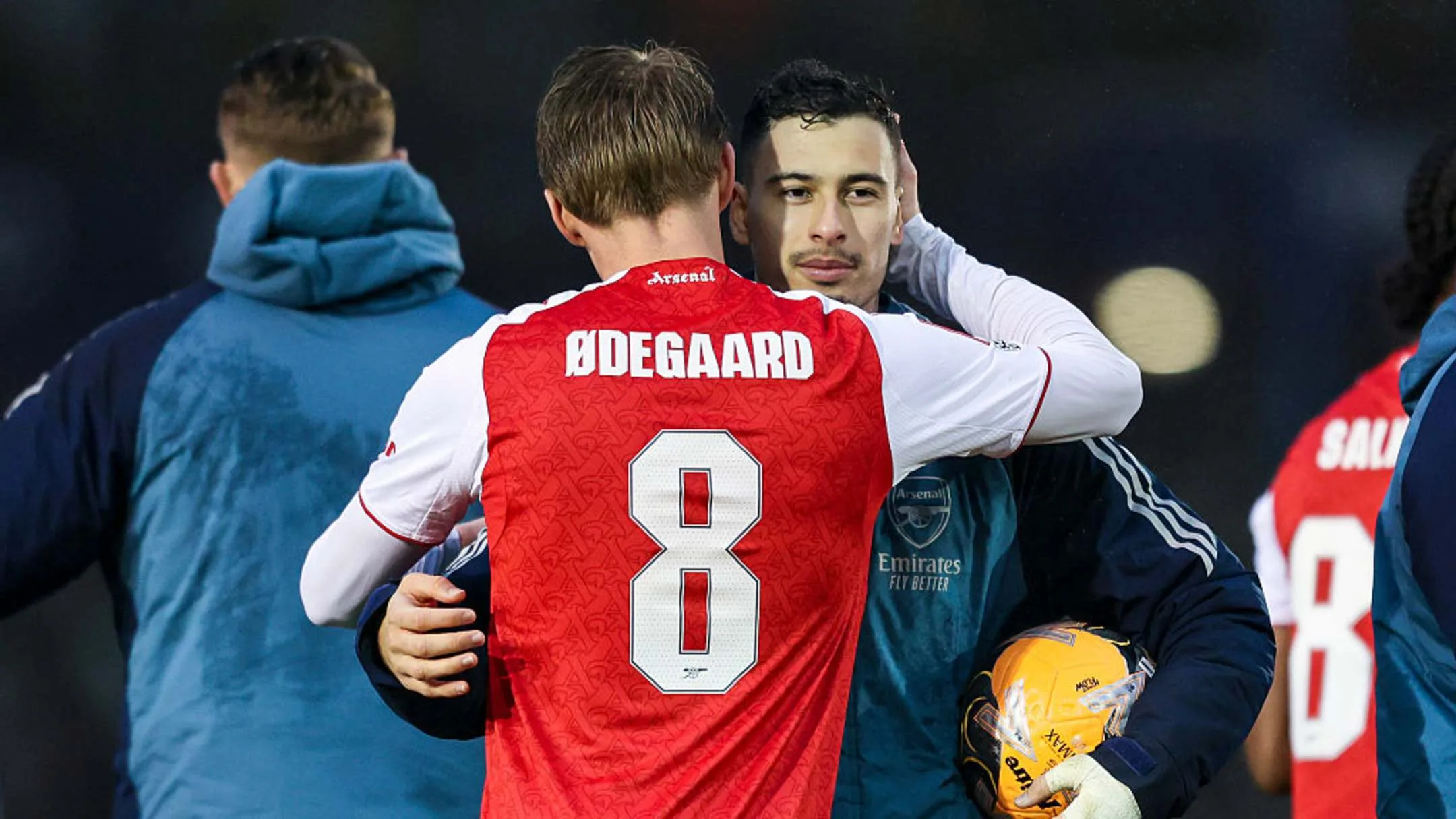
Arsenal face the prospect of a ruthless summer if their 2025-26 campaign finishes as historic as it has looked. While Mikel Arteta retains a clear group of untouchables — Bukayo Saka, William Saliba, Gabriel and Declan Rice are regarded as cornerstones — the club also holds high-value assets that could be monetised to ease financial pressure and prepare for the season ahead.
The most prominent example is Kai Havertz. Arsenal paid large fees for Havertz in 2023 and, according to Capology, he remains the club’s highest-paid player. Initially signed to replace Granit Xhaka in midfield, Havertz has evolved into Arsenal’s leading option up front. Arteta values his physicality, unrelenting energy out of possession and duel-winning abilities, and Havertz has a habit of popping up with a big goal or two. The arrival of Viktor Gyökeres last summer sits alongside Havertz in the attacking department, but Havertz is widely viewed as better suited to the centre forward role in Arteta’s setup. His 2025-26 campaign has been interrupted by injury. He missed several months earlier this season because of a knee injury and was recently set back by a muscular problem, which he has since returned from. Those fitness issues could influence the club’s thinking and the role he plays during the run-in could help shape his future, with the club unlikely to give up on Gyökeres after just a single season.
Arsenal have also used academy sales before to generate “pure profit.” Emile Smith Rowe, Eddie Nketiah and Folarin Balogun departed previously for a combined $129 million. Two young players who attracted attention after their breakout 2024-25 campaigns are Ethan Nwaneri and Myles Lewis-Skelly. Neither has been heavily involved this season: Nwaneri is currently on loan at Marseille and Lewis-Skelly has struggled for starts outside domestic cup competitions. With two senior left backs competing for minutes and Arteta seemingly reluctant to deploy Lewis-Skelly in his natural midfield role, selling Lewis-Skelly could be a sensible option if the club decide to raise funds.
Arsenal
Sixteen-Year-Old Max Dowman Becomes Arsenal’s Youngest FA Cup Starter
Max Dowman, 16, became Arsenal’s youngest FA Cup starter; Arteta praised his composure. showing more
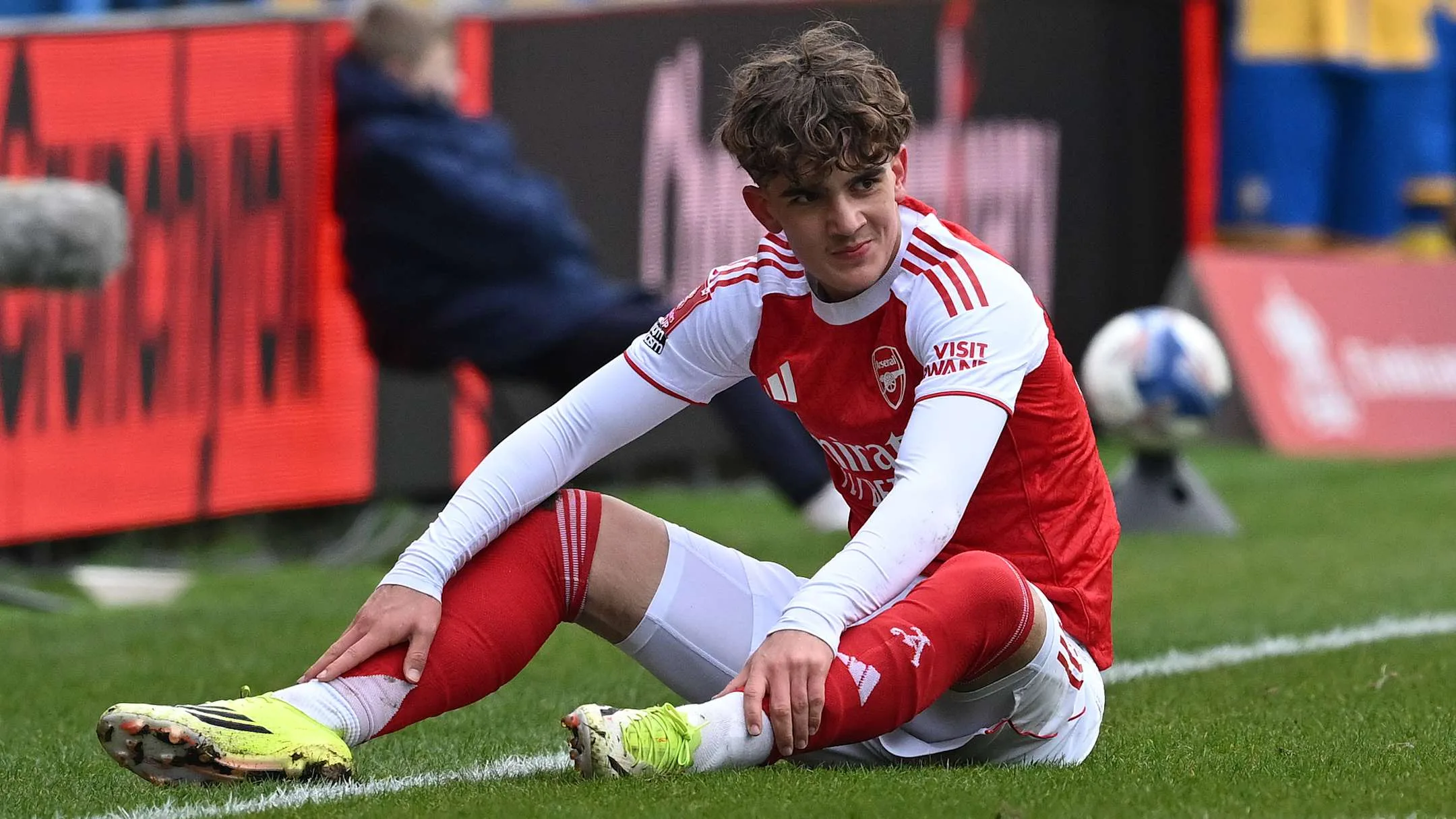
Max Dowman started for Arsenal against Mansfield Town on Saturday lunchtime, becoming the youngest player in the club’s history to start an FA Cup game. The 16-year-old, recorded at 16 years and 66 days, helped the visitors to a hard-fought 2–1 win at Mansfield’s Field Mill.
Dowman’s display stood out. He was younger than every Arsenal goalscorer from that Under-18 cup clash and still conspired to tie Clough’s Mansfield side up in knots with the best performance of any visiting player during the match. The rugged turf presented a clear challenge for the senior squad, yet the teenager adapted quickest and carried the ball with an ease that belied his experience.
“Very proud,” Arteta gushed when confronted with the fine showing delivered by his school kid in midfield. “Max, I think, was exceptional.”
Arteta also placed the result in historical context. “I think Max is the youngest ever in the competition [for Arsenal],” Arteta correctly surmised, “and this competition has been going for a while, so it tells you how difficult that is.” Arsenal’s first FA Cup appearance came back in October 1889, almost 137 years ago. The club were then known as Royal Arsenal and were once mistakenly left out of the draw. Over the subsequent 13 decades Arsenal have won the competition 14 times, but never before had a starter as young as Dowman.
At senior level Dowman has been used on the right wing, but Arteta trusted him in a more central role against Mansfield, giving him licence to drift wide, collect the ball and drive forward. Observers noted his control on poor surfaces. “When the ball is bouncing all over the place and you have people in your back, the way he handles time and space and the touches that he takes, it’s just incredible,” Arteta beamed. “Especially at the speed that he delivers those actions, but that tells you the talent that we have.”
The start will be recorded in the club’s appearance records and offered a reminder of the pathway from academy to first team for promising teenagers.
Arsenal
Odegaard Offered Exit from Arsenal as Real Madrid Name New Top Target
Odegaard has been offered an exit from Arsenal while Real Madrid pursue a new top target, for clubs.

Two developments have emerged that demand attention. Odegaard has been offered an exit from Arsenal. At the same time, Real Madrid have identified a new top target.
The first fact is clear and unambiguous: Odegaard has been offered an exit from Arsenal. That single development invites a range of immediate strategic questions for the club and for the player. An offer of departure can change dressing-room dynamics, influence selection decisions and force a reassessment of long-term plans. For the player, the prospect of a move raises questions about next steps and priorities.
Running alongside that story is the separate, but related, development at Real Madrid. The club have a new top target. The identification of a leading target by a club of Real Madrid’s stature reshapes attention across the market and can accelerate movement elsewhere. Interest from a club with that profile tends to concentrate resources and focus on a particular prospect.
Viewed together, the two items create a transfer narrative with multiple strands. An exit offer for Odegaard could feed into wider market activity, while Real Madrid naming a new primary target will alter how clubs position themselves. Both facts, stated without embellishment, point to a period of recalibration.
There is a clear overlap between the stories: the movement of high-profile players and the reordering of club priorities. Each fact stands on its own but also contributes to a broader picture of change. Observers and decision makers will watch how Arsenal responds to the exit offer and how Real Madrid proceed with their preferred target. Both developments merit close attention as they unfold.