Paris Saint-Germain
PSG remain “a maybe” as Salah weighs Europe, MLS and Saudi options
PSG are “a maybe” for Mohamed Salah as MLS, Saudi and European suitors shape his summer options. OK.

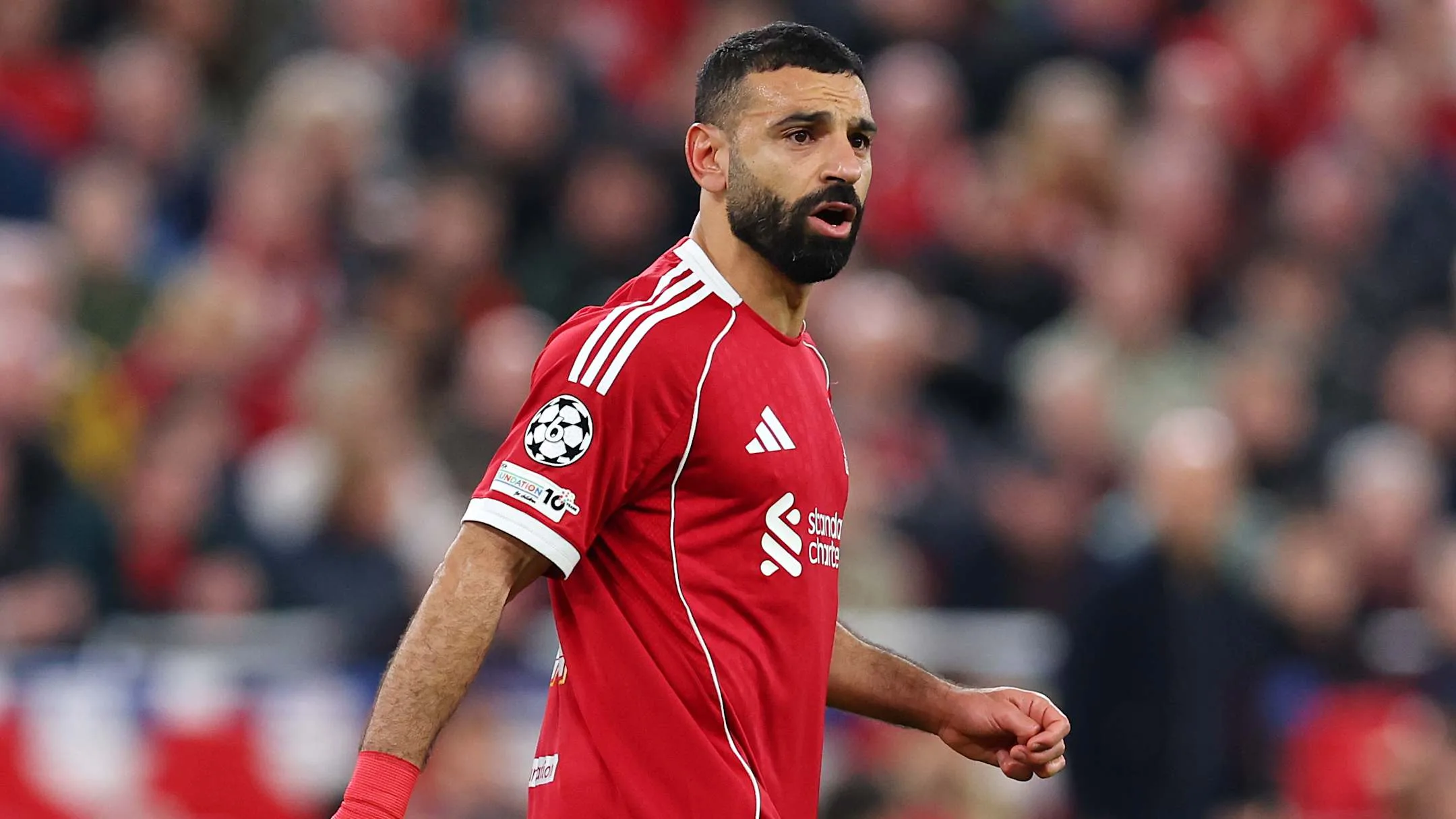
Paris Saint-Germain have been described as “a maybe” for Mohamed Salah should he leave Liverpool this summer, a prospect now joined by links to Major League Soccer and the Saudi Pro League. Sky Sports News have thrown PSG into the mix and sources say the Paris club’s interest in Salah stretches back several years.
A few seasons ago signing Salah on a free transfer would have been a near certainty for PSG as they pursued a Galácticos 2.0 approach, with a strategy of stockpiling world-class names to chase European success. The club later altered that blueprint and, paradoxically, achieved the continental glory they sought. The current model places a greater emphasis on younger recruits, with French nationality a welcomed bonus for the squad assembled at the Parc des Princes.
On the right wing at PSG today is 20-year-old Désiré Doué, an exciting player who occupies the role Salah has long made his own for Liverpool. PSG are unlikely to abandon their commitment to Doué, but the club could still show interest in Salah if the forward were willing to accept a more rotational role in exchange for a place at one of Europe’s most prestigious teams.
Much will hinge on Salah’s own ambitions. Remaining an undisputed starter at the highest level will grow harder as he approaches his 34th birthday, making a reduced role the likeliest route to a move to a side of PSG’s standing. The upcoming Champions League quarterfinal meeting between the two sides may also serve as an audition.
Clubs from La Liga and Serie A are expected to be among those considering offers, while Salah must also weigh the financial packages on offer. The riches of the Saudi Pro League are well documented and would make him one of the world’s best-paid players, though that shift would come with an obvious drop in league reputation. Major League Soccer would offer lower earnings but remains a growing destination, one that has recently attracted big names, headlined by Lionel Messi.






Arsenal
Ballon d’Or 2026: club-by-club breakdown of the leading nominees
Club-by-club guide to the 2026 Ballon d’Or nominees, led by PSG, Barcelona, Arsenal and Bayern.
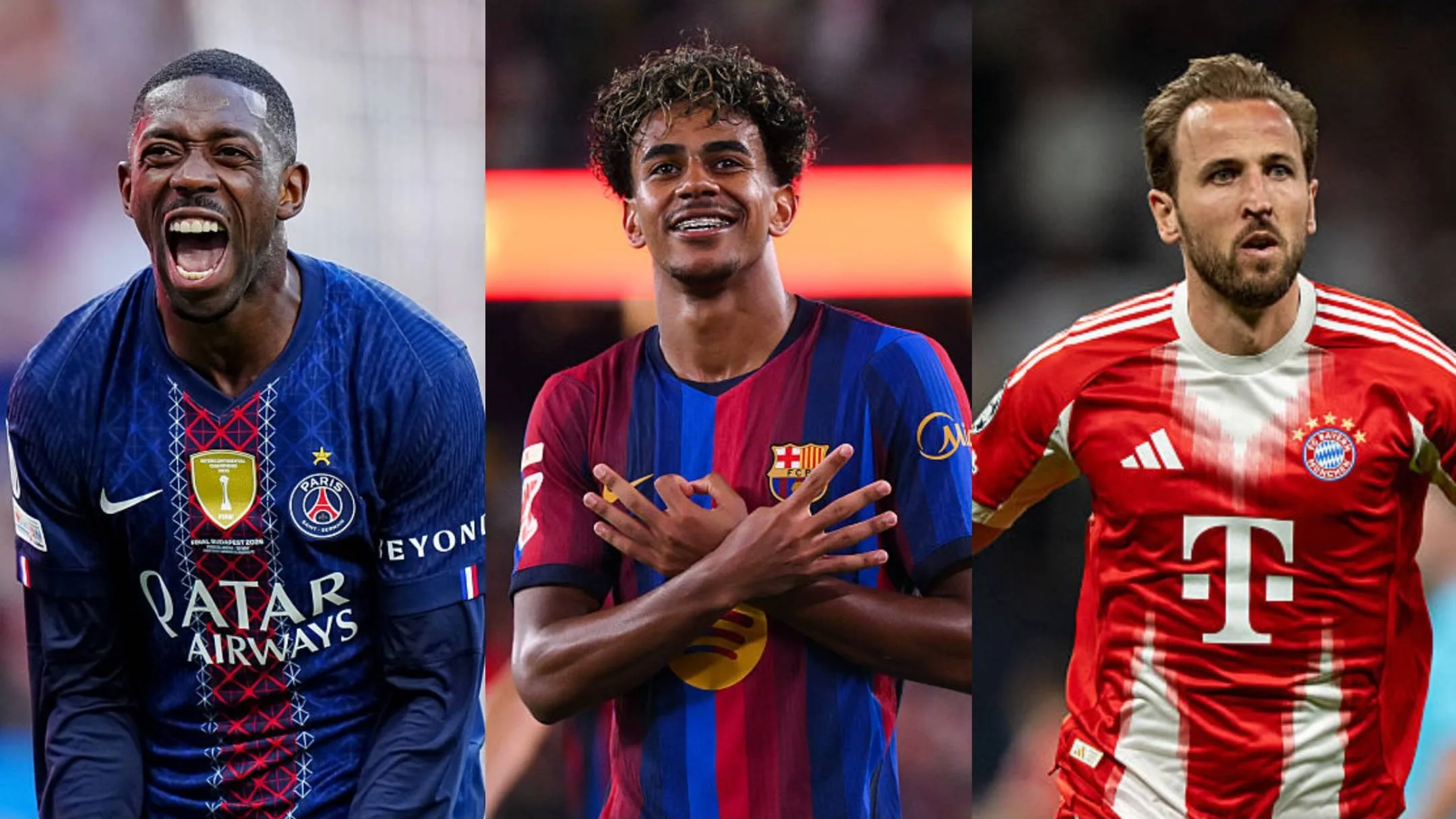
The 2026 Ballon d’Or will spotlight the game’s biggest prizes across the men’s and women’s competitions, with several of Europe’s leading clubs heavily represented on the shortlists.
Paris Saint-Germain headline the men’s field with a remarkable 10 nominations for the Men’s Ballon d’Or, while Barcelona lead overall with 20 nominees across the available categories. Bayern Munich stand alone as the only club to be nominated for both the Men’s and Women’s Club of the Year award. Arsenal, the defending English champions, appear in every men’s category except the Kopa Trophy.
PSG’s list is stacked with Ousmane Dembélé, Achraf Hakimi, Khvicha Kvaratskhelia, Marquinhos, Nuno Mendes, João Neves, Willian Pacho, Fabián Ruiz, Ferran Torres and Vitinha all named for the Men’s Ballon d’Or. Warren Zaïre-Emery is in line for the Kopa Trophy, Matvey Safonov is on the Yashin Trophy list, Luis Enrique is nominated for Men’s Coach of the Year, and PSG are up for Men’s Club of the Year.
Arsenal’s nominations are more concentrated, with Gabriel, Declan Rice and William Saliba all shortlisted for the Men’s Ballon d’Or. Mariona Caldentey and Alessia Russo are both in the running for the Women’s Ballon d’Or, David Raya is up for the Yashin Trophy, Mikel Arteta is nominated for Men’s Coach of the Year, and Arsenal are in the Club of the Year conversation.
Barcelona’s nominations span both squads, with Pau Cubarsí, Rodri, Ferran Torres and Lamine Yamal among the men’s names, while their women’s representatives include Esmee Brugts, Cata Coll, Caroline Graham Hansen, Patri Guijarro, Mapi Leion, Ewa Pajor, Claudia Pina and Alexia Putellas. Vicky López and Clara Serrajordi are on the Women’s Kopa Trophy list, Joan García is nominated for the Yashin Trophy, Pere Romeu is in the Coach of the Year race, and Barcelona are favourites for Women’s Club of the Year.
Bayern’s strongest men’s nominees are Harry Kane, Luis Díaz, Michael Olise and Dayot Upamecano, while Klara Bühl, Pernille Harder and Momoko Tanikawa feature on the women’s side. Lennart Karl is on the Kopa Trophy shortlist and Vincent Kompany is up for Men’s Coach of the Year.
Chelsea, Real Madrid and Manchester City also have notable representation across the awards, underlining how widely the nominations are spread among Europe’s leading clubs.
Arsenal
Ballon d’Or 2026 shortlists revealed across men’s, women’s and Kopa awards
Ballon d’Or 2026 shortlists are out, with Messi, Rodri, Yamal and top women’s contenders named.
The 2026 Ballon d’Or shortlists have been published, with both the men’s and women’s prizes now taking shape after the latest nominations were confirmed.
Lionel Messi is among the leading names on the men’s list as he targets a ninth Ballon d’Or, while 2024 winner Rodri also returns to contention after a Golden Ball-winning summer at the World Cup with Spain. The 30-player men’s shortlist features a heavy concentration of familiar elite names, including Kylian Mbappé, Jude Bellingham, Erling Haaland, Harry Kane and Lamine Yamal.
Paris Saint-Germain are particularly well represented, with 10 nominees among the men’s field. Ousmane Dembélé is aiming to defend the prize, while Khvicha Kvaratskhelia, Achraf Hakimi, Marquinhos, Nuno Mendes, João Neves, Willian Pacho, Fabián Ruiz, Vitinha and Lionel Messi all appear on the list. Real Madrid also have a strong presence, with Mbappé, Vinícius Júnior, Bellingham and Marc Cucurella included.
The women’s shortlist is equally competitive, although injuries have ruled Aitana Bonmatí out of a chance to claim a fourth straight Ballon d’Or Féminin. That absence leaves the door open for a first-time winner, or just the fifth different player ever to take the prize. Barcelona remain prominent through Ewa Pajor, Patri Guijarro and Caroline Graham Hansen, while Alexia Putellas is also in the frame after her summer move to London City Lionesses.
Elsewhere, the Kopa Trophy races include defending men’s winner Lamine Yamal and 2025 women’s winner Vicky López. The goalkeeper awards feature David Raya, Thibaut Courtois and Joan García among the men, with Hannah Hampton, Ann-Katrin Berger and Cata Coll back in the women’s contest.
The coach and club categories are similarly packed. PSG, Arsenal, Bayern Munich, Flamengo and Bodø/Glimt are among the men’s club nominees, while Barcelona lead the women’s club conversation alongside Bayern Munich, Man City, OL Lyonnes and Club América.
Aston Villa
2026 Kopa Trophy shortlist announced as Yamal seeks another win
Yamal leads the 2026 Kopa Trophy shortlist after another huge Barcelona season.

The 2026 Kopa Trophy nominees have been confirmed, and Lamine Yamal is once again the leading name on the list as he targets a third straight success.
Barcelona’s Yamal arrives at the ceremony after a season that underlined his growing status. He produced 24 goals and 18 assists in 45 matches for Barcelona during the 2025-26 campaign, helping Hansi Flick’s side secure La Liga. That form is expected to place him near the top of the Ballon d’Or conversation when the final ceremony is held on Oct. 26.
He is joined by club and international teammate Pau Cubarsí, who continues to build on a strong rise of his own. The centre-back finished seventh last season and now returns after winning La Liga with Barcelona and the World Cup with Spain. He also collected the FIFA Young Player Award at that tournament.
The shortlist also includes Yan Diomande, following a season that ended with a $161.6 million (€140 million) move to the Bernabéu, while Ayyoub Bouaddi has been named after Manchester City’s $111 million signing. Warren Zaïre-Emery remains a familiar figure among the nominees, having tied for eighth in 2024.
There are several first-time challengers too. Lennart Karl of Bayern Munich and Ibrahim Maza of Bayer Leverkusen represent the Bundesliga, while Bournemouth’s Junior Kroupi and Aston Villa’s Johan Manzambi bring Premier League representation to the list. Juventus’ Kerim Alajbegović completes the men’s shortlist.
The women’s Kopa Trophy, introduced in 2025, also features a strong field. Barcelona and Spain’s Vicky López, the inaugural winner, is back in contention. She is joined by teammate Clara Serrajordi, Chelsea’s Veerle Buurman, Real Madrid’s Felicia Schröder and OL Lyonnes’ Lily Yohannes.