Uncategorized
A Measured Ranking of the 20 Premier League Badges for 2025/26
A practical appraisal of the Premier League crests for 2025/26, from minimalism to celebrated classics.

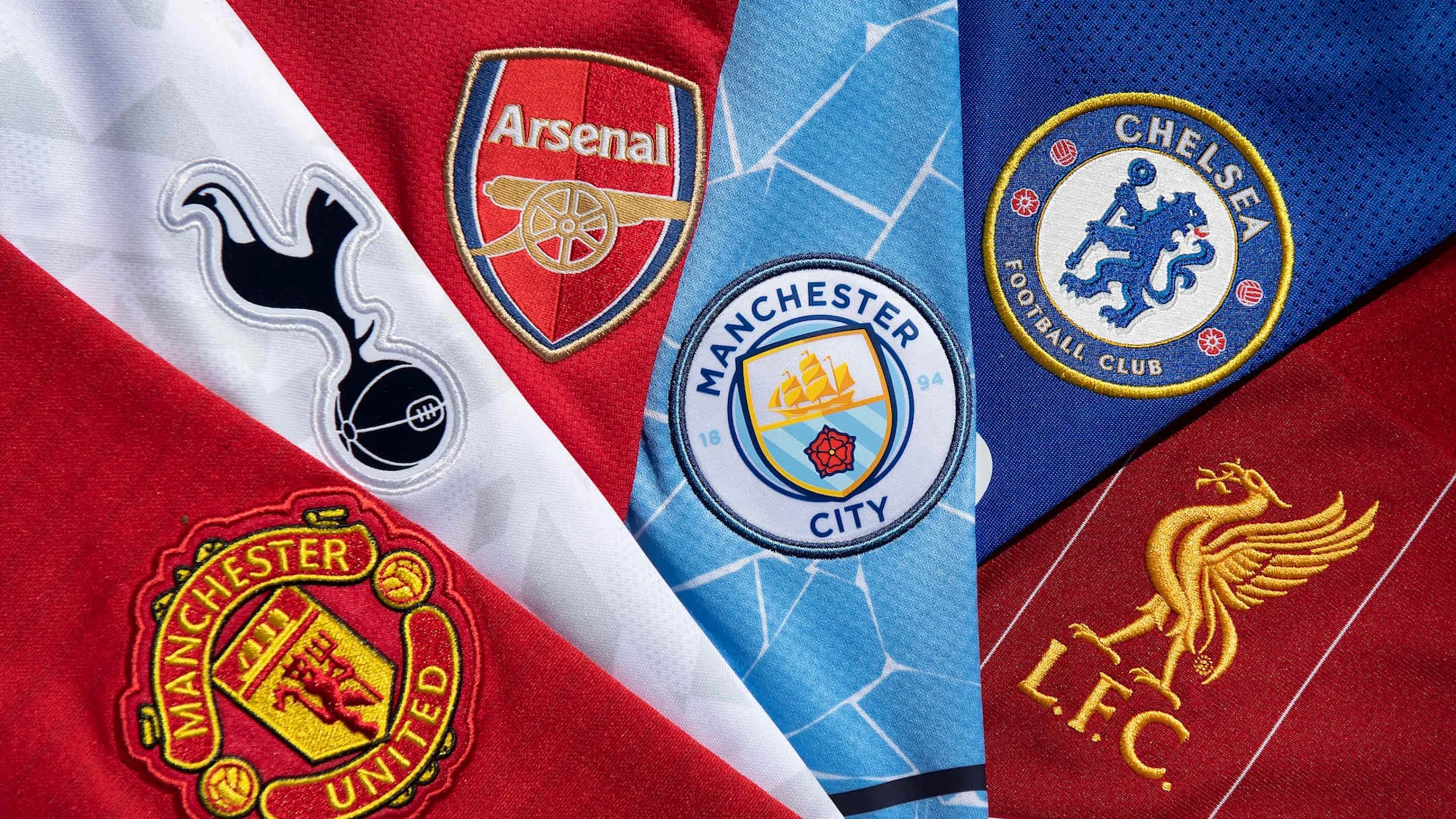
Club badges are more than decoration; they are shorthand for history, local industry, myth and supporter attachment. This piece assesses the 20 Premier League crests in 2025/26, from the spare to the storied.
Some designs favour minimalism. Brighton once embraced “The Dolphins” but moved to a simpler predator motif, a flying shape that dominates a pared-back badge. Fulham’s emblem is essentially initials, and many fans only later realise the red silhouette simply spells out “FFC”. At the other end of the spectrum, a handful of badges lean heavily on historical reference. Aston Villa’s star, reinstated after the 2023–24 redesign didn’t catch on, commemorates the European Cup win in 1982. Nottingham Forest’s return to a 1970s aesthetic feels like a conscious nod to past glory.
Colour and execution matter. Burnley’s 2023 update left the underlying crest unchanged while swapping yellow, gold and black for a purple-and-white palette. Manchester City offered a faithful modernisation of a classic badge, but it also started a wave of imitators. Brentford’s compact, high-contrast crest uses red, white and black with a prominent bee to striking effect.
Some badges register as awkward experiments. Chelsea’s current badge is described here as an attempt to recreate a historical mark, a look that divides opinion and invites talk of further rebranding under Todd Boehly. Wolves and others lean on simplified shapes that risk appearing generic. “If you didn’t use a logo pack on Football Manager from 2009 to 2014, this is what your unlicensed team’s crest looked like.”
Certain designs combine elegance with durability. Tottenham’s thin-line cockerel retains a refined quality even if it scales delicately in graphics. Everton’s post-2013 recovery produced a near-perfect emblem. Leeds uses a balanced shield, blue-and-yellow scheme and a central Yorkshire Rose to good effect. Crystal Palace pairs an imposing eagle with the iconic building, albeit at an unrealistic scale.
Badges can be sentimental as well as practical. Sunderland’s crest offers layered local references and considered composition, while Nottingham Forest and others wear their histories visibly. Across the division, the best crests are those that balance clarity, heritage and a visual identity supporters can rally behind.

Premier League
Sterling admits charges after Lamborghini crash on U.K. highway
Sterling has admitted charges after a Lamborghini crash and faces potential penalties in court.

Raheem Sterling has admitted to possession of nitrous oxide for wrongful inhalation and dangerous driving after a crash involving his Lamborghini on a U.K. highway in May.
Police were called to the scene in the morning after the car moved into the central reservation dividing the highway before hitting a metal gate at a turnout. At the time, a Hampshire & Isle of Wight Constabulary spokesperson told BBC Sport: “a single vehicle collision, involving a Lamborghini, on the M3 southbound, close to the Minley Interchange [Hampshire], on May 28, 2026.
“No other vehicles were involved and no injuries were reported.”
Sterling accepted charges of dangerous driving, possessing six canisters of nitrous oxide, a Class C drug commonly known as laughing gas, and failing to provide a specimen for analysis.
The 31-year-old was in the passenger seat when officers arrived, with the driver’s side empty and two canisters on his lap. During the court appearance, an eye witness described Sterling’s conduct as “absolutely horrendous driving”.
The U.K. Highway Code states: “Parliament sets the maximum penalties for road traffic offenses. The seriousness of the offense is reflected in the maximum penalty. It is for the courts to decide what sentence to impose according to circumstances.”
For dangerous driving, the maximum penalty is a two-year prison sentence, together with an unlimited fine and compulsory disqualification from driving.
Uncategorized
Endrick’s path becomes less certain after Diomande arrival
Endrick’s future looks unsettled after Diomande’s arrival strengthens Real Madrid’s attack.
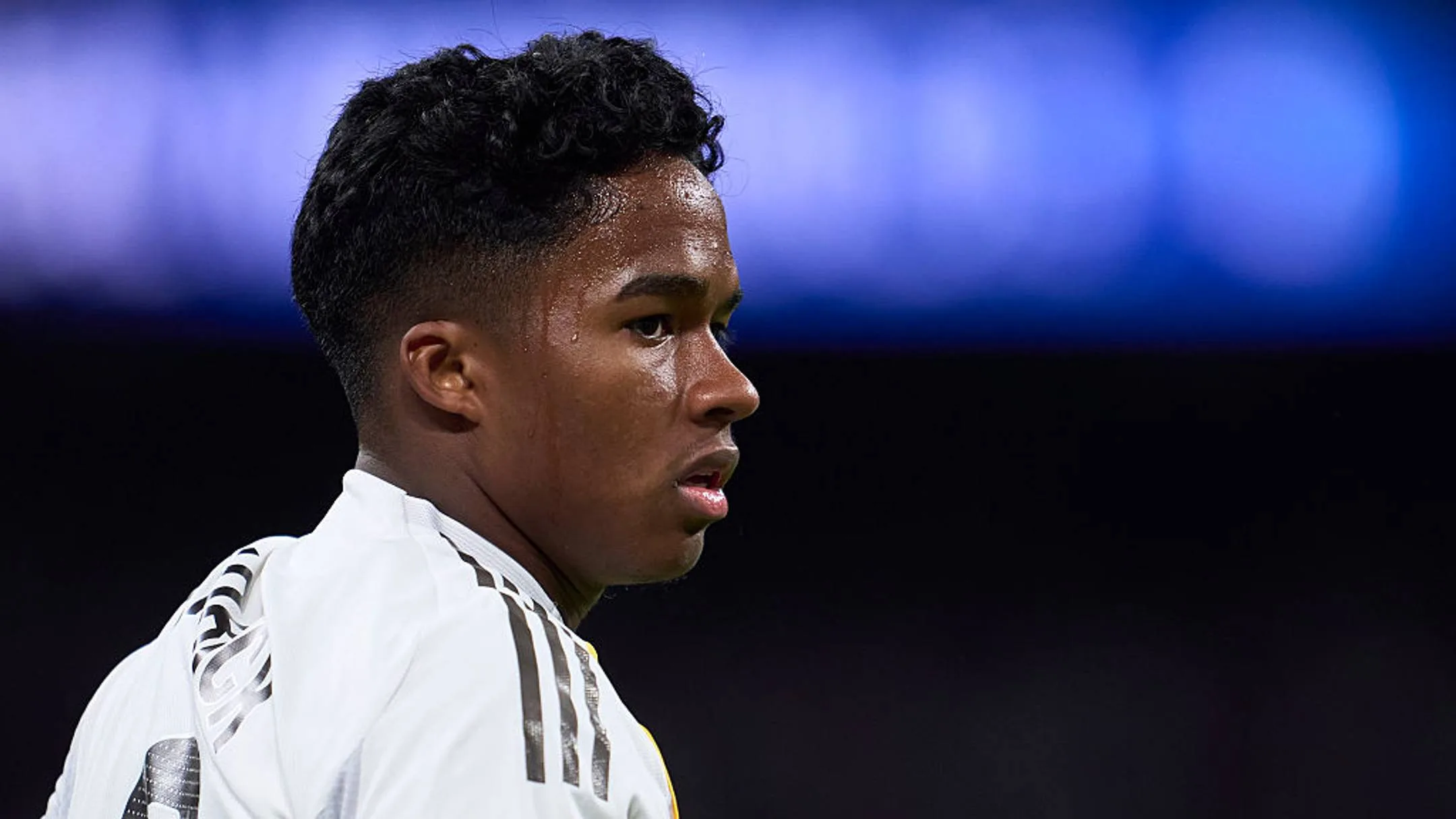
Real Madrid’s summer business has placed Endrick in a more awkward position than before, with the arrival of Yan Diomande reshaping the attacking picture. The 19-year-old has come in as the headline signing of the window and is expected to go straight into José Mourinho’s first team for the 2026-27 season, most likely on the right wing.
Diomande is capable of playing on either side, but a route into the left-sided role looks blocked by Vinícius Jr, who has recently agreed a new six-year deal. The right flank had already been identified as an area for reinforcement, especially after the ACL injury Rodrygo suffered in the spring, but the new arrival now adds further pressure to the squad balance.
That has direct consequences for Endrick, who has only just returned to the club. The 20-year-old Brazil international has found first-team chances difficult to secure since arriving with significant attention in the summer of 2024, and he spent the second half of last season on loan with Lyon.
His spell there was productive. In 21 appearances across six months, he scored eight goals and provided eight assists, form that helped earn him a place in Brazil’s World Cup squad this summer. He then shortened his holiday to join preseason training early, hoping to make an impression on Mourinho. He did exactly that by scoring the opening goal in Real Madrid’s 2-2 draw with Fiorentina, standing out while several senior players remained away after the World Cup.
Even so, the latest transfer activity makes regular minutes look far from guaranteed once competitive matches begin. Diomande now occupies one wide role, Brahim Díaz and Rodrygo are also among the options when available, and Carlos Espí has been signed as a ‘plan B’ choice for Kylian Mbappé in central attack.
Reports now suggest another loan is possible. “The possibility for Endrick to consider a loan move in the final weeks of the window is something we cannot exclude,” Fabrizio Romano revealed.
AS Roma have been linked, while Ramón Álvarez de Mon says Premier League options are being explored. Mundo Deportivo add that Real Sociedad, Villarreal and Real Betis have all asked about a loan, with Endrick said to want to play in Europe.
Uncategorized
Bayındır’s farewell leaves door open after loan departure from Manchester United
Bayındır’s message suggests a strong bond with United, despite his loan departure and limited role.
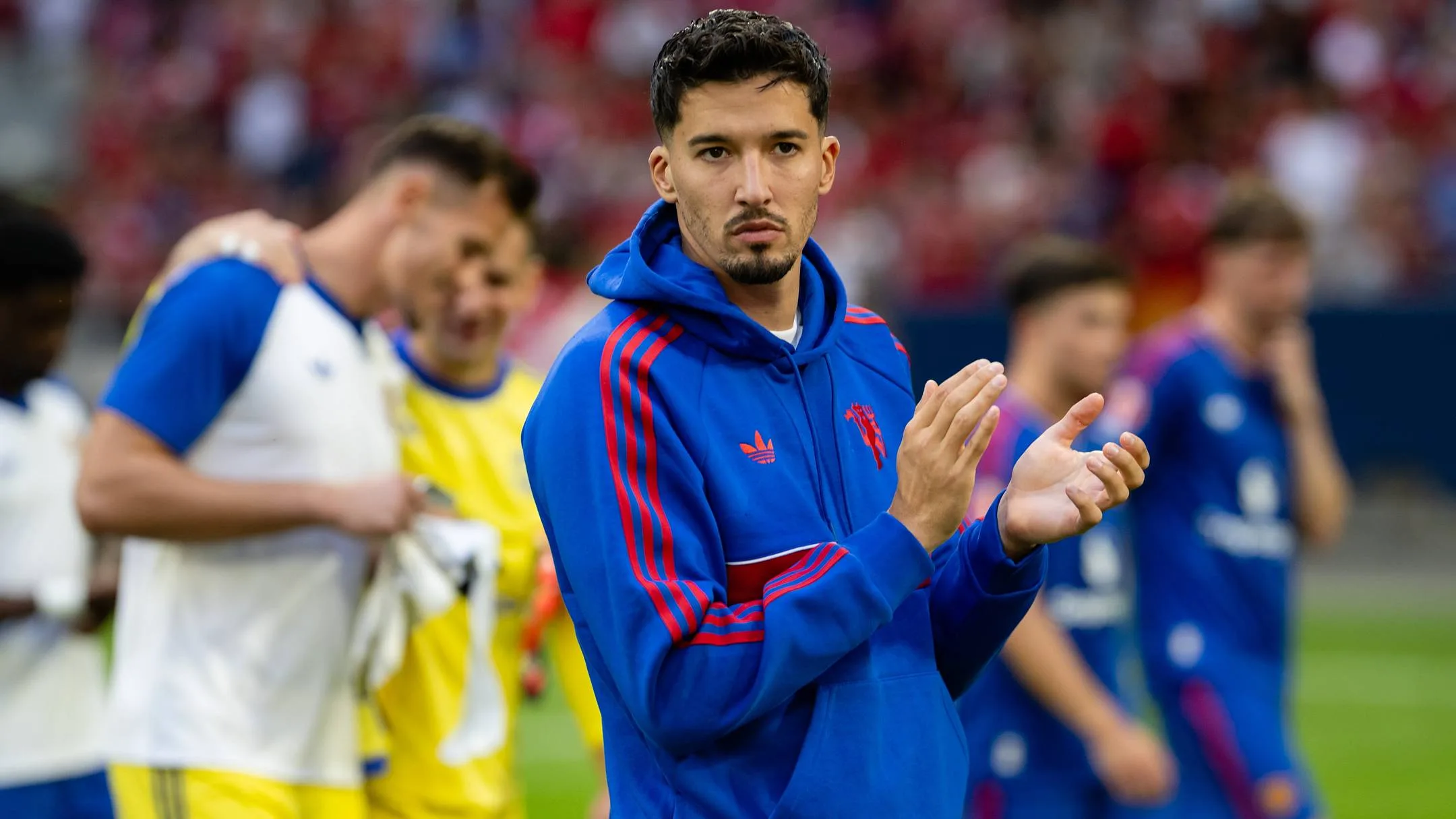
Altay Bayındır has softened the language around his exit from Manchester United, saying it is “not a goodbye” after completing a loan move away from the club.
The goalkeeper marked the move with a message of gratitude to supporters, writing: “Thank you for every chant, every message and every moment we have shared,” he wrote on social media. “Your support means a lot to me and I’ll carry it with me throughout this next chapter of my life.
“I’ll miss Old Trafford but this is not goodbye. Wishing a successful season to everyone at the club, my heart and support will always be with you.
“See you soon Reds!”
Bayındır’s words are notable given how little of the last three seasons he spent as a regular part of the side. He arrived in the summer of 2023 as one of Türkiye’s top goalkeepers, but managed only 17 appearances for United, most of them while serving as backup to André Onana or, more recently, Senne Lammens.
A series of uncertain displays did little to strengthen his standing at Old Trafford. The arrival of veteran stopper Karl Darlow on a free transfer further pointed towards a future away from Michael Carrick’s squad.
United have also handed Celta a bargain permanent transfer option which, while not guaranteed to be used, appears likely to become a full exit next summer if he produces a strong campaign in Spain’s top flight.
The overall picture suggests United are prepared to move on, even if the feeling is not entirely shared by Bayındır. His farewell hinted at a genuine connection with the club despite a frustrating three-year spell.
That departure also fits into United’s wider plans, with the club now understood to be focusing on exits as they look to raise funds for further summer spending.
Complicating that process are salary rises on contracts agreed under the previous ownership. With United back in the Champions League, several players have already received pay increases of up to 25%.