Arsenal
Andrea Berta’s Transfer Ledger: Successes and Missteps from Atlético to Arsenal
Appointed in March 2025, Andrea Berta’s transfers range from Rodri and Griezmann to costly misfires.

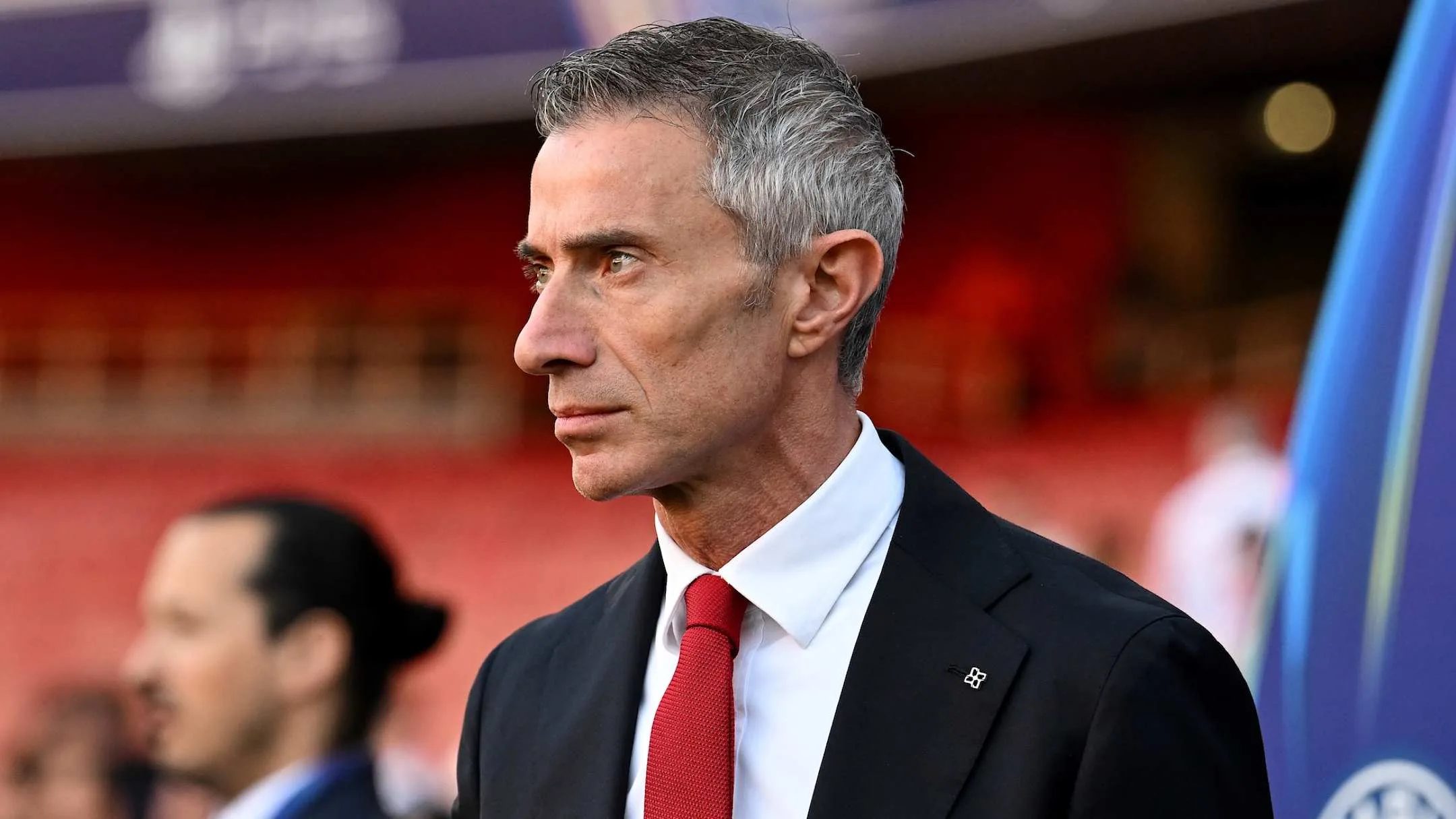
Andrea Berta arrived at Arsenal in March 2025, succeeding Edu Gaspar and immediately bringing a résumé built at Atlético that mixed decisive finds with expensive errors. His time in Madrid was defined by an eye for potential and a willingness to back unconventional moves.
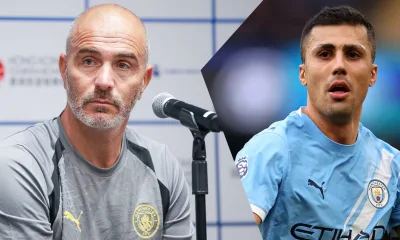
Among his clearest successes was Rodri. Released by Atlético as a youth, he impressed at Villarreal and was re-signed for around $23 million in the summer of 2018. Within 12 months Manchester City activated his $83.5 million release clause, beginning his transformation into a future Ballon d’Or winner. Marcos Llorente was another shrewd acquisition. Signed from Real Madrid in the summer of 2019 as a replacement for Rodri, Llorente had made just 39 senior appearances for Madrid and had been told by Zinedine Zidane that he was not part of his plans. For $47 million he became a perfect fit for Diego Simeone, making well over 250 appearances and becoming one of the manager’s most trusted players.
Berta also showed instincts for bargain flips. He helped Genoa turn a profit on Leonardo Bonucci in 2009, buying for $4.7 million and selling for $12.4 million within a month. The decision to sign Luis Suárez for $8 million in 2020 was unfashionable but effective; Suárez scored 21 La Liga goals in his first season to fire Atlético to the title and added 11 the following campaign. The Antoine Griezmann cycle remains perhaps Berta’s most impressive piece of business: sold to Barcelona for $141 million, recalled on loan in 2021, Atlético refused to trigger a $47 million option and eventually re-signed him permanently for $23.5 million.
Yet the record contains costly mistakes. Viktor Gyökeres arrived at Arsenal for $85 million in June 2025 and had an underwhelming start, with most of his seven goals up until Christmas described as flukes and Mikel Arteta deploying Mikel Merino up front in response. Atlético paid around $70 million to re-sign Diego Costa in 2017 only for his contract to be terminated three years later. Thomas Lemar, a near-target for Arsenal in 2017 after a failed $117.5 million bid, has struggled for Atlético and is on loan at Girona in 2025–26, with just 10 goals in seven seasons. Jackson Martínez, signed for $41 million from Porto after 92 goals in three seasons, lasted six months before being sold and prompting Atlético president Enrique Cerezo to say Martínez “was not at the level” of the club. Finally, João Félix’s $148 million arrival in 2019 produced a mixed four-year spell that never fully justified that outlay.
Berta’s ledger is unmistakably mixed: decisive scouting and spectacular value plays alongside high-cost gambles that did not always pay off.




Arsenal
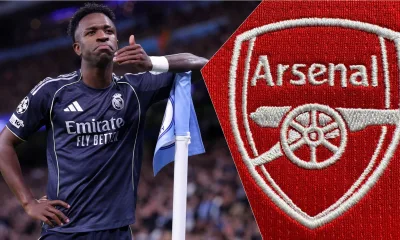
Arsenal’s Vinícius Júnior Interest Meets Real Madrid Resistance
Arsenal are waiting as Real Madrid and Vinícius Júnior enter fresh talks over his future.

Arsenal’s reported interest in Vinícius Júnior has emerged as one of the summer’s most ambitious transfer storylines, but the scale of the challenge remains clear. The Gunners are understood to be monitoring whether a move for the Real Madrid winger could become possible, even if the Spanish club still hold the upper hand.
Vinícius is still only 26 and remains one of the most destructive wide players in world football. He has already won the 2024 FIFA The Best Men’s Player Award and finished second in that year’s Ballon d’Or behind Manchester City’s Rodri. For Arsenal, his profile makes obvious sense, with the Brazilian seen as a player who could elevate Mikel Arteta’s attacking options immediately.
Yet the current reality is that Real Madrid are still in control. Vinícius returned to the club’s training base on Monday for his standard medical checks after his holiday following the 2026 World Cup. Jose Mourinho confirmed he was due back on Monday, and the winger has already completed his first training session ahead of the 2026-27 campaign.
That return is expected to trigger a fresh round of contract talks, after 18 months in which agreement on a new deal has proved elusive. The biggest issue remains Vinícius’s push to become the first player in club history to receive a renewal bonus. Reports have suggested he may be willing to soften that stance, but there is still a significant gap to bridge.
Florentino Pérez has long been regarded as one of Vinícius’s strongest supporters, but he has also shown he will not bend easily in negotiations. The wider message is simple: Vinícius, Mourinho and Pérez all want him to stay, but each appears to want it on their own terms.
Unless a compromise is found soon, Real Madrid could even weigh up a sale this summer rather than risk losing him for nothing a year later. Arsenal, for now, are waiting. They are reportedly prepared to make him one of the club’s highest earners, and Andrea Berta has already held talks with his camp, according to The Athletic.
Analytics & Stats
One priority signing each Premier League club should target before the window closes
A club-by-club look at the main transfer priority every Premier League side still needs to address.
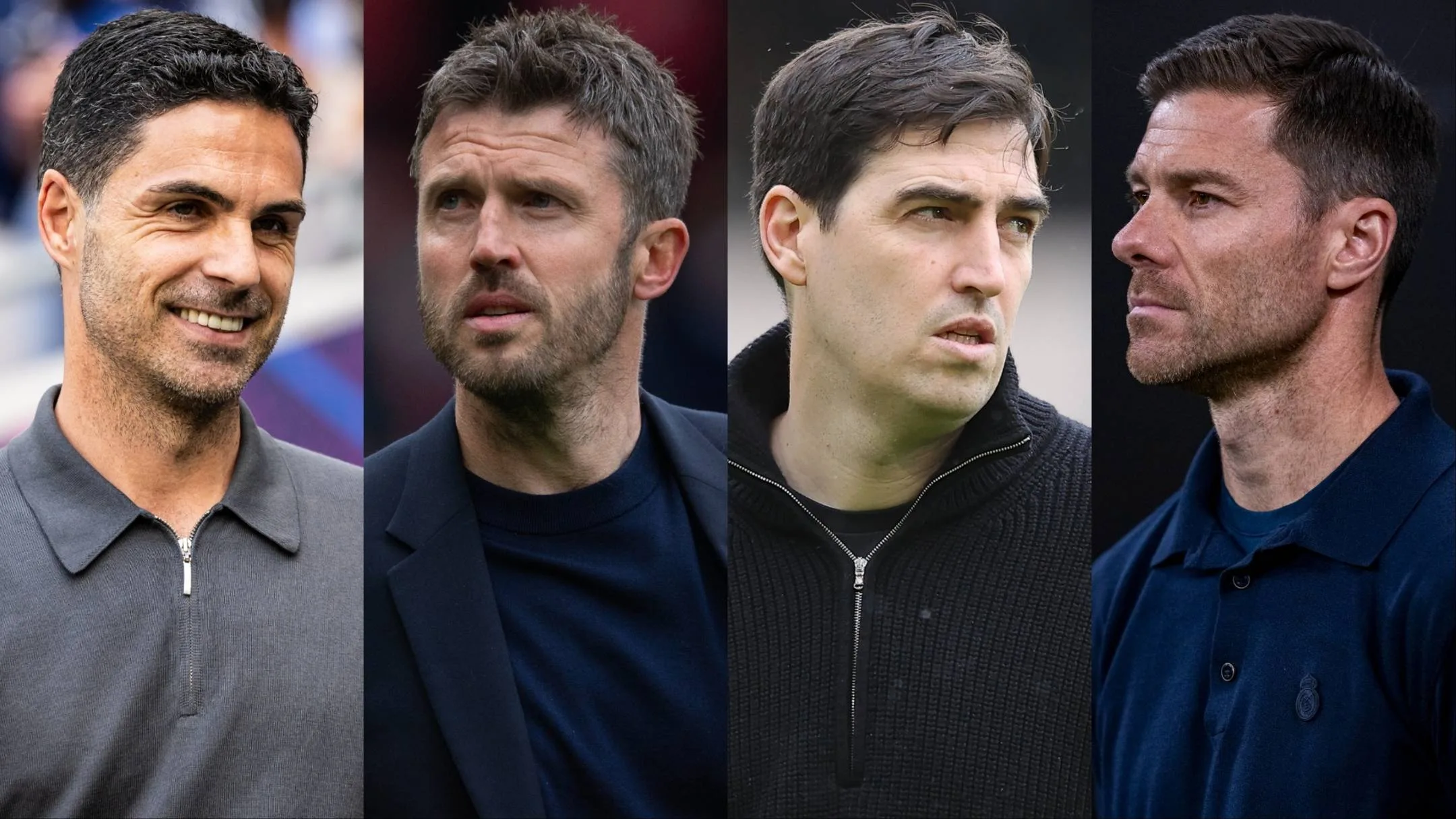
With less than a month left in the transfer window, Premier League clubs are still expected to be busy. Incomings and outgoings remain likely across the division, and every side still appears to have at least one clear gap to fill before the deadline.
Arsenal may be attracting attention with their pursuit of Vinícius Júnior, but their bigger need is in central midfield. Declan Rice carried too much of the load last season, while Martín Zubimendi faded after the break and Myles Lewis-Skelly is not yet fully trusted there. Another box-to-box midfielder would help enormously.
Aston Villa could soon be short at left back if Lucas Digne leaves, which would leave Ian Maatsen as the only senior option. Bournemouth need more depth in wide areas, Brentford still require a more natural left back, and Brighton & Hove Albion must replace the goals lost with Danny Welbeck’s move to Chelsea.
Chelsea, meanwhile, have done plenty of work already but still have not addressed the goalkeeper position. Robert Sánchez improved in 2025-26, yet the club still look in need of a top-class solution.
Elsewhere, Coventry City are close to signing Carl Rushworth permanently and would then turn to left back. Crystal Palace need centre-back reinforcements after losing Marc Guéhi and Maxence Lacroix, while Everton must add a defensive midfielder after Idrissa Gana Gueye’s departure.
Fulham will look for winger depth after strengthening up front, Hull City want more options in attack, and Ipswich Town are still waiting for a central midfielder. Leeds United may also need another striker to cover for Dominic Calvert-Lewin’s injury record.
Liverpool’s most pressing issue is out wide, Manchester City need a right back, Manchester United still want a more destructive midfielder, and Newcastle are alarmingly short at left back. Nottingham Forest must replace Elliot Anderson in midfield, Sunderland need more balance on the left side, and Tottenham Hotspur have already moved aggressively to rebuild after last season’s collapse.
Arsenal
Arsenal Restore Yellow For 2026-27 Third Kit
Arsenal have brought back yellow for their 2026-27 third kit, with ambition driving the new design.

Arsenal have revived a familiar look for their 2026-27 third strip, bringing back yellow for the first time in five years.
The colour had not appeared on the pitch since 2021-22, when it was last used in match kit form. Since then, it has been kept largely for lifestyle collections, but it now returns for Mikel Arteta’s side as they prepare for the new campaign.
Released with the tagline “Arsenal State of Mind,” the design is built around the idea that the club is “more than a club” and instead “a shared sense of possibility.” That message fits the mood around Arsenal this season, with expectations high after last season’s Premier League title and a drive to add European success.
Alessia Russo spoke about what the kit represents from a player’s perspective. “Being part of Arsenal means being part of something bigger than yourself,” said Arsenal Women forward Alessia Russo. “There’s a sense of belief, ambition and togetherness that connects everyone who loves this club.
“That’s what Arsenal State of Mind means to me. It’s the feeling that we’re all part of the same journey and pushing towards the same goals. We can’t wait to wear this kit and create more amazing memories with our supporters this season.”
The third kit is completed with navy shorts and socks, and is now available through Arsenal and adidas.
The club’s ambitions do not stop there. Kai Havertz made clear that the target is to keep pushing after last season’s league triumph. “We want all the trophies,” he vowed. “That’s what we’re here for. We won the Premier League now but there’s a lot more that we can do.
“We have to reach another level to make that happen because we know how long the season is and how hard it is to go through all the competitions. We want to do it better again this year and make things happen again.”
He continued: “I think we can, or we have to go further. ”