Manchester United
United’s problems run deeper than one result
United’s defeat brought sharp criticism, but Tielemans says the answer is still the same.

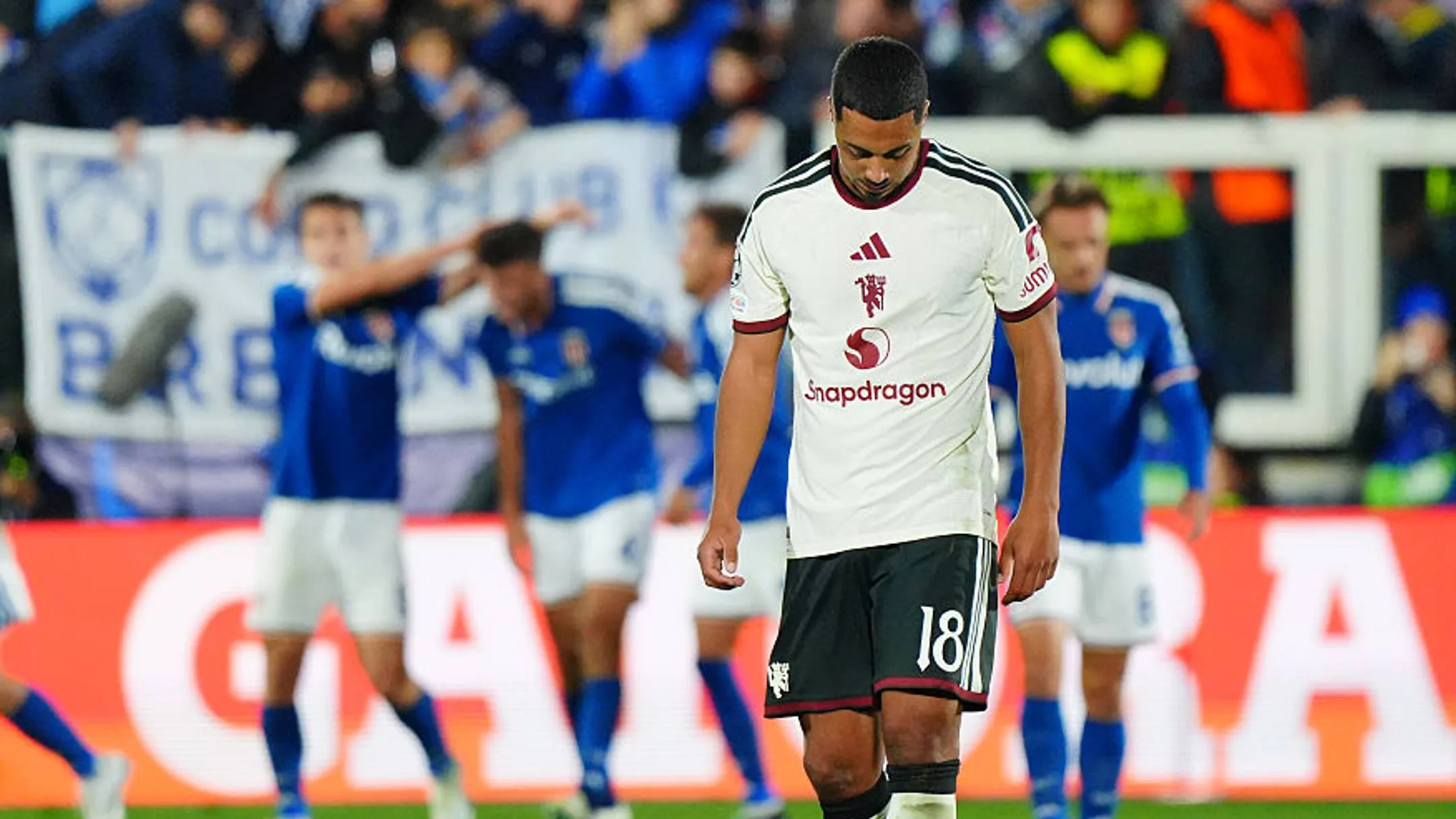
Manchester United’s defeat to Como in the Champions League prompted blunt assessments from inside the camp, but the aftermath did little to offer a simple fix. Youri Tielemans summed up the mood with a line that cut across the squad’s performance: “We need to try and do better at everything.”
The size of the setback was underlined by Nico Paz, who played a central role in United’s collapse. “It was a historic night because we played against one of the best clubs of all time,” he said, a comment that framed the result as more than just another bad evening.
Bruno Fernandes, meanwhile, pointed directly at Michael Carrick and the staff when discussing the tactical approach. “That’s on the manager and the staff to say [if it cost the match],” he said, before adding his own view on what the team should have done differently. “Sometimes we have to be more brave under pressure and trying to take a risk of getting that press very high and making them uncomfortable.”
Tielemans was less interested in assigning blame, but his analysis was still severe. Speaking separately to MUTV, he said: “We were disjointed as a team, we didn’t play well together, our press was off and when we were on the ball, we could not make the right decisions”
He went further in describing the scale of the issue. “It’s a combination of everything, whether it’s tactical, technical, effort… We need to try and do better at everything,” he said.
“You can be good tactically, but if the effort is not good, or the other way around, it doesn’t matter. You need to be good at everything and we were poor at everything. It’s down to that,” Tielemans added.
Asked how the team recover, he offered no new solution. “It’s the same message as we’ve had the last few weeks,” he said. “We can be here and talk about it but we need to show it on the pitch. We can only apologise to the fans. They’re disappointed, we’re disappointed, and the only thing we can do is try and show something on the pitch, which we didn’t do enough of the last few weeks.”
His remarks echoed the club’s own old standards, when a public message in December 2013 said: “David Moyes says #mufc must improve in a number of areas, including passing, creating chances and defending.” Back then, the response came quickly. This time, it is much harder to see the same outcome.




Manchester United
How Manchester United’s Summer Could Have Been Reworked
Manchester United fixed midfield, but left key gaps elsewhere, and the cost is becoming clear in 2026/27.

The optimism that briefly surrounded Manchester United in the second half of the 2025-26 season has evaporated, and the summer window now looks even more questionable in hindsight.
It was not a case of United standing still. They did act, but the order of operations appears to have been wrong, with midfield treated as the central fix while wider structural needs were left for later. In a squad rebuild that has been split across several windows, the club first prioritised attack in 2025, then midfield in 2026, and planned to deal with defence in 2027. That approach left gaps elsewhere and reduced flexibility.
The midfield business was understandable in isolation. Manuel Ugarte’s World Cup injury and Casemiro’s January departure left Kobbie Mainoo as the only natural central midfielder in the senior squad. Even so, there is a sense that United focused too narrowly on quantity rather than the balance of the team.
Carlos Baleba had long been on the list, while the move for Andrey Santos carried more risk given his quiet 18 months in English soccer. Youri Tielemans, by contrast, was viewed at the time as a sensible and economical signing. United also considered Éderson, but walked away from a $52 million deal because of fitness concerns. Since then, he has started nine of Atalanta’s 10 games this season.
There were also other options United did not fully pursue. Mamadou Sangaré, Morten Hjulmand, Neil El Aynaoui, Chema Andrés and Youssouf Fofana were all in the broader conversation, according to the draft’s account.
The bigger issue is what was postponed. A left back was required, another centre back would have helped, and even a modest striker could have eased the burden on Benjamin Šeško, whose injury record remains a concern. Lewis Hall, Alejandro Balde, Pep Chavarría, Alejandro Grimaldo, Miguel Gutiérrez, Ezri Konsa, Luka Vušković and Tarik Muharemović all featured as possible routes United might have explored. Danny Welbeck was also mentioned as a reliable veteran option who could have reduced pressure on Šeško and Joshua Zirkzee.
United solved one problem, but left too many others waiting.
Manchester United
Ten Hag revisits Manchester United tenure in candid second interview
Ten Hag revisits his Manchester United reign, from Sancho and Antony to Rashford, Garnacho and pre-season.
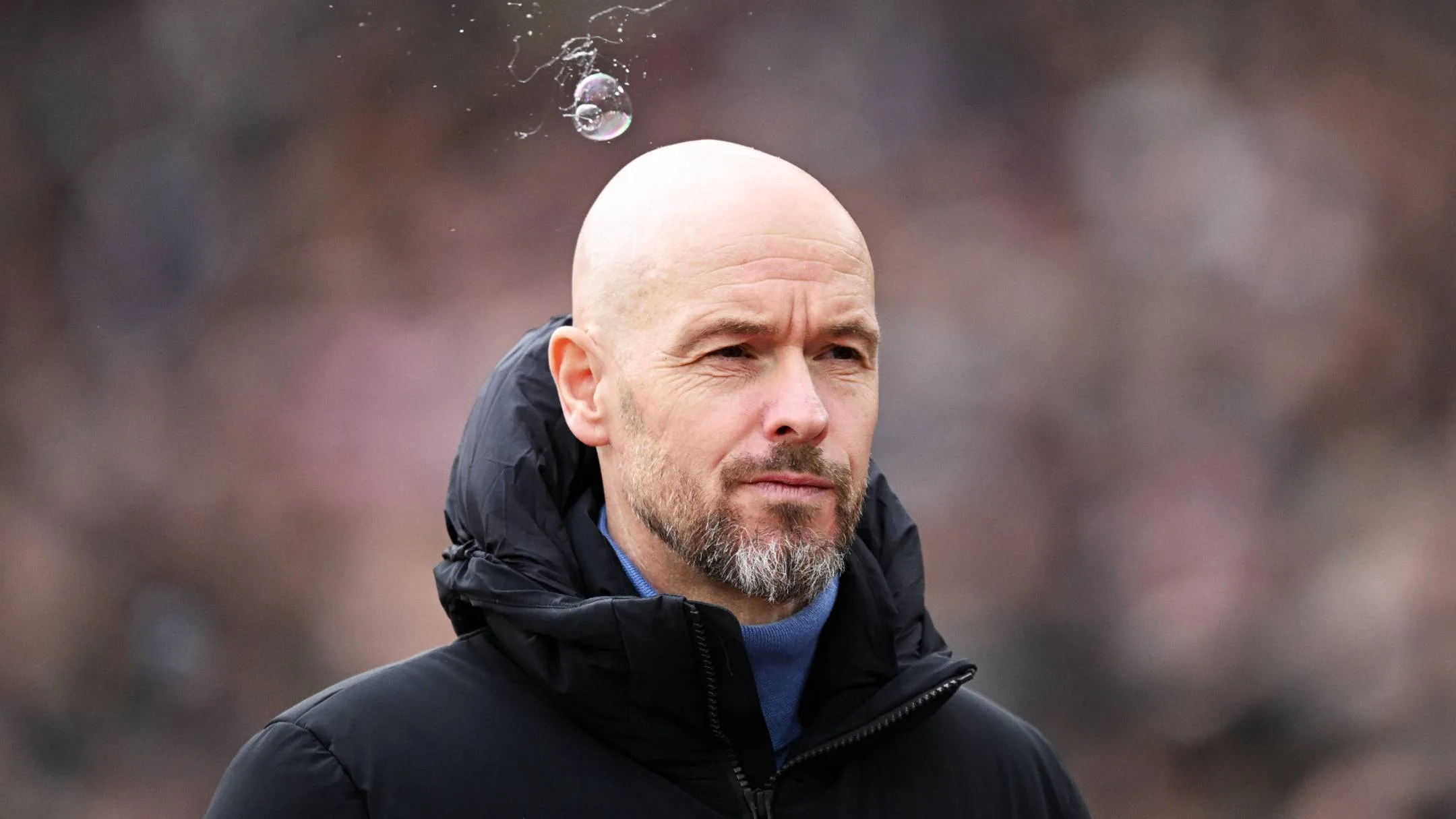
Erik ten Hag’s reflections on his Manchester United spell did not end with one interview. In a follow-up conversation with The Athletic, the Dutch coach offered further detail on a turbulent period that still invites scrutiny.
One of the more striking claims concerned Jadon Sancho and the knock-on effect it had on United’s recruitment. Ten Hag said Sancho’s preference for playing on the left created a problem and contributed to the club moving late, adding: “There came up a problem because Sancho didn’t want to play on the right side; he said that,” Ten Hag explained. “Which was very weird; he played often on the right. He said he felt more comfortable on the left. So there we had an issue, and we were late.” That delay, he suggested, helped push United toward the signing of Antony for more than $115 million (£86 million). Antony’s return over two-and-a-half years was 12 goals in 96 appearances.
Ten Hag also pointed to the club’s pre-season tour in the United States as a major factor in United’s poor 2023-24 campaign. “The tour was so much expectation on the players,” Ten Hag fretted about a schedule that took in New York, Houston and Vegas. “We got exhausted from all the kilometers. We started in New York, we played in Houston, we played in Vegas, went back, we gave them a couple of days off, and then we didn’t train proper tactical and physical work for 10 days because they were totally killed … We were never fit.”
He added that injuries and constant reshuffling made consistency almost impossible. “So it’s almost impossible to get automatism in,” he said.
The interview also revisited Alejandro Garnacho, whom Ten Hag helped develop. “I regret where he is now,” Ten Hag admitted. He praised the winger’s qualities while noting the need for discipline and trust.
Ten Hag defended his relationship with players and former professionals in the media, and he also highlighted Marcus Rashford’s best season under his management, stressing Wout Weghorst’s role in that form. “Wout was one of the reasons Rashford was so important,” Ten Hag insisted.
He ended by standing by his broader view of what might have followed. “We could have won the title if we had continued on building,” he claimed, with a straight face. “But in that time we were not consistent enough; the squad was not good enough to win it.”
Manchester United
Ten Hag revisits United fallout, broken promises and dressing-room fault lines
Ten Hag explains broken promises, key transfers, and why his United tenure collapsed.
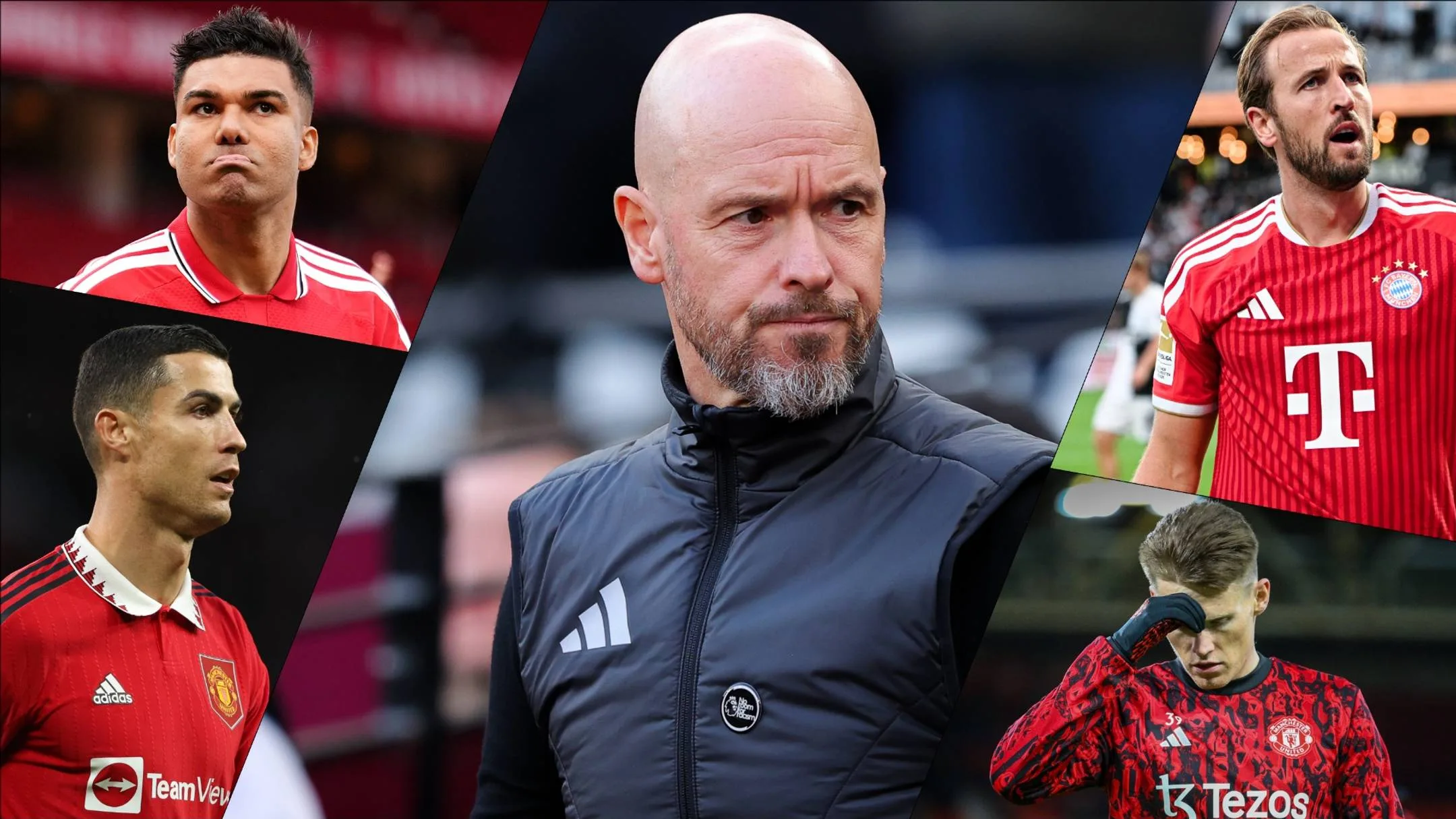
Erik ten Hag’s latest reflections on his time at Manchester United lay bare just how quickly a promising appointment unravelled. Hired in the summer of 2022 to steady a team in decline, he has described the final stretch of his spell there as farcical, with support that was promised but not delivered.
One of his sharpest frustrations centred on the end-of-season review that kept him in place, only for him to be dismissed three months later. Ten Hag said United assured him of loyalty, backing and clear communication, but insisted those commitments were not honoured.
He also pointed to the sale of Scott McTominay as a major source of disappointment. Ten Hag said he had made clear in Ibiza that the midfielder should not be sold, arguing that United needed his goals and mentality. Instead, McTominay moved on, leaving the manager embarrassed and dismayed.
The Dutchman was equally direct on the wider culture around the club. He said players carried heavy responsibility and suggested United had allowed an unhealthy environment to persist. That echoed concerns raised previously by Ralf Rangnick, whose warning about the need for sweeping change now sounds even more pointed in hindsight.
Ten Hag also spoke about the so-called “Madrid connection,” arguing that the arrivals of Raphaël Varane, Cristiano Ronaldo and Casemiro brought a level of power and ego that did not suit the stage United were at. In his view, the leadership wanted one style of football, while those players preferred something that suited them more.
His disagreement with Cristiano Ronaldo remains one of the defining episodes of the period. Ten Hag stood by the decision to leave him out, saying: “He let the team down, and he let me down, because we planned with him,” while also saying: “I flew out to Portugal to speak with him about what I was aiming for before I came to United. Obviously, he’s one of the best in football history . I respected him a lot. But at that time, as a manager, I had to make a rational decision and keep the players I admire in.”
Recruitment also came under scrutiny. Ten Hag said he pursued Frenkie de Jong, Declan Rice and Harry Kane, but United failed to land them. He believes those profiles would have given the squad greater stability and authority, even as he acknowledges his affection for the club remains intact.