Arsenal
Premier League 2026/27: the big question facing each club
Every Premier League club faces a different test as the 2026/27 season begins with uncertainty.

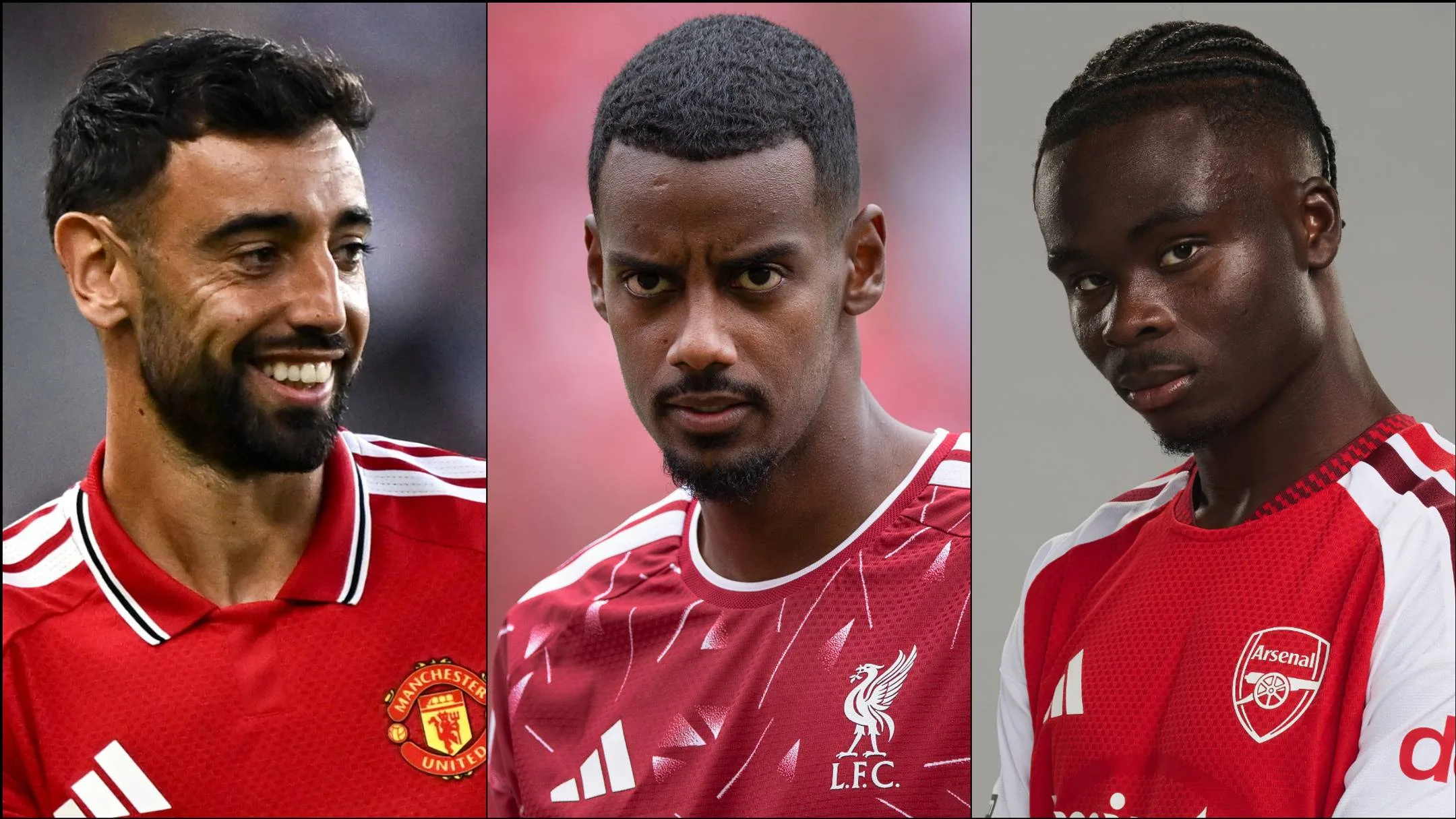
With the 2026/27 Premier League campaign approaching, uncertainty hangs over almost every club. Some arrive with momentum, others with major turnover, and several face a season defined by change rather than stability. The questions are different, but the pressure is universal.
Arsenal’s challenge is whether a title drought can finally be lifted without the weight of recent near misses slowing them down. Their squad still looks built for attacking football, with Riccardo Calafiori offering an extra route into the box alongside Bukayo Saka, Martin Ødegaard and Eberechi Eze. Yet stricter rules on contact at set pieces and the long-term absence of William Saliba may limit familiar strengths.
Aston Villa also enter the new season with serious strain. Unai Emery has delivered remarkable success, but the club have lost important figures across the playing and coaching staff, while Youri Tielemans, Morgan Rogers and Amadou Onana’s ACL injury have left the midfield in need of repair.
Elsewhere, Bournemouth face life after Andoni Iraola, Brentford must prove Igor Thiago’s extraordinary scoring run can last, and Brighton step into Europe with the burden that comes with being a Premier League side in continental competition.
Chelsea remain in a cycle of renewal, this time leaning into experience with Danny Welbeck and Jordan Henderson. Crystal Palace, Everton, Fulham, Hull City and Ipswich Town each have their own defining issue, whether that is upheaval, recruitment, a managerial reset or a difficult leap in ambition.
Leeds United must survive the “difficult and dangerous” second season. Liverpool need to adapt to a more physical game. Manchester City are reshaping a key area of the pitch without Pep Guardiola. Manchester United must handle a far busier schedule. Newcastle have lost too many regular starters. Nottingham Forest have handed another manager a highly volatile job. Sunderland face the demands of Europe, while Tottenham and West Ham are already living with the cost of major squad reconstruction.
The new season begins with one common theme: every club has a question to answer.



Arsenal
Arsenal face selection reshuffle as injuries shape Leeds United return
Arsenal expect several changes for Leeds United, with Arteta managing injuries across defence and attack.
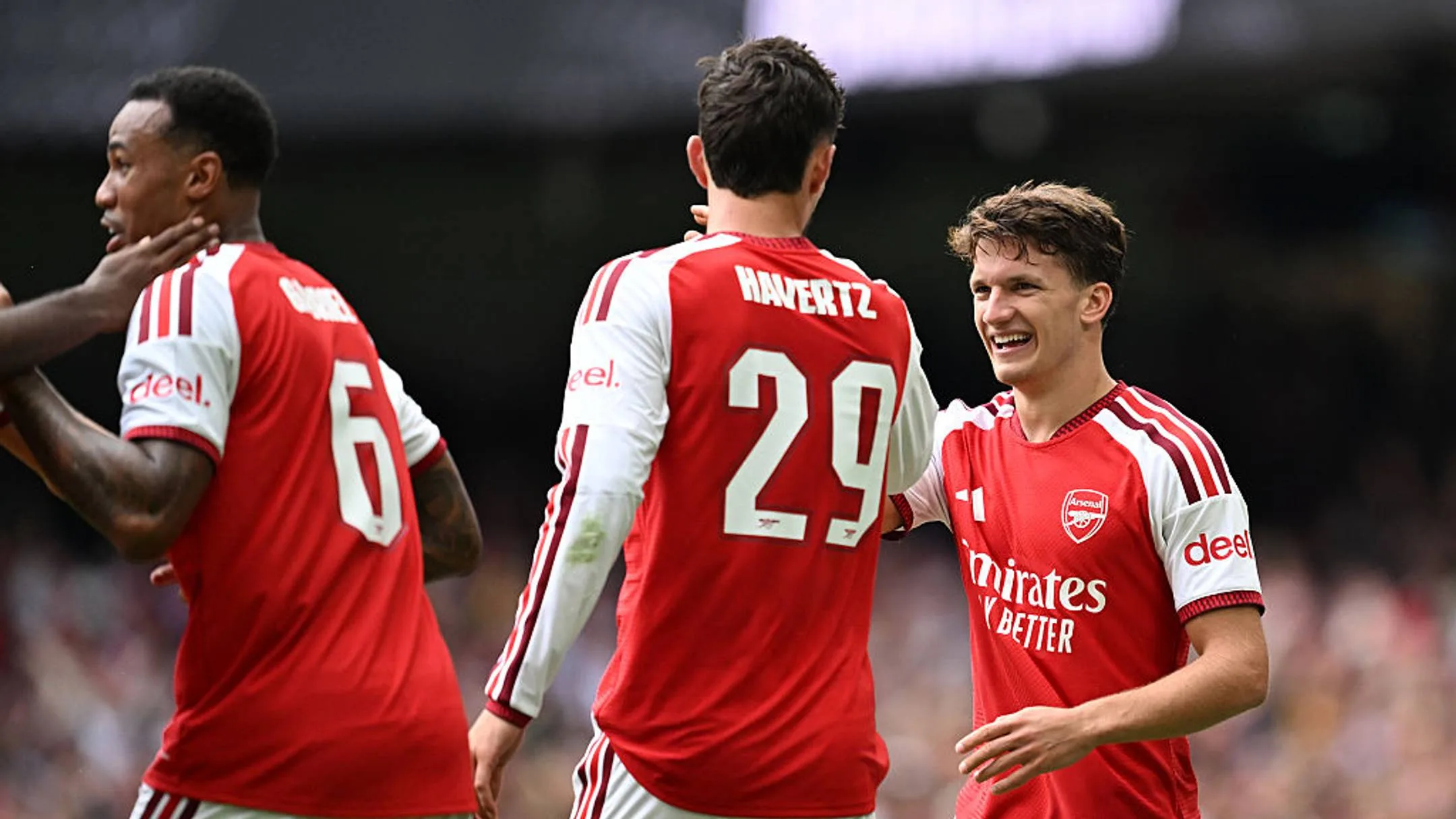
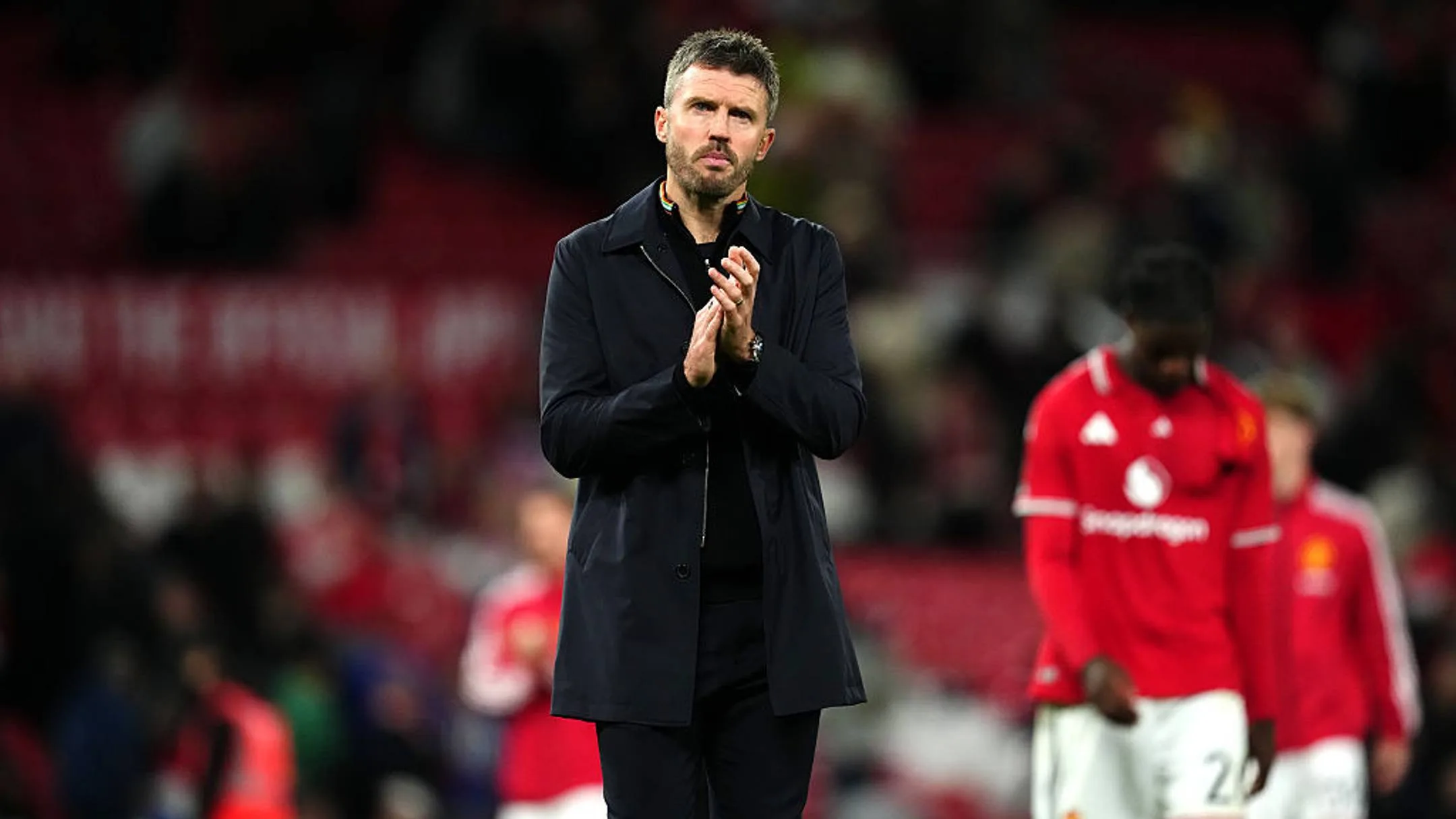
Mikel Arteta has had the international break to reflect on Arsenal’s heavy defeat at Brighton & Hove Albion, but the pause has not simplified his plans for the Premier League return. Leeds United visit Emirates Stadium on Saturday, and the champions are expected to make several changes because of fitness concerns across the squad.
The most significant absentee remains William Saliba, who is out for the long term with a back problem. Arsenal also lost Ben White to a groin issue during the win at Sunderland, though the right back is now expected to return after being seen in training images last week. Declan Rice, meanwhile, has been managed carefully after a demanding summer and recurring hamstring discomfort, and he should also be available for Leeds.
There is better news in defence through Cristhian Mosquera, who has recovered from the hamstring injury he suffered in August and could come back into the side. If Ezri Konsa is not ready after his dead leg, Mosquera may be the natural option to line up alongside Gabriel. Jurriën Timber is another factor at right back, although his minutes are being monitored after summer groin surgery.
Arsenal’s attack has taken the sharper hit. Kai Havertz and Christos Tzolis both picked up hamstring injuries while away with Germany and Greece, and both are expected to miss the next couple of weeks. That leaves Arteta with limited routes through the middle and on the left, where Eberechi Eze has not yet made a major impact. Noni Madueke could also be used there, while Viktor Gyökeres is the likeliest candidate to replace Havertz up front after scoring four in four for Sweden during the break.
Max Dowman is available despite a contact injury and a red card for England’s U-19s, while Bukayo Saka came through the break unscathed. With Rice and White expected back, Arteta can at least restore some structure, but the forward line remains the main concern heading into a difficult fixture.
Arsenal
Arteta’s new Arsenal deal puts him at the top of Premier League manager pay
Arteta’s Arsenal contract until 2030 is reportedly the Premier League’s biggest managerial pay rise.
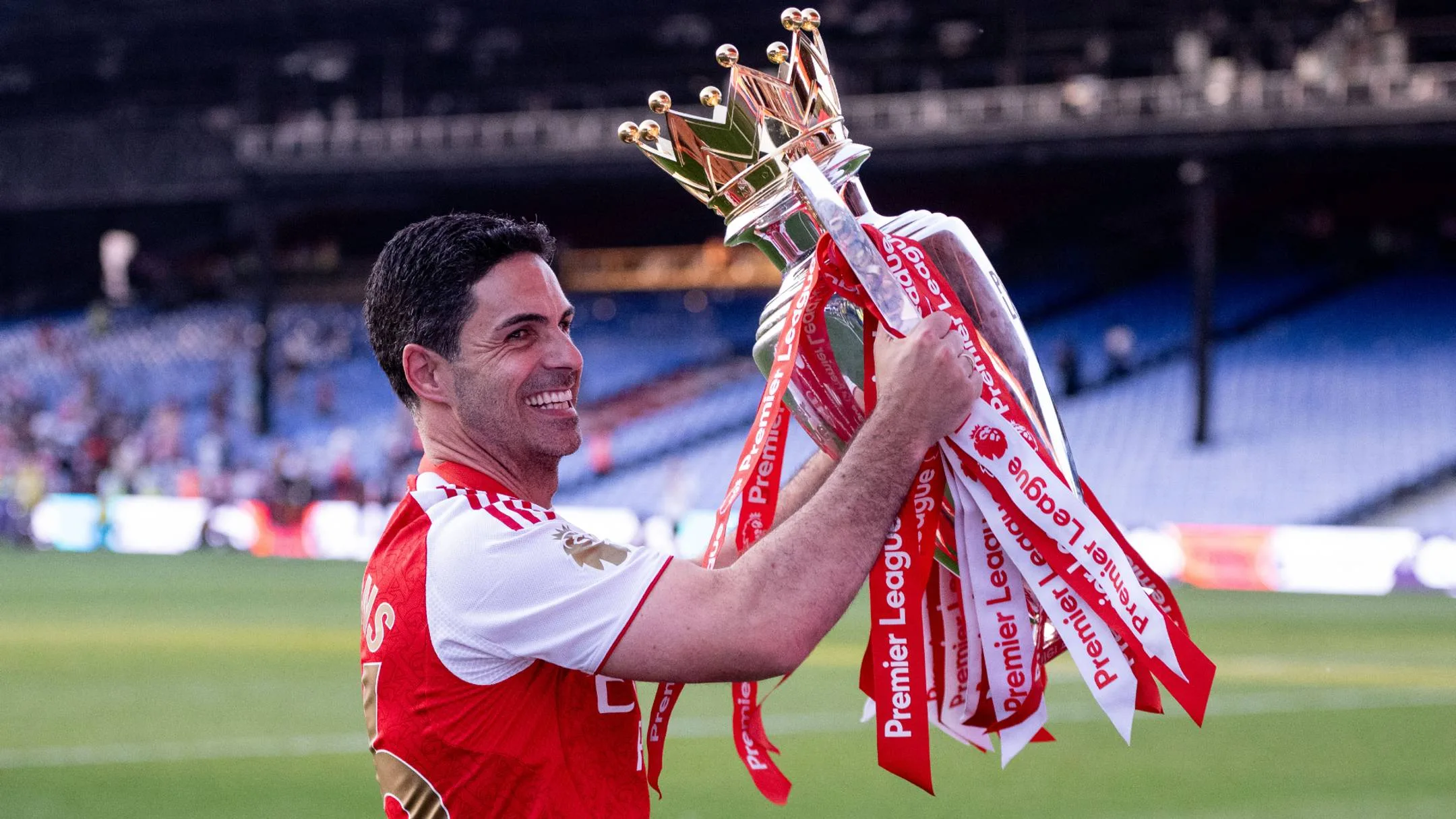
Arsenal have handed Mikel Arteta a fresh contract through 2030, and reports suggest the new agreement has taken his salary to twice its previous level. That rise is believed to make him the best-paid manager in the Premier League.
Arteta explained what the club means to him after committing his future.
“This club is unique, its character and the way it makes you feel, and I have a great sense of privilege that our journey together will continue. We have already built a special bond and created memories that will last a lifetime, and what is so exciting is that this is only the beginning of what we can achieve together.”
According to The Times, he is now thought to earn more than £20 million ($26.4 million) each season across a deal that runs for the next four years. With Pep Guardiola no longer the Premier League’s highest earner, Arteta is understood to occupy a category of his own in the domestic game.
His earnings are also said to place him above some of the biggest names in world football. Only Atlético Madrid’s Diego Simeone and Paris Saint-Germain’s back-to-back Champions League winner Luis Enrique are mentioned as approaching those levels.
The second-highest paid manager in the Premier League is reported to be on the opposite side of north London. Tottenham Hotspur’s Roberto De Zerbi is said to earn £12 million ($15.9 million) per year, according to ESPN.
De Zerbi arrived at a difficult moment for Spurs last spring, with the club in serious trouble and fighting to avoid relegation. Since then, his influence has extended beyond the dugout, with the transfer window suggesting he has a major say in spending decisions as well as his own financial package.
For Arsenal, though, the message is clear. Arteta has been rewarded not only with security until 2030, but with a salary that now stands above every other manager in the Premier League.
Arsenal
Arteta’s Arsenal deal reflects the scale of his overachievement
Arteta’s new Arsenal deal underlines how much he has delivered above the club’s wage bill.
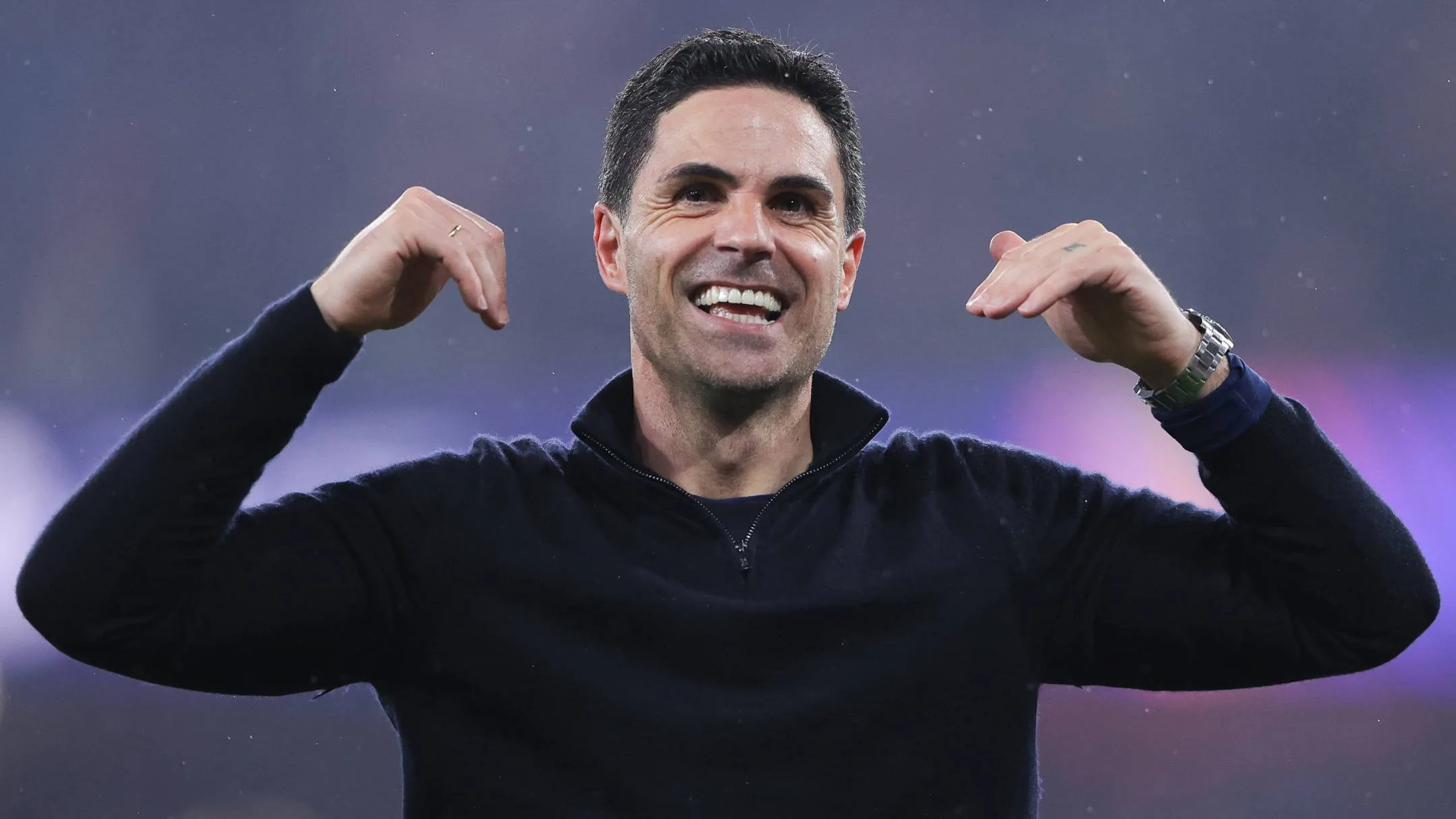
Mikel Arteta’s new Arsenal contract is more than a reward for success on the pitch. It is also recognition of the value he has created while working within a financial structure that has rarely made life easy.
For years, the numbers have backed up a simple truth: wages explain a huge amount about where clubs finish, but not everything. That still leaves room for managers who can tilt the balance, and Arteta has become one of the clearest examples of that idea in the Premier League.
Across the 2022-23 to 2025-26 seasons, Arsenal collected more top-flight points than any other club in the division, finishing with 332, just ahead of Manchester City’s 329. Yet over that same period, they ranked only fifth for wage spending. In other words, Arsenal have consistently performed above the financial level suggested by their pay structure.
The contrast is even sharper when viewed over Arteta’s wider spell in charge. Arsenal have never had the most expensive squad in the league during his tenure, and they entered this summer with the fifth-costliest roster in the division at $1.15 billion. That is a heavy investment, but still not enough to put them among the biggest spenders in the league table of assembled talent.
Arteta has not hidden his frustration at times. In January 2025, he spoke of Arsenal’s “certain limitations” in the market, then later that month described the squad as “one of the thinnest squads in the league.” Yet the broader trend has still moved upward, with the wage bill rising every year since the group was refreshed with younger players in 2021.
This season has begun with a sense of evolution too. Arsenal appear to have more positional freedom, more movement and more variation in attack. Riccardo Calafiori has added another layer from left back, Martin Ødegaard looks revived after Norway’s historic World Cup run, and Declan Rice’s role has shifted again as he takes on even more responsibility.
Arteta may not always be universally praised in the way some peers are. But Arsenal’s results, spending profile and early title defence all point to the same conclusion: he has earned every bit of his new deal.