Manchester United
Ten Hag revisits United fallout, broken promises and dressing-room fault lines
Ten Hag explains broken promises, key transfers, and why his United tenure collapsed.

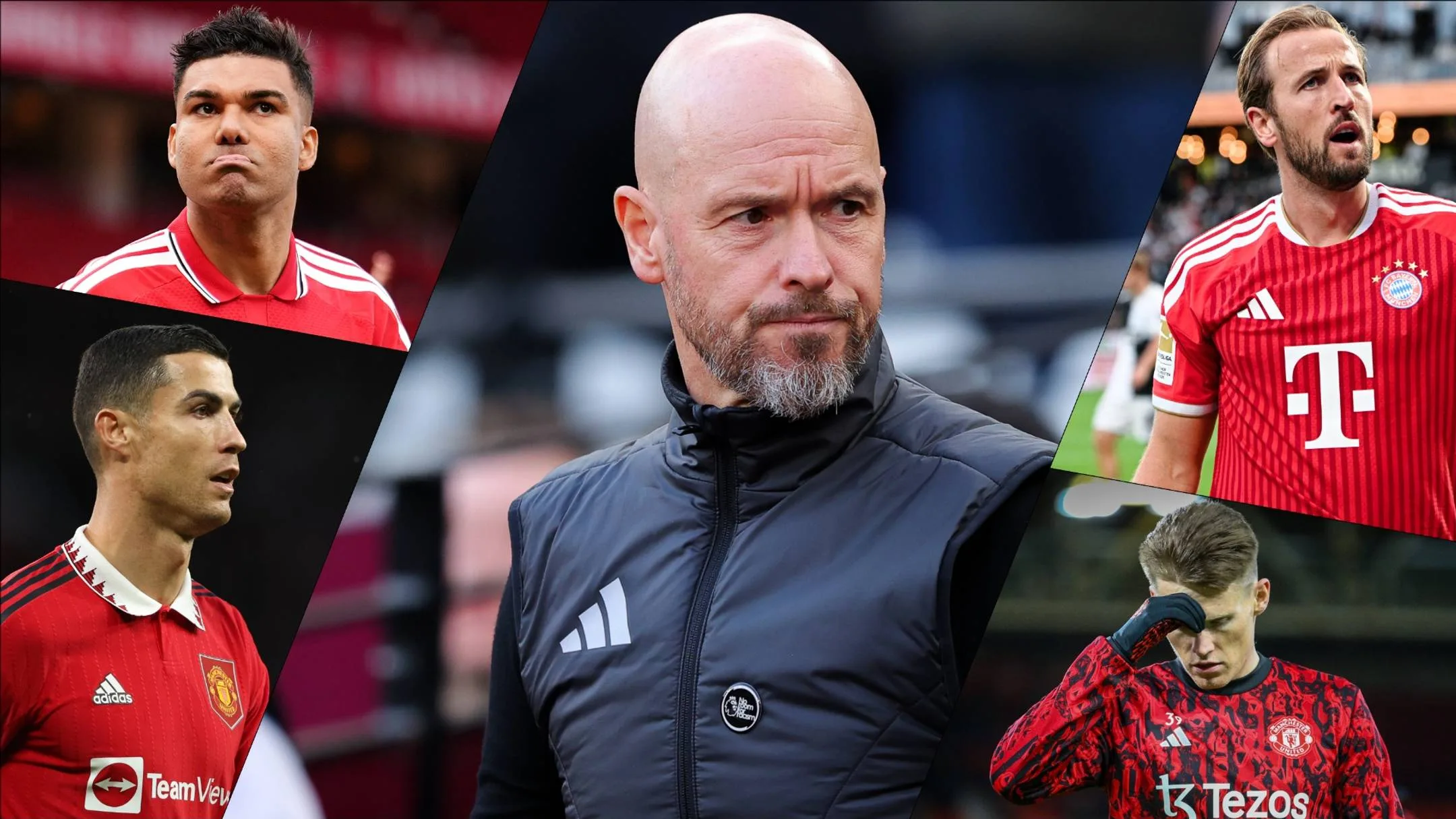
Erik ten Hag’s latest reflections on his time at Manchester United lay bare just how quickly a promising appointment unravelled. Hired in the summer of 2022 to steady a team in decline, he has described the final stretch of his spell there as farcical, with support that was promised but not delivered.
One of his sharpest frustrations centred on the end-of-season review that kept him in place, only for him to be dismissed three months later. Ten Hag said United assured him of loyalty, backing and clear communication, but insisted those commitments were not honoured.
He also pointed to the sale of Scott McTominay as a major source of disappointment. Ten Hag said he had made clear in Ibiza that the midfielder should not be sold, arguing that United needed his goals and mentality. Instead, McTominay moved on, leaving the manager embarrassed and dismayed.
The Dutchman was equally direct on the wider culture around the club. He said players carried heavy responsibility and suggested United had allowed an unhealthy environment to persist. That echoed concerns raised previously by Ralf Rangnick, whose warning about the need for sweeping change now sounds even more pointed in hindsight.
Ten Hag also spoke about the so-called “Madrid connection,” arguing that the arrivals of Raphaël Varane, Cristiano Ronaldo and Casemiro brought a level of power and ego that did not suit the stage United were at. In his view, the leadership wanted one style of football, while those players preferred something that suited them more.
His disagreement with Cristiano Ronaldo remains one of the defining episodes of the period. Ten Hag stood by the decision to leave him out, saying: “He let the team down, and he let me down, because we planned with him,” while also saying: “I flew out to Portugal to speak with him about what I was aiming for before I came to United. Obviously, he’s one of the best in football history . I respected him a lot. But at that time, as a manager, I had to make a rational decision and keep the players I admire in.”
Recruitment also came under scrutiny. Ten Hag said he pursued Frenkie de Jong, Declan Rice and Harry Kane, but United failed to land them. He believes those profiles would have given the squad greater stability and authority, even as he acknowledges his affection for the club remains intact.




Manchester United
Manchester United’s all-time winless mark remains beyond reach for the 2026/27 side
United’s six-game wait for victory is nowhere near their historic 16-match winless run.
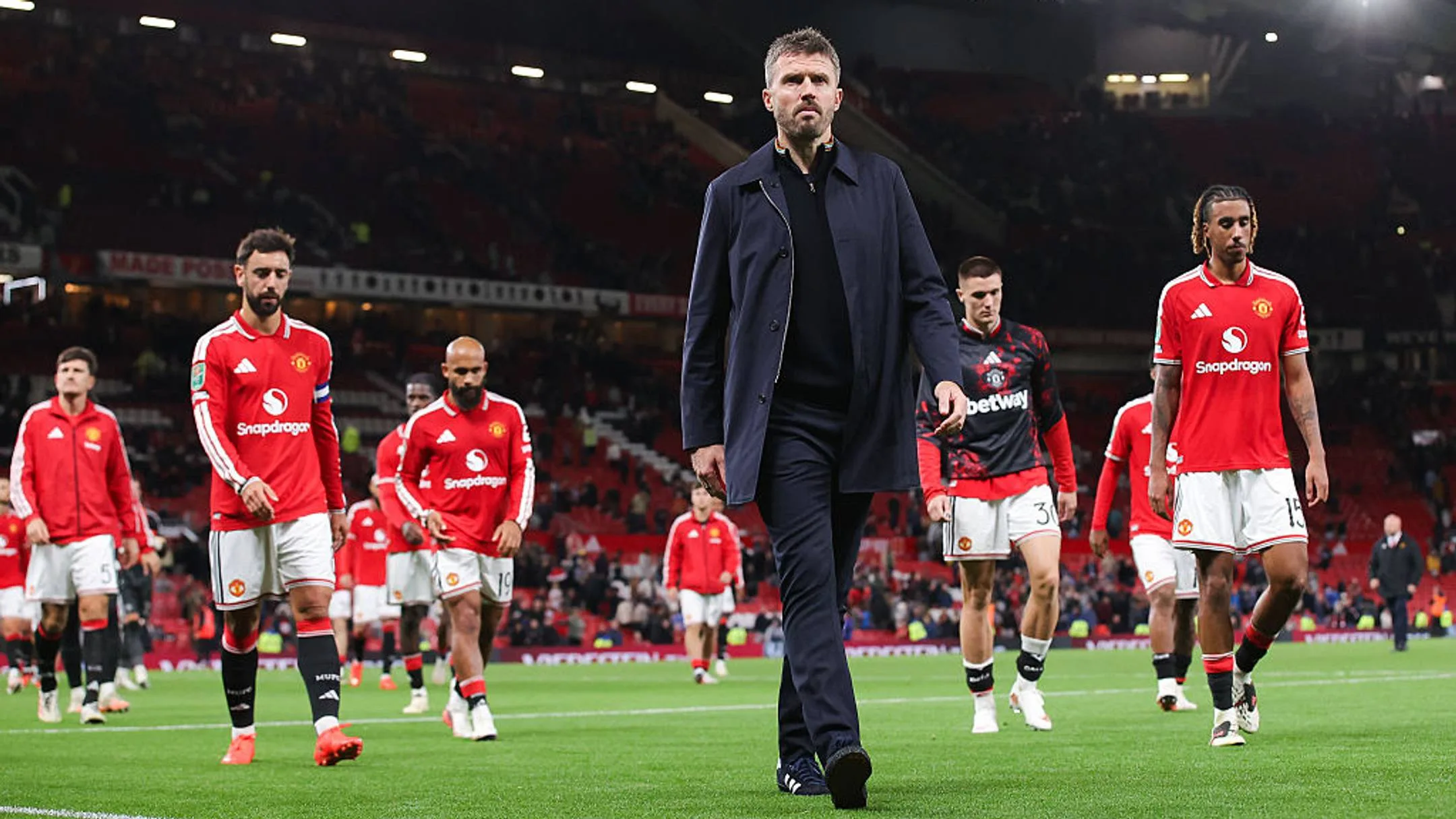
Manchester United are without a win in six straight matches, but that sequence is still a long way short of the club’s worst run.
The scale of the record goes back to an era when United were slipping from their early peaks rather than shaping the modern game. Under Ernest Mangnall, the club had reached the summit twice, in 1907-08 and 1910-11, before fading again. Mangnall then left for Manchester City in 1912, and by the time football was suspended at the end of the 1914-15 campaign, United were already close to relegation.
After the war, the decline continued. United finished 12th and 13th before ending up 22nd and dropping down in 1921-22. That spiral helped create the conditions for a run that eventually stretched to 16 matches without victory.
They returned to the First Division after three seasons away, but the struggle carried on. John Chapman was suspended by the Football Association in 1926 for “improper conduct”, with Lal Hilditch stepping in as player-manager. Herbert Bamlett then became the permanent manager, and the situation worsened further.
Off the field, the club also suffered a major blow in 1927 when principal owner John Henry Davies died after years of declining health. United were pushed back towards the financial edge.
By the end of 1929-30, they were 17th in a 22-team league and only two points above the relegation places. That season finished with four matches without a win, following six straight defeats earlier in the campaign. The real collapse arrived at the start of 1930-31, when United lost their first 12 league games and did not take a point until Nov. 1, when a 2-0 victory over Birmingham City at Old Trafford finally ended the streak at 16.
Supporters had already lost patience. The Manchester United Supporters’ Club issued a five-point demand to the board calling for a new manager, a revised scouting system, new signings, five new shareholders on the board and fresh share issues to raise funds. When those demands were ignored, boycott threats followed ahead of Arsenal’s visit to Old Trafford on Oct. 18, 1930.
A boycott never fully materialised, but the mood had soured. 23,406 attended that match, the best home crowd of the season, before numbers fell sharply and fewer than 4,000 watched United’s final top-flight game for five years.
Champions League
Martínez fitness latest leaves United waiting on Tuesday update
Martínez’s thigh issue leaves United waiting for Tuesday’s update before Como.
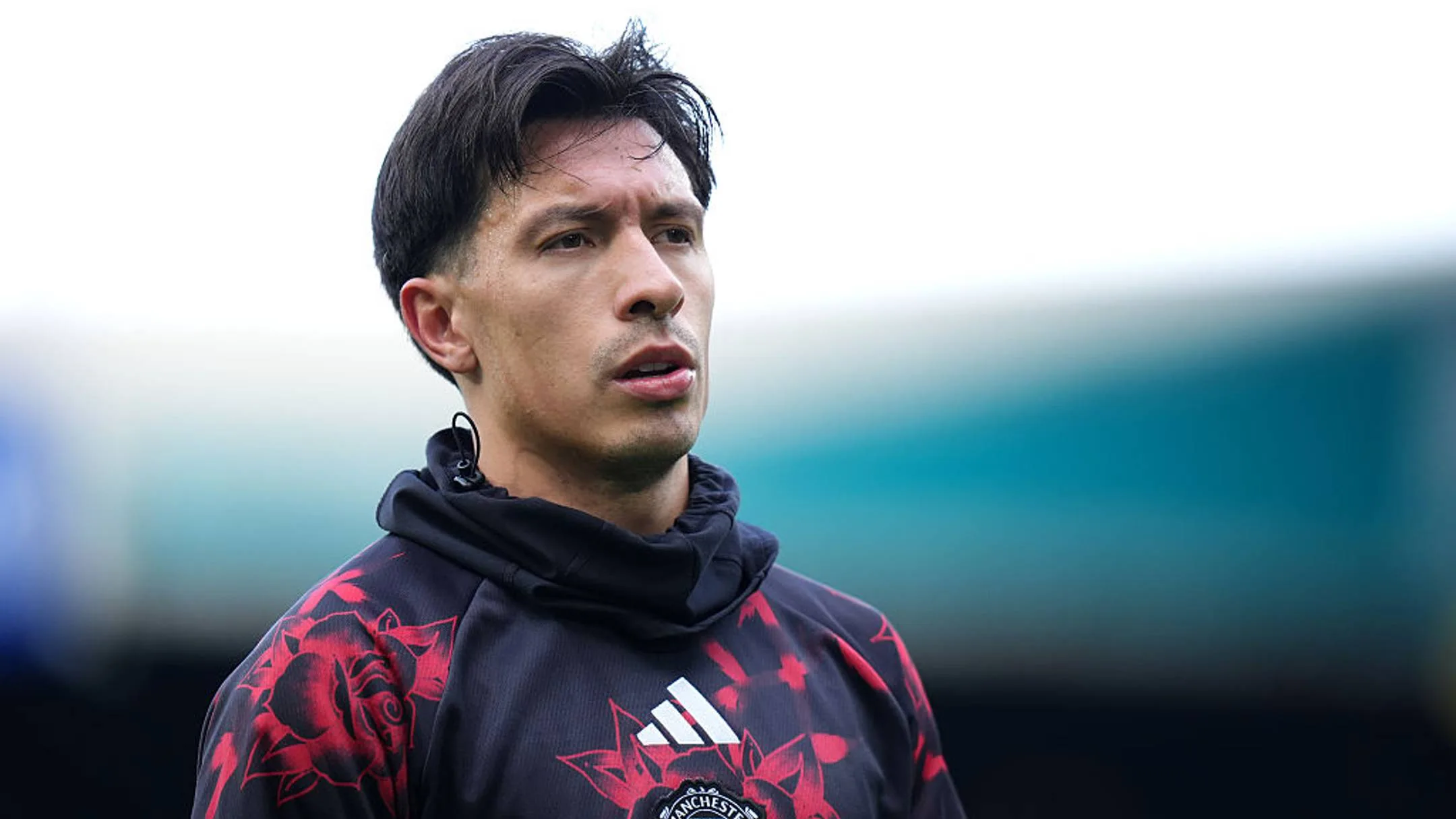
Lisandro Martínez’s latest setback has put Manchester United in another holding pattern, with the defender’s condition still uncertain after he was withdrawn at half-time in Sunday’s 1-1 draw with Leeds United at Elland Road.
The Argentina international started the game but did not come out for the second half, as United adjusted their shape after the interval. Ayden Heaven was already unavailable because of illness, and the team appeared to move to a back three when Martínez was replaced by returning fullback Noussair Mazraoui.
After the match, Michael Carrick said Martínez had “felt his thigh a little bit.” That brief assessment suggested caution rather than alarm, with no immediate indication that the issue was severe. Carrick also offered no further details, leaving the club to wait for a fuller update when he next speaks to reporters on Tuesday.
The timing matters, with United due to face Como in the Champions League on Wednesday. At this stage, it seems difficult to imagine Martínez being pushed into that match so soon after coming off against Leeds. If the problem is minor and carefully managed, he could be back in contention relatively quickly. The more realistic short-term target may be Bournemouth, when the Premier League schedule resumes on Sunday.
Martínez’s injury record since arriving from Ajax in the summer of 2022 remains a significant concern. Across his first four years at the club, he made 110 appearances in all competitions, averaging fewer than 28 a season. Transfermarkt estimates that he has spent a total of 632 days sidelined in that period.
For now, United are waiting for the next update, with the hope that this is another brief interruption rather than something more serious.
Manchester United
What Manchester United Could Look Like If Conte Took Over
A Conte takeover would force a major tactical reset at Manchester United, with several roles redefined.
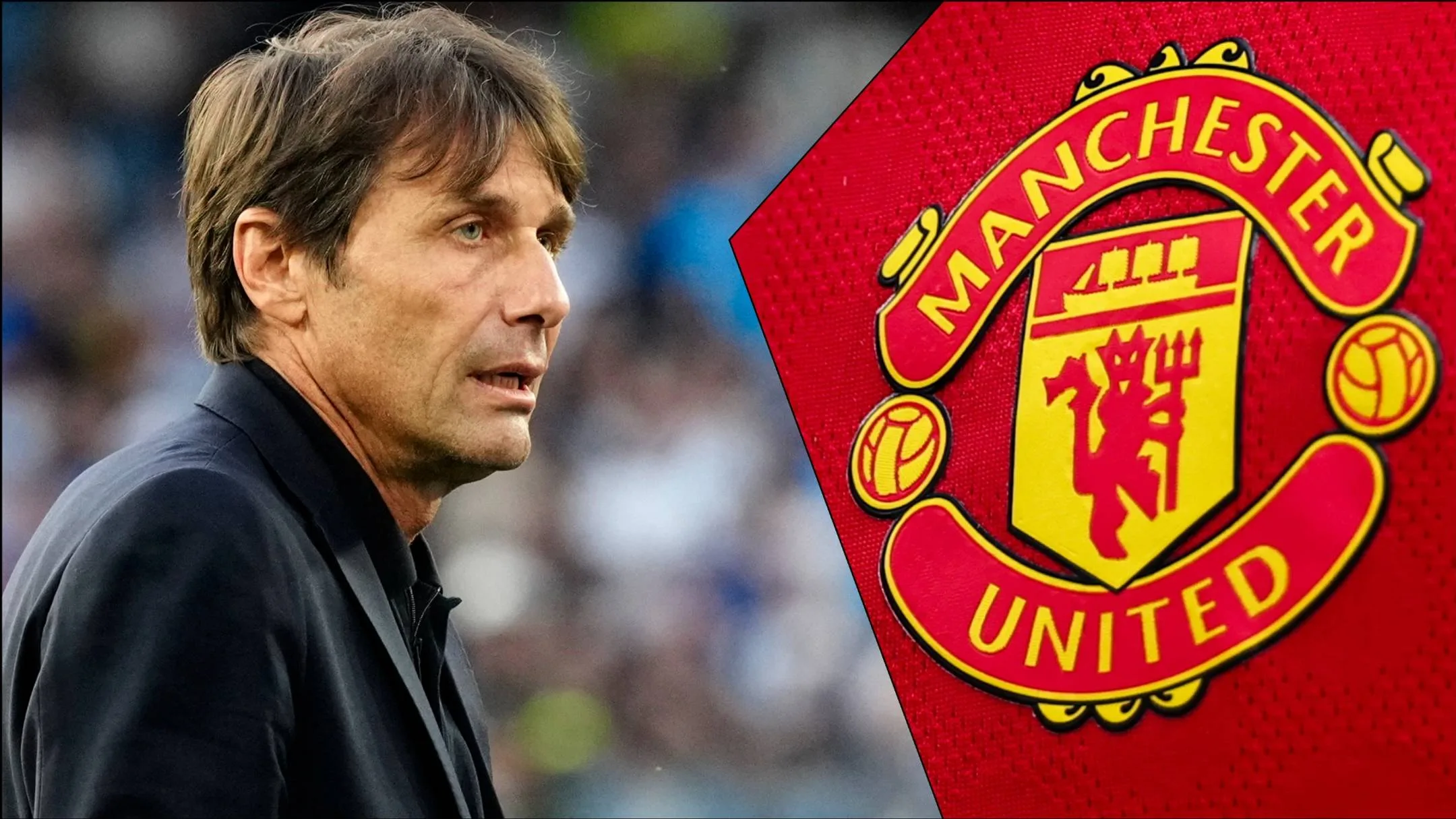
Michael Carrick is under increasing pressure, and the speculation around Manchester United continues to point towards alternative options. One of the more intriguing possibilities is Antonio Conte, a manager whose ideas would quickly reshape the team.
If United did move for Conte, the side would almost certainly look very different. In goal, Senne Lammens would keep his place. Conte usually likes experience in that area, but Lammens’s straightforward style would still appeal. At centre-back, Matthijs de Ligt could be handed another chance, especially after previous suggestions that Conte wanted him during his Tottenham Hotspur spell. Alongside him, Harry Maguire would suit a return to a back three, while Alessandro Bastoni would represent the ambitious option if United follow through on the need for a new central defender.
The wingback roles would be transformed. On the right, Michael Kayode fits the sort of all-action profile Conte typically values, while Lewis Hall would be a natural choice on the left because of his running power and influence in the final third. In midfield, Carlos Baleba would have to adjust to the demands of a two-man unit, and Scott McTominay is the sort of player Conte has already turned into a major asset, making a return to Old Trafford feel like an obvious storyline.
Further forward, Bryan Mbeumo remains one of the most dependable figures in the current setup, so a place on the right side of the attack looks secure. Bruno Fernandes still has no obvious role in this projected shape, which underlines how much would change under Conte.
As for the wider picture, United are expected to pursue a new centre-back, with a replacement for the disgruntled Lisandro Martínez appearing likely. A Conte appointment would not just alter the team sheet. It would demand a wholesale rethink of the squad structure.