Brighton & Hove Albion
Premier League’s priciest teenage transfers, led by Bouaddi record
A look at the Premier League’s costliest teenage transfers, with Bouaddi setting a new record.


Premier League clubs have long shown a willingness to spend heavily on teenagers rather than wait for them to emerge through their own systems. The biggest deals have frequently involved familiar names, but the record list is not limited to English football’s most powerful sides.
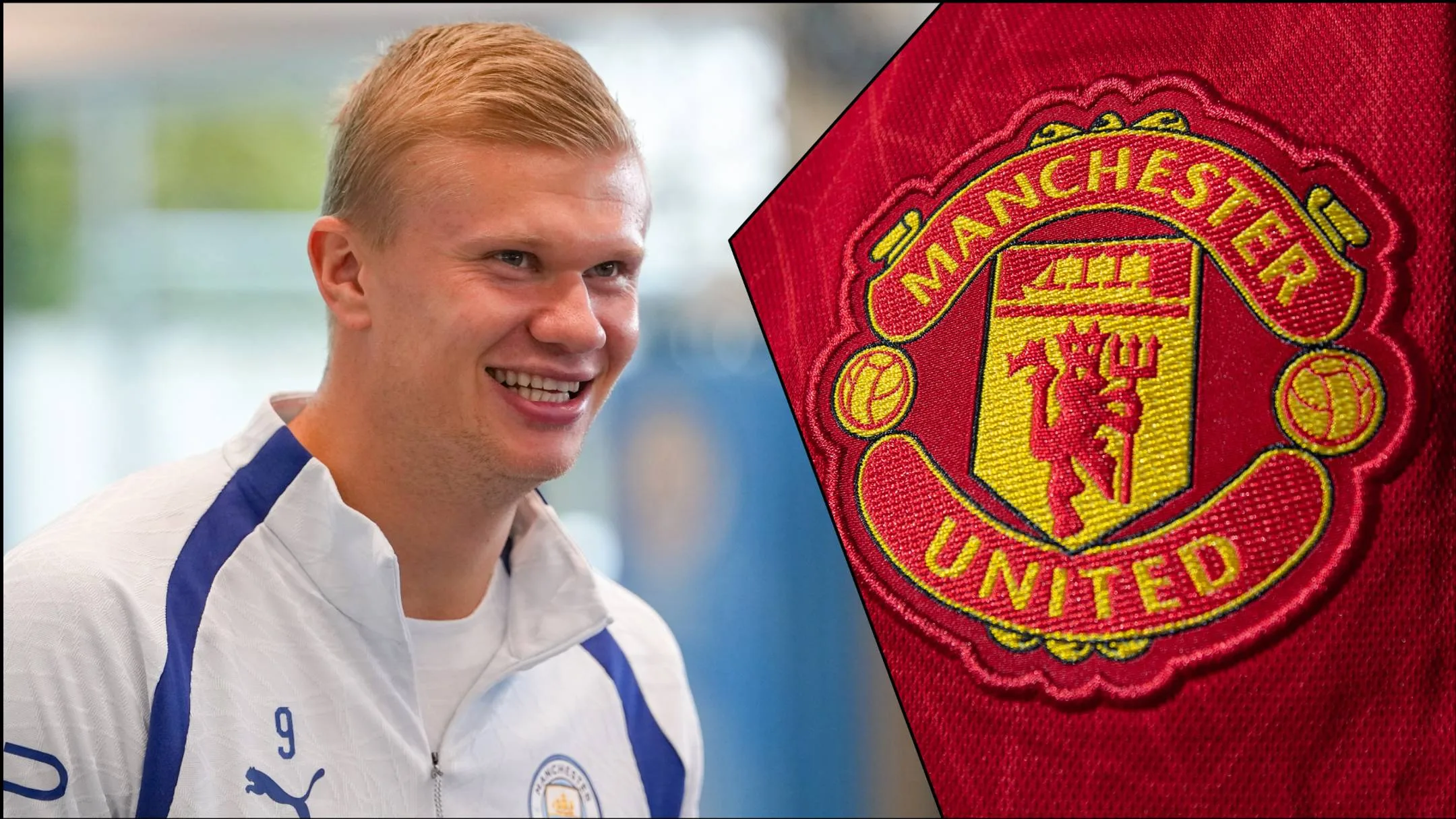
The latest benchmark was set during the 2026-27 summer transfer window, when Manchester City paid £86 million ($117 million) for 18-year-old Ayyoub Bouaddi. The fee reflected both his rapid rise at Lille and his excellent World Cup with Morocco, placing him at the top of the list of the most expensive teenage signings in Premier League history.
Manchester United also appear prominently. Their £52 million ($67.6 million) move for Leny Yoro from Lille sits near the top end of the rankings, and it is only a little above the £50.4 million ($77.1 million) they spent on Anthony Martial from Monaco in 2015. That Martial deal, according to the Manchester Evening News, was based on the conditional add-ons he actually achieved at Old Trafford.
Chelsea are represented more than once. Roméo Lavia’s switch from Southampton in 2023 cost £58 million ($73.9 million) and stands second on the list. Geovany Quenda and Jorrel Hato are also included among the top 10, underlining how active the club has been in this market.
Elsewhere, Tottenham Hotspur, Brighton & Hove Albion, Everton and Wolverhampton Wanderers all feature through notable teenage moves. Luka Vušković joined Brighton & Hove Albion from Tottenham Hotspur for £46 million ($62.5 million), while Tyler Dibling’s move from Southampton to Everton and Fábio Silva’s transfer from Porto to Wolverhampton Wanderers complete the lower end of the ranking.
The omission of Estêvão is explained by his transfer structure, which included an initial fee of £29 million ($37 million) from Palmeiras and could rise to £51.4 million ($78 million) with add-ons.




Brighton & Hove Albion
Brighton complete the September awards double as Groß and Hürzeler recognised
Brighton swept the September prizes as Pascal Groß and Fabian Hürzeler were both honoured for their strong form.

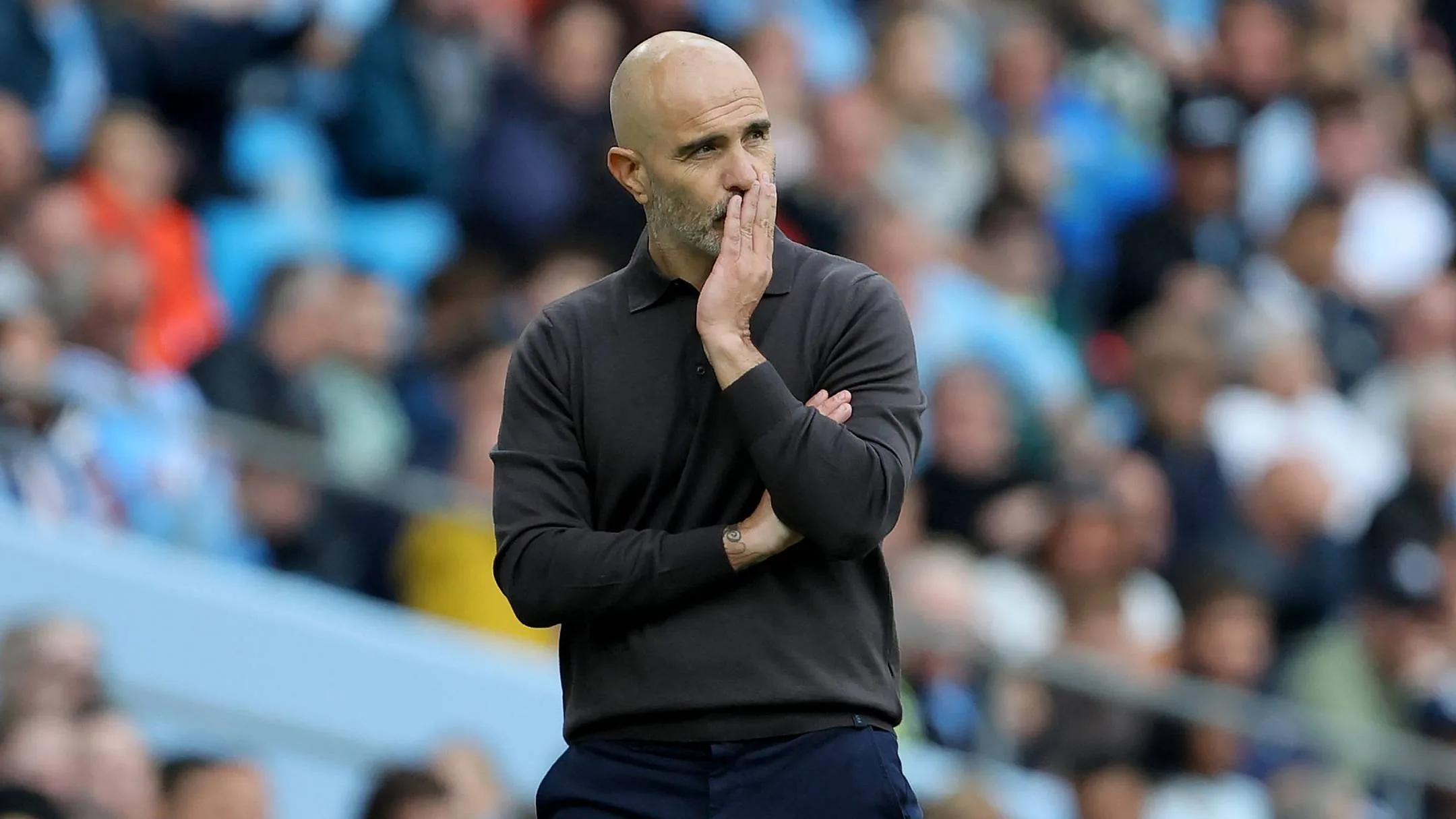
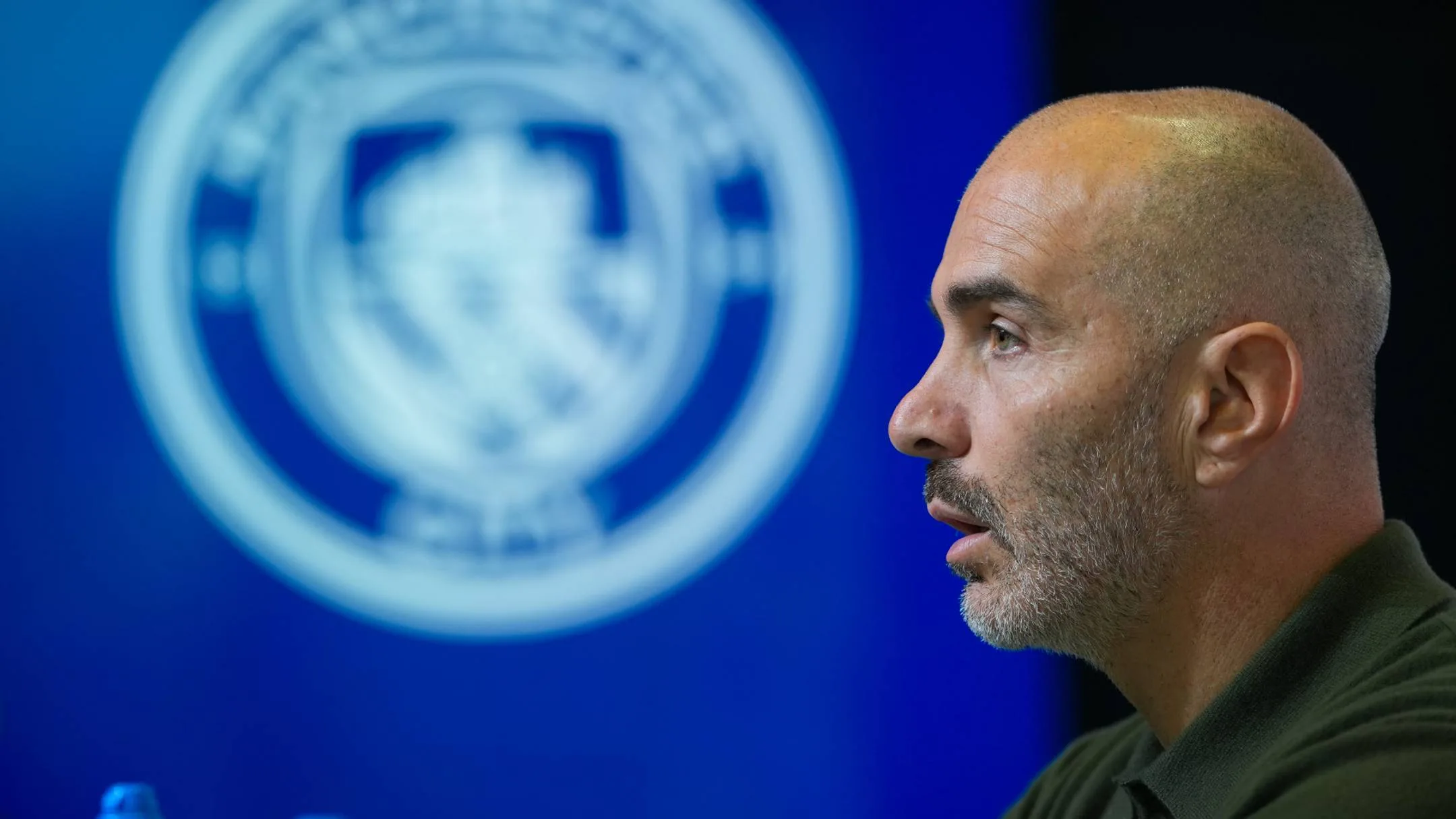
Brighton & Hove Albion have taken both Premier League monthly honours for September 2026, with Pascal Groß named Player of the Month and Fabian Hürzeler receiving the Manager of the Month award.
Groß’s case was built on a productive run that included two goals and three assists, with performances that helped Brighton see off Leeds United, Coventry City and Arsenal. His September tally also sits alongside the goal he scored in the comeback win over Manchester United in the Carabao Cup, even though that competition did not count towards the league award itself.
At 35, Groß makes history as the first Brighton player to ever claim the prize. He is also the sixth-oldest winner in the award’s history, behind only Paul Scholes, Gianfranco Zola, Cristiano Ronaldo, Teddy Sheringham and the record-holder Stuart Pearce, who was two months shy of his 39th birthday in February 2001.
The manager’s award follows a September that gathered pace after a slow start. Brighton opened with a 1-1 draw with Leeds, but Hürzeler’s team responded strongly by dismantling Coventry 5-0 before delivering a convincing 3-0 win over Arsenal. That result stood out not only for the scoreline, but also for the way Brighton controlled the contest and underlined their form.
It left them sitting third heading into the international break, with October set to test that momentum. Sunderland and Crystal Palace arrive first, before Brighton face away trips to Liverpool and Manchester City, with a Carabao Cup visit to the Etihad also on the schedule.
If Hürzeler is to remain in contention for further recognition next month, Brighton will need another demanding month to match their September.
Arsenal
One key issue facing each Premier League side after five matches
Five games in, the Premier League is already revealing title doubts, transition pains and early surprises.
The first five matchdays of the 2026/27 Premier League season have already given shape to a campaign that promised uncertainty from the outset. With the table still settling and another international break leaving a long pause before Matchday 6, there is time to take stock of what has emerged so far.
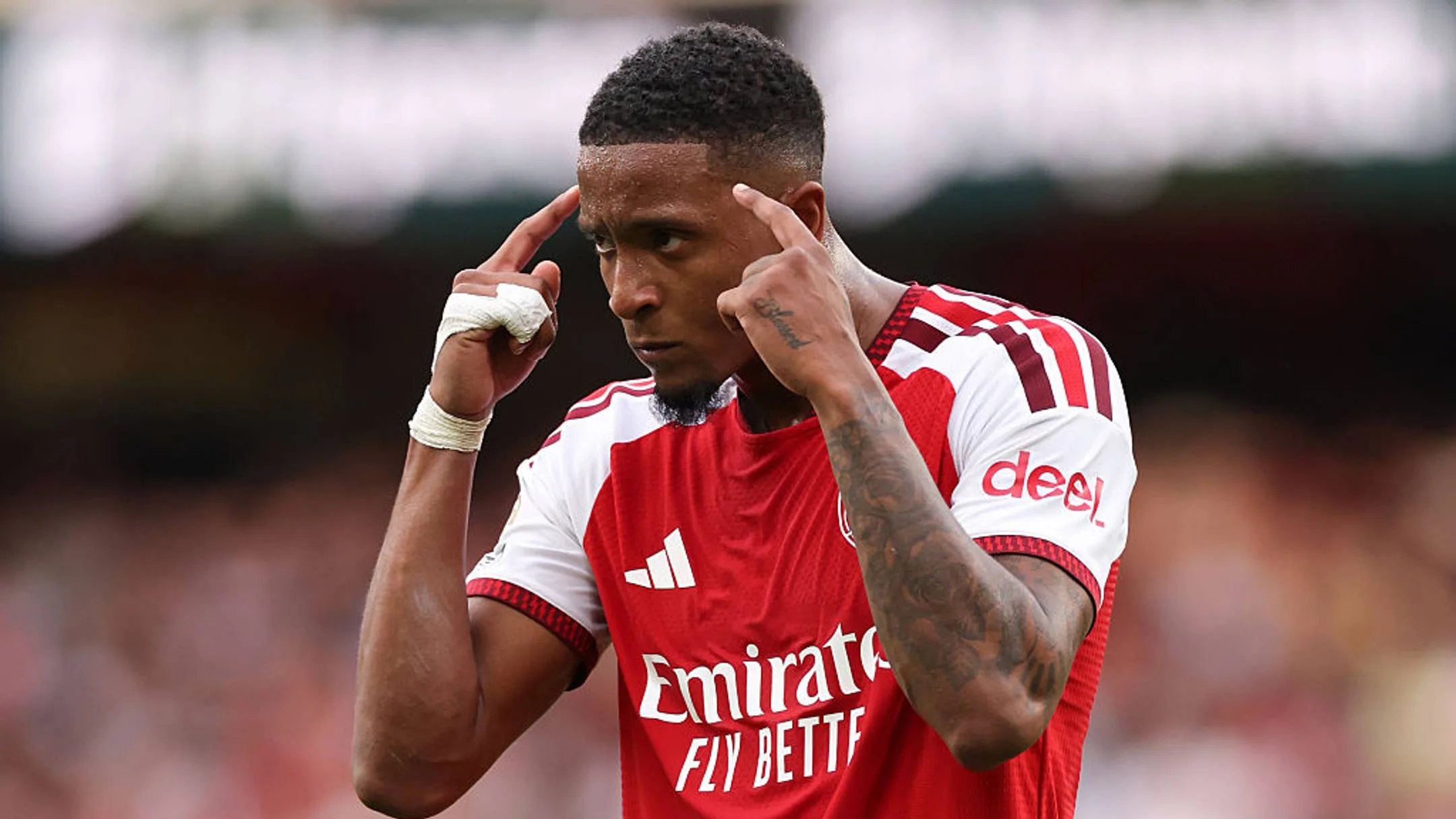
Arsenal’s title defence has already met resistance after a heavy defeat to Brighton & Hove Albion. Before that trip, they looked close to untouchable, but the champions have not yet shown enough to pull clear of their rivals. Bruno Guimarães has added quality, though injury has delayed his rhythm, while Christos Tzolis has stepped in as a serviceable replacement for Leandro Trossard. Even so, Arsenal’s attack was found wanting in their toughest test to date, with concerns lingering over the goalscoring burden on Bukayo Saka and the lack of a set-piece breakthrough.
Aston Villa, meanwhile, are navigating a period of change after rebuilding their core in the summer. Their first league win of the season offered encouragement, with Johan Manzambi, Nicolas Jackson and João Gomes all making useful contributions. Bournemouth have begun slowly under Marco Rose, but there is little panic as they balance league form with European demands after an opening win at Real Sociedad. Brentford continue to look like a difficult assignment at home, built on physicality and a set-piece threat that has already caused problems for visiting sides.
Brighton’s pressing game has been a feature of the early weeks, while Chelsea’s start under Xabi Alonso has raised serious questions about their structure without the ball. Coventry City finally recorded a first Premier League win in more than 25 years, though goals remain a concern. Everton’s window left them thin on options, Fulham are showing signs of adjustment under Álvaro Arbeloa, and Hull City have been one of the early surprises, even if history offers a warning.
Elsewhere, Ipswich Town, Leeds United, Liverpool, Manchester City, Manchester United, Newcastle United, Nottingham Forest, Sunderland and Tottenham Hotspur all have distinct questions to answer as the season develops.
Bournemouth
Premier League table comparison after five games: where 2026/27 stands against 2025/26
City lead the early table, while Spurs, Bournemouth, Fulham and Palace have all started below last season.

The opening stretch of the 2026/27 Premier League season has lasted longer than usual because of a change in the international calendar, but five games is still only enough to reveal early patterns rather than a settled table. The 20 clubs remain closely packed, and a single result can still reshape the picture quickly.
There is history behind treating this stage with caution. Last season, Wolverhampton Wanderers and West Ham United were the bottom two after five matches, while Bournemouth and Sunderland turned strong starts into European qualification. This year, the early evidence is already pointing in a few different directions.
Manchester City are the only side to have preserved a 100% record. Their 5-3 win over Sunderland, combined with Arsenal’s defeat at Brighton & Hove Albion, sends them into the break top of the table on 15 points, matching Liverpool’s total from the same stage last season. City are also in a much stronger position than they were in 2025/26, when they sat ninth and were eight points worse off.
Brentford and Brighton have made the sharpest gains. Both are five points better off than they were at this point last season, with Brentford rising 13 places and Brighton 11. Keith Andrews’ side were among those tipped for trouble before the campaign, yet they are now being mentioned as a possible European contender. They are one of five unbeaten teams.
Leeds United have also carried their momentum forward, while Newcastle United, Everton and Aston Villa have improved on their starts from last year. Nottingham Forest have the same points total as they did after five games last season, but they are two places higher.
At the other end, Tottenham sit bottom with two points and did not score their first league goals of the season until Aston Villa were already 3-0 up. Bournemouth are still without a first league win under Marco Rose, a clear fall from the fourth place they held after five matches last season.
Fulham and Crystal Palace have also gone backwards, with both lower in the table after managerial changes.