Highest paid players
Gravenberch Commits Long-Term Future as Liverpool Reward Midfielder with Major Pay Rise
Gravenberch signed a six-year Liverpool contract worth $116.2m, placing him fourth in weekly pay.

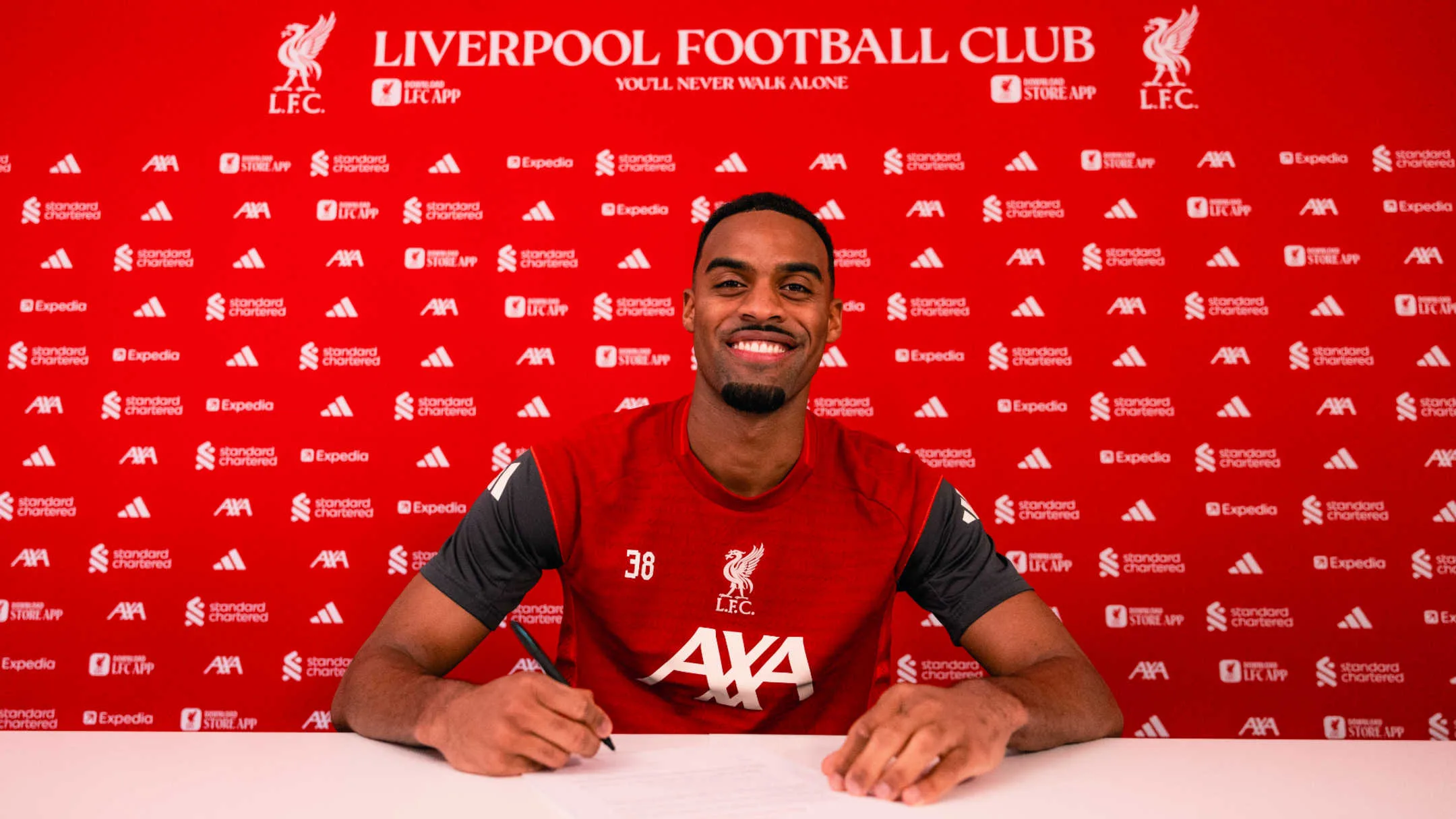
Ryan Gravenberch has signed a six-year contract extension with Liverpool, a deal that the club completed to secure the midfielder’s long-term future. The new agreement follows a period of adaptation for the Dutchman after his move from Bayern Munich in a $45.6 million (£34 million) transfer and a reinvention as a holding midfielder on Merseyside.
Liverpool moved to avoid a drawn-out negotiation. Gravenberch’s previous deal was due to expire in 2028, and the club were keen to avoid another protracted saga given what they have experienced with Trent Alexander-Arnold, Mohamed Salah, Virgil van Dijk and Ibrahima Konaté over the past 18 months. The club view their No. 38 as central to long-term plans despite a dip in form amid a disappointing title defence.
According to Dutch outlet De Telegraaf, the contract is worth $116.2 million (€100 million, £86.7 million) across six years, which equates to $19.3 million (€16.6 million, £14.4 million) per year. That works out at roughly $372,000 (€320,000, £277,500) per week, meaning he is almost doubled what he was thought to be earning under his previous contract.
On those reported figures, Gravenberch moves to fourth in the club’s pay hierarchy. Mohamed Salah is reported at $640,000 (£480,000) per week, Virgil van Dijk around $540,000 (£400,000) per week, and Alexander Isak on $400,000 (£300,000) per week. The Telegraph, The Athletic and The Times are among the outlets cited for those numbers.
How Liverpool’s midfield evolves in 2026 remains a subject of interest, particularly with potential managerial change this summer. Alexis Mac Allister has been tenuously linked with a move to Real Madrid, and clubs may enquire about Dominik Szoboszlai should Liverpool fail to qualify for next season’s Champions League. For now, securing Gravenberch on a long-term deal is a clear signal of the club’s intent to build around him.



Arsenal
How Much the Premier League’s Biggest Earners Paid in Tax: The Figures Explained
Top Premier League earners paid more than £100 million in tax; eight notable players and their bills
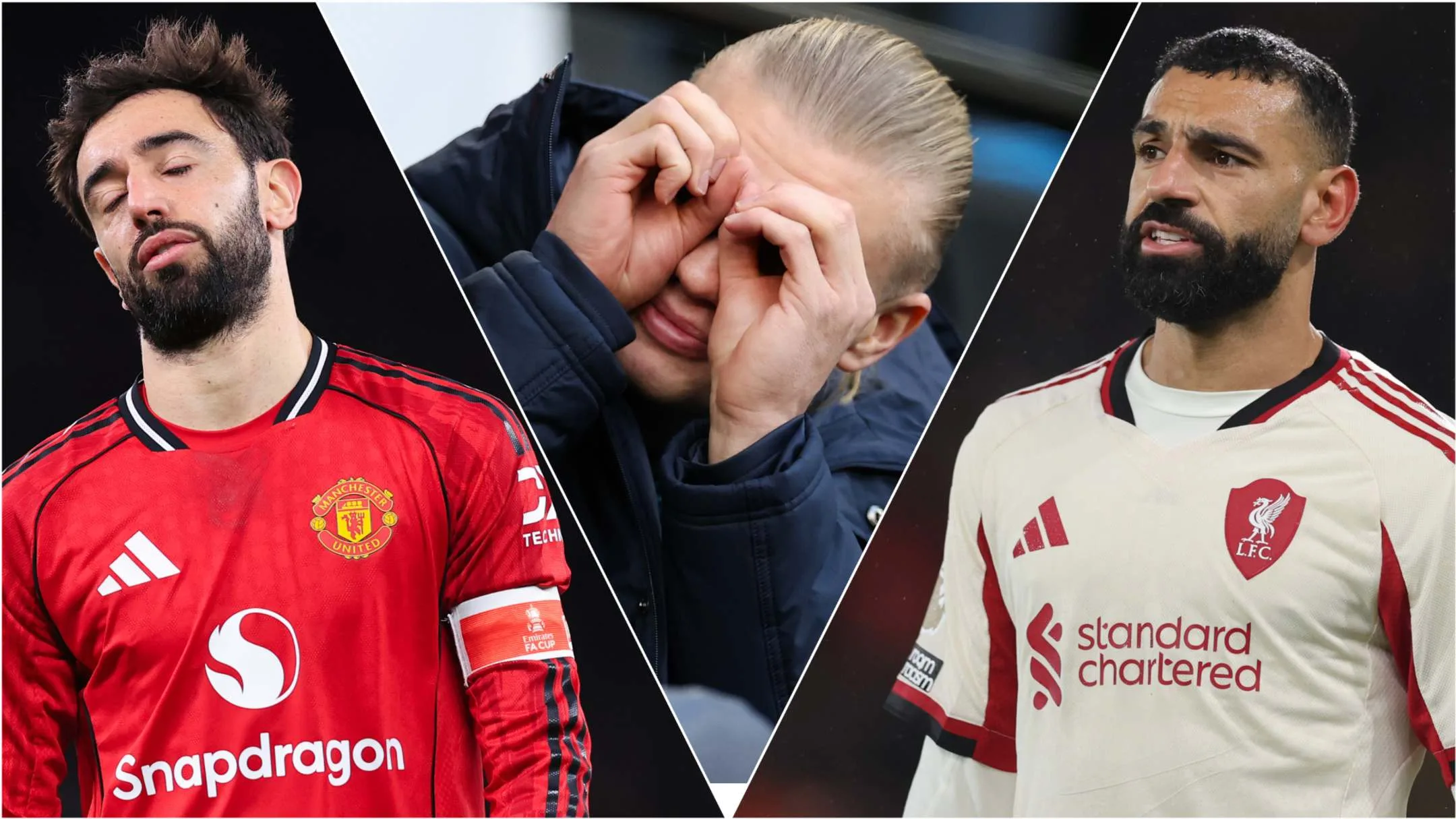
The top 10 Premier League earners paid more than £100 million to the U.K. Treasury between them. The estimated tax bills reveal how sizable salaries translate into substantial public contributions.
Estimated tax payment: £7.8 million. The ephemeral German was widely considered to be Arsenal’s highest-paid player before Bukayo Saka earned himself a bumper new deal in January. The England international will surely find his way onto this list next year with that pay packet flooding his way.
Estimated tax payment: £7.9 million. A seven-digit tax bill represents some transformation from Gabriel Jesus’s modest beginnings. To earn some extra money as a football-loving scamp, the Brazilian painted the streets of his neighbourhood in preparation for the home World Cup in 2014. Two years later, Jesus won Olympic gold at the Rio de Janeiro games for Brazil alongside Neymar Jr., one of the faces he had painted on the curbs of his local area.
Estimated tax payment: £8.8 million. Omar Marmoush’s hefty tax bill may very well be indicative of the financial reward which Manchester City offered him as incentive to leave Eintracht Frankfurt in the middle of last season. Thus far, it seems to have worked out better for Marmoush’s bank balance—and the coffers of the U.K. Treasury—than City.
Estimated tax payment: £9 million. One of Bernardo Silva’s understated qualities which Pep Guardiola cherishes more than some of his obvious technical gifts is the capacity to never show a “bad face” even in defeat. A look at his latest tax bill may have contorted Bernardo’s expression.
Estimated tax payment: £9 million. One way for Bruno Fernandes to rid himself of any tax demands would be to belatedly accept those eye-watering offers which roll in from Saudi Arabia. There is no personal income tax in the Kingdom. However, as Jordan Henderson discovered to his own cost, it’s not that simple. A former U.K. resident must spend the rest of that tax year and the entire following tax year outside the U.K. to ensure that their earnings are not subjected to Britain’s tax laws.
Estimated tax payment: £9.7 million. The two-year contract extension which Virgil van Dijk signed last April cemented his status as the world’s highest-paid defender. How times have changed. When the Dutch centre back was coming through the ranks of his local youth side in Breda, he worked as a dishwasher at a local restaurant earning €3 per hour.
Estimated tax payment: £9.8 million. Raheem Sterling’s tax bill next year is set to be a lot more modest. After willingly tearing up his contract at Chelsea this month, the former England international is reportedly prepared to accept less than a third of the £325,000-a-week wage which he collected at Stamford Bridge.
Estimated tax payment: £10.9 million. Casemiro won’t have to pay up for much longer. Manchester United’s midfield totem has announced he will be moving onto pastures new come the end of the current campaign. Saudi Arabia and its tax incentives has been upheld as a potential option while Major League Soccer could also offer a new landing spot. U.S. taxes are dependent upon each state, which play some part in Casemiro’s thinking when he weighs up the bevvy of suitors vying for his attention this summer.
Arsenal
Saka’s New Five-Year Deal Makes Him Arsenal’s Top Earner and a Premier League High-Drinker
Saka’s five-year deal to 2031 reportedly raises his pay to about £300,000 per week.
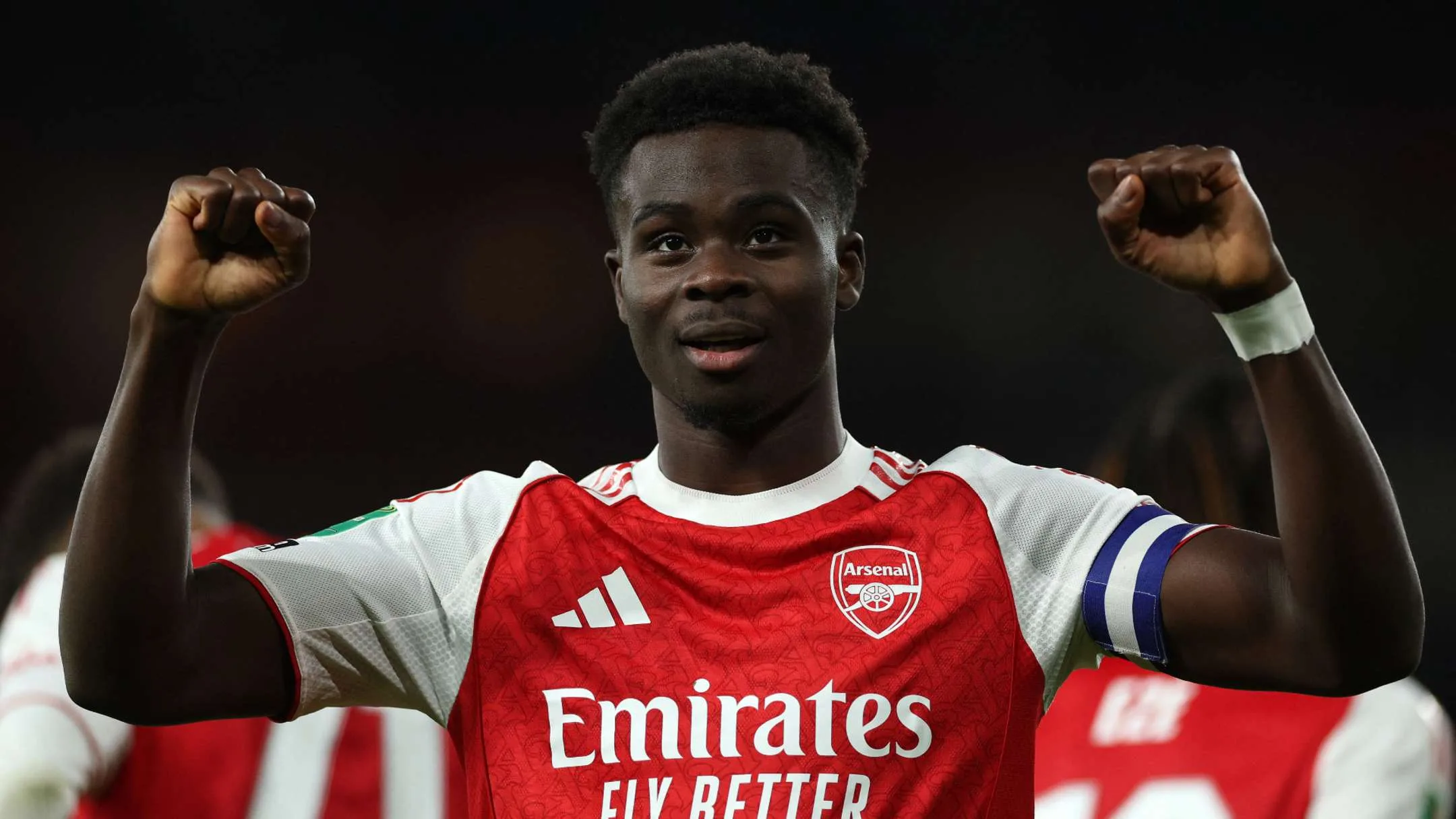
Bukayo Saka has agreed a new five-year contract at Arsenal that will run until the summer of 2031 and, according to The Guardian, lift his weekly pay to roughly £300,000. That figure would make him the club’s highest earner and place him among the best-paid players in the Premier League.
Saka was thought to be on £200,000 per week under his previous deal, which was due to expire in 2027, meaning the reported increase represents around 50 percent.
The Guardian’s reporting also identified Kai Havertz as Arsenal’s previous top earner, on about £280,000 per week. Saka, still only 24 and a homegrown player, has emerged as a clear leader at the club and regularly wears the captain’s armband when Martin Ødegaard is unavailable.
Club contract planning appears to continue beyond Saka. Ødegaard is set to be one of the next in line for fresh terms as his deal expires in 2028, while Declan Rice has been billed as the extension priority. Rice is described in reports as an all-action midfielder, “arguably the club’s most important and best player, transforming the complexion of the team with his inclusion.” Those same reports contrast the drop-off between Saka and Noni Madueke, or Ødegaard and Eberechi Eze, with the more marked difference when Rice is not on the pitch.
Saka will not eclipse Arsenal’s highest-paid player ever. Mesut Özil reportedly had six months remaining on a deal worth about £350,000 per week when he left the club in January 2021.
On the wider Premier League stage, Saka’s reported wage still sits below the division’s top earners. The Telegraph reported Mohamed Salah’s extension would see him earn up to £480,000 per week with bonuses and a base rate near £400,000 per week. The Guardian reported Erling Haaland’s nine-and-a-half-year deal as worth around £500,000 per week. Even among English players Saka is not the highest earner: Jack Grealish is reported to earn a similar £300,000 per week at Manchester City and Raheem Sterling about £325,000 per week, per The Times. The draft report notes that neither Grealish nor Sterling have been capped for England by Thomas Tuchel and are yet to play a single minute of Premier League football for their paymasters this season.
Highest paid players
Rooney Details £17m-a-Season Man Utd Deal as Former Teammates React
Rooney said his most lucrative contract paid £17m a season; peers contrasted old wages and security.
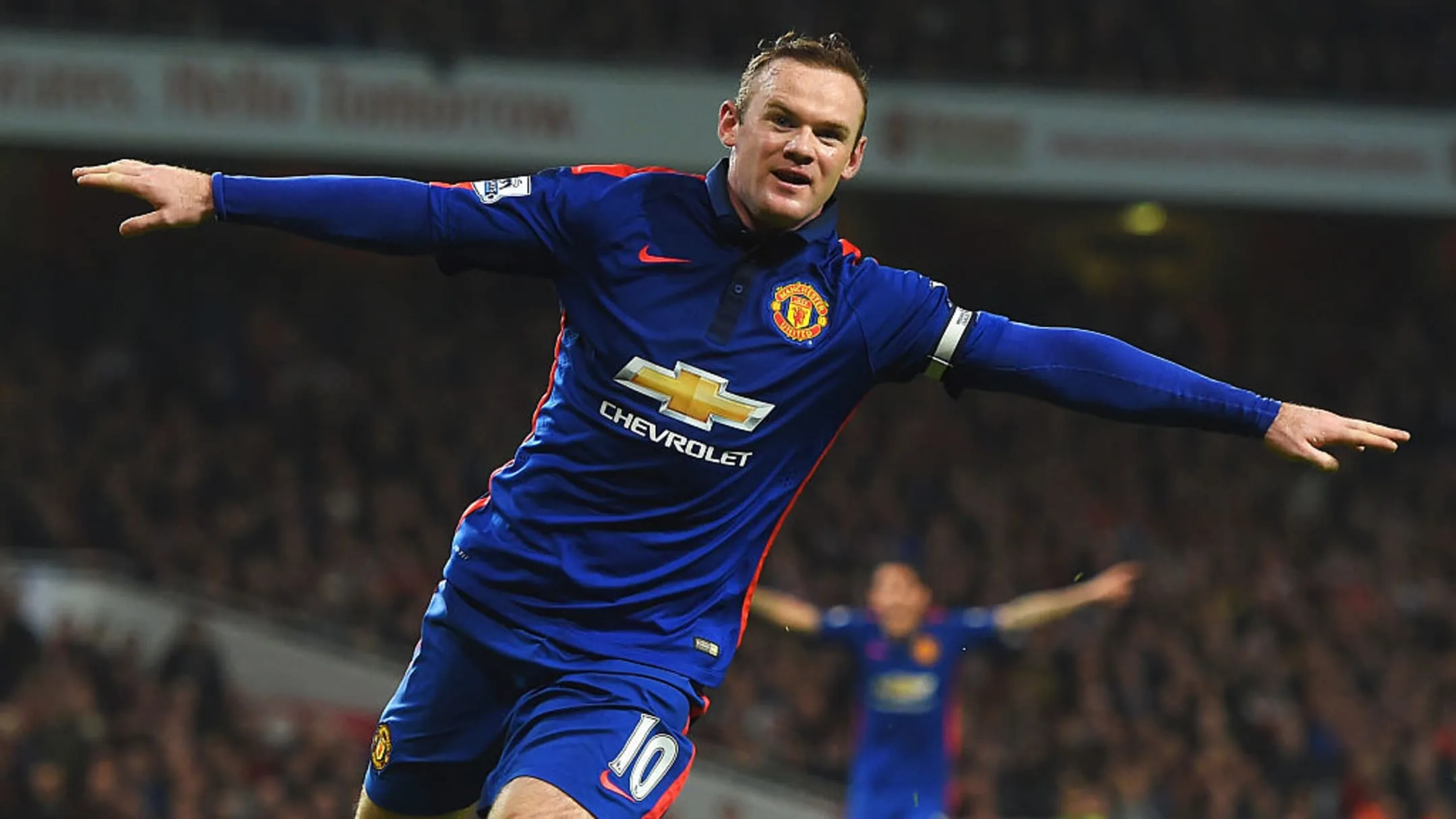
Wayne Rooney disclosed the size of the most lucrative contract of his Manchester United career: a package worth as much as £17 million per season, the equivalent of around £325,000 per week. The revelation prompted stunned reactions from Gary Neville, Roy Keane and Jamie Carragher during a recent episode of the Stick to Football podcast on The Overlap network.
The discussion compared wages across generations. Neville recalled that at his peak in 2001 he signed a contract worth £1.5 million per season, just under £30,000 each week. Keane’s landmark deal at the end of 1999 had been worth £50,000, and the former midfielder’s best ever deal a few years later was around double that, an annual salary in the region of £5 million. Carragher said his best Liverpool contract paid £3 million, while Ian Wright’s most lucrative deal was worth £1.25 million annually at West Ham United, with Arsenal paying him less.
Rooney’s £17 million-per-season figure is not believed to be the contract that followed his public questioning of Manchester United’s ambition in 2010. Instead it relates to the five-year contract he signed in February 2014 at the age of 28.
Neville argued that his own choices around contracts were driven by security and loyalty. “Money was never a focus for me. I never once worried about the money side of it,” he said. “[I thought] if I can get to the end of my career, at 35 or 36, at Manchester United, then I know I’ll be alright. I wouldn’t earn as much money signing these long-term contracts, [but] being a one-club man, being at United, was the right thing to do.
“When they offered me a seven-year contract on lower money, it was better for me than going for three or four years at higher money. I always thought in a more cautious way, if I got injured.”
Neville recalled signing what he described as the most lucrative contract of his career around 2007 for £1.75 million per season with a £500,000 signing bonus, then suffering an injury in 2008 that kept him out for a year while his deal ran on. He also noted the impact of the 1995 Bosman ruling on later negotiations and said Rooney was “right to push the club” for the best contract. Keane added: “You kept signing long-term contracts, so you never had a good bargaining position. My contract was running out a couple of times, so I got a good bargaining position. It’s not being greedy, it’s self-worth. As a manager, I used to admire the players who’d fight their corner.”

Summer transfer picture: big-money bids, Premier League interest and Haaland’s future

Brandt set to depart Dortmund as Arsenal and Barcelona monitor free transfer