
Manchester United
Scholes apologises to Carrick after social media backlash
Scholes apologised to Carrick after his social post drew criticism; he said he did not mean offence.

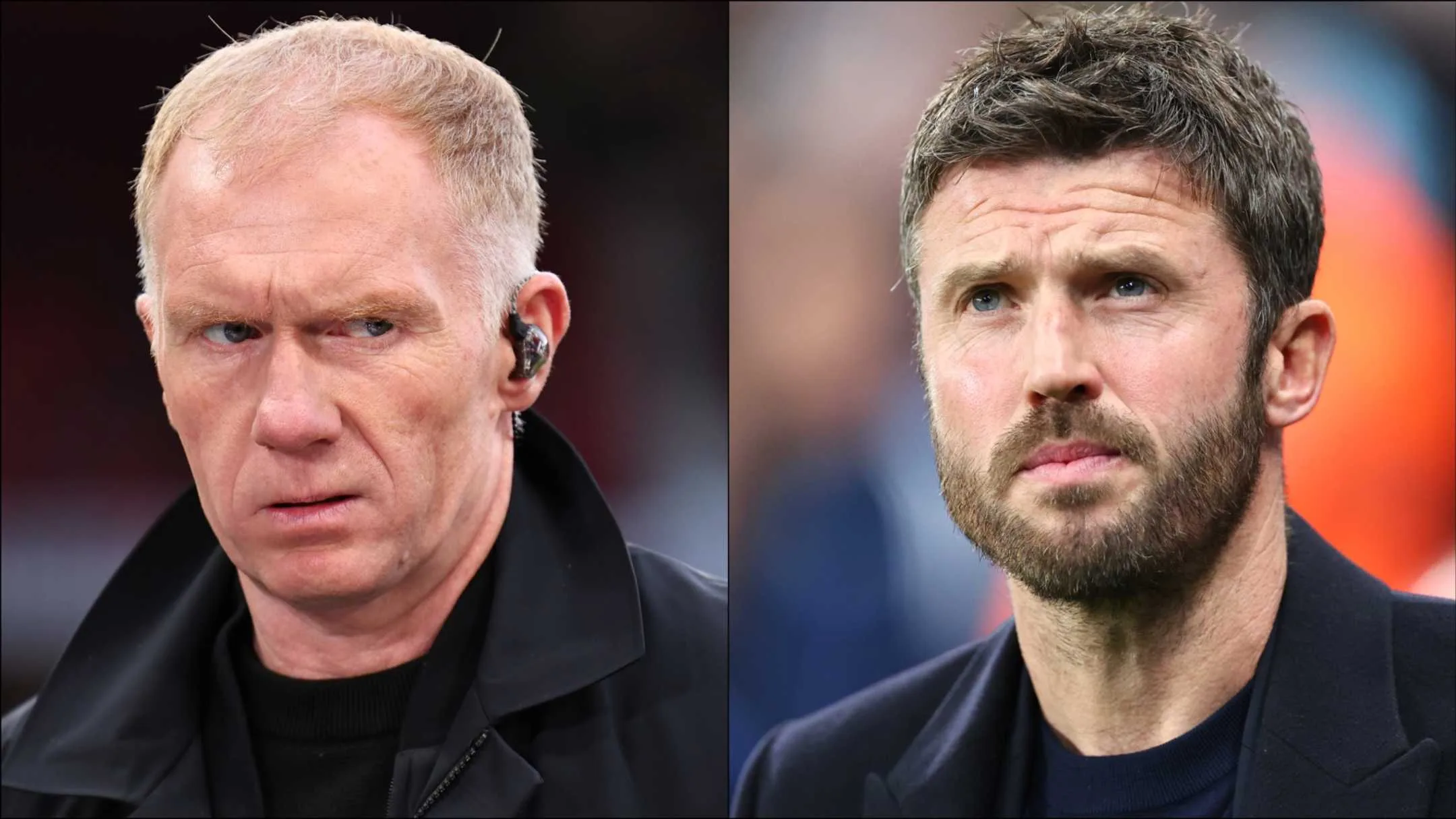
Paul Scholes has reached out to Manchester United interim manager Michael Carrick to apologise after a social media post prompted criticism. The former midfielder said he had not intended to upset Carrick and moved to resolve the matter directly.
It was a sharp intervention from Scholes that drew reaction from supporters and former players. Patrice Evra accused Scholes of courting controversy to attract attention and also targeted comments from Gary Neville and Roy Keane that were similarly critical of Carrick.
“Michael is one of the nicest people you will ever meet in football,” Scholes said on The Good, The Bad & The Football in response to the criticism. “He’d be the last person I would want to offend.
“I messaged Michael anyway. I went straight to Michael and said, ‘Look, I never intended to upset you.’ And I don’t think I needed to say that anyway, and he told me himself he wasn’t upset by it.
“I think people have just took it differently from what was meant. The only thing I was saying was that I don’t think they played that well the last four games, and he’s still managing to get results.”
Scholes and Carrick have a long playing history together. Scholes sits 12th on the list of Carrick’s most frequent teammates, having shared the pitch with him 160 times for a total of 9,900 minutes before Scholes retired in 2013. Five years later, after his own retirement, Carrick gleefully named Scholes as the best player he ever played with. “I always say Scholesy because he was right next to me and, as a partnership, he was fantastic to play with,” Carrick told The Mirror. “We had some incredible players, amazing, but I always go back to Scholesy.”
Their relationship was tested when Carrick took interim charge in 2021 following Ole Gunnar Solskjær’s departure. Scholes accused Carrick of disloyalty for stepping into the role and said on BT Sport: “I get the impression with Ole that he put a lot of trust into Michael,” Scholes said live on BT Sport. “He put a lot of trust into Kieran [McKenna]. He put a lot of trust into Mike Phelan. Which is why they shouldn’t be at the club now, I don’t think.
“I’ve got big friends. Michael’s a good friend, Darren Fletcher, I’ve worked with Mike Phelan, I’ve worked with these people. I just think if I was in their position now, I’d be feeling guilty working at this football club still, while Ole put so much trust in them.”
Scholes went on to challenge Carrick for a perceived lack of “responsibility” for the form which saw Solskjær sacked, insisting he played a significant role as an assistant and should not have been protected from criticism. Carrick offered a diplomatic response and said he had quickly sought advice from Solskjær after being offered the interim job.




AC Milan
Amorim emerges as AC Milan’s front‑runner after Allegri exit
Ruben Amorim is reported as AC Milan’s leading candidate after Allegri exit; talks held in Portugal.
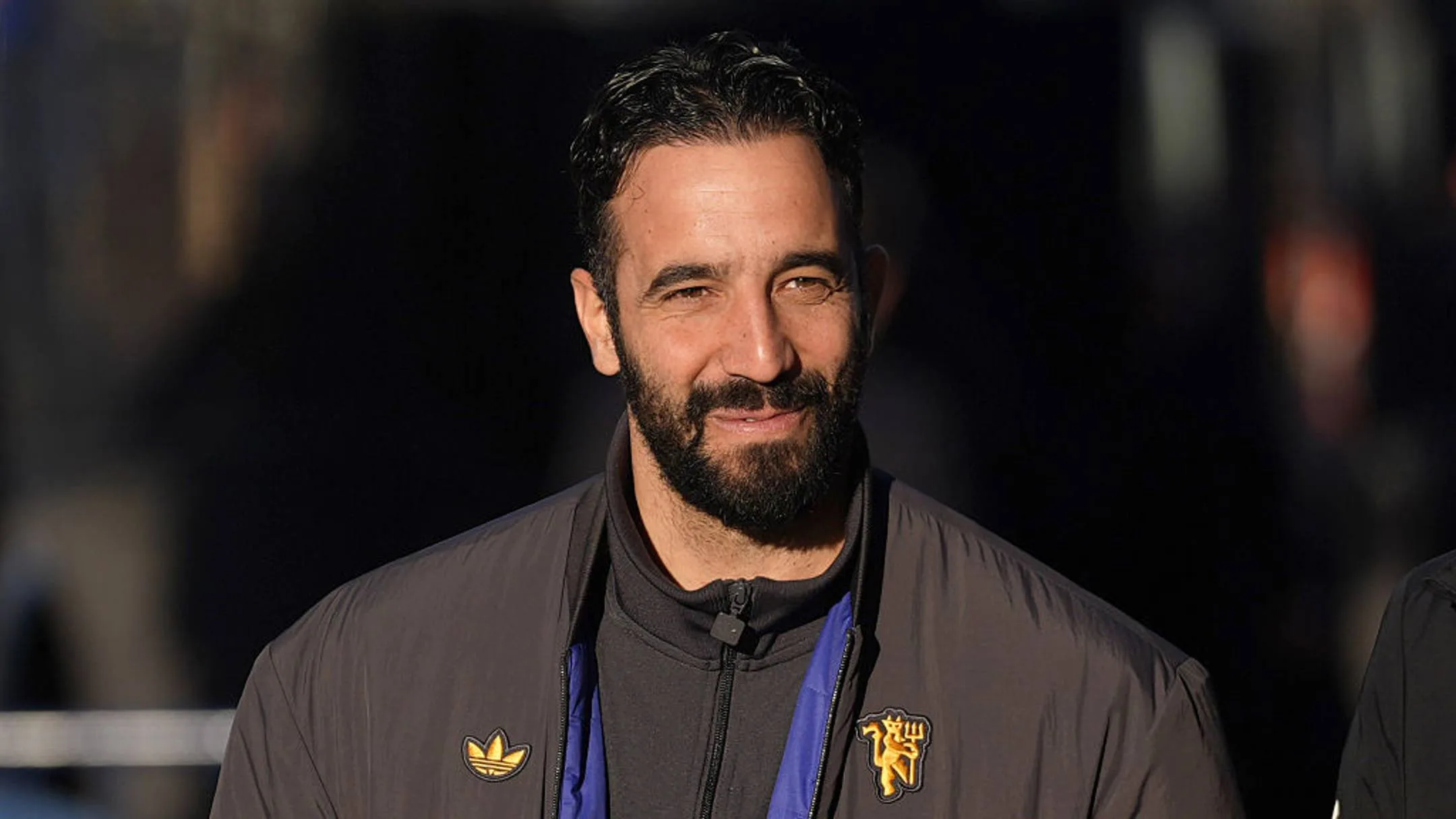
Ruben Amorim has emerged as the leading candidate to take charge at AC Milan following Massimiliano Allegri’s departure. The Athletic report that Amorim is the “leading candidate” and that the two parties “held talks” in Portugal last week as Milan begin a clear rebuild.
The 41-year-old left Manchester United after a turbulent spell in which he failed to deliver in the early months of 2025–26, only leading United to sixth place after 20 games. Despite those struggles in Manchester, Milan have placed Amorim at the head of their list as they clear out a number of senior figures.
The Serie A club parted company with Allegri, Sporting director Igli Tare, chief executive Giorgio Furlani and technical director Geoffrey Moncada after failing to qualify for the Champions League. A 2–1 defeat on the final matchday to Cagliari condemned Milan to fifth place, one point behind Como in fourth, meaning the club will compete in the Europa League next season.
Milan initially aimed to appoint Andoni Iraola but his signature was secured by Liverpool following the surprise dismissal of Arne Slot. Iraola signed a two-year deal with the Reds, forcing Milan to return to the drawing board. Reports also linked Mauricio Pochettino, Oliver Glasner and Al Ahli’s Matthias Jaissle to the role, per Fabrizio Romano.
Should Amorim win the race, he will inherit a squad that collected 70 points from 38 matches in 2025–26, 17 fewer than arch rivals and newly crowned champions Inter Milan. Even without European distraction, Milan’s return was judged insufficient, which helps explain the scale of the sporting overhaul.
What happens next with Amorim is no longer Manchester United’s concern. United rallied under Michael Carrick, producing a sensational second half of the season to finish third in the Premier League and qualify for the Champions League. Carrick was given a two-year contract to lead the club permanently, a decision met with widespread praise from fans and players, with Kobbie Mainoo and Bruno Fernandes leading the way.
Arsenal
Premier League issues new on-field principles for 2026–27 to tackle holding, timewasting and VAR use
Premier League sets: 2026–27 principles to curb holding, clamp down on timewasting and limit VAR use
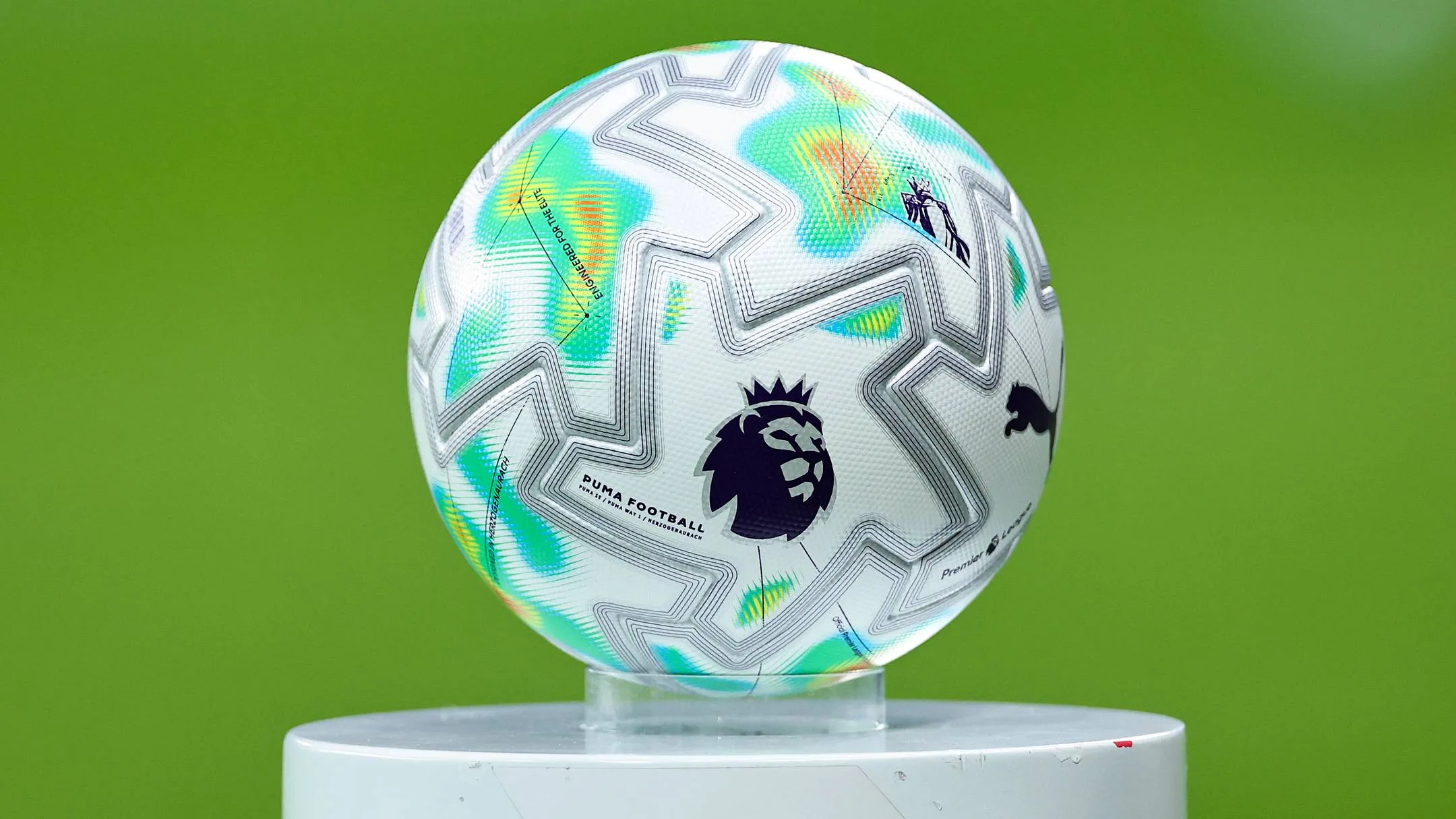
The Premier League has set out a revised suite of on-field principles ahead of the 2026–27 season aimed at addressing several contentious themes from 2025–26. The league said referees and match officials will follow the new regulations to reduce cynical play while retaining a high threshold for intervention. “Not every contact is a foul,” the statement said.
Holding and deliberate obstruction are the primary targets. Defenders who focus solely on blocking or holding opponents with no regard for the ball will be penalized, and players deliberately impeding the goalkeeper will also be punished. The intent behind actions will be judged, with officials instructed to act where there is a calculated attempt to prevent a player from playing the ball.
The directive responds to what the league described as widespread physicality from set-pieces, a feature that helped champions Arsenal. The issue prompted Brighton & Hove Albion manager Fabian Hürzeler to bring a Mixed Martial Arts fighter to training to teach his side how to cope.
Timewasting is another focus. Behaviours from feigning injury to prolonging substitutions and delaying restarts can now be sanctioned under rules similar to those used at this summer’s World Cup. Any player who receives on-field treatment must leave the pitch for at least one minute, twice the previous guidance. Deliberate delays to throw-ins and goal-kicks will face a five-second countdown and can result in a reversal of the decision in favour of the opposing team.
Substitution procedure has been tightened. A player must exit within 10 seconds of their number being raised by the official. If they exceed that period, the substitute may only enter the field at the first stoppage after one minute of play.
Hair pulling will remain a sending-off offence when malice, excessive force or brutality is evident, but officials will again consider intent and may issue a yellow when excessive force is not present. Of last season’s three red cards for hair pulling, the league noted Dan Ballard’s dismissal might have avoided a straight red, Michael Keane’s red would likely still stand and Lisandro Martínez’s case fell between those examples.
The plan with VAR is to limit its involvement. The system will not be used to correct corner decisions and there will be no intervention to recommend second yellow cards.
Man Utd Transfer News
United confirm Jadon Sancho will leave on a free when his contract expires
United confirm Jadon Sancho will leave on a free transfer at the end of the month. Retained list out
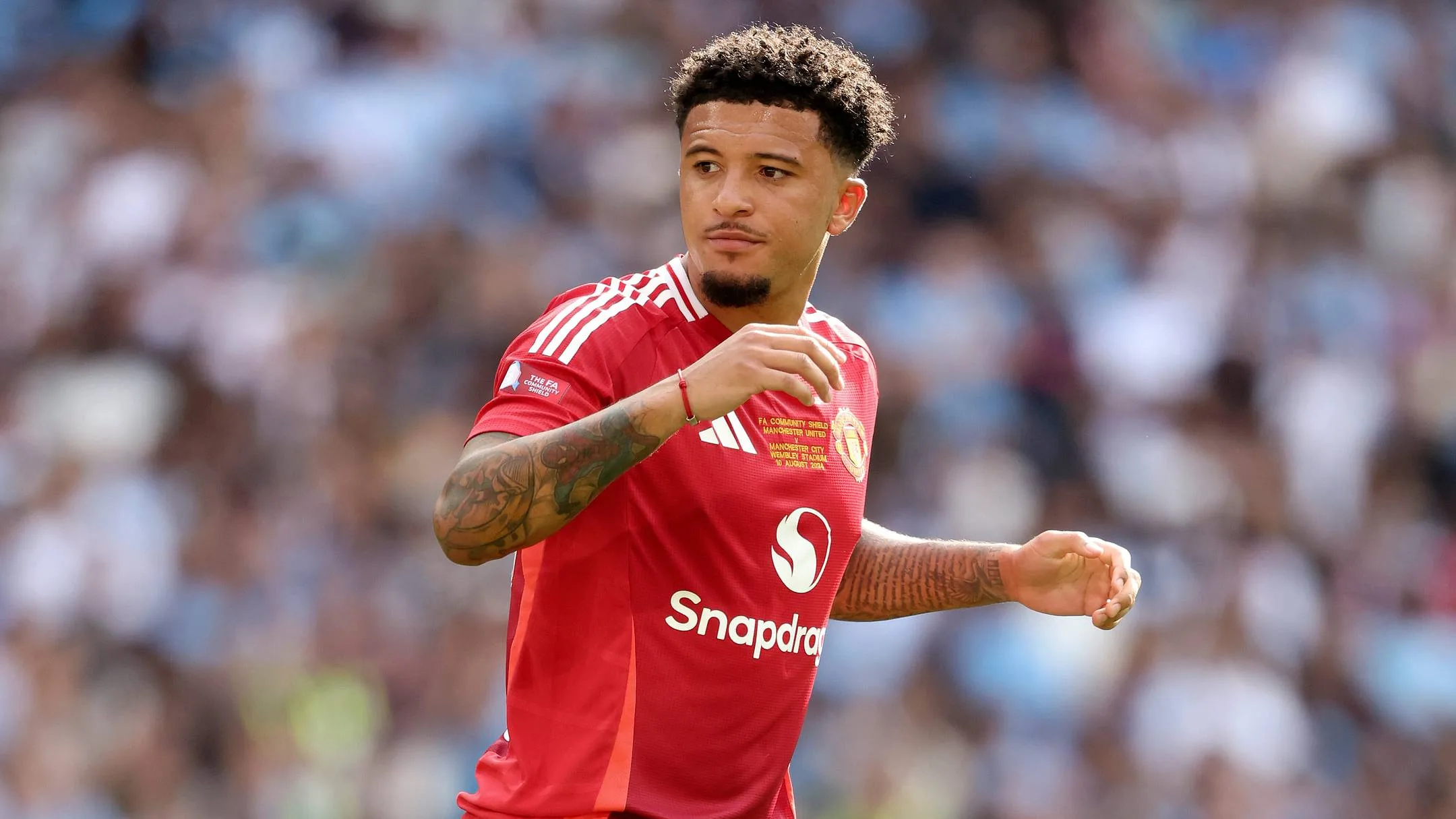
Manchester United have confirmed Jadon Sancho will depart the club on a free transfer when his contract expires, with the club choosing not to trigger an option that would have extended his stay. The decision comes after a difficult five years that will see Sancho join Casemiro and Tyrell Malacia among those leaving Old Trafford.
Sancho arrived in 2021 amid high expectation. At 21 he signed from Borussia Dortmund, where in three full seasons he had recorded 37 goals and 47 assists in just 92 league games. Those numbers helped frame the move as a coup at the time and fuelled hopes he would quickly adapt to English football.
Ole Gunnar Solskjær’s early endorsement was unequivocal. “He will form an integral part of my squad for years to come and we look forward to seeing him blossom,” said Solskjær. That promise did not materialise: in 14 appearances under Solskjær, Sancho failed to record a goal or an assist as he struggled with the physical demands of the Premier League.
Pressure and off-field matters complicated matters further. Sancho deleted his social media accounts in November 2022 and Erik ten Hag later confirmed Sancho was dealing with “both physical and mental” challenges. Reports suggested the player had not given the club permission to go public with those issues, a development that soured an already strained relationship between player and manager.
Tensions peaked in September 2023 when Ten Hag said Sancho had been dropped for poor training; Sancho responded on social media, effectively accusing his manager of lying and claiming he was being made a “scapegoat.” After refusing to apologise, Sancho returned to Dortmund on loan for the remainder of the 2023–24 season and impressed as his temporary employers reached the Champions League final, including a standout semifinal against Paris Saint-Germain.
Subsequent loans to Chelsea and Aston Villa failed to produce a permanent transfer. Chelsea paid a financial penalty to walk back on an obligation to sign him permanently, and Sancho struggled to establish himself under Unai Emery at Villa. United have now allowed the forward to leave without a fee as his contract ends at the close of the month.


-
 Chelsea2 months ago
If Xabi Alonso Took Charge at Chelsea: Formation, Principles and a Projected XI
-
 Arsenal2 months ago
Five leading contenders for 2025/26 Premier League Player of the Season
-
 Championship2 months ago
The Fall of Leicester: How Financial Choices, Recruitment and Instability Led to League One