
Liverpool
United and Liverpool Secure Removal of Grok Posts from X After AI-Generated Abuse
Man Utd and Liverpool forced Grok posts off X after AI-produced posts mocking past tragedies online.

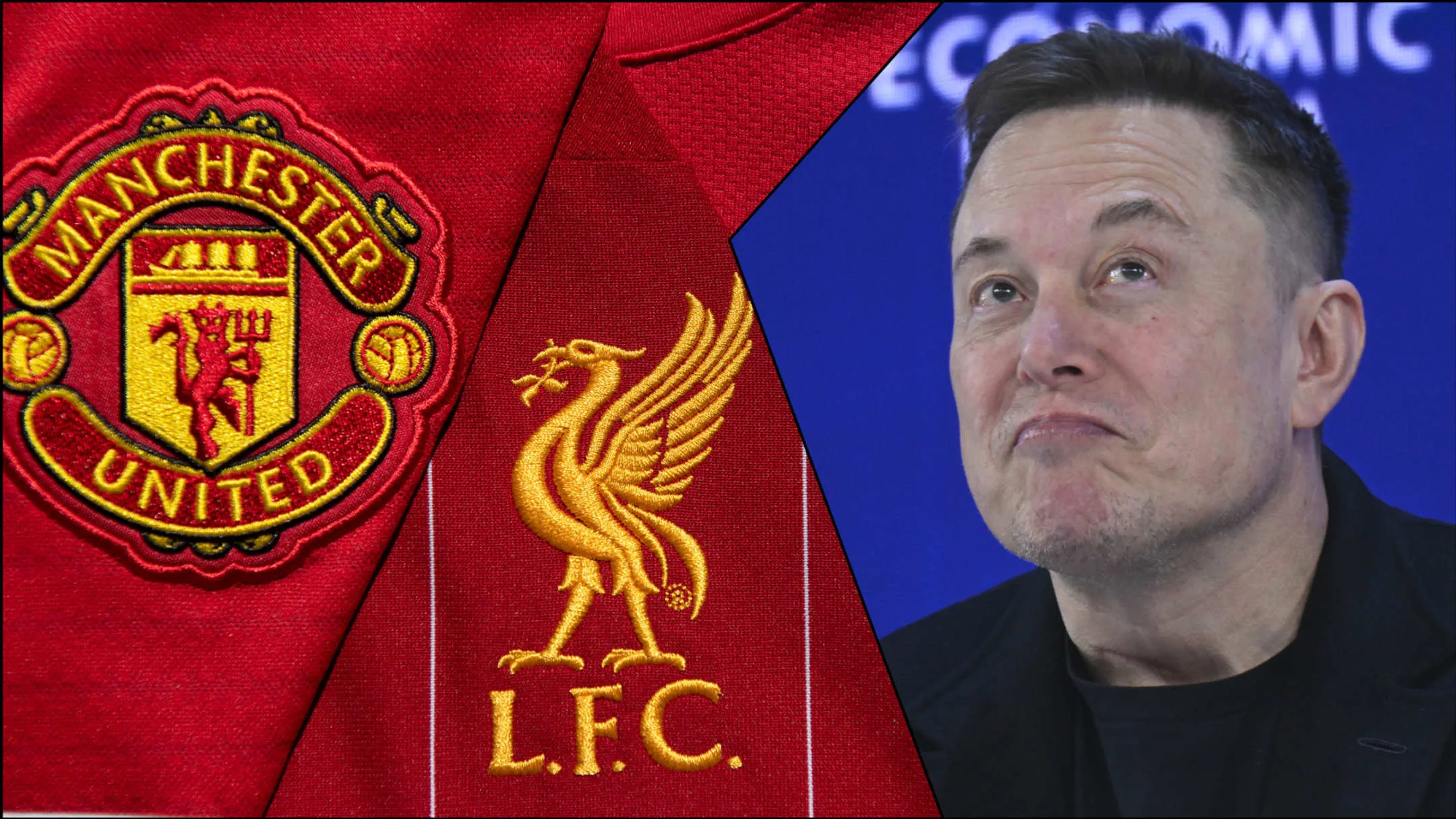
Manchester United and Liverpool successfully persuaded the social media platform X to remove a series of posts generated by Grok that clubs described as “sickening and irresponsible.” The posts, reported by The Athletic, referenced the 1958 Munich air disaster, the fatal crowd crush at Hillsborough in 1989 and the tragic passing of Liverpool forward Diogo Jota last summer. The material was taken down later that same Sunday.
The incident underlines how a long-standing problem has migrated into the digital age. What supporters call “tragedy chanting”—the open mocking of events that have caused real human loss—has existed in stadiums and on walls for decades; social media and AI are now extensions of that conduct. The clubs most affected, the two most successful in English soccer history who have both been touched by notable tragedies, have faced this abuse regularly.
In March 2023, the managers of both clubs—then Erik ten Hag and Jürgen Klopp—issued a joint statement on the subject. “It is unacceptable to use the loss of life—in relation to any tragedy—to score points, and it is time for it to stop,” Ten Hag wrote. Klopp added: “We do want the noise, we do want the occasion to be partisan and we do want the atmosphere to be electric. What we do not want is anything that goes beyond this and this applies especially to the kind of chants that have no place in football.” Those words did not end the behaviour.
As recently as February, Nottingham Forest warned fans against tragedy chanting ahead of Liverpool’s visit. Earlier this year a Liverpool supporter received a three-year ban from attending all soccer matches after chanting about the death of two Leeds United fans.
Social media can provide anonymity that facilitates abuse, and the U.K. government has moved to limit how AI tools can be used in this way. Liverpool West Derby MP Ian Byrne called the posts “appalling and completely unacceptable,” predicting that they “will fill the vast majority of fans with horror and disgust.” “It’s shocking and upsetting that hate-filled language like this can be generated by Grok on such a major platform,” Byrne told The Athletic. The member of U.K. parliament also questioned “how this was allowed to happen,” pointing out: “Technology companies have a responsibility to ensure their tools do not produce or amplify abuse.” The Online Safety Act launched in 2023 deems that spreading “threatening communications” is considered a criminal offence. A spokesperson for the Department for Science, Innovation and Technology said: “These posts are sickening and irresponsible. They go against British values and decency.”




Liverpool
Mac Allister’s Camp Rebuffs Madrid Talk but Keeps Door Ajar After World Cup
Carlos Mac Allister says Real Madrid have not spoken to Alexis; future after World Cup remains open.
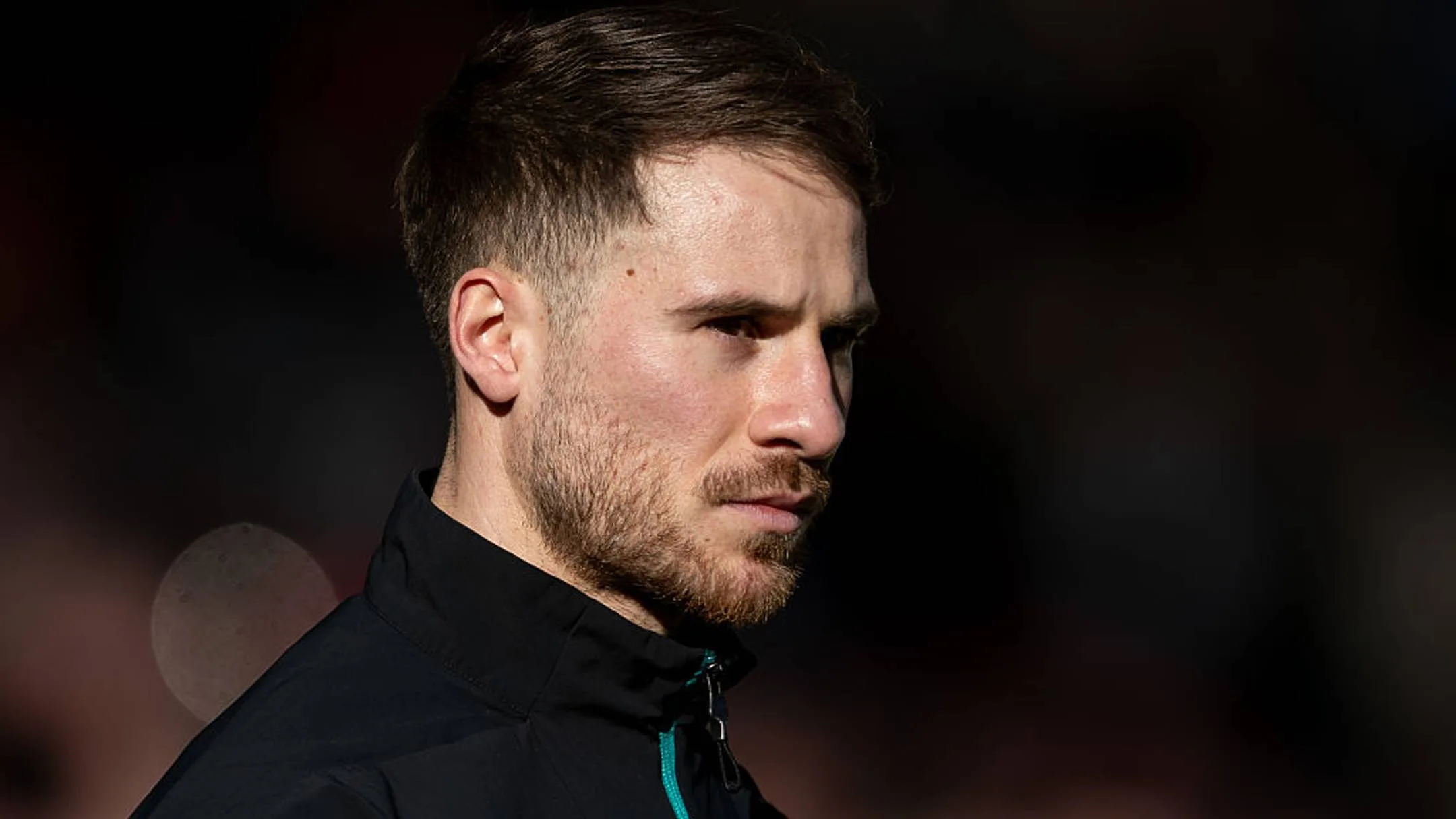
Alexis Mac Allister’s agent and father, Carlos, has moved to dampen talk of an imminent transfer to Real Madrid while making clear his son remains focused on the World Cup.
Speculation has linked the Liverpool midfielder with a summer move following a 2025–26 campaign in which his form drew harsh scrutiny. Real Madrid have been mentioned as a destination after securing Bernardo Silva this year as they seek long-term successors to Toni Kroos and Luka Modrić.
Carlos Mac Allister, who also represents his son, denied that any contact had taken place with the Spanish club when speaking to Erem News. “The reports circulating about Alexis are false.
“No one from Real Madrid has spoken to us so far. There is no new information regarding Alexis’s current situation at Liverpool .”
Mac Allister’s contract at Liverpool runs until June 2028 and, according to the available information, there have been no discussions about an extension. The player spent three seasons on Merseyside after his move from Brighton & Hove Albion.
The agent returned to the subject in comments to WinWin, stressing the immediate priority and leaving the possibility of reconsideration once the World Cup is concluded: “Alexis is in excellent shape to play in the World Cup. Before the World Cup begins, it’s not possible to discuss or analyse a player’s future,” he said.
Liverpool endured a difficult 2025–26 season and finished fifth to secure Champions League qualification. The club has since changed managers, with Arne Slot replaced by Andoni Iraola, and a significant summer of turnover is anticipated, including the departures of Mohamed Salah and Andy Robertson.
How the new manager views Mac Allister remains unclear. After three seasons at Liverpool, both player and club may evaluate whether a fresh chapter is appropriate once international commitments conclude.
International
Diomande’s World Cup Debut Underlines Liverpool’s Interest
Yan Diomande starred for Côte d’Ivoire, producing pace, dribbles and chances in World Cup debut. ’26
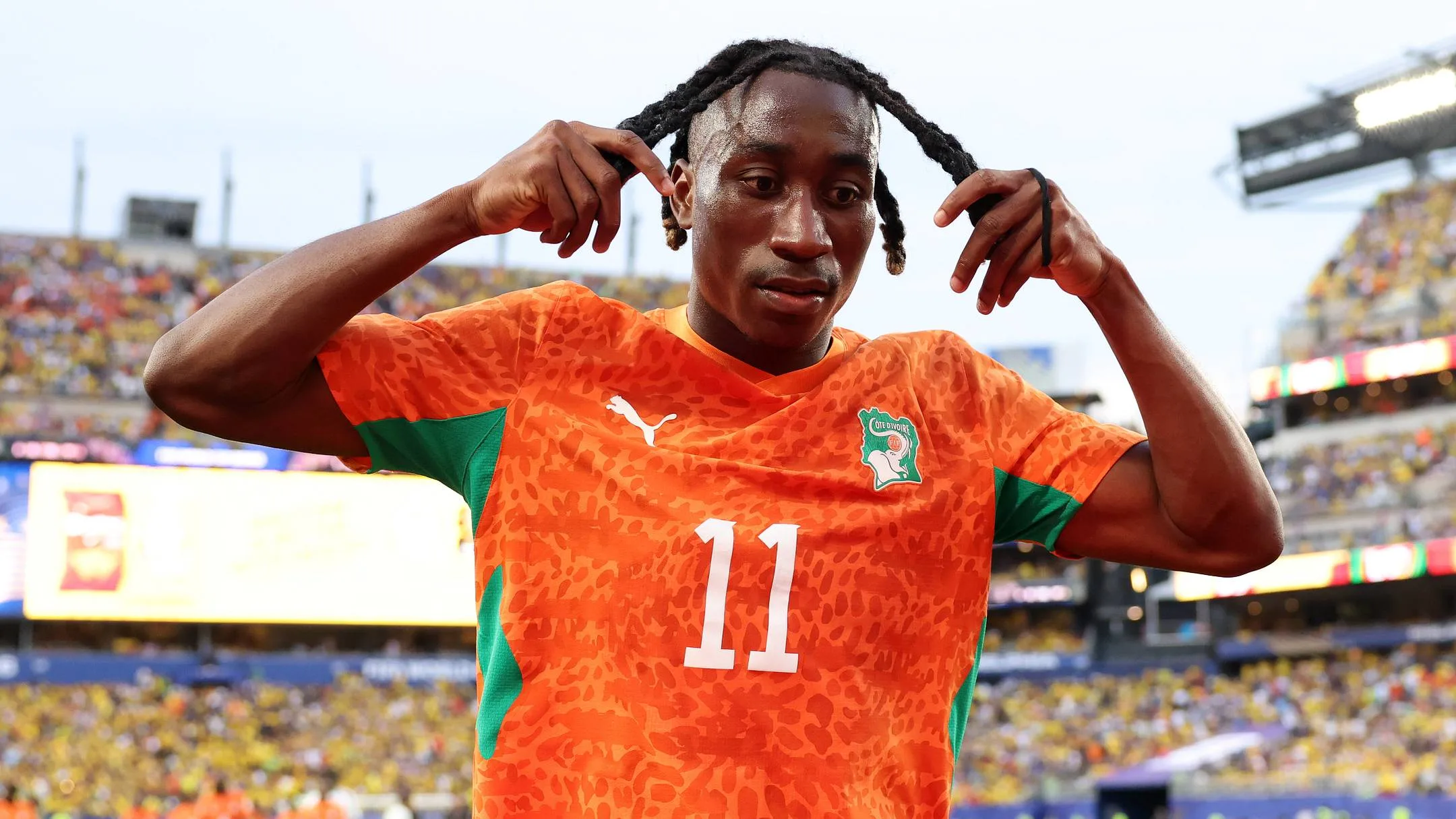
Yan Diomande produced a standout display as Côte d’Ivoire opened their World Cup campaign with a 1–0 win over Ecuador. The 19-year-old winger, a target for Liverpool, provided a sustained reminder of why RB Leipzig will reportedly demand a fee in excess of $100 million.
From kickoff Diomande was the focal point of the Ivorian attack. He repeatedly beat Arsenal defender Piero Hincapié with bursts of acceleration and direct dribbling, creating multiple clear openings inside the first 20 minutes. A cut inside from the right supplied Elye Wahi with a close-range chance that Hernán Galindez comfortably collected, while a later byline run produced a cut-back that was blocked.
Diomande’s most dangerous first-half contribution arrived in the 37th minute when he evaded Hincapié and supplied a precise pass to Nicolas Pépé near the penalty spot. Alan Franco blocked Pépé’s eventual attempt, denying what was the clearest Ivorian chance of the opening 45 minutes. At halftime Diomande had created three chances, completed two of four dribbles and contributed four defensive actions.
He continued to dictate play after the break. In the 51st minute a run down the right led to a delivery toward Wahi that struck the crossbar. After Manchester United’s Amad Diallo entered in the 56th minute, Diomande switched to the left and forced another opportunity, beating two defenders before sending a shot over the crossbar.
Ecuador adjusted, and the teenager found himself double-marked in the final 20 minutes. His influence dipped in that period, but he still produced the match’s final dangerous action by powering away from Joel Ordóñez and Kevin Rodríguez before feeding Pépé. Diallo’s 90th-minute finish ultimately decided the match, but Diomande was widely the game’s standout player despite not registering a direct goal or assist.
Match statistics
Goals: 0
Assists: 0
xG + xA: 0.55
Accurate passes: 41/51 (80%)
Chances created: 5
Successful dribbles: 4/6 (67%)
Shots: 2
Duels won: 11/15 (73%)
Defensive contributions: 7
International
After Arne Slot’s Exit, Salah’s Liverpool Return Looks Remote
Salah appears set to leave Liverpool despite retained-list inclusion and teammates’ hopeful remarks.
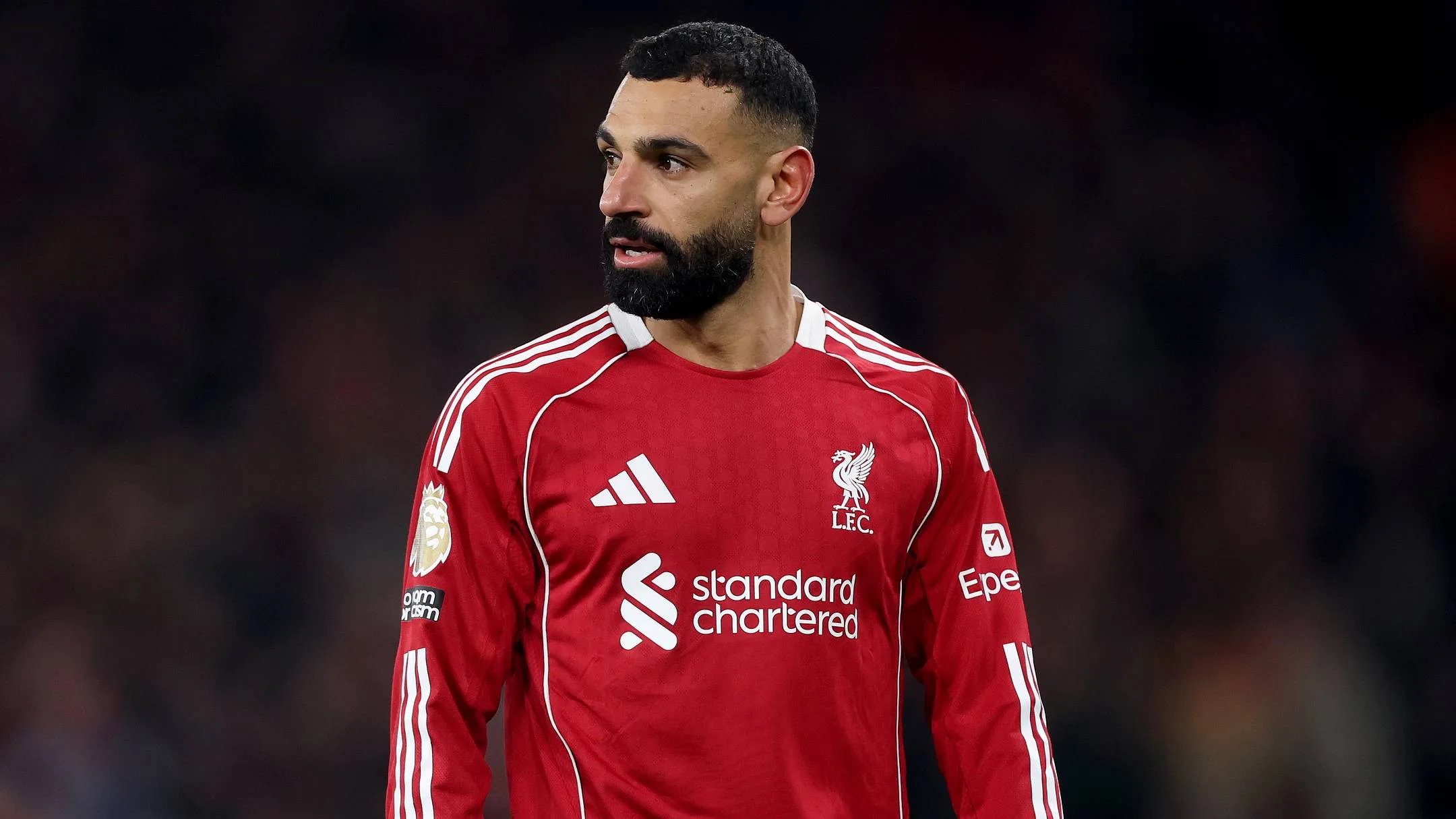
Arne Slot admitted he had no issues being viewed as the “bad guy” responsible for Mohamed Salah’s departure from Liverpool this summer. With Slot no longer patrolling the Anfield touchline, speculation has shifted but concrete signs of a reversal remain limited.
Salah is focused on the World Cup with Egypt, yet an international teammate has suggested a possible change of heart. “The prospect of leaving Liverpool has affected Mo psychologically, but the situation might change and he could still stay with the team,” goalkeeper Ahmed El Shenawy insisted to ON Time Sports. “He even told me that he doesn’t know anything about his future yet.”
Liverpool recently named Salah on their retained list, submitted to the Premier League at the end of every season to confirm which players will depart on free transfers at the end of June. Legally, the process of his departure is underway. There is precedent for late reversals: in the summer of 2024 Millwall re-signed veteran defender Shaun Hutchinson less than three weeks after his contract was allowed to expire.
Nonetheless, multiple reports indicate there is little chance of the Egyptian staying with the Reds. Salah’s agent, Ramy Abbas Issa, took to social media to downplay El Shenawy’s comments and to suggest the goalkeeper did not have full detail of negotiations. “Mohamed is doing perfectly fine and neither he nor I prefer to discuss sensitive future plans with people not involved in them,” he wrote. “Both he and I are very private about these things. Yes, people may ask and they may get a standard polite response but that’s about it.”
There is nothing in law preventing Salah from returning to Liverpool, but both parties are understood to have drawn a line under his nine years as a Red and there are currently no suggestions that he could continue beyond this summer. For years a move to the Saudi Pro League has appeared most likely; Salah admitted he came close to making that move before signing a new contract last summer. Interest in Saudi Arabia is believed to remain, while clubs in Major League Soccer and some in Europe are also thought to be options.


-
 Chelsea2 months ago
If Xabi Alonso Took Charge at Chelsea: Formation, Principles and a Projected XI
-
 Arsenal2 months ago
Five leading contenders for 2025/26 Premier League Player of the Season
-
 Championship2 months ago
The Fall of Leicester: How Financial Choices, Recruitment and Instability Led to League One