Manchester United
Carrick Defines Priorities After Being Confirmed as Manchester United Manager
Carrick named permanent manager after interim spell; vows to return the club to title contention soon

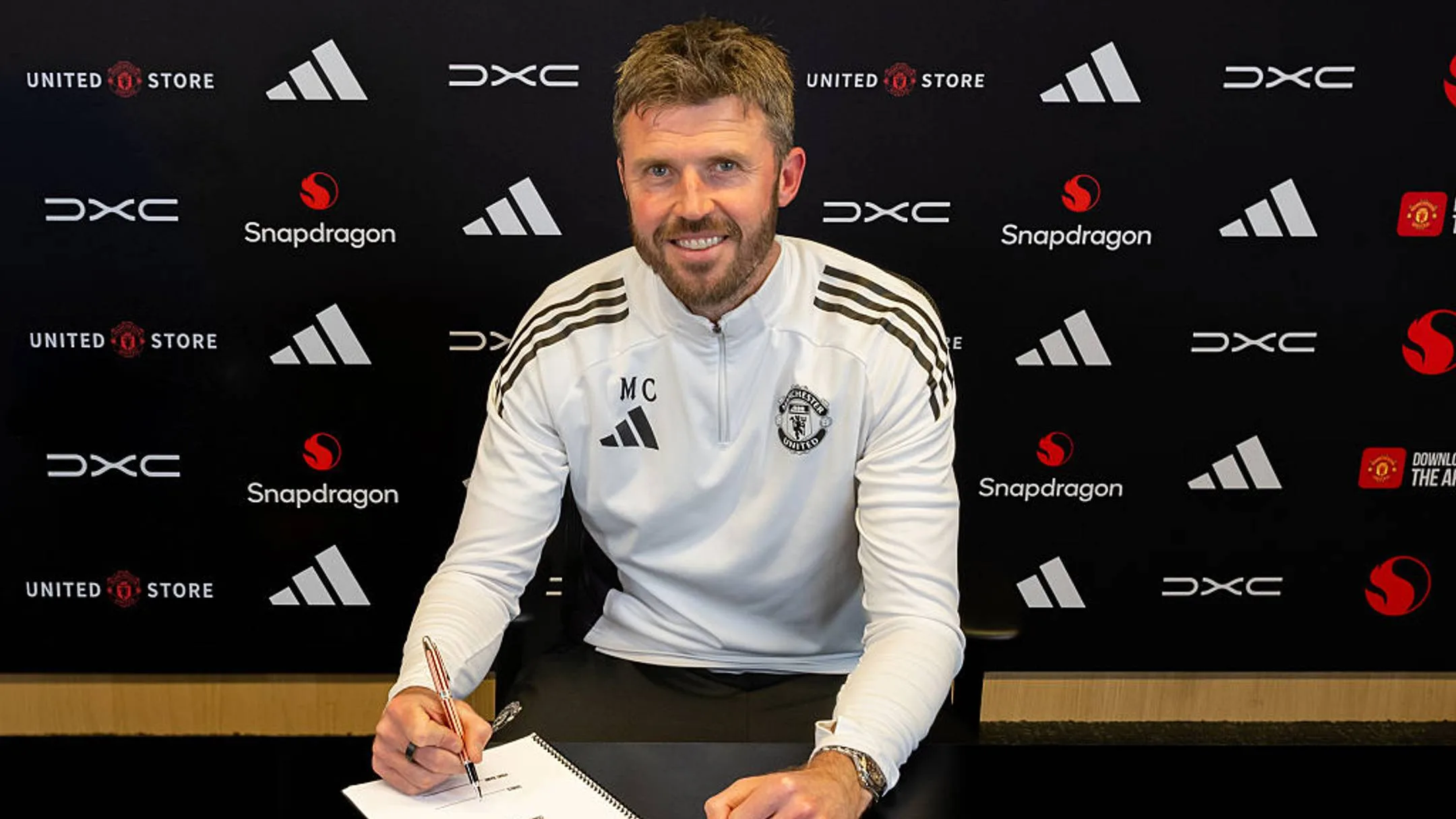
Michael Carrick has articulated a clear mandate after being confirmed as Manchester United’s permanent manager. His initial comments underline an awareness of the club’s expectations and of where success must be measured.
In recent years Liverpool have matched United’s record of 20 English league championships. Manchester City have risen to 10 all-time titles, having been on just three when Ferguson lifted his final trophy 13 years ago. Those shifts in the domestic landscape frame the scale of the task Carrick inherits.
United have not been in a position to seriously challenge for a long time, yet the transformation Carrick has overseen since returning to Old Trafford as interim boss in January has been described as monumental. No Premier League team has matched United for Premier League points—36 from a possible 48 across 16 matches—during that period.
“[Winning titles is] where we want to be as a club and it’s not even so much for me. It’d be an incredible thing for me to be able to do, but just to see this club lifting trophies and winning leagues and challenging for Champions Leagues, that’s the buzz,” Carrick said in his first interview with his new title, speaking to ex-teammate Wayne Rooney for a special of the club’s in-house podcast .
“That’s what gets us out of bed every morning and [we want to] enjoy the grind of the summer and come back stronger for next season.”
The expectations at Manchester United remain exacting. Louis van Gaal and José Mourinho did ensure the club lifted three trophies in the first four years after Ferguson’s retirement, but neither came close to winning the Premier League and neither avoided being fired. That history is a reminder of the high bar Carrick must clear if his tenure is to be judged a success.
Carrick’s early record since January gives him a platform. The task now is to convert that momentum into sustained title bids and continental progress while meeting the standards the club and its supporters demand.




Manchester United
Eight Manchester United youngsters who could step forward in 2026-27
United’s academy offers Carrick several options for 2026-27, from Heaven to Gabriel.
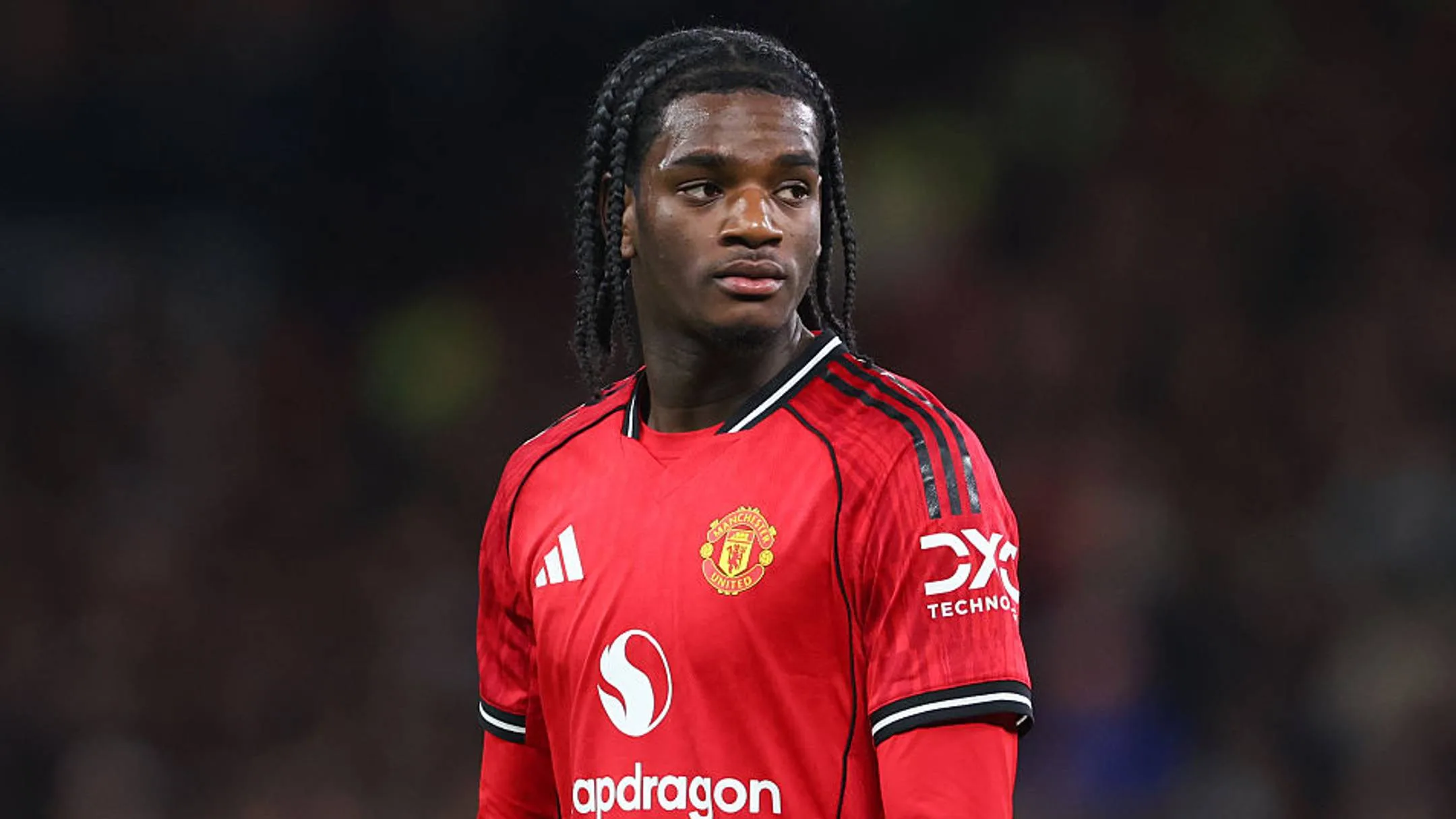
Manchester United enter the 2026-27 season with renewed confidence after last term’s major recovery under Michael Carrick. His permanent appointment and a handful of summer signings have strengthened the squad, but the club may still find value closer to home. The academy remains a significant source of depth, and several young players will be hoping preseason can open the door to first-team opportunities.
Ayden Heaven already made a strong impression last season, featuring 18 times for the senior side and starting three of the final six Premier League matches. The 19-year-old center back, recruited from Arsenal’s academy, showed pace, physical strength and improving positional awareness. With Champions League football adding to the workload, he may be needed more often, especially with Harry Maguire now 33 and Matthijs de Ligt and Lisandro Martínez both carrying injury concerns.
At left back, Harry Amass could be next in line if no senior signing arrives. He made seven appearances in 2024-25, then spent time on loan before an injury cut short his spell at Norwich City. He has already scored against Rosenborg in preseason and could become Luke Shaw’s deputy.
Shea Lacey has also put himself in the conversation. The right winger made four first-team appearances last season and posted 12 goals and five assists in 19 outings for the U-21s. He may yet be kept around rather than sent out on loan.
Chido Obi continues to attract attention after scoring 15 times for the U-21s last season and making eight senior appearances. Tyler Fletcher, the son of Darren Fletcher, has already had two brief Premier League cameos, while his twin Jack made three consecutive league appearances last December and produced six goals and eight assists for the U-21s.
Jacob Devaney, after a productive loan with St Mirren, and JJ Gabriel, who turns 16 this October, complete a group that could yet force their way into Carrick’s thinking.
Manchester United
Martínez setback eased as United expect opening-day return
United expect Martínez to be fit for the 2026/27 opener after the World Cup final injury.
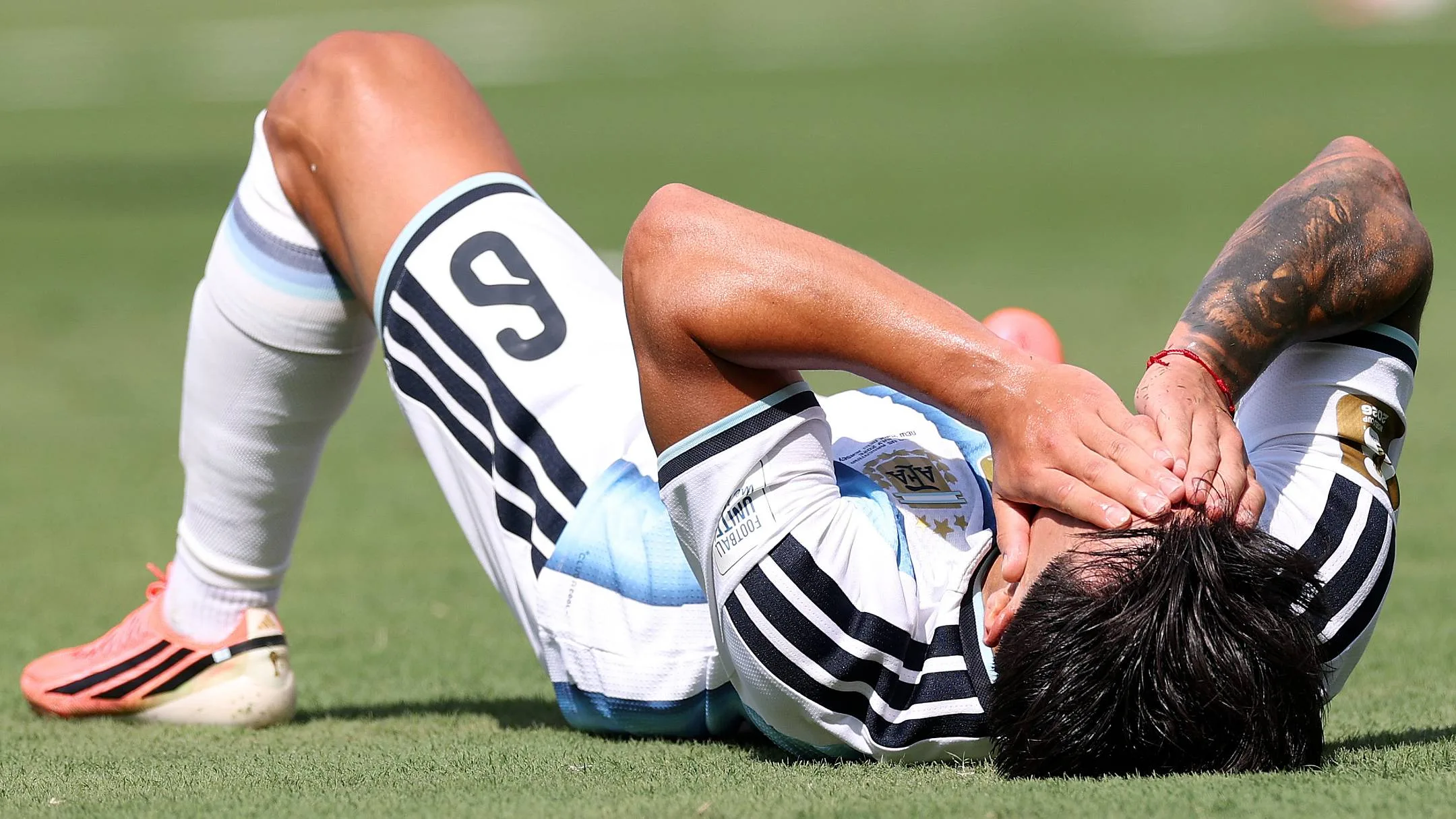
Manchester United have been handed a more encouraging reading on Lisandro Martínez after his latest injury scare, with the defender’s situation not thought to be severe.
Martínez was forced off in the first half of the World Cup final, and the sight of the Argentina left-footed centre back leaving the pitch naturally triggered concern in Manchester. His central defensive partner Cristian Romero also went off injured after both had spent much of the match resisting Spanish pressure.
Although the final finished badly for Argentina, Martínez still had reason for recognition. He was later included in FIFA’s Dream XI, a nod to the strength of his individual tournament.
The issue is understood to involve his thigh, which at least places it apart from the long-running problems that have interrupted his United career. Since arriving at Old Trafford, Martínez has missed sizeable spells with foot, knee and calf injuries. His first season was ended early by a fractured metatarsal, while injuries kept him out of 41 matches in 2023-24. In 2025, a torn ACL sidelined him for more than nine months and even prompted thoughts of early retirement.
Muscle problems have continued to affect his recovery from that knee injury, but the present hamstring concern does not appear to be a major one. United are said to be relaxed, and Andy Mitten understands the club believe Martínez can be fit for the opening weekend of the 2026/27 Premier League season. The Red Devils travel to newly promoted Hull City on Aug. 22.
United have not yet added a defender in the summer transfer window, with Michael Carrick expected to trust the options already available to him. He will also hope Matthijs de Ligt can return soon, though the Dutchman still has a way to go before full fitness.
De Ligt’s recovery from his “complicated” back injury is expected to take almost a year. His last appearance for United came in a 2-1 win over Crystal Palace on Nov. 30, 2025, when Ruben Amorim was still in charge.
Arsenal
Premier League clubs step up 2026/27 preseason with fixtures spread across the world
Premier League clubs are spread across Europe, Asia and the US in a busy 2026/27 preseason.
With the World Cup having only recently concluded, Premier League clubs are already deep into their 2026/27 preseason programmes. The calendar is tight, the travel is heavy and the purpose is clear: get players ready, test combinations and give new faces a chance to make an early impression.
Arsenal, the reigning champions, are among the later starters. Their first friendly comes on Aug. 1 against Girona in Catalonia, before further meetings with Real Betis, Borussia Dortmund and Como. They will then face Manchester City in the Community Shield at the Principality Stadium in Cardiff.
Aston Villa have already opened with a 5-0 win over Walsall and continue across Europe and Asia, while Bournemouth began with a 4-1 victory against St. Pauli. Brentford and Brighton & Hove Albion both have short schedules remaining, with each taking on European opposition in mid-August.
Chelsea’s first run under new manager Xabi Alonso takes them to Australia for matches against Western Sydney Wanderers and Tottenham Hotspur, before trips through Hong Kong, Jakarta and Malaysia. Their final friendly is against Real Sociedad at Stamford Bridge.
Elsewhere, Everton have mixed early results and face a demanding route through Scotland, Germany and home soil before meeting Lille. Fulham also have work to do after a behind-closed-doors defeat to Norwich City. Hull City, Ipswich Town and Coventry City all have their own preparations mapped out, while Crystal Palace have already played twice and continue with fixtures in Italy and Germany.
Liverpool’s schedule includes a United States tour against Sunderland, Wrexham and Leeds United, followed by Monaco and two games against Como on Aug. 16. Manchester City are taking a lighter approach, starting with Inter in Hong Kong before facing the K-League All-Stars, Atlético Madrid and Arsenal. Manchester United, meanwhile, have already lost to Wrexham and beaten Rosenborg 5-0, with Atlético Madrid, Paris Saint-Germain, Leeds United and Milan still to come.
Newcastle United, Nottingham Forest, Sunderland and Tottenham Hotspur also remain busy, with each club using these final weeks to sharpen up before the league begins.

Liverpool weigh less costly winger options as Barcola price looms

Vinícius Júnior’s contract stand-off keeps Real Madrid and Arsenal linked