Chelsea
Mudryk’s Ban, the Questions It Raises, and the Duty Every Player Carries
Mudryk’s case exposes wider anti-doping questions, but FIFA’s rules leave players with ultimate responsibility.

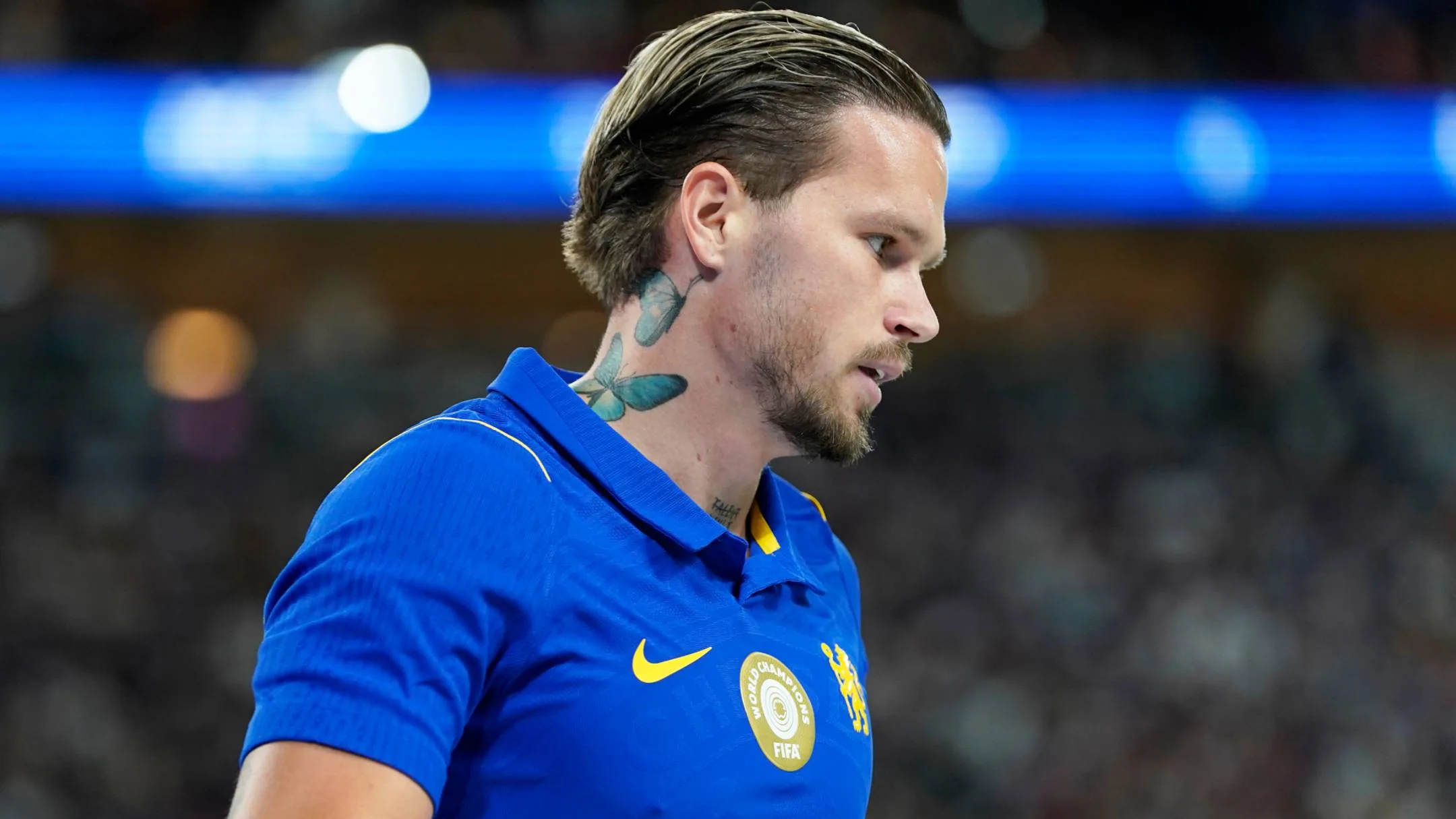
Mykhailo Mudryk’s suspension has become more than a personal setback. After initially receiving a four-year ban over a failed test in December 2024, the Ukraine international has now pointed to a nutritionist on the Ukraine national team as the source of the problem. But even with that allegation, he cannot remove himself entirely from responsibility.
Mudryk’s career at Chelsea had already been uneven during a turbulent spell at the club, and the positive test halted any chance of building momentum. A “low concentration” of the banned substance meldonium was found in his system, and the winger insisted on his innocence. The original punishment was later reduced in July after a change in anti-doping regulations specifically relating to meldonium, a drug shown to improve endurance and aid recovery. He then reached an agreement with the English Football Association and the World Anti-Doping Agency to end his suspension over the summer.
Chelsea manager Xabi Alonso included him in preseason plans before advising him that an exit would be the best route. The 25-year-old then moved to Tottenham Hotspur on loan, where he was reunited with his former Shakhtar manager, Roberto De Zerbi.
In an interview with Ukrainian journalist Dmitry Gordon on his YouTube channel, Mudryk described how he believes the substance entered his body. “I had never heard of a drug like meldonium, never seen it, never come across it in my life. I only learned about it when they told me the news,” he said. “I definitely have ideas. It’s a drug you can only get in Eastern Europe.
“This drug could only have got into my body where I was, and that’s Ukraine. There are no such drugs in England. It supposedly stimulates your heart and helps you, as far as I understand, handle physical load better.
“There are people who keep an eye on it. In the Ukrainian national team we have a nutritionist who hands us pills every couple of days before games. He brings us a little cup. Everyone has to take the pills that are in that cup.”
Mudryk’s remarks may invite scrutiny of the wider setup, but the broader lesson is unavoidable. As FIFA states, “It is each player’s personal duty to ensure that no prohibited substance enters their body,” and “Players are responsible for any prohibited substance or its metabolites or markers found to be present in their samples. Accordingly, it is not necessary that intent, fault, negligence or knowing use on the player’s part be demonstrated in order to establish an anti‑doping rule violation.”
After everything, Mudryk’s final reflection carried the clearest warning: “I just would like, for the future, everyone to understand that you can only rely on yourself.”




Analytics & Stats
Premier League after 10 games: the questions that still shape the season
After 10 games, the Premier League has clearer patterns, but several major questions remain unanswered.
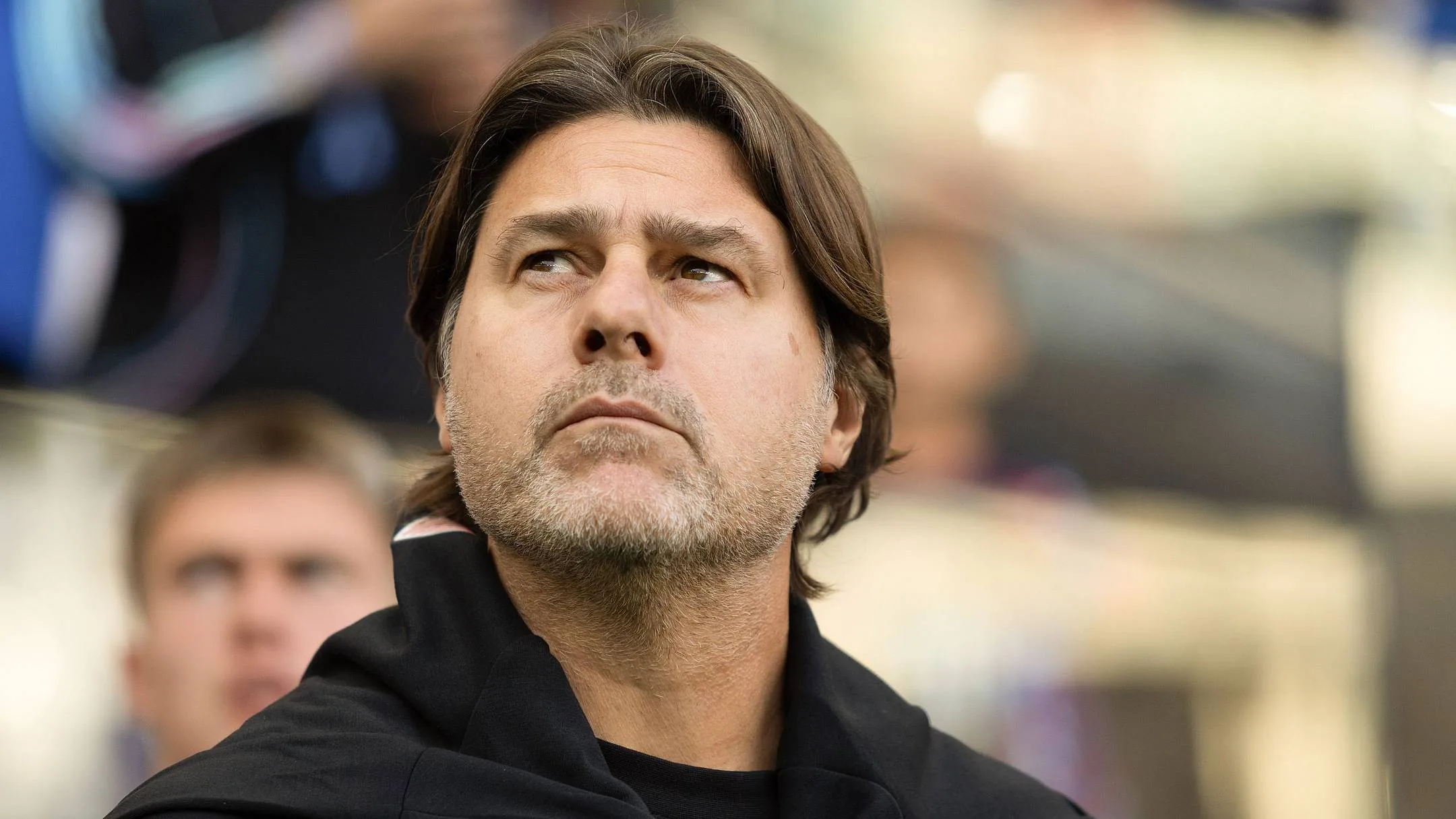
Ten matches into the 2026/27 Premier League season, the broad lines of the campaign are beginning to emerge. Yet with domestic football returning after the November international break, there is still no shortage of unanswered questions across the division.
At the top, Mikel Arteta is handling the kind of dilemma managers usually welcome. Ezri Konsa is in form, William Saliba is back, and the decision between them comes as key fixtures against Manchester City, Brentford, Spurs and Manchester United move into view. Konsa offers strength in duels, while Saliba brings the option of a higher line.
Aston Villa’s six-match unbeaten league run has kept them moving, but it has not been fully convincing. Unai Emery’s side have too often been drawn into frantic, open games and have not controlled them well enough. Their numbers reflect that, with Villa 15th for average possession and third for times dispossessed.
Bournemouth continue to stand out. Only Paris Saint-Germain and Real Madrid have also won their last eight matches across Europe’s big five leagues. Marco Rose’s side are Opta’s favourites for the Europa League and have not allowed European commitments to disrupt their domestic form. Evanilson, Marcus Tavernier and Rayan are operating as a dangerous front three, with Eli Junior Kroupi set to return to the mix.
Brentford are sharing goals, but Thiago is not reproducing the level he reached last season, despite getting into dangerous positions. Brighton, meanwhile, are making a more serious case by the week. They are the only side to beat Arsenal this season, they are the league’s top scorers and they are doing it with confidence and verve.
Elsewhere, Chelsea still need to find the right place for Estêvão, Coventry need points rather than encouragement, Palace are adjusting to Thomas Frank, Everton are stretched by a 21-man squad, Fulham still need a finisher, Hull remain limited, Ipswich keep making errors, Leeds need more from Wilson, Liverpool’s midfield is unsettled, and City’s three straight defeats have raised difficult questions. Newcastle, Forest, Sunderland and Spurs also carry significant concerns into the next phase of the season.
Chelsea
Juan Mata ends career with a brief farewell that fits his style
Mata’s career ended with quiet dignity, from Chelsea glory to Manchester United service.
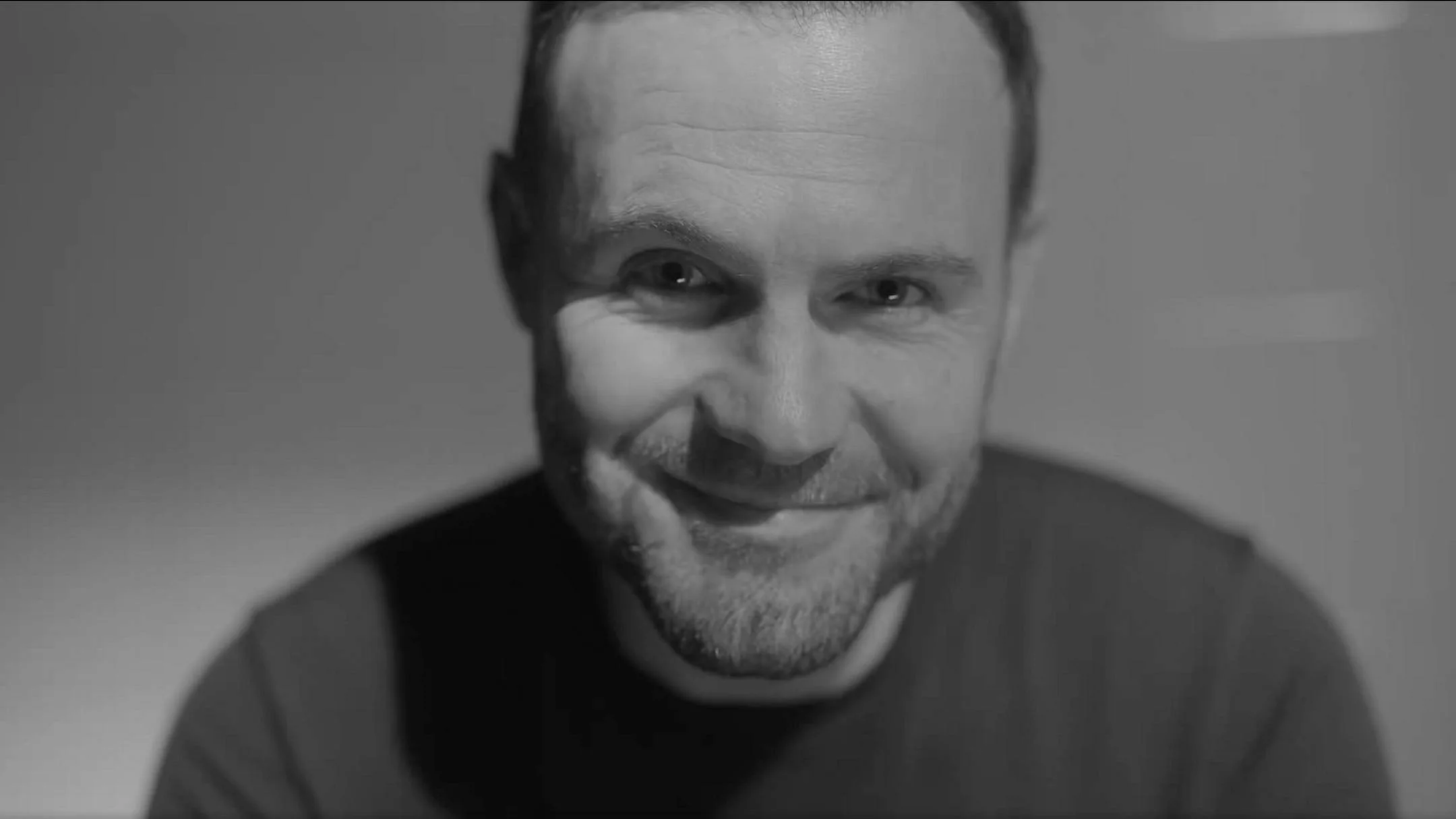
Juan Mata has closed the book on a long career with the kind of restraint that defined much of it. Rather than stretching for a grand goodbye, the former Spain, Chelsea and Manchester United attacker chose a short line to mark the moment: “Sometimes, to love… is to let go.” He followed it with an equally simple sign-off: “Thank you, football.”
There was no extended reflection on the World Cup or European Championship medals he won with Spain, and no lengthy tribute to his part in Chelsea’s first Champions League triumph. Even the winding path of his later years, which took him to Türkiye, Japan and Australia, was left unpicking itself in silence.
Mata’s Premier League story was unusual, but often memorable. He spent nine different seasons at Manchester United, yet the peak of his English career may well have come in 2.5 years at Chelsea. After arriving in 2011 from Valencia, where he had already built a reputation as one of La Liga’s most inventive midfielders, he adapted quickly to English football.
His slight frame did not hold him back. Before scoring on his debut against Norwich City, Mata made clear he was not a conventional winger. He said: “I am not an old-style winger stuck right out on the wing and limited to running at people and getting crosses in.”
He became one of the faces of a technical shift in the Premier League after Spain’s 2010 World Cup triumph, alongside players such as David Silva and Santi Cazorla. Mata described his game simply: “I like to drop inside and get between the lines,” he explained. “I tend not to try to take people one on one; I believe in movement, interchange and being vertical.”
That approach brought rewards. He was voted Chelsea’s Player of the Season in each of his two full campaigns there, and delivered key contributions in the Champions League final and the Europa League final in back-to-back summers.
His Chelsea career changed when José Mourinho arrived in 2013. Mata would later move to Manchester United in 2014, remain an important player under Louis van Gaal, and eventually work with Mourinho again in 2016. Reflecting on that later spell, he said: “One of the things I’m most proud of is that, when we met again in Manchester years later, I was able to stay at Old Trafford and be important for Mourinho there.”
Arsenal
Ranking the 12 most effective attacking trios in world soccer
A look at the most dangerous attacking trios in world soccer, from Arsenal to Bayern Munich.
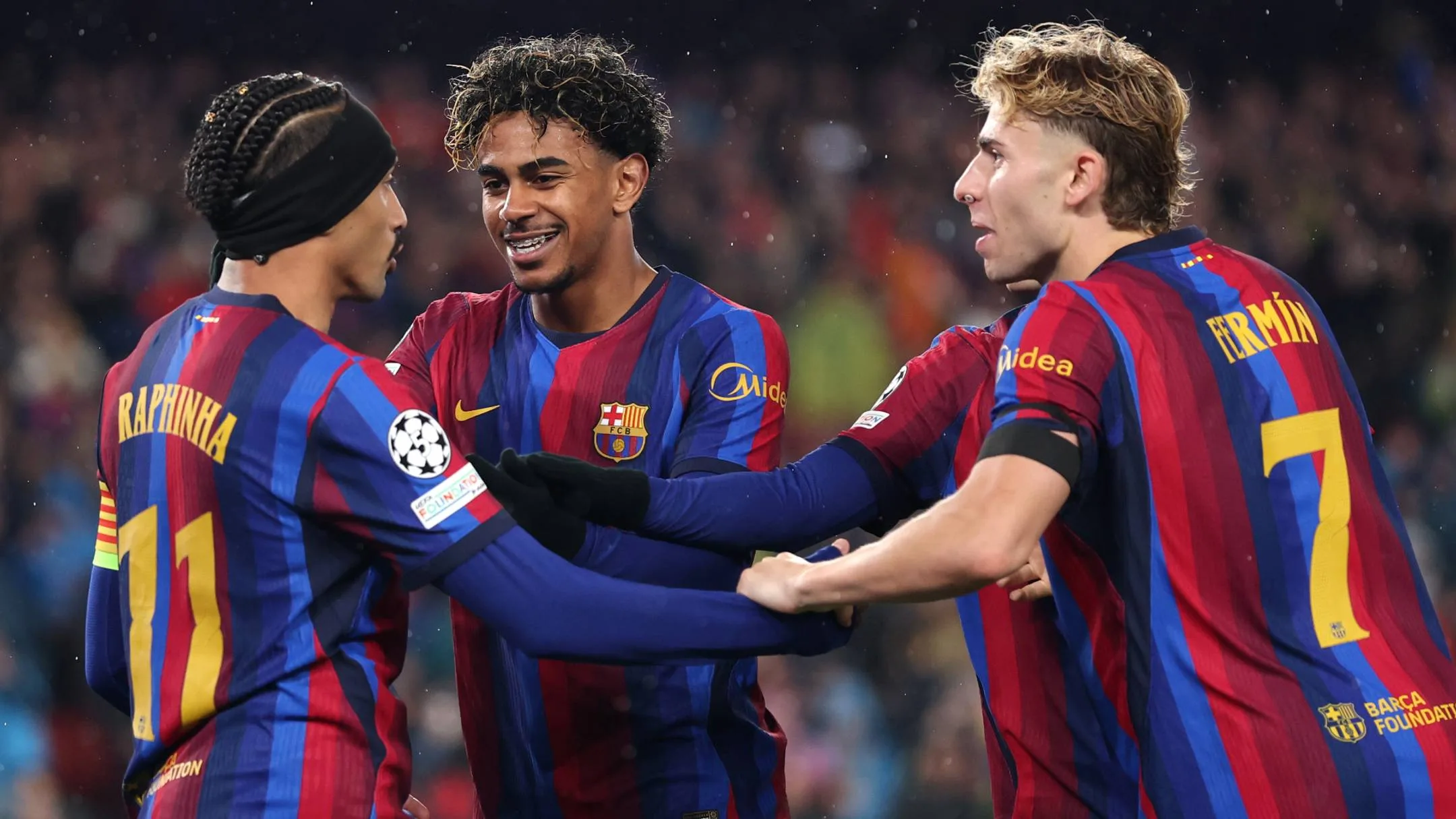
Three forwards used to be a luxury. In modern soccer, they are often the standard. Tactical changes, especially those shaped by Pep Guardiola and the rise of midfield control, have pushed teams away from old strike partnerships and back toward front threes that can attack from multiple angles.
That does not mean every trio works in the same way. Some rely on a central scorer, others on wide players who create and finish, and a few mix a No. 10 into the structure. Across the game, the best attacking units now tend to blend movement, intelligence and goals rather than simply stacking names on a teamsheet.
Arsenal’s title-winning attack is a good example of that balance. Bukayo Saka has still been one of Europe’s top wingers despite injury problems, Kai Havertz remains awkward for defenders to handle, and Christos Tzolis has brought a clinical edge from the left after replacing Leandro Trossard.
Bournemouth have also built a trio with real variety. Evanilson has adapted quickly to the burden of replacing Dominic Solanke, Rayan has added a different threat from the right since arriving at the start of 2026, and Marcus Tavernier is finally receiving wider recognition after a strong start to 2026-27.
Elsewhere, RB Leipzig continue to assemble attacking talent around Antonio Nusa, with Rômulo and Brajan Gruda giving the side different qualities in the final third. Liverpool’s new front three carry huge expectations, though they still have work to do before they match the legacy of Sadio Mané, Roberto Firmino and Mohamed Salah.
Como stand out for their collective chemistry, with Nico Paz offering class between the lines, Martin Baturina adding craft, and Anastasios Douvikas often benefiting from the work of others. Roma’s trio, featuring Donyell Malen, Matias Soulé and Rodrigo Mora, are also growing into their roles under Gian Piero Gasperini.
At the sharper end of the list, Erling Haaland remains the most devastating presence, while Rayan Cherki and Jérémy Doku give him supply and support. Chelsea’s new “JP Morgan” line, built around Cole Palmer, Morgan Rogers and João Pedro, made an early statement under Xabi Alonso.
Real Madrid’s stars still need time to fully click, but the most complete trio in the rankings belongs to Bayern Munich. Harry Kane, Michael Olise and Luís Diaz combined for 109 goals across all competitions in 2025-26, a return that underlined their standing among the best front threes in the game.